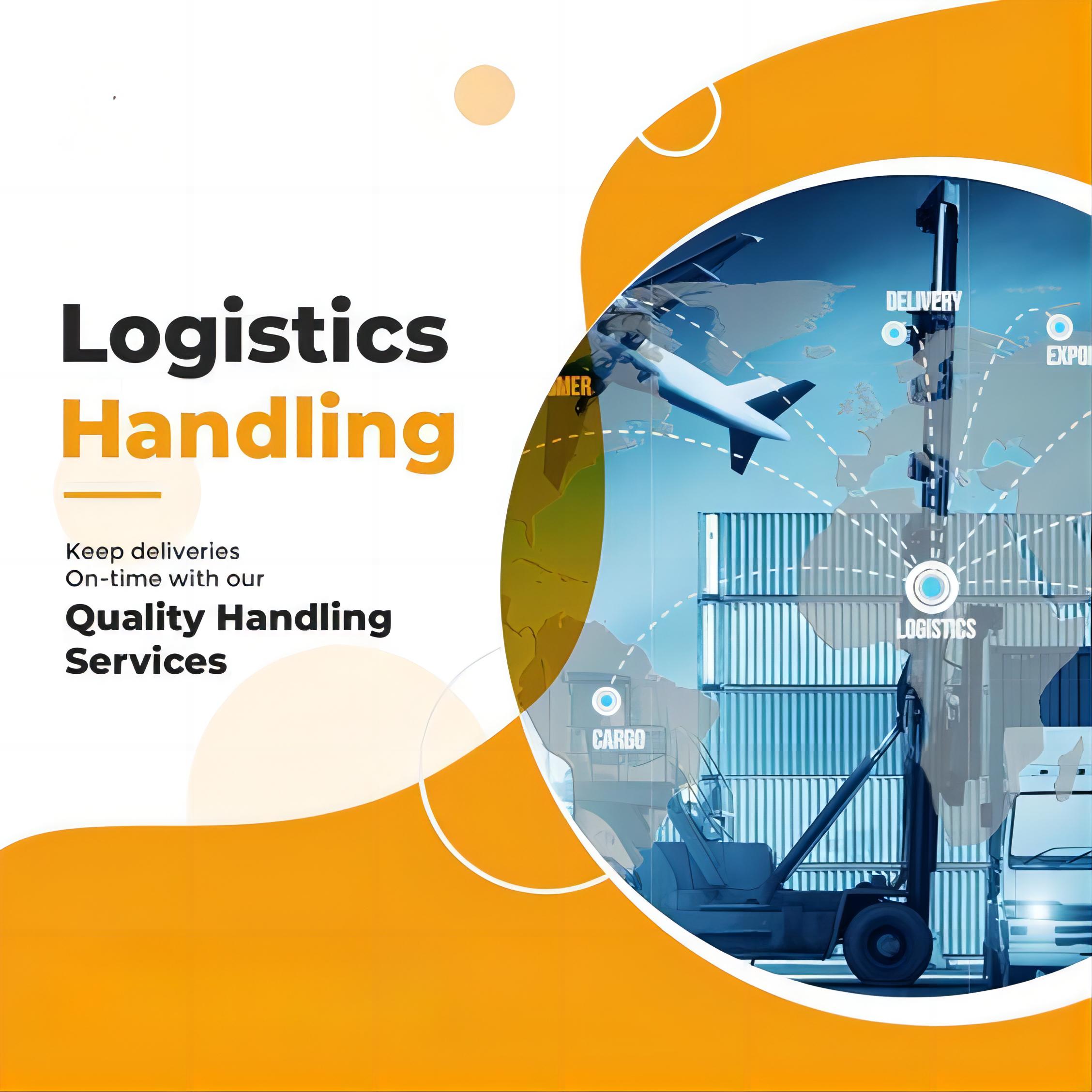
USA Import Logistics from China: The Ultimate 2026 Guide
“Managing USA import logistics from China effectively requires a deep understanding of the evolving transpacific trade lanes in 2026. Consequently, many importers face significant hurdles ranging from fluctuating container rates to complex regulatory requirements at US ports. However, partnering with an experienced logistics provider ensures that your supply chain remains resilient against global disruptions.”
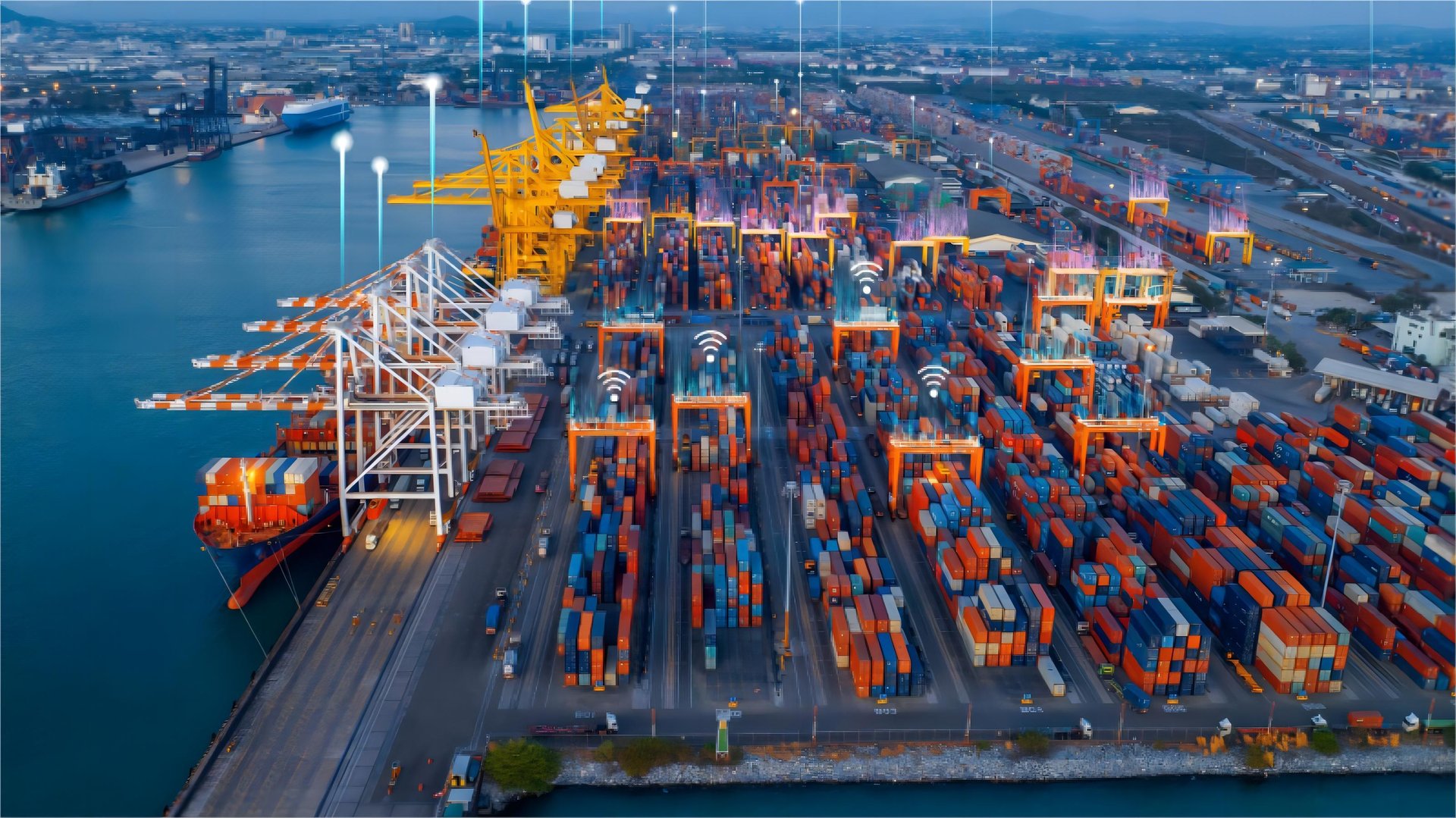
Understanding the Landscape of USA Import Logistics from China in 2026
❖Navigating the complexities of international trade requires staying ahead of the latest logistics trends 2026. Currently, the transpacific route remains the busiest trade corridor in the world, connecting major Chinese manufacturing hubs with key American gateways. Therefore, businesses must adapt to shifting port dynamics and new environmental regulations affecting maritime fuel surcharges.
Moreover, the integration of advanced tracking technology has revolutionized how companies monitor their cargo. Indeed, real-time visibility is no longer a luxury but a standard requirement for maintaining a competitive edge in the retail and industrial sectors. Consequently, choosing a forwarder that offers digital transparency is vital for modern logistics supply chain management.
Furthermore, the economic relationship between these two nations continues to drive innovations in cargo handling and terminal efficiency. Nevertheless, geopolitical shifts occasionally introduce new tariffs or trade barriers that importers must navigate with precision. Because of these variables, having a robust contingency plan is essential for every shipment.
What Are the Primary Shipping Methods for US Imports?
❖Choosing the right transportation mode is the most critical decision in your logistics strategy. For instance, sea freight remains the most economical choice for high-volume shipments and heavy industrial goods. Businesses typically choose between Full Container Load (FCL) and Less than Container Load (LCL) based on their specific inventory needs.
Additionally, air freight provides the speed necessary for high-value electronics, fashion items, and urgent replenishment. While air freight rates 2026 reflect higher fuel costs, the reduction in transit time often justifies the investment for time-sensitive cargo. Consequently, many tech firms prioritize air transport to meet strict product launch deadlines.
Meanwhile, express services offer a streamlined solution for small parcels and samples that require door-to-door delivery. Although this is the most expensive per kilogram, it eliminates many of the coordination headaches associated with traditional freight. Therefore, it serves as an excellent option for e-commerce startups testing new product lines.
How Does Sea Freight Compare to Other Shipping Options?
❖Evaluating the trade-offs between speed and cost is fundamental to optimizing your bottom line. While sea freight offers the lowest cost per unit, it requires significant lead time planning due to longer sea freight transit times. In contrast, air transport allows for agile inventory management but significantly increases the landed cost of each item.
Moreover, sea-air hybrid solutions have gained popularity as a middle-ground alternative for those seeking balance. These routes typically involve shipping by sea to a hub like Dubai or Singapore before flying the cargo to the United States. Consequently, this strategy can save up to 40% in costs compared to pure air freight while being twice as fast as sea freight.
| Shipping Method | Cost Range | Transit Time | Best For & Limitations |
|---|---|---|---|
| Sea Freight (FCL) | $3,000 – $6,000 | 18 – 35 Days | Bulk goods; slow transit |
| Sea Freight (LCL) | $150 – $300/CBM | 22 – 40 Days | Small loads; high handling |
| Air Freight | $5.50 – $9.50/kg | 3 – 7 Days | High value; expensive |
| Express Courier | $8.50 – $13.00/kg | 2 – 5 Days | Samples; very high cost |

Navigating Customs Clearance Processes for US Imports
❖Successfully clearing cargo through U.S. Customs and Border Protection (CBP) involves meticulous documentation and strict adherence to timelines. For example, the Importer Security Filing (ISF) must be submitted at least 24 hours before the vessel departs from China. Failure to comply with ISF filing requirements often results in heavy fines and cargo holds at the destination port.
Furthermore, utilizing professional customs brokerage services can prevent costly delays caused by incorrect HTS code classification. Since duty rates for Chinese imports can vary significantly based on the product category, accurate valuation is paramount. Consequently, brokers act as essential intermediaries who ensure all paperwork satisfies the latest federal regulations.
Additionally, importers must secure a customs bond, which acts as a guarantee that all duties and taxes will be paid to the government. Whether you choose a single-entry bond or a continuous bond depends on your annual shipping frequency. Indeed, most regular importers prefer the continuous bond for its long-term cost-effectiveness and convenience.
The Growth of Amazon FBA Shipping China to USA
❖Many e-commerce entrepreneurs rely heavily on Amazon FBA to scale their businesses efficiently. This specialized logistics path requires cargo to meet strict labeling and packaging standards before it reaches Amazon fulfillment centers. Therefore, many China-based suppliers now offer FBA-compliant preparation services to streamline the handover process.
Moreover, choosing between sea and air for FBA depends largely on your inventory turnover rate and seasonal demand. During Q4 peak seasons, air freight is often the only way to keep popular items in stock. However, savvy sellers use sea freight for their baseline inventory to maximize profit margins throughout the rest of the year.
Why Choose Door to Door Shipping from China to USA?
❖Implementing a door to door strategy simplifies the entire movement of goods from the factory floor to your warehouse. This all-inclusive service covers pickup, international transit, customs clearance, and final mile delivery. Consequently, it removes the burden of managing multiple vendors and disparate invoices.
Furthermore, this method provides a single point of accountability, which is invaluable when troubleshooting potential delays. Because the freight forwarder manages the entire chain, they can quickly pivot to alternative routes if port congestion occurs. Thus, businesses can focus on sales and marketing rather than the minutiae of logistics coordination.
Note: Freight rates are subject to change based on fuel costs, carrier capacity, and seasonal demand. Contact us for a current quote tailored to your specific shipment.
Real-World Case Studies for US Imports
❖Case Study 1: Electronics Distribution to Los Angeles Route: Shenzhen, China to Los Angeles, USA Cargo: Consumer Electronics, 68 CBM, 14,500 kg Container: 40HQ Full Container Load Shipping Details: – Carrier: COSCO Shipping – Port of Loading: Shenzhen (Yantian) – Port of Discharge: Port of Los Angeles – Route Type: Direct Cost Breakdown: – Ocean Freight: $3,850 – Origin Charges: $450 – Destination Charges: $650 – Customs & Duties: $4,200 – Total Landed Cost: $9,150 Timeline: – Booking to Loading: 4 days – Sea Transit: 15 days – Customs Clearance: 2 days – Total Door-to-Door: 21 days Key Insight: Using a direct route to the West Coast saved 14 days compared to an East Coast discharge.
Case Study 2: Apparel Startup LCL Shipment Route: Ningbo, China to New York, USA Cargo: Organic Cotton T-shirts, 8 CBM, 1,200 kg Container: LCL (Less than Container Load) Shipping Details: – Carrier: Major Global Carrier – Port of Loading: Ningbo-Zhoushan – Port of Discharge: Port of New York/New Jersey – Route Type: Transshipment via Panama Canal Cost Breakdown: – Ocean Freight: $1,440 ($180/CBM) – Origin Charges: $220 – Destination Charges: $380 – Customs & Duties: $1,100 – Total Landed Cost: $3,140 Timeline: – Booking to Loading: 6 days – Sea Transit: 32 days – Customs Clearance: 3 days – Total Door-to-Door: 41 days Key Insight: LCL allowed the startup to maintain cash flow while testing the US market without committing to a full container.
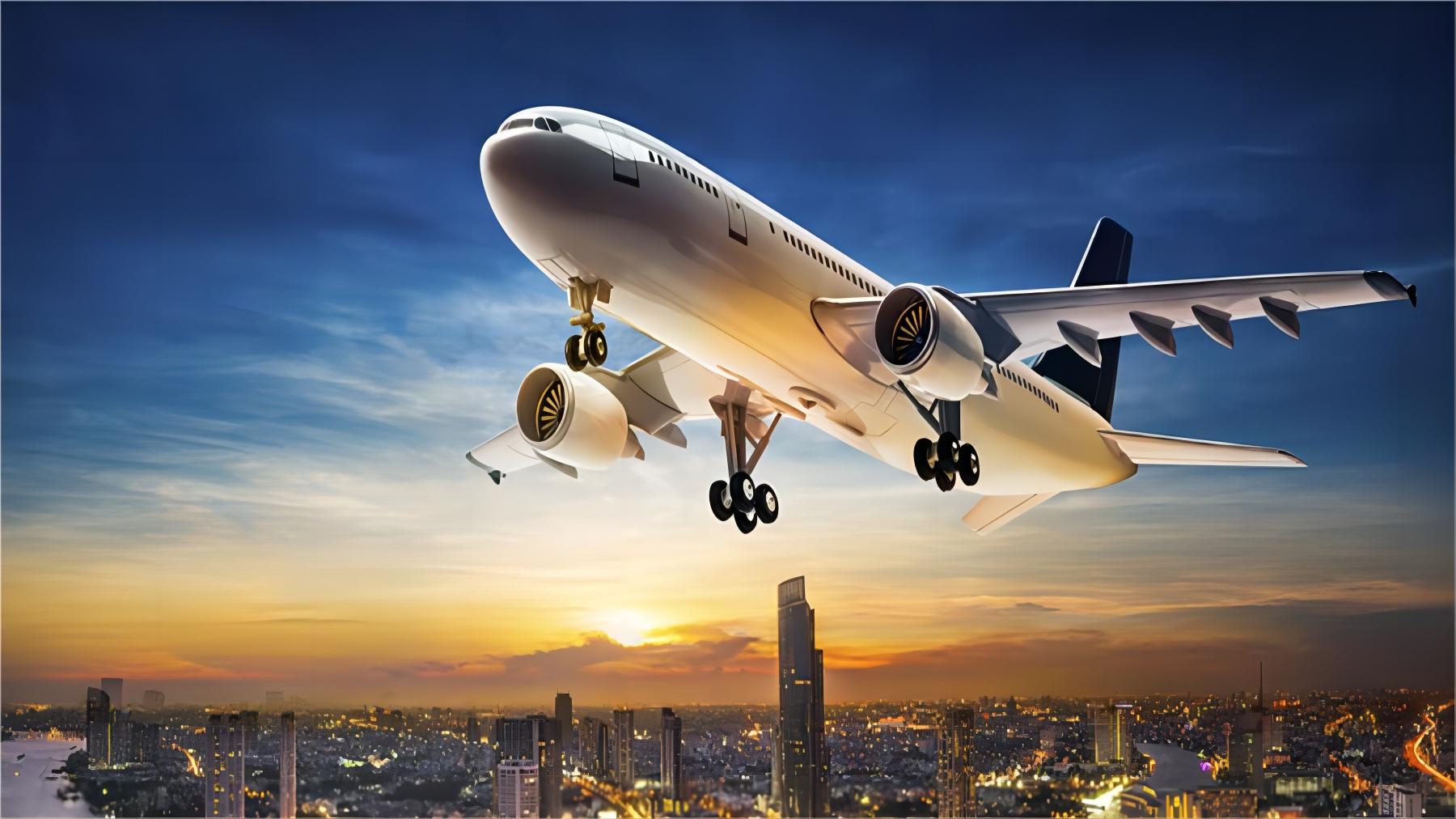
Which Shipping Option Should You Choose?
❖Determining the best logistics path requires a clear assessment of your business priorities. If your primary goal is budget optimization, sea freight FCL is the undisputed winner for large volumes. On the other hand, if you are launching a new product and need it in the hands of customers immediately, air freight is the necessary choice.
Furthermore, consider the nature of your cargo when making this decision. Perishable or high-value items naturally lend themselves to the speed and security of air transport. Meanwhile, durable goods with stable demand are best suited for the cost-efficiency of the ocean. Ultimately, a balanced approach using multiple modes often yields the most resilient supply chain.
Final Thoughts on US-China Logistics
Mastering USA import logistics from China is a continuous process of adaptation and strategic planning. As we move through 2026, staying informed about freight rates and regulatory changes remains the best way to protect your margins. By selecting the right shipping methods and leveraging professional expertise, you can ensure your goods arrive safely and efficiently.
In summary, whether you utilize sea, air, or express services, the key to success lies in transparency and proactive communication. Start optimizing your import strategy now to navigate the complexities of global trade with confidence.
Ready to streamline your logistics?
Streamline your USA import logistics from China today by contacting our expert team for a customized freight quote. Visit our website to see how we can optimize your supply chain and reduce your landed costs. Send Inquiry:
Request Quote