
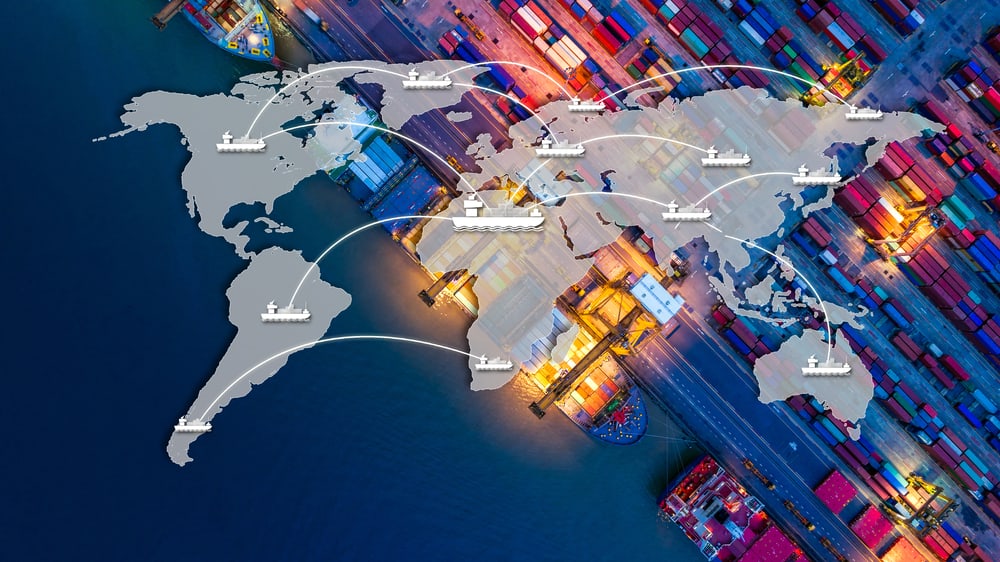
Top Logistics Company China to Netherlands: 2026 Shipping Guide
Navigating the complexities of international trade requires a dependable partner to manage your supply chain efficiently. When you choose a reputable logistics company China to Netherlands, you gain access to streamlined shipping routes and expert customs handling. This comprehensive guide explores the most effective ways to transport goods across these vital trade corridors in 2026. Consequently, businesses can minimize delays and optimize their shipping budgets while maintaining high delivery standards.
Why You Need a Professional Logistics Company China to Netherlands
Managing international shipments involves more than just moving boxes from one point to another. Professional logistics providers understand the nuances of the Dutch market and the specific regulations governing European imports. Furthermore, they offer the local expertise needed to navigate the busy ports of Rotterdam and Amsterdam.
Selecting the right partner ensures that your cargo remains safe throughout its journey. Most experienced companies provide end-to-end visibility, allowing you to track your shipment in real-time. Moreover, they handle the complex documentation required to avoid costly penalties at the border.
Efficiency remains the primary goal for any business importing goods from Asia. By leveraging established relationships with carriers, a top-tier logistics firm can secure better rates and more reliable schedules. Indeed, this collaborative approach helps businesses stay competitive in the fast-paced 2026 market.
Evaluating Sea Freight Options for Large Shipments
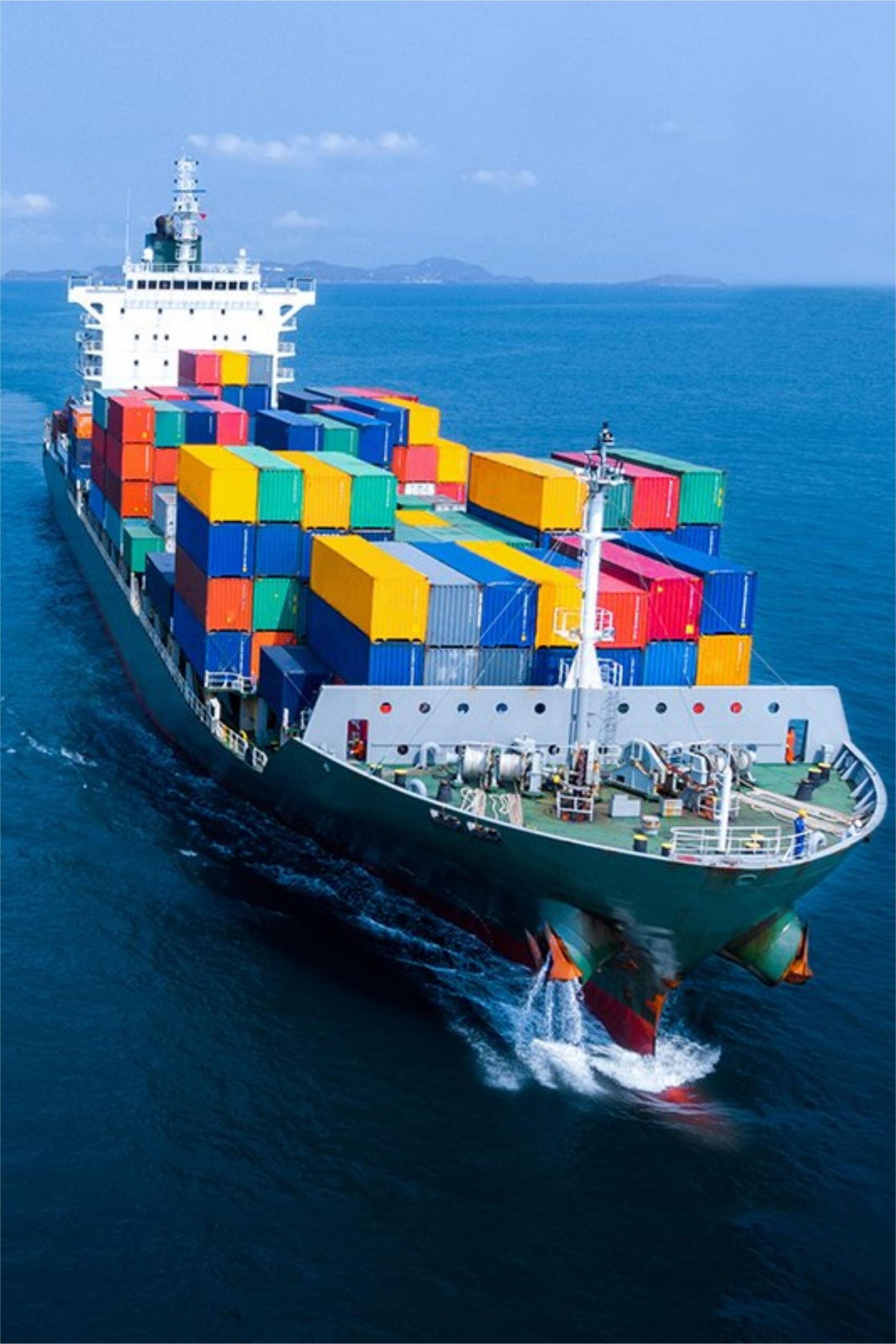
Ocean transport continues to be the most cost-effective solution for high-volume cargo. If you are shipping machinery, furniture, or bulk consumer goods, sea freight offers the best balance between price and capacity. However, you must account for longer transit times compared to other methods.
Full Container Load (FCL) services provide exclusive use of a 20ft or 40ft container. This method is typically faster and safer because the goods are not handled alongside other shipments. In contrast, Less than Container Load (LCL) allows you to pay only for the space you use, which is ideal for smaller volumes.
Current market data for 2026 suggests that sea freight rates have stabilized after previous global disruptions. Specifically, shipping a 40HQ container from Shanghai to Rotterdam now ranges between 3,000 and 4,200 USD depending on the season. Therefore, planning ahead is essential to secure the best possible pricing.
Air Freight Solutions for Time-Sensitive Cargo
Urgent shipments require the speed and reliability that only aviation can provide. When your business needs to restock inventory quickly or ship high-value electronics, air freight is the superior choice. Most air shipments arrive in the Netherlands within a week of departure.
Speed comes at a higher price point, making this method less suitable for low-margin goods. Nevertheless, the reduced risk of damage and lower insurance premiums can offset some of the additional costs. Additionally, the shorter transit time significantly improves your cash flow by getting products to market faster.
Logistics experts recommend air transport for items with a high value-to-weight ratio. For instance, medical equipment and specialized technology components are almost exclusively moved via air. Consequently, businesses should reserve this method for their most critical or high-margin inventory items.
The Rise of Rail Freight in 2026 Logistics
Rail transport has emerged as a powerful middle ground for modern supply chains. By utilizing the Trans-Eurasian railway, rail freight delivers goods significantly faster than sea transport at a fraction of the cost of air. This method has become increasingly popular for automotive parts and industrial components.
Transit times for rail shipments typically range from 18 to 22 days. This schedule allows businesses to react more quickly to market trends without the extreme expense of air transport. Furthermore, rail is considered a more environmentally friendly alternative to both air and traditional sea shipping.
Infrastructure improvements in 2025 and 2026 have enhanced the reliability of this route. Trains departing from hubs like Zhengzhou or Chongqing arrive directly at terminals in Tilburg or Rotterdam. As a result, many European importers now include rail as a core component of their logistics strategy.
How Does Sea Freight Compare to Other Shipping Options?
Choosing the right shipping method requires a careful analysis of your budget and timeline. While sea freight is the cheapest option, it may not meet the demands of a fast-moving retail environment. Meanwhile, air freight ensures speed but can quickly erode your profit margins if used for bulky items.
Hybrid solutions are also gaining traction in 2026. Some companies utilize a combination of sea and air to balance costs and speed. However, for most standard shipments, the choice remains between the three primary modes of transport listed below.
| Shipping Method | Cost Range (2026) | Transit Time | Best For |
|---|---|---|---|
| Sea Freight (FCL) | $3,000 – $4,200 | 30-40 Days | Bulk Goods |
| Rail Freight | $2,200 – $3,500 | 18-22 Days | Medium Volume |
| Air Freight | $4.50 – $8.00/kg | 5-8 Days | High Value |
| Express Courier | $9.00 – $15.00/kg | 3-5 Days | Samples/Small |
Which Option Should You Choose? Decision Framework
Determining the best shipping method depends on several key factors. First, evaluate your budget priority. If keeping costs low is your main concern, sea freight is the clear winner for large volumes. Second, consider the urgency of the shipment and the shelf life of the products.
Cargo type also plays a significant role in the decision-making process. Fragile or high-value items benefit from the reduced handling associated with air transport. On the other hand, durable goods in large quantities are perfectly suited for the long journey across the ocean.
Volume thresholds often dictate when you should switch from LCL to FCL. Generally, if your shipment exceeds 15 cubic meters, booking a full 20ft container becomes more economical. Always consult with your logistics provider to run a cost-benefit analysis for your specific cargo volume.
Navigating Customs Clearance in the Netherlands
Entering the European market through the Netherlands requires strict adherence to EU customs regulations. The Dutch Customs authorities are known for their efficiency but also for their meticulous inspections. Therefore, having accurate documentation is the most important step in the import process.
Required documents typically include the commercial invoice, packing list, and bill of lading. Additionally, certain products may require specific certificates of origin or safety compliance documents. Missing a single form can lead to significant delays and expensive storage fees at the port.
Working with a specialized broker can simplify this process immensely. These professionals stay updated on the latest tariff changes and VAT regulations in 2026. Notably, they can help you utilize tax deferment schemes that improve your company’s cash flow during the import phase.
Specialized Shipping: Amazon FBA and Door to Door
E-commerce sellers often require specialized services to meet the demands of online marketplaces. Many businesses now utilize Amazon FBA shipping to move products directly from Chinese factories to Dutch fulfillment centers. This streamlined process eliminates the need for intermediate storage.
For those seeking maximum convenience, door to door services handle every aspect of the journey. The logistics company picks up the goods from the supplier in China and delivers them directly to your warehouse in the Netherlands. Consequently, you can focus on sales and marketing rather than shipping logistics.
These comprehensive services often include customs clearance and local delivery within the final price. While the upfront cost might seem higher, the time saved and the reduction in potential errors often make it the most efficient choice. Indeed, simplified logistics are a major competitive advantage for modern importers.
Realistic Case Studies: China to Netherlands
Examining real-world examples helps illustrate the costs and timelines involved in modern shipping. Below are three scenarios based on typical market conditions in early 2026. These cases reflect the diverse needs of businesses operating in the Europe trade lane.
Case Study 1: Electronics from Shenzhen to Rotterdam Route: Shenzhen, China to Rotterdam, Netherlands Cargo: Consumer Electronics, 68 CBM, 14,000 kg Container: 40HQ FCL Shipping Details: – Carrier: Major carrier direct service – Port of Loading: Shenzhen – Port of Discharge: Rotterdam Cost Breakdown: – Ocean Freight: $3,250 – Origin Charges: $450 – Destination Charges: $550 – Total Landed Cost: $4,250 Timeline: – Sea Transit: 32 days – Total Door-to-Door: 42 days Key Insight: Direct routing saved 5 days compared to transshipment via Singapore.
Case Study 2: Fashion Items from Shanghai to Amsterdam Route: Shanghai, China to Amsterdam, Netherlands Cargo: Apparel, 2.5 CBM, 450 kg Method: Air Freight Shipping Details: – Carrier: Air cargo service – Airport of Loading: Shanghai Pudong – Airport of Discharge: Amsterdam Schiphol Cost Breakdown: – Air Freight: $2,475 ($5.50/kg) – Customs & Handling: $350 – Total Landed Cost: $2,825 Timeline: – Air Transit: 2 days – Total Door-to-Door: 7 days Key Insight: High-demand seasonal stock reached shelves in under a week.
Case Study 3: Industrial Parts from Zhengzhou to Tilburg Route: Zhengzhou, China to Tilburg, Netherlands Cargo: Spare Parts, 12 CBM, 3,200 kg Method: Rail Freight (LCL) Shipping Details: – Service: China-Europe Railway Express – Loading Hub: Zhengzhou Terminal – Discharge Hub: Tilburg Terminal Cost Breakdown: – Rail Freight: $1,850 – Handling & Delivery: $400 – Total Landed Cost: $2,250 Timeline: – Rail Transit: 19 days – Total Door-to-Door: 26 days Key Insight: Rail provided a 40 percent cost saving compared to air freight with acceptable transit time.
Strategies for Reducing Shipping Costs in 2026
Reducing your logistics expenses requires a proactive approach to supply chain management. One effective strategy is to optimize your packaging to fit more items into a single container. Furthermore, consolidating multiple small orders into one larger shipment can significantly lower your per-unit shipping cost.
Timing your bookings is another critical factor in cost control. Rates often spike during peak seasons such as the months leading up to the winter holidays. Therefore, booking your shipments 4-6 weeks in advance can help you avoid premium pricing and ensure space availability.
Negotiating long-term contracts with a trusted logistics partner can also provide price stability. While spot rates fluctuate, a contract can protect your business from sudden market volatility. Additionally, always ask about different routing options, as transshipment through smaller ports may offer lower fees.
Final Thoughts on Choosing a Logistics Company China to Netherlands
Selecting the right logistics company China to Netherlands is a foundational decision for any import business. Whether you prioritize the speed of air freight or the economy of sea transport, your partner must provide reliability and transparency. By understanding the 2026 market trends and preparation requirements, you can navigate the shipping process with confidence.
In summary, successful international trade depends on meticulous planning and expert execution. Utilize the comparison tools and case studies provided in this guide to make an informed choice for your next shipment. With the right strategy, your logistics operations will become a powerful driver of business growth.
Get Your Shipping Quote Today
Streamline your supply chain today with a professional logistics company China to Netherlands. Contact Top China Freight for a customized quote and expert guidance on your 2026 shipping strategy. Visit our website to learn more about our comprehensive freight solutions. Send Inquiry: https://Top China Freight.net/
Request Quote