shipping

United States

shipping

As a freight agent for Top China Freight, we are excited to introduce the shipping conditions in the United States. As the world’s sole superpower, the United States showcases robust economic strength and comprehensive infrastructure, creating excellent conditions for freight transportation. Located in North America, the country spans two oceans and boasts an extensive coastline. Major ports and cities, such as New York, Boston, Miami, Houston, San Francisco, Los Angeles, and Seattle, play vital roles in international trade.

The port facilities across the United States are advanced and well-equipped. They efficiently handle the loading and unloading of various cargo types. Among these, the Port of New York ranks as one of the largest and busiest ports in the world. It serves as a crucial international trade hub, connecting the Atlantic Ocean with the North American hinterland. Meanwhile, the Port of Los Angeles, located on the Pacific coast, stands as one of the busiest ports on the West Coast, facilitating trade with the Asia-Pacific region.

With its economic strength, extensive infrastructure, and strategic geographical location, the United States has earned the title of the “land of opportunity.” This environment exudes immense attractiveness and competitiveness. At Top China Freight, we look forward to providing you with top-quality freight services, ensuring the smooth, safe, and efficient transportation of your goods to the United States and surrounding markets.

services

choose our service

services

img

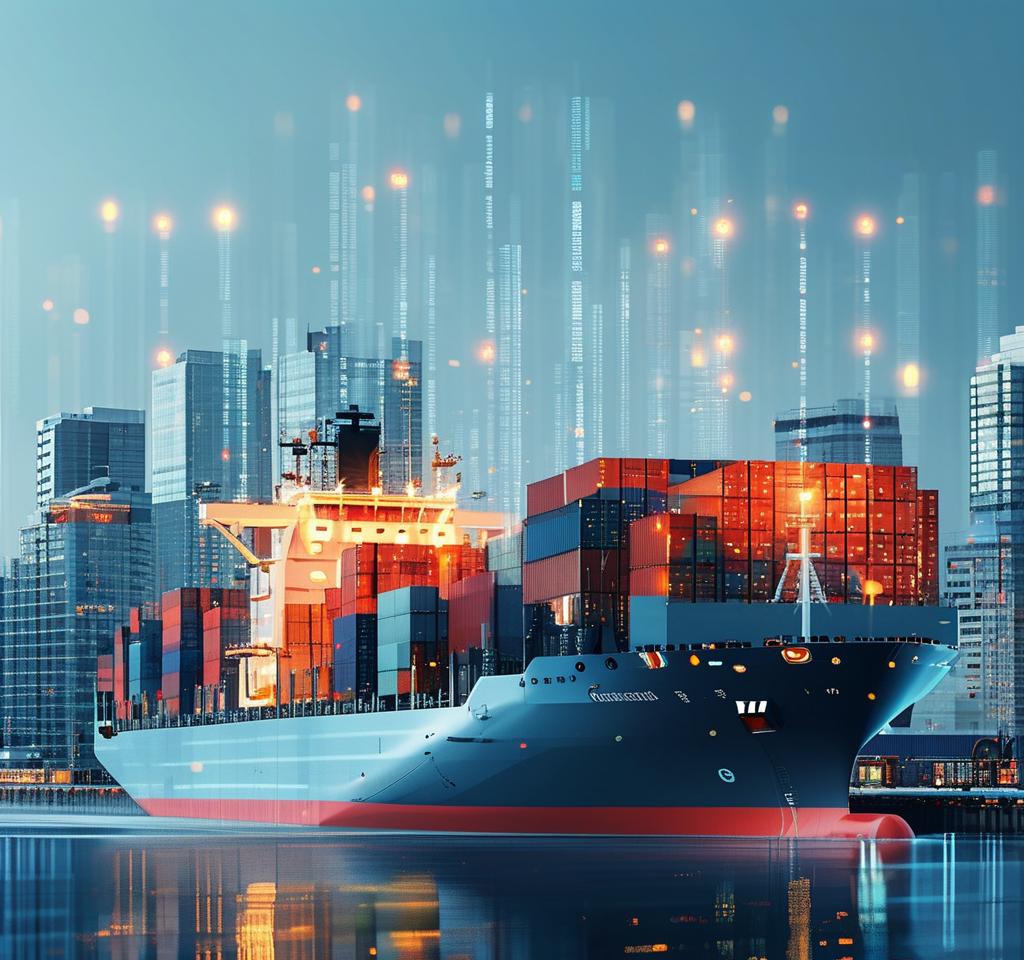
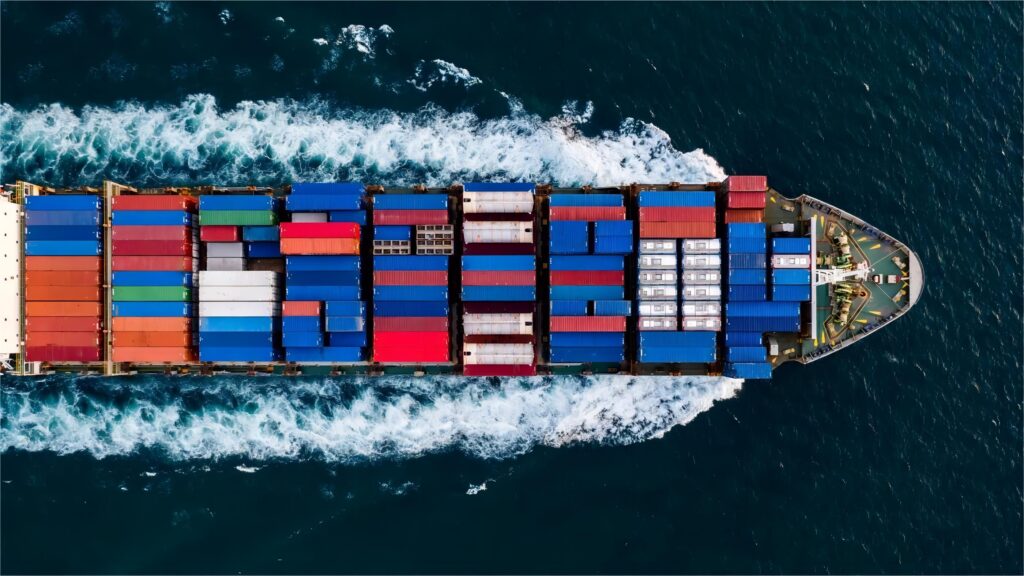
Sea freight

The transportation of goods by cargo ships across oceans, ideal for large volumes and heavy items.
img

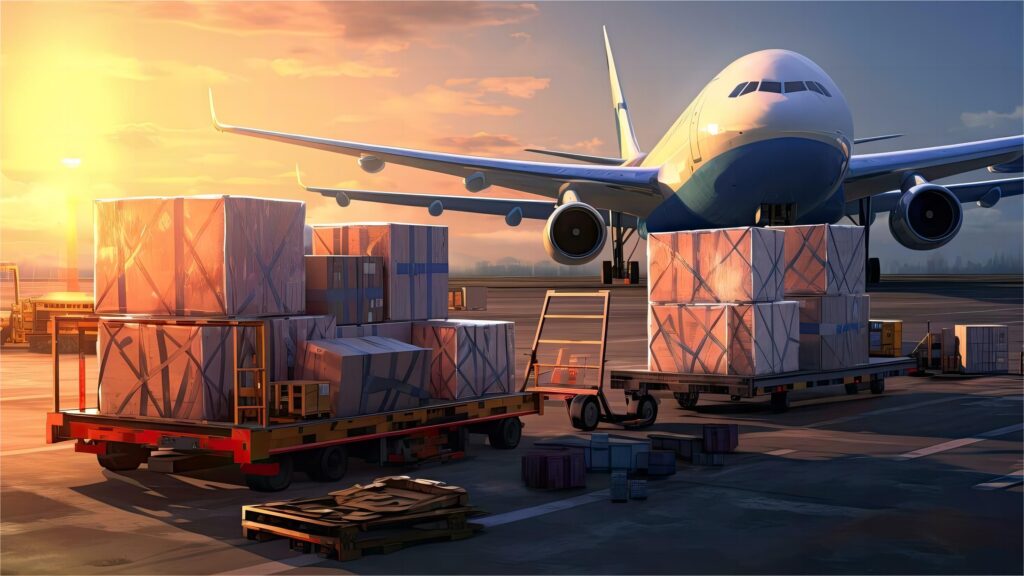
air freight

The shipment of goods via airplanes, offering fast delivery times for high-value or time-sensitive cargo.
img

door to door

This comprehensive solution streamlines the shipping process, ensuring efficient and hassle-free delivery.
img

break bulk

The process of shipping goods that are loaded individually rather than in containers, typically used for oversized or irregularly shaped cargo.
FAQ

Problems you may encounter

For most Chinese-origin goods, Section 301 duties still apply on top of normal MFN tariffs.

Importers usually ask this because:

  • The additional duty can range from 7.5% to 25%.

  • It is calculated on customs value, not retail price.

  • It significantly changes margin calculations.

Before placing orders, U.S. buyers calculate:

Customs Value

  • Normal Duty

  • Section 301 Duty

  • MPF (Merchandise Processing Fee)

  • Harbor Maintenance Fee (for ocean freight)

If the product falls under an affected list, profit projections must be recalculated carefully.

U.S. importers are extremely cautious here.

They typically explore:

  • First sale rule eligibility

  • Proper tariff classification review

  • Tariff engineering

  • Country of origin transformation strategies

However, undervaluation or incorrect HS declaration is high risk because U.S. Customs and Border Protection (CBP) conducts post-entry audits.

Duty optimization must be legally structured — not improvised.

The U.S. Customs and Border Protection is highly data-driven.

They review:

  • Import history

  • Declared values

  • Product classification patterns

  • Related party pricing

While physical inspections are not always frequent, documentation audits can occur months after clearance.

The U.S. system emphasizes compliance consistency over one-time inspection.

Common triggers include:

  • First-time importer

  • Sudden drop in declared value

  • High-risk product category

  • Random targeting

  • Intellectual property concerns

If cargo is selected for exam at major ports like the Port of Los Angeles, delays and exam fees can significantly increase total cost.

Importers want to know exam probability because it affects delivery planning.

Often yes, depending on product category.

Examples:

  • Electronics may require FCC compliance.

  • Children’s products may require CPSC certification.

  • Food products require FDA compliance.

If compliance is not completed before shipment, goods can be detained.

U.S. importers typically verify regulatory requirements before production is finalized — not after shipment.

This is a common question — and a dangerous one.

Classification must reflect product characteristics, not desired duty rate.

CBP has technical specialists who review classification disputes.

If misclassification is discovered:

  • Back duties may be charged

  • Penalties may apply

  • Future shipments may face higher scrutiny

Duty savings through incorrect classification can become very expensive.

Many U.S. buyers hesitate with DDP from China because:

  • The importer of record must be properly registered in the U.S.

  • If a foreign entity acts as importer without proper structure, compliance risk increases.

  • Post-entry audits may affect the U.S. buyer even under DDP.

Experienced U.S. companies prefer controlling customs entry through their own broker.

If documentation is correct:

  • Entry filing is usually electronic.

  • Clearance may occur within 24–72 hours after arrival.

However, if an exam is ordered:

  • Delay can extend 5–10+ days.

  • Storage and exam fees apply.

Importers care less about average clearance time and more about worst-case delay risk.

If the U.S. importer and Chinese supplier are related companies:

CBP may question whether the transaction value reflects arm’s length pricing.

Documentation may be required to prove:

  • Comparable sales

  • Profit structure

  • Transfer pricing methodology

Improperly documented related-party pricing can trigger value adjustment.

Certain product categories (steel, aluminum, furniture, etc.) may be subject to AD/CVD investigations.

These duties are separate from Section 301 and can exceed 100% in some cases.

Importers verify AD/CVD status before placing large production orders.

This is often overlooked by new buyers.

CBP can issue:

  • Requests for Information (CF-28)

  • Notices of Action (CF-29)

If value is adjusted:

  • Additional duties are owed

  • Interest accrues

  • Penalties may apply in severe cases

U.S. compliance risk is long-term, not just at port arrival.

Focusing only on factory price.

Many underestimate:

  • Additional tariffs

  • Regulatory compliance costs

  • Customs broker fees

  • Potential exam charges

  • Long-term audit risk

The real landed cost is often far higher than the quoted FOB price.

Professional importers build full compliance cost into pricing before confirming orders.

sea freight
air freight
Worker inspecting cargo inside a shipping container
services

WHAT ELSE CAN WE DO?

services

img

Fcl&lcl

FCL (Full Container Load) refers to shipping full containers of goods, while LCL (Less than Container Load) refers to shipping consolidated goods in a shared container.

img

Cargo Insurance

Cargo Insurance provides coverage for goods against loss, damage, or theft during transit, ensuring that the owner receives financial compensation in the event of unforeseen incidents.

img

Amazon FBA

Amazon FBA (Fulfillment by Amazon) is a service where sellers store their products in Amazon's warehouses, and Amazon handles the packing, shipping, and customer service.

img

Customs Brokerage

Customs brokerage is a service that helps importers and exporters clear goods through customs.


img

door to door

Door to door service refers to the transportation of goods directly from the sender's location to the recipient's location, handled entirely by the carrier.

img

Express Service

Express service provide fast, time-sensitive delivery of parcels and documents.


DDU (Delivered Duty Unpaid)

DDU term means the seller is responsible for delivering the goods to the buyer’s designated destination, but not for paying import duties and other import fees. The buyer is responsible for customs clearance and paying all applicable duties, taxes, and fees.

DDP (Delivered Duty Paid)

DDP term means the seller is responsible for delivering the goods to the buyer’s designated destination and for paying all import duties and other import fees. The buyer only needs to receive the goods, without bearing any additional expenses.

comments

What everyone thinks

Great service!

First time using a package forwarding service and it couldn’t not have been more straight forward. They provided quite a few options for delivery companies and I was pretty happy with the deal I got in the end.

Vinney M.

Great experience!

I had a great experience with Lawrence! He was incredibly kind and helpful, patiently addressing all my questions and making sure I understood everything clearly. His excellent service really made a difference, and I truly appreciate his support. Highly recommend!

Edgar D.

Great service and so easy to use !

Great service and so easy to use and allows us to get stuff sent from CN to NZ that we can’t get here.  My son is going to be so excited when he sees his pokemon lunchbox.
woman
Candice Lock