
Shipping Quote China to UK: 2026 Freight Rates and Guide
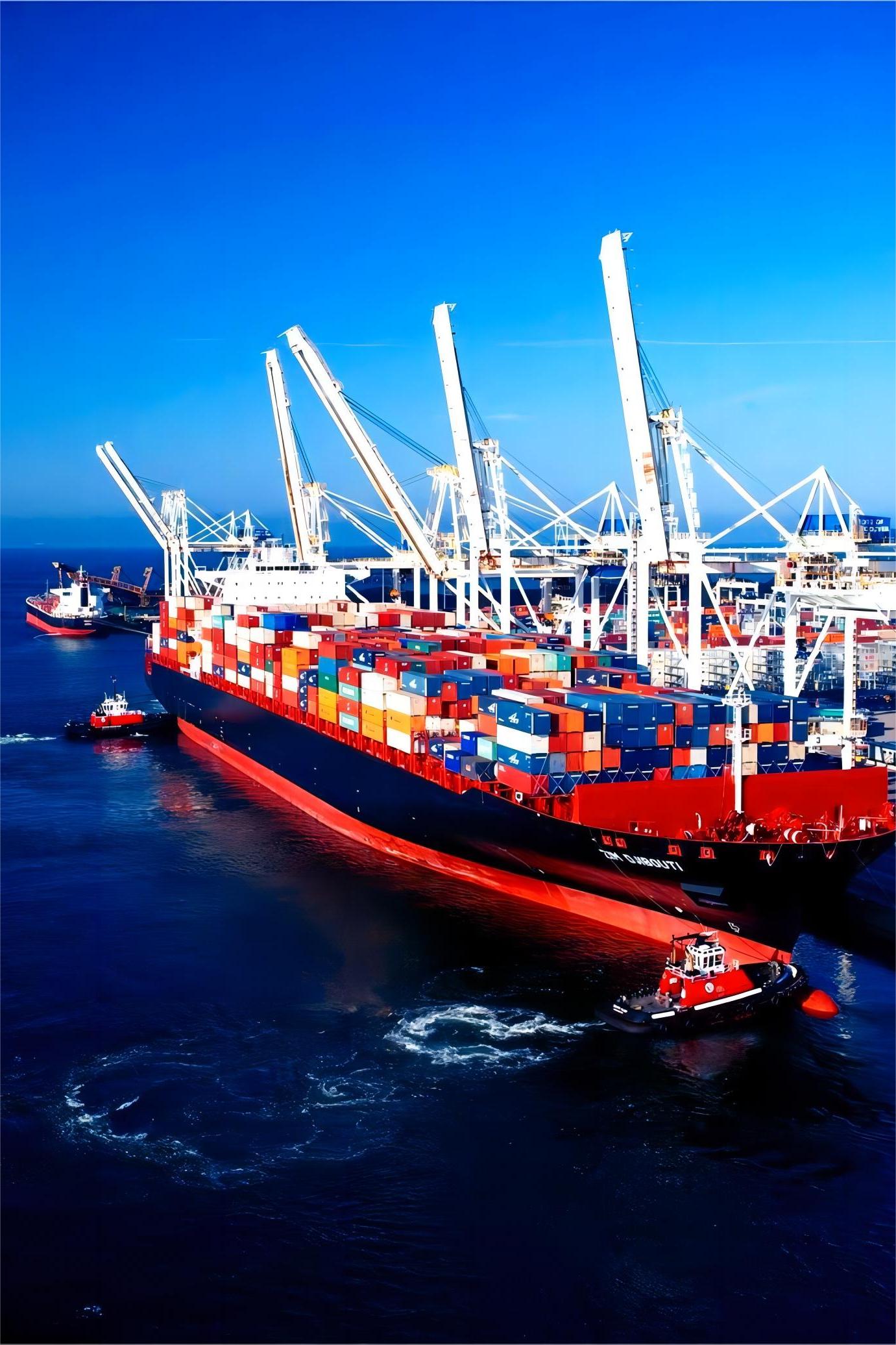
Obtaining a precise shipping quote China to UK remains a cornerstone of successful international trade as we move through 2026. Consequently, businesses must understand the nuances of freight pricing to maintain healthy profit margins in a competitive market. By partnering with Top China Freight, you gain access to expert logistics knowledge that simplifies the complex importing process from Asia to Britain. This guide provides a comprehensive overview of 2026 shipping costs, transit times, and strategic alternatives for your UK-bound cargo.
✦
How to Get an Accurate Shipping Quote China to UK?
Accurate pricing begins with providing detailed information about your shipment to your freight forwarder or carrier. Specifically, you need to specify the weight, dimensions, and nature of the goods you intend to transport across the ocean. Moreover, the choice between different ports in China can significantly impact the final cost of your shipping quote China to UK.
Consequently, you should always clarify whether you require port-to-port or door-to-door services during the initial inquiry phase. Furthermore, providing the correct HS codes ensures that your quote includes accurate estimates for duties and taxes. Therefore, transparency regarding your cargo requirements prevents unexpected surcharges during the transit process.
Accuracy in your documentation also helps logistics providers determine the most efficient route for your specific needs. Indeed, small errors in volume calculations can lead to significant discrepancies in the final invoice. Meanwhile, professional forwarders use this data to secure the best possible space on vessels or aircraft.
Main Shipping Methods: Finding the Right Fit
Selecting the appropriate transport mode involves balancing speed against cost efficiency for your specific business model. For instance, sea freight serves as the most economical choice for large volumes of heavy goods. In contrast, air freight offers unparalleled speed for time-sensitive or high-value electronics.
Additionally, many businesses now utilize rail freight as a middle-ground solution that offers faster transit than sea at a lower cost than air. Specifically, the Iron Silk Road has become a reliable corridor for shipments moving from central China to various UK terminals. However, you must consider the nature of your cargo before committing to a specific transport mode.
Moreover, each method carries distinct advantages regarding cargo safety and handling requirements during the journey. Consequently, your choice will dictate the total landed cost and the overall efficiency of your supply chain. Therefore, evaluating these options carefully ensures you meet your delivery deadlines without overspending on logistics.
| Method | Cost Range | Transit Time | Best For |
|---|---|---|---|
| Sea Freight | $2,200 – $4,500 | 30-40 Days | Bulk Goods |
| Air Freight | $5.50 – $9.50/kg | 5-8 Days | Urgent Items |
| Rail Freight | $1,800 – $3,500 | 18-25 Days | E-commerce |
| Express | $8.00 – $16.00/kg | 3-5 Days | Samples |
How Does Sea Freight Compare to Other Shipping Options?
Comparing sea freight to alternative methods reveals significant differences in both lead times and financial investment. While sea freight costs roughly $2,500 to $4,200 for a 40HQ container in early 2026, air freight for the same volume would prove prohibitively expensive. Historically, sea transport remains the backbone of trade between China and Europe due to its massive capacity.
Furthermore, sea freight allows for both Full Container Load (FCL) and Less than Container Load (LCL) configurations. Consequently, smaller importers can share container space to reduce costs while still benefiting from ocean transit rates. In contrast, rail freight provides a faster alternative for those who cannot wait six weeks for their inventory to arrive.
Notably, the environmental impact of sea freight is lower per ton-mile compared to air transport solutions. Therefore, companies prioritizing sustainability often choose ocean routes despite the longer delivery schedule. Meanwhile, rail options continue to expand, offering a hybrid benefit of speed and moderate pricing.

Which Option Should You Choose for Your Business?
Deciding on the best shipping method requires a clear understanding of your budget priorities and time constraints. If your primary goal is cost reduction, sea freight stands as the undisputed leader for large-scale imports. Conversely, if you are shipping high-demand products for Amazon FBA, speed might outweigh the higher cost of air freight.
Budget-conscious shippers should consider FCL when their volume exceeds 15 cubic meters to maximize value. Additionally, rail freight serves as an excellent alternative when sea routes experience seasonal congestion or port delays. Specifically, businesses moving automotive parts or industrial machinery often find rail to be the perfect compromise.
Moreover, you should evaluate the value-to-weight ratio of your products before requesting a shipping quote China to UK. High-value items like jewelry or specialized tech components justify the security and speed of air cargo. Ultimately, your choice should align with your customer expectations and inventory turnover rates.
Detailed Case Studies: Real-World UK Shipping Scenarios
Examining real-world examples helps clarify how different logistics strategies perform in the current 2026 market. Below are two distinct scenarios involving common imports from major Chinese manufacturing hubs to British destinations. These cases illustrate the importance of choosing the right method based on cargo type and urgency.
Case Study 1: Electronics from Shenzhen to London Route: Shenzhen, China to London, UK Cargo: Consumer Electronics, 2.5 CBM, 450 kg Method: Air Freight (Major Carrier) Port of Loading: Shenzhen (SZX) Port of Discharge: London Heathrow (LHR) Cost Breakdown: – Air Freight: $3,150 – Origin Charges: $220 – Destination Charges: $180 – Customs & Duties: $650 – Total Landed Cost: $4,200 Timeline: – Booking to Loading: 2 days – Air Transit: 2 days – Customs Clearance: 1 day – Total Door-to-Door: 5 days Key Insight: High-value electronics justified the speed of air freight to meet a product launch deadline.
Case Study 2: Furniture from Ningbo to Felixstowe Route: Ningbo, China to Felixstowe, UK Cargo: Household Furniture, 40HQ Container Method: Sea Freight (FCL) Port of Loading: Ningbo (NGB) Port of Discharge: Felixstowe (FXT) Cost Breakdown: – Ocean Freight: $4,100 – Origin Charges: $350 – Destination Charges: $450 – Customs & Duties: $1,200 – Total Landed Cost: $6,100 Timeline: – Booking to Loading: 5 days – Sea Transit: 34 days – Customs Clearance: 3 days – Total Door-to-Door: 42 days Key Insight: Using a 40HQ container provided the lowest cost per unit for this bulky, non-urgent shipment.
Note: Freight rates are subject to change based on fuel costs, carrier capacity, and seasonal demand. Contact us for a current quote tailored to your specific shipment.
Essential Documentation for UK Customs Clearance
Managing the paperwork correctly is vital to avoid delays and additional storage fees at UK ports. Firstly, you must ensure that your commercial invoice accurately reflects the value and description of the goods. Additionally, the packing list should detail the contents of every carton to facilitate smooth inspections by customs officers.
Furthermore, a Bill of Lading or Air Waybill acts as the contract of carriage and must be present for all shipments. Consequently, missing or incorrect documents can lead to your cargo being held indefinitely at the border. Therefore, working with an experienced customs broker simplifies this process and ensures full compliance with UK regulations.
Proper documentation also includes certificates of origin which may qualify your goods for preferential tariff rates. Indeed, staying updated on post-Brexit trade agreements is essential for minimizing your tax liability. Meanwhile, digital documentation systems are becoming the standard for faster processing in 2026.
Key Factors Influencing Your 2026 Shipping Quote China to UK
Several variables contribute to the fluctuation of freight rates throughout the year. For instance, fuel surcharges remain a significant component of the total cost as global energy prices shift. Additionally, seasonal demand during the lead-up to the holidays typically causes a spike in prices from August through October.
Moreover, port congestion and labor availability can impact transit times and lead to additional surcharges. Specifically, the capacity of major carriers dictates the baseline market rates for both sea and air routes. Consequently, booking your shipment well in advance can help you lock in more favorable rates before peak periods begin.
Global geopolitical trends also play a role in shaping logistics routes and insurance premiums. Therefore, maintaining flexibility in your supply chain allows you to adapt to sudden market shifts. Finally, the specific dimensions of your cargo will determine whether you pay based on actual weight or volumetric weight.
Strategies for Reducing Your Total Landed Cost
Reducing your logistics expenses requires a proactive approach to shipment planning and consolidation. For example, utilizing express service for small parcels can be cheaper than traditional air freight due to streamlined processing. Furthermore, consolidating multiple small orders into a single LCL shipment reduces the per-unit cost of transportation.
Negotiating long-term contracts with freight forwarders can also provide price stability in a volatile market. Additionally, choosing off-peak shipping dates helps you avoid the premium pricing associated with busy seasons. Specifically, shipping in the first quarter often yields lower rates as demand slows down after the New Year.
Moreover, optimizing your product packaging to reduce wasted space can lower your volumetric weight charges. Consequently, you can fit more inventory into a single container or pallet, maximizing your shipping spend. Ultimately, consistent communication with your logistics partner reveals hidden opportunities for cost savings.
Understanding Transit Times Across Different Modes
Timeframes for delivery vary significantly depending on the chosen route and the efficiency of the logistics provider. Air freight typically takes between 5 and 8 days, including the time required for customs clearance and local delivery. In contrast, rail freight offers a reliable 18 to 25-day window for shipments traveling across the Eurasian land bridge.
Sea freight remains the slowest option, with transit times ranging from 30 to 45 days depending on the specific port of call. Furthermore, door-to-door services add several days to these estimates to account for inland trucking and warehouse handling. Therefore, you must factor in these durations when planning your inventory restocking cycles.
Delays can occur due to weather conditions, mechanical issues, or administrative bottlenecks at the border. Consequently, building a buffer into your delivery schedule is a wise strategy for maintaining customer satisfaction. Meanwhile, real-time tracking technology allows you to monitor your cargo’s progress at every stage of the journey.
Final Thoughts on UK Freight Logistics
Navigating the complexities of international trade requires a strategic approach to obtaining a shipping quote China to UK. By understanding the differences between sea, air, and rail freight, you can make informed decisions that benefit your bottom line. Furthermore, staying informed about 2026 market trends and customs requirements ensures that your goods arrive safely and on time.
Ultimately, the right logistics partner will provide the transparency and reliability needed to grow your business in the UK market. Whether you are shipping bulk industrial goods or high-value consumer electronics, planning ahead is the key to success. Start your journey today by comparing rates and choosing the most efficient path for your global cargo.