

Shipping from China to UK: Ocean Freight, Transit & Costs
Navigating shipping from China to UK requires precise planning around transit times, peak season congestion, and customs compliance. Top China Freight provides reliable ocean and air solutions to ensure your cargo arrives safely and on schedule.
Key Takeaways
Lock documents and Incoterms early for shipping from China to UK.
Confirm handoff SLAs and exception paths before cutoffs.
Validate live rates — published ranges drift with capacity.
Which Shipping Method Is Best for China to UK Freight?

Evaluating these trade-offs successfully requires comprehensive visibility into your cargo’s physical profile, commercial value, and distribution urgency before booking space through Top China Freight. Specialized routing architectures—such as expedited rail freight or sea-air combinations via regional hubs—can further bridge the gap for mid-tier timelines where standard ocean is too slow and pure air is cost-prohibitive. Aligning your baseline SKU velocity with the correct transport mode prevents costly emergency expediting and maintains stable inventory health across your UK distribution network. Last-mile friction on China to UK often starts at the rail ramp or marine terminal when chassis pools and delivery appointments are treated as afterthoughts.
Choosing the ideal transport mode for China to UK supply chains hinges on striking the right balance between volume density, inventory holding costs, and hard replenishment deadlines. Full container load ocean services remain the undisputed backbone for high-volume replenishment, providing unmatched container economics and predictable vessel rotations across major maritime gateways like Shanghai, Ningbo, and Shenzhen into Southampton or Felixstowe. For lower-volume consignments that do not justify filling a 20-foot or 40-foot box, consolidated ocean services offer a cost-effective alternative by sharing container space, though buyers must factor in additional consolidation and deconsolidation handling windows at both ends of the voyage.
Air freight steps in when production delays threaten stockouts or when high-value, time-sensitive merchandise requires rapid transit from major Chinese manufacturing hubs to airports like London Heathrow. While air cargo bypasses the multi-week transit times inherent to maritime routes, the steep per-kilogram rate structure demands strict weight and volume optimization to protect profit margins. Importers managing multi-modal networks often blend ocean mainhauls for steady baseline inventory with targeted air freight injections for seasonal peaks, ensuring stock availability remains resilient against unexpected demand spikes without inflating total logistics expenditure. Claims exposure on China to UK rises when cargo condition evidence is assembled only after damage is discovered. Shippers should lock surveyor notice windows, photo protocols at CY gate-in and delivery, and cargo insurance assumptions before award.
| Transport Mode | Typical Transit Time | Best Volume Range | Primary Cost Driver |
|---|---|---|---|
| FCL Ocean Freight | 30 – 45 Days | Over 15 CBM / Full Containers | Container Equipment & Bunkers |
| LCL Ocean Freight | 35 – 50 Days | 2 to 15 CBM | Cubic Meter Rates & CFS Fees |
| Air Freight | 5 – 8 Days | Under 2 CBM / High Value | Chargeable Weight & Fuel Surcharges |
Common mistake: Providing inaccurate CBM dimensions, leading to unexpected volumetric dead-space surcharges.
Risk alert: Missing documentation or inaccurate shipping marks at CFS intake triggers mandatory export holds.
What Documents Are Legally Required for China to UK Shipping?
Beyond standard commercial paperwork, specific regulatory declarations and transport contracts dictate lawful transit across international borders. The master or house bill of lading functions as the primary contract of carriage and document of title, while origin certificates or Preferential Origin statements may be required depending on trade agreements and specific commodity classifications. For restricted or regulated goods, specialized permits—such as CE conformity documentation or battery safety test summaries—must be secured before cargo is tendered to the carrier to satisfy rigorous compliance checks. Managing this documentation trail efficiently eliminates detention risks and ensures seamless data transmission through the CDS and S&S GB filing systems upon arrival.
Mode discipline on China to UK protects margins when urgent replenishment cannot wait for the next ocean window. Shippers should define air or expedited truck triggers tied to inventory stockout risk, not ad-hoc panic bookings. Split-mode plans need aligned documents so partial air lots and residual ocean lots clear under one commercial narrative. Publish decision owners for mode switch, surcharge caps, and destination appointment changes. Keep contingency routing on the same ops brief as the primary sailing so peak volatility stays controllable. Defend destination free time with pre-alerts, broker SLAs, and delivery appointment locks before demurrage clocks start. Itemize peak surcharges, terminal handling, and exam disbursements so landed invoices never hide accessorial shock. See sea freight for options that match this corridor.
Executing a compliant movement from China facilities to UK distribution centers demands absolute precision across every document in the commercial shipping pack. The commercial invoice and detailed packing list serve as the foundational bedrock for both export clearance at origin and import assessment under HMRC guidelines. These documents must accurately reflect exact item descriptions, accurate commodity values, verifiable HS codes, and explicit Incoterms matching the underlying sales contract to prevent costly customs holds and administrative delays at the port of entry. Pre-alert destination free time and confirm empty-return windows before gate-out.
| Document Name | Primary Purpose | Issuing Party | Filing Stage |
|---|---|---|---|
| Commercial Invoice | Valuation & Customs Assessment | Shipper / Supplier | Pre-Departure |
| Packing List | Cargo Dimensions & Weight Verification | Shipper / Supplier | Pre-Departure |
| Bill of Lading | Contract of Carriage & Document of Title | Carrier / Freight Forwarder | Post-Loading |
Common mistake: Assuming non-stackable pallets bill the same as stackable freight at CFS.
Risk alert: Late supplier CRDs past CFS receiving force split shipments and storage fees.
How Does Customs Clearance Work for China to UK Cargo?
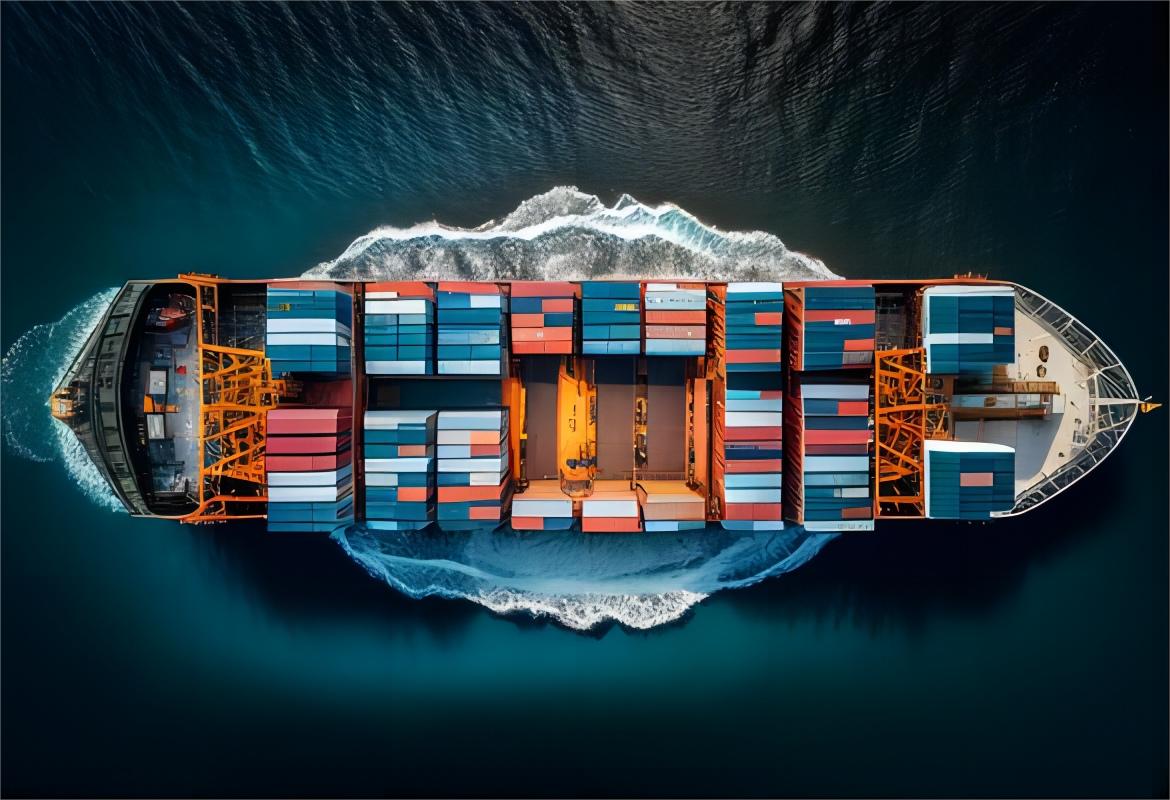
Navigating destination clearance requires seamless electronic data interchange with HMRC systems well before physical containers are discharged from the mainhaul vessel. Importers must ensure their designated customs broker submits accurate import declarations via the Customs Declaration Service, incorporating correct commodity codes, verified customs value, and applicable duty and local import taxes. Any discrepancies between the shipping manifest and the formal declaration will trigger automated customs holds, leading to demurrage charges at the port terminal and avoidable supply chain friction. The clearance lifecycle begins with pre-lodgement data validation, where safety and security declarations are verified through S&S GB frameworks prior to vessel arrival at UK ports.
Once cargo is discharged and customs entry is accepted, payment of assessed duties and taxes is processed via flexible duty deferment accounts or immediate payment methods. Following financial settlement, HMRC issues formal clearance or customs release instructions, allowing the terminal operator to release the cargo for final-mile haulage to your designated warehouse or fulfillment center. Maintaining a proactive approach to compliance documentation ensures your shipments bypass unnecessary physical inspections and move swiftly through congested gateway terminals. Partnering with licensed customs brokers who understand both Chinese export formalities and UK import regulations guarantees that tariff classifications are optimized and all statutory obligations are fully satisfied before final delivery.
Exam and storage risk on China to UK converts quickly into demurrage when broker escalation paths are undefined. Importers should pre-lodge entry data, keep HS and valuation packs audit-ready, and set response SLAs inside free time. Disbursement authority for exam fees, lifts, and yard storage must be written before the first hold notice arrives. Separate contractual freight from event-driven customs costs so landed invoices stay explainable. Confirm who owns terminal release status once destination customs or the local authority clears the entry. Align HS classification, commercial invoice values, and packing-list piece counts before the export declaration is lodged. Publish a rollover contingency path for blank sailings and feeder congestion so peak capacity awards stay auditable. See air freight for options that match this corridor.
| Clearance Phase | Key Action | Responsible Party | System / Authority |
|---|---|---|---|
| Pre-Arrival Filing | Submit Safety & Security Data | Customs Broker | S&S GB |
| Entry Processing | Lodge Import Declaration & HS Codes | Customs Broker | CDS / HMRC |
| Duty Settlement | Pay Applicable Tariffs & Taxes | Importer / Broker | Duty Deferment / HMRC |
Common mistake: Skipping ISPM-15 / mark checks before CFS intake and paying restrap fees later.
Risk alert: Destination CFS free dwell is often only 3–5 days—unclaimed LCL accrues fast.
What Makes Up Landed Cost Beyond the Mainhaul Rate on China to UK?
Lock document ownership early so broker cut-offs do not collide with terminal appointments. Track berth windows and hold an alternate sailing when blankings threaten the ETA. Exception reports must tie seal numbers, carton counts, and temperature logs to the commercial invoice so recovery paths remain enforceable. Confirm whether all-risk or named-perils coverage applies to peak-season handoffs and who pays survey fees under the service agreement. Treat claims readiness as an ops milestone, not a post-loss scramble. Validate HS codes and preferential proofs before the commercial invoice pack is sealed. Align inland pickup with CY cut-offs so detention clocks do not start unexpectedly.
Calculating true landed expenses for China to UK ocean freight requires auditing every cost layer from China factory floors to final UK warehouse door delivery. While ocean carrier spot tariffs form the baseline, accessorial charges frequently drive up total spend if they are omitted from initial quotations. China surcharges typically encompass container drayage from manufacturing hubs like Yiwu or Shenzhen to deep-water ports, export customs handling, and local documentation fees levied by terminal operators. UK charges upon arrival at major UK gateways such as Felixstowe, Southampton, or London Gateway add substantial cost elements that importers must anticipate. Confirm named owners for booking cut-offs, document packs, and free-time clocks in one shared ops brief before award.
Terminal handling charges, port security fees, and container de-hire or demurrage buffers apply directly to maritime movements. Furthermore, UK import compliance introduces statutory tax obligations, alongside potential clearance brokerage fees managed through digital filing systems like CDS to ensure legally sound cargo release. Mitigating unexpected cost overruns involves negotiating clear Incoterms with suppliers—such as FOB versus EXW—to define exactly where financial liability transfers between parties. Buyers should insist on itemized quotations that explicitly separate mainhaul ocean freight from China local fees and destination haulage. Maintaining visibility over these peripheral expenses ensures that landed cost projections remain accurate throughout the entire procurement lifecycle.
| Cost Component | Typical Assessment Base | Who Usually Pays | Planning Note |
|---|---|---|---|
| CIF / customs value | Goods value + freight + insurance (as declared) | Importer of record | Wrong valuation drives duty and local import taxes miscalculation |
| Import duty / tariff | % of customs value by HS chapter | Importer / DDP seller (by Incoterms) | Confirm HS binding before award |
| local import taxes | Duty-paid value (or local statutory base) | Importer / fiscal representative | Confirm statutory local import taxes filing basis before entry |
| Customs broker / clearance fee | Per entry or per shipment band | Importer / nominating party | Separates from freight; exams add extras |
| Exam / storage / disbursement | Event-driven (exam, demurrage, advance) | Importer / broker client account | Often outside base ocean/truck quote |
Common mistake: Confirming carrier cut-offs only after cargo is ready erodes peak-season options.
Risk alert: Transit milestone variance needs an explicit operational buffer before peak cutoffs.
How Can Importers Book and Secure FCL Ocean Freight Space from China to UK?
Forwarder selection should prioritize entities demonstrating verified BIFA or FIATA credentials alongside robust UK operational support networks. Once space is confirmed, booking amendments must be minimized to avoid carrier roll fees or administrative penalties that disrupt dispatch timelines. Digital booking platforms and EDI integrations streamline confirmation tracking, offering real-time visibility into equipment release, gate-in milestones, and master bill of lading issuance. Importers must review all draft shipping instructions carefully before the carrier’s documentation cutoff to prevent costly manifest discrepancies upon arrival at UK customs checkpoints. Establishing these rigorous operational habits ensures consistent vessel loading and predictable transit execution.
Peak-season awards on China to UK fail when equipment shortage and GRI/PSS bands are left out of the written quote. Procurement should require published trigger dates for peak surcharges, container substitution rules, and contingency sailings before cargo-ready dates lock. Blank sailings and rolled bookings need a named recovery path with alternate POL or feeder options. Finance and ops must share one brief that separates base ocean from fuel, security, and congestion add-ons. Lock exception owners early so spot premiums stay auditable instead of informal. Publish named owners for customs release, equipment return, and re-delivery milestones. Reconcile ASN, carton marks, and consignee data before gate-in stalls destination release.
Securing reliable Full Container Load allocation on the China to UK trade lane demands proactive forecasting and close collaboration with freight forwarders holding established carrier contracts. Importers should submit booking requests at least two to three weeks prior to the cargo-ready date, particularly during peak shipping seasons preceding Golden Week or the Lunar New Year. Providing exact container requirements—whether 20ft or 40ft standard or high cube units—prevents equipment shortages at origin container yards. A successful booking process requires verifying that all supplier production schedules align with carrier vessel sailing dates and documented container yard cut-offs. Itemize peak surcharges, terminal handling, and exam disbursements on the landed invoice.
Common mistake: Waiting for CY gate-in before locking inland haulage creates free-time exposure.
Risk alert: Blank sailings and roll risk require a documented contingency booking path.
What Transit Times Should Importers Expect for FCL Ocean Freight on China to UK?
Maritime transit durations for Full Container Load shipments moving from major Chinese manufacturing export hubs to United Kingdom ports typically range between 28 and 42 days, depending on routing configurations and direct service availability. Direct sailings from ports like Shanghai, Ningbo, or Yantian to primary UK deep-water terminals average around 30 to 35 days under favorable weather and schedule adherence conditions. Transshipment services routing via regional Asian hubs or Mediterranean ports will naturally add several days to the overall maritime leg. Beyond the port-to-port maritime window, total door-to-door transit times are heavily influenced by origin drayage lead times and destination customs clearance processing speeds.
Securing timely release through the UK’s CDS filing environment prevents container storage accruals at the port terminal before final haulage dispatch can occur. Importers must account for weekend container yard operating hours and trucker appointment availability when calculating delivery schedules for time-sensitive retail replenishment cycles. Contingency planning is essential for mitigating common transit delays caused by adverse weather patterns, canal congestion, or terminal labor disruptions along major global trade arteries. Maintaining buffer stock strategies based on realistic seasonal transit averages protects supply chain continuity when unexpected maritime bottlenecks occur. Forwarder-provided milestone tracking offers vital early-warning signals, enabling logistics managers to adjust downstream distribution planning proactively.
Confirm who owns terminal release status once the local authority clears the entry. Importers should pre-book drayage capacity against vessel ETA bands and confirm warehouse or FC dock windows before containers leave the gate. Dual appointments, street-turn limits, and weekend blackout rules must sit on the same ops checklist as customs release. Publish owners for chassis return, re-delivery, and detention clocks so invoice disputes stay auditable. Treat ramp-to-dock handoffs as a controllable cost driver rather than an opaque carrier accessorial. Keep contingency routing on the same ops brief as the primary sailing award.
Common mistake: Treating guide transit days as hard SLAs without buffer invites demurrage.
Risk alert: Port congestion can invalidate published ETAs — track actual vessel berth windows.
Decision Framework
By volume: Capture CBM/kg first; under ~2 CBM often fits express/air, mid volumes need LCL/FCL comparison, and oversized lots require dedicated equipment quotes.
By speed: Air freight takes 5-8 days for urgent inventory replenishment.
By cargo profile: Flag DG, temperature-control, or oversized handling before award — these change documentation and carrier acceptance. Use destination national filings only.
Real-World Corridor Case Studies
An industrial machinery exporter moved two 40HQ containers via the Chengdu–Duisburg express string. The forwarder synchronized the CIM/SMGS consignment notes 72h before origin terminal cut-off, bypassing gauge-change bottlenecks at Dostyk and ensuring immediate bonded drayage upon arrival.
A tier-1 automotive supplier booked recurring platform allocations from Xi’an to Warsaw. Winter thermal wrapping and pre-filed EU transit declarations eliminated Malaszewicze yard dwell, achieving a consistent 17-day terminal-to-door transit.
Execution Checklist for China to UK
Treat China to UK as an execution brief: confirm readiness data, validate the corridor plan, then book with written cut-offs.
Keep accessorial scope explicit before cargo moves so destination invoices stay predictable on China to UK. Keep this checklist handy when advancing a shipping from China to UK.
Process and Checkpoints
Shipment Profile Capture
Confirm cargo-ready date, CBM/weight, commodity, HS code, and Incoterms.
Mode & Service Scope Selection
Compare air / LCL / FCL (or specialty) against transit and landed-cost targets.
Documentation & Compliance Gate
Align commercial invoice, packing list, and any specialty filings before booking.
Space Booking & Cut-off Lock
Reserve carrier/co-loader space and confirm export cut-off windows in writing.
Mainhaul & Milestone Tracking
Monitor departure, arrival, and exception alerts against the awarded transit plan.
Destination Release & Delivery
Clear destination formalities and complete final-mile delivery to the agreed door.
Confirm the right route for your shipment
Optimize Your UK Supply Chain Partner with Top China Freight for reliable ocean and air logistics from China to the UK. Get a Quote
Request a route reviewFrequently Asked Questions
What core import documentation must be pre-lodged before cargo arrives in UK?
Importers in UK must submit the CDS / S&S GB, commercial invoice, packing list, and ocean B/L to HMRC before arrival to avoid terminal storage.
How is import tax and duty calculated at destination gateways in UK?
Customs assessments in UK calculate tariffs on the CIF value, supplemented by local local import taxes. Tariff lines must strictly reflect verified 6-to-10 digit HS classifications.
What China customs export inspection steps apply before ocean containers gate in?
Exporters should align commercial invoice, HS codes, and packing list with physical cargo before customs release; mismatches trigger holds and re-inspection fees. Reconcile packing-list piece counts with the commercial invoice pack early.
When should buyers switch from CFS LCL to a dedicated FCL buy-out?
Around 15 CBM and above, an FCL buy-out often beats shared CFS unit costs—especially with non-stackable freight. Pre-alert destination release so terminal dwell does not erode free time.
How does the 1:167 volumetric ratio affect LCL freight invoices?
Carriers bill the greater of actual weight or volumetric weight using about 167 kg per CBM. Light cartons often pay on volume. Lock empty-return windows before detention accrues after gate-out.
Which export documentation must align before origin customs release and port gate-in?
Commercial invoice, packing list, HS codes, and Incoterms should match the physical load before the origin export declaration and port gate-in. Validate HS codes and preferential proofs inside the invoice pack before tender.
Rates, transit times, and accessorials change with capacity, fuel, and peak-season surcharges. Treat figures as planning ranges — confirm a live quote before booking.
This guide is operational education, not legal, customs, or insurance advice. Validate filings and coverage with licensed partners for your shipment.