

Shipping from China to Canada Freight Forwarder: 2026 Guide
Navigating the complexities of international logistics requires a reliable shipping from china to Canada freight forwarder to ensure your cargo arrives safely and on time. As we move through 2026, the global supply chain continues to evolve, making it essential for businesses to partner with experts who understand the nuances of North American trade routes. Whether you are importing bulk commodities or time-sensitive electronics, selecting the right freight partner can significantly reduce your overhead costs and improve delivery reliability. This comprehensive guide provides everything you need to know about optimizing your logistics from mainland China to the Canadian market.
Why Choose a Professional Shipping from China to Canada Freight Forwarder?
Managing international shipments involves more than just moving boxes from point A to point B. Specifically, a professional freight forwarder acts as your strategic partner, handling complex documentation, carrier negotiations, and local regulations. Consequently, businesses that utilize expert services often see a marked decrease in shipping delays and unexpected port fees.
Furthermore, the logistical landscape in 2026 demands real-time tracking and advanced risk management. Professional forwarders provide these technological advantages, allowing you to monitor your supply chain with precision. Meanwhile, they leverage established relationships with major carriers to secure competitive rates that are typically unavailable to individual shippers.
Additionally, a dedicated forwarder understands the specific requirements of the Canada Border Services Agency (CBSA). This expertise is crucial for avoiding costly penalties and ensuring that your goods pass through customs without unnecessary inspections. Without a doubt, the peace of mind provided by professional oversight is invaluable for growing enterprises.
What are the Primary Shipping Methods to Canada?
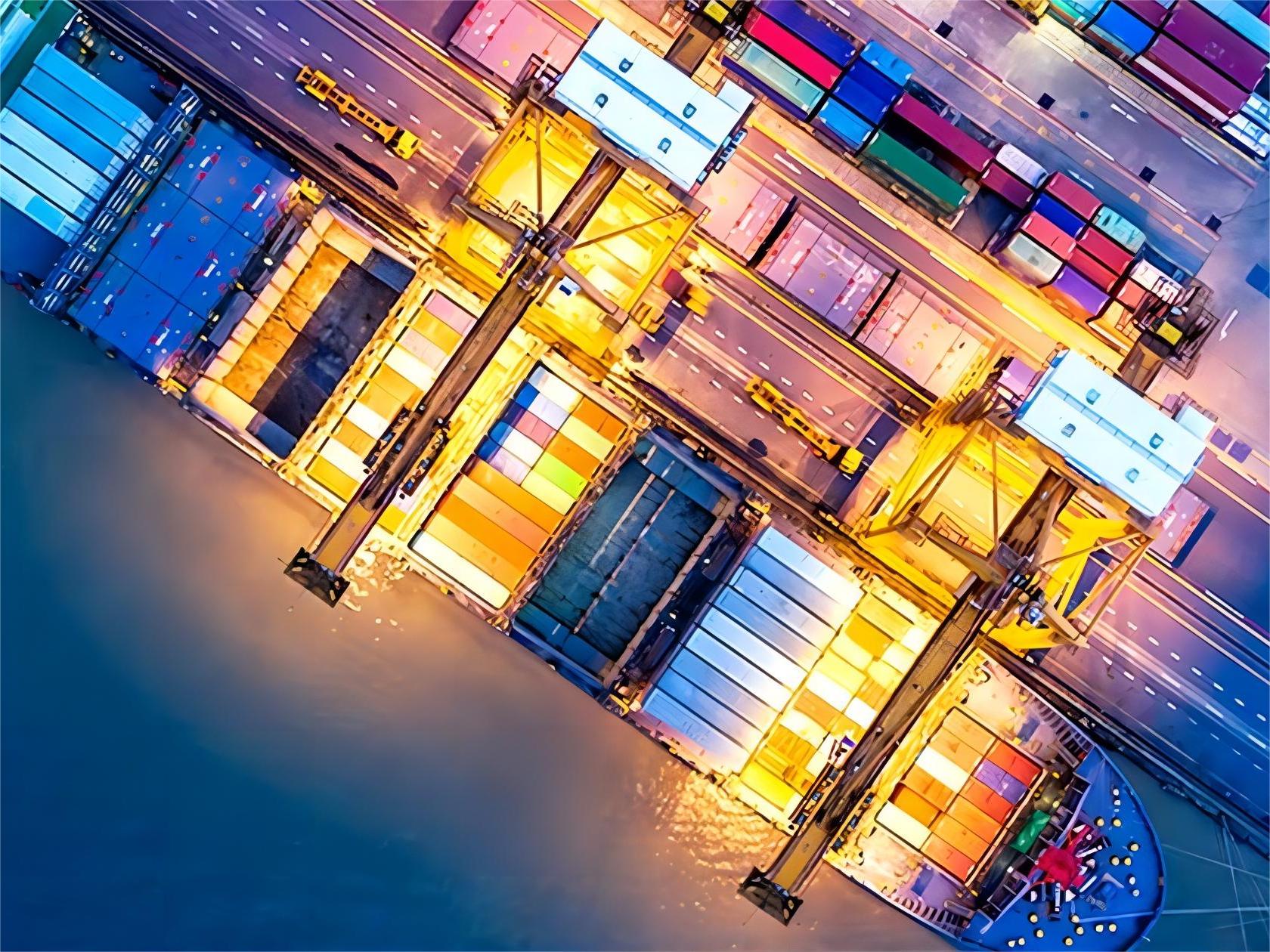
Selecting the right transportation mode depends on your budget, cargo volume, and required delivery speed. For large-scale shipments where cost is the primary concern, sea freight remains the most popular choice among Canadian importers. It offers the lowest cost per unit for high-volume goods like furniture, machinery, and construction materials.
On the other hand, air freight is the ideal solution for high-value or perishable items that need to reach destinations like Toronto or Vancouver quickly. While the price is higher, the significantly shorter transit time can help businesses maintain lower inventory levels and respond faster to market demands. Moreover, air transport provides enhanced security for sensitive electronics.
For smaller parcels or urgent samples, using an express service is often the most efficient route. These door-to-door solutions simplify the process by handling both the international transit and the final mile delivery within Canada. Indeed, express shipping is frequently used by e-commerce sellers who need to restock quickly.
How Does Sea Freight Compare to Other Shipping Options?
Understanding the trade-offs between different logistics methods is vital for your bottom line. Sea freight is generally categorized into Full Container Load (FCL) and Less than Container Load (LCL). If you have enough cargo to fill a 20ft or 40ft container, FCL provides the best security and price stability. Conversely, LCL allows you to share container space with other shippers, which is cost-effective for smaller volumes.
However, air freight costs are calculated based on either actual weight or volumetric weight, whichever is greater. This means that lightweight but bulky items can be surprisingly expensive to fly. In contrast, sea freight rates are primarily based on container size or cubic meters, making it much more forgiving for oversized cargo.
Below is a detailed comparison of the most common shipping methods used for the China-to-Canada route in 2026.
| Shipping Method | Cost Range | Transit Time | Best For | Limitations |
|---|---|---|---|---|
| Sea Freight (FCL) | $2,800 – $5,200 | 18 – 35 Days | Bulk goods, heavy items | Longer lead times |
| Sea Freight (LCL) | $80 – $150 per CBM | 25 – 40 Days | Small business stock | Higher risk of handling |
| Air Freight | $5.50 – $9.00 per kg | 3 – 7 Days | Electronics, fashion | High cost for weight |
| Express Courier | $8.00 – $15.00 per kg | 2 – 5 Days | Samples, urgent docs | Most expensive option |
Transit Times and Logistics Hubs in 2026
Shipping times from China to Canada vary significantly based on the destination port. Shipments to the West Coast, such as the Port of Vancouver or Prince Rupert, are naturally faster than those heading to the East Coast ports like Montreal or Halifax. For instance, a direct vessel from Shanghai to Vancouver typically takes about 15 to 18 days, whereas reaching Toronto via rail-intermodal can add another 5 to 7 days.
Moreover, seasonal fluctuations play a major role in scheduling. During the peak season from August to October, port congestion can extend transit times by several days. Therefore, it is wise to book your shipments at least 3-4 weeks in advance during these periods to secure space on the vessel. Additionally, winter weather in Canada can occasionally impact inland trucking and rail schedules.
The following table outlines the typical transit times for major routes as of early 2026.
| Origin Port | Destination Port | Service Type | Est. Transit Time |
|---|---|---|---|
| Shenzhen | Vancouver | Sea Freight | 16 – 20 Days |
| Shanghai | Toronto | Sea + Rail | 22 – 28 Days |
| Ningbo | Montreal | Sea Freight | 30 – 35 Days |
| Guangzhou | Calgary | Air Freight | 4 – 6 Days |
Customs Clearance and Documentation Requirements
Navigating Canadian customs is one of the most critical steps in the import process. You must ensure that all paperwork is accurate to avoid delays at the border. Utilizing a professional customs brokerage service can streamline this process, as they handle the submission of the Commercial Invoice, Packing List, and Bill of Lading on your behalf.
Furthermore, you must be aware of the specific HS Codes for your products. These codes determine the duty rates and taxes applicable to your goods. In 2026, Canada has implemented stricter environmental and safety standards for certain imports, so verifying compliance before shipping is essential. Failure to provide correct documentation can lead to the seizure of goods or heavy fines.
Indeed, having a clear checklist of required documents can save your business from significant headaches. Most delays are caused by simple clerical errors or missing certificates of origin. Working closely with your forwarder ensures that every document meets the current CBSA standards.
| Document Name | Purpose | Required By | Criticality |
|---|---|---|---|
| Commercial Invoice | Valuation of goods | Customs (CBSA) | Mandatory |
| Packing List | Detail of contents | Carrier/Customs | Mandatory |
| Bill of Lading | Contract of carriage | Carrier | Mandatory |
| Certificate of Origin | Duty preference | Customs (CBSA) | Optional/Advised |
Specialized Solutions: Door to Door and Amazon FBA
For many modern importers, a door to door service is the most convenient way to manage logistics. This service covers the entire journey from the manufacturer’s warehouse in China directly to your doorstep in Canada. Consequently, you do not have to worry about coordinating multiple carriers or handling port transfers yourself.
Similarly, if you are an e-commerce entrepreneur, amazon fba shipping solutions are tailored to meet strict warehouse requirements. These services include labeling, palletizing, and scheduling deliveries to Amazon fulfillment centers across Canada. Because Amazon has very specific rules for incoming shipments, using a specialized forwarder is often the difference between a successful restock and a rejected delivery.
Additionally, these integrated solutions often include DDP (Delivered Duty Paid) options. This means the forwarder handles all taxes and duties upfront, providing you with a single, all-inclusive price. For instance, this is particularly beneficial for small businesses that want to know their total landed cost before the goods even leave China.

Case Studies: Real-World Shipping Scenarios for 2026
To better understand how shipping works in practice, let us look at some realistic scenarios from the first half of 2026. These examples illustrate the costs, timelines, and logic behind different shipping choices. Note: Freight rates are subject to change based on fuel costs, carrier capacity, and seasonal demand. Contact us for a current quote tailored to your specific shipment.
Case Study 1: Electronics from Shenzhen to Vancouver. A Canadian tech retailer needed to import 500 units of smart home devices. They chose a 20GP container to ensure the goods were protected and not co-mingled with other cargo. The total transit time was 19 days from the factory gate to the Vancouver warehouse.
Case Study 2: Fashion Apparel from Shanghai to Toronto. An e-commerce brand required 8 CBM of seasonal clothing. They opted for LCL sea freight to save on costs while accepting a longer transit time of 32 days. By using a consolidated service, they reduced their shipping spend by 60% compared to air freight.
Case Study 1: FCL Electronics Shipment
Route: Shenzhen, China to Vancouver, Canada. Cargo: Smart Home Electronics, 28 CBM, 4,500 kg. Container: 20GP Full Container Load.
Shipping Details: Carrier: Major trans-pacific carrier. Port of Loading: Yantian (Shenzhen). Port of Discharge: Vancouver. Route Type: Direct.
Cost Breakdown: Ocean Freight: $3,100. Origin Charges: $450. Destination Charges: $600. Customs & Duties: $1,200. Total Landed Cost: $5,350.
Timeline: Booking to Loading: 4 days. Sea Transit: 15 days. Customs Clearance: 2 days. Total Door-to-Door: 21 days. Key Insight: Direct routing to the West Coast saved the client over $1,500 in inland rail fees.
Case Study 2: LCL Furniture Components
Route: Ningbo, China to Toronto, Canada. Cargo: Office Furniture Parts, 12 CBM, 3,200 kg. Container: LCL (Less than Container Load).
Shipping Details: Carrier: Consolidation service. Port of Loading: Ningbo. Port of Discharge: Vancouver (then Rail to Toronto). Route Type: Transshipment.
Cost Breakdown: Ocean Freight: $1,440 ($120/CBM). Origin Charges: $300. Destination Charges: $850. Customs & Duties: $900. Total Landed Cost: $3,490.
Timeline: Booking to Loading: 6 days. Sea Transit: 18 days. Rail Transit: 7 days. Customs Clearance: 3 days. Total Door-to-Door: 34 days. Key Insight: Using LCL was the most economical choice for this volume, as a full container would have been half-empty.
Which Option Should You Choose? Decision Framework
Determining the best shipping strategy requires balancing three main factors: budget, speed, and volume. If your primary goal is cost-saving and you have a lead time of over 40 days, sea freight is undoubtedly the best option. Specifically, for shipments over 15 CBM, you should always compare FCL rates against LCL to see if a full container is more secure and cost-effective.
If speed is your priority, especially for high-demand product launches or urgent replacements, air freight is the only viable choice. However, always calculate your profit margins carefully, as air transport can consume a significant portion of your revenue. For mid-range needs, consider sea-air hybrid solutions if available, though these are less common for the China-Canada route compared to Europe.
Cargo type also dictates your choice. Fragile or high-security items benefit from the faster handling and reduced touchpoints of air freight or FCL sea freight. Meanwhile, heavy industrial equipment or raw materials are almost exclusively shipped via ocean due to weight restrictions on aircraft. Always consult with your freight forwarder to evaluate the specific needs of your SKU list.
Summary of Shipping from China to Canada
Successfully importing goods requires a deep understanding of the shipping from China to Canada freight forwarder landscape. By choosing the right method, whether it be sea, air, or express, you can balance cost and speed to meet your business goals. In 2026, staying informed about market trends and customs regulations is more important than ever.
Remember to prepare your documentation accurately and plan for seasonal variations in the shipping calendar. A trusted logistics partner will not only move your cargo but also provide the strategic insights needed to navigate the complexities of international trade. Start optimizing your Canadian imports today by focusing on reliability and efficiency.

Need a tailored shipping solution?
Ready to streamline your supply chain with a reliable shipping from China to Canada freight forwarder? Contact Top China Freight today for a customized quote and expert logistics advice. Send Inquiry: https://Top China Freight.net/