
Shipping Cost China to Netherlands: 2026 Freight Rates Guide
Navigating the complexities of the shipping cost China to Netherlands is essential for modern businesses aiming to maintain a competitive edge in the European market. At Top China Freight, we specialize in streamlining these logistics processes to ensure your cargo arrives safely and affordably. Understanding the various factors that influence pricing allows importers to make informed decisions and protect their profit margins. This comprehensive guide explores current market trends, specific transportation methods, and strategic cost-saving measures for 2026.
How Much Does Shipping Cost China to Netherlands in 2026?
Determining the exact shipping cost China to Netherlands requires an analysis of current market volatility and carrier capacity. As of early 2026, freight rates have stabilized following the logistical shifts seen in previous years, yet they remain sensitive to fuel price fluctuations. Most businesses find that ocean freight remains the most economical choice for large volumes, while air freight serves urgent requirements despite higher premiums.
Moreover, the total landed cost involves more than just the base freight rate provided by a carrier. You must account for origin charges, destination handling fees, and insurance premiums to get a clear financial picture. Consequently, working with a transparent logistics partner is vital for avoiding unexpected expenses during the transit process.
Market data suggests that seasonal peaks, such as the period leading up to the Lunar New Year, can cause rates to spike by 20 percent or more. Therefore, planning your shipments well in advance is a proven strategy to secure lower prices. Additionally, the choice between FCL and LCL significantly impacts the unit cost of your imported goods.
What Factors Influence the Shipping Cost China to Netherlands?
Several variables dictate the final shipping cost China to Netherlands, ranging from global economic conditions to specific cargo requirements. Fuel surcharges, often referred to as Bunker Adjustment Factors, represent a significant portion of the total expense. Furthermore, the distance between the specific port of loading in China and the port of discharge in the Netherlands influences the transit time and pricing.
Container availability plays a crucial role in determining weekly rate updates. When equipment is scarce at major hubs like Shanghai or Ningbo, prices inevitably rise due to high demand. In contrast, periods of surplus equipment often lead to more aggressive pricing from major steamship lines seeking to fill their vessels.
Weight and volume are the primary metrics used to calculate freight charges across all modes of transport. For instance, air freight utilizes a volumetric weight calculation that penalizes light but bulky items. Meanwhile, sea freight focuses more on the space occupied within a standard container, making it ideal for heavy machinery or bulk commodities.
How Does Sea Freight Compare to Other Shipping Options?
When evaluating sea freight against other methods, it is clear that ocean transport offers the best value for high-volume shipments. While it is the slowest method, the cost-per-unit is significantly lower than air or rail alternatives. This makes it the standard choice for retailers and manufacturers who can manage longer lead times in their supply chains.
In addition to cost benefits, sea freight provides the capacity to move oversized or hazardous materials that might be restricted on aircraft. However, the environmental impact and the necessity for robust packaging to withstand the maritime environment are factors to consider. To summarize, sea freight is the backbone of China-Netherlands trade due to its unmatched scalability.
For shipments under 15 CBM, LCL at 50 to 90 USD per CBM may be more economical than a full container. On the other hand, a 40HQ container offers the best price-to-volume ratio for those moving over 60 CBM of goods. Industry average for this route indicates that sea freight remains the dominant mode for 2026.
| Shipping Method | Estimated Cost | Transit Time | Best For |
|---|---|---|---|
| Sea Freight (FCL 40HQ) | 3,200 – 4,500 USD | 30 – 40 Days | Bulk Goods / Max Savings |
| Air Freight (per kg) | 4.50 – 7.50 USD | 5 – 8 Days | Electronics / High Value |
| Rail Freight (per CBM) | 140 – 220 USD | 18 – 24 Days | Medium Volume / Balance |
| Express Service | 8.00 – 12.00 USD | 3 – 5 Days | Samples / Urgent Docs |
When Should You Choose Air Freight for Netherlands Imports?
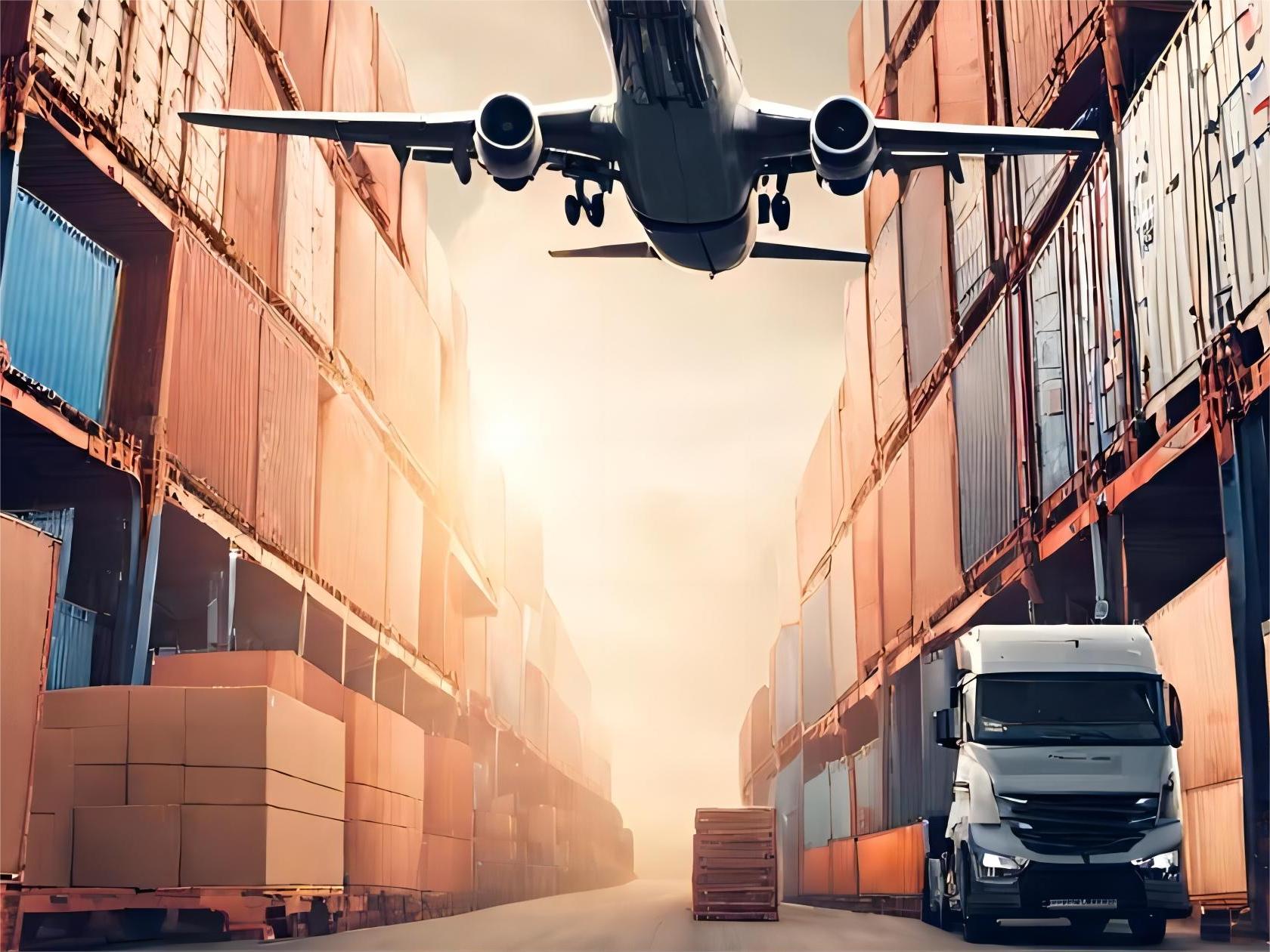
Opting for air freight is typically reserved for high-value items or time-sensitive inventory. Although the shipping cost China to Netherlands is substantially higher, the reduction in transit time can prevent costly production shutdowns. Furthermore, air transport offers enhanced security and a lower risk of damage compared to long sea voyages.
Inventory carrying costs are another factor that might justify the premium of air transport. By reducing the time goods spend in transit, companies can improve their cash flow and react faster to changing market demands in Europe. Indeed, for fashion brands or technology companies, speed often outweighs the initial freight expense.
Typical rates as of early 2026 show that air freight prices are influenced by e-commerce surges and peak shopping seasons. Consequently, it is advisable to book at least two weeks in advance during the Q4 holiday rush. Additionally, utilizing consolidated air services can help mitigate some of the high costs associated with direct flights.
Is Rail Freight a Cost-Effective Alternative for Dutch Businesses?
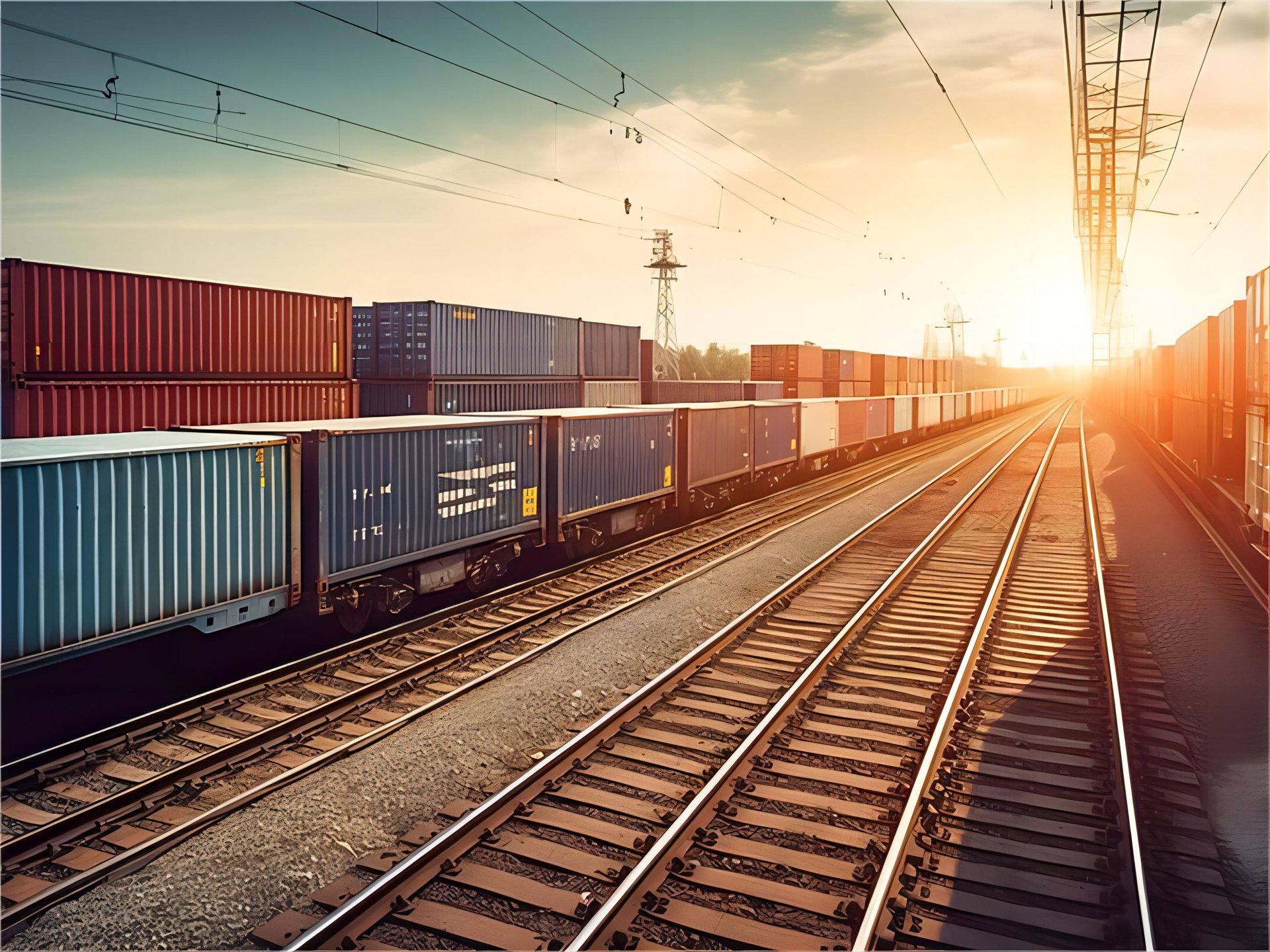
The expansion of the New Silk Road has made rail freight a viable middle ground for many importers. It offers a transit time that is roughly half that of sea freight while costing significantly less than air transport. This method has gained popularity among automotive and industrial equipment sectors that require a balance between speed and budget.
Moreover, rail transport is considered more environmentally friendly than air freight, aligning with the sustainability goals of many Dutch corporations. Therefore, it serves as an excellent alternative strategy for those looking to reduce their carbon footprint without sacrificing too much time. Nevertheless, rail routes can occasionally face congestion at border crossings, which should be factored into your schedule.
As of Q1 2026, rail freight rates have become more competitive as infrastructure improvements continue across Central Asia. For shipments that are too large for air but too urgent for sea, rail provides a reliable solution. Without a doubt, it has become a staple of the modern supply chain between China and Europe.
Which Option Should You Choose?
Budget Priority
If your primary goal is to minimize the shipping cost China to Netherlands, sea freight is the undisputed winner. This method is best suited for non-perishable goods with long shelf lives. By choosing FCL, you can further optimize your per-unit cost for maximum profitability.
Speed Priority
When time is the most critical factor, air freight or express services are the only options. These methods ensure that your products reach the Dutch market within a week. This is essential for product launches, urgent replacements, or perishable commodities.
Cargo Type Considerations
Heavy machinery and raw materials are best suited for sea freight due to weight restrictions on other modes. Conversely, small high-tech components are better served by air freight to minimize handling risks. For medium-sized shipments of industrial parts, rail freight often provides the perfect compromise.
Real Case Studies: Shipping Cost China to Netherlands Examples
Case Study 1: Large Scale Furniture Import. Route: Ningbo, China to Rotterdam, Netherlands. Cargo: Home Furniture, 65 CBM. Container: 40HQ. Shipping Details: Major carrier, Direct Route. Cost Breakdown: Ocean Freight: 3,850 USD. Origin Charges: 450 USD. Destination Charges: 600 USD. Customs and Duties: 1,200 USD. Total Landed Cost: 6,100 USD. Timeline: 38 days Door-to-Door. Key Insight: Booking 4 weeks in advance secured a rate 15 percent below the peak season average.
Case Study 2: Urgent Electronics Batch. Route: Shenzhen, China to Amsterdam, Netherlands. Cargo: Tablet Computers, 450 kg. Method: Air Freight. Shipping Details: Premium Air Service. Cost Breakdown: Air Freight: 2,475 USD. Origin Charges: 150 USD. Destination Charges: 200 USD. Customs and Duties: 850 USD. Total Landed Cost: 3,675 USD. Timeline: 6 days Door-to-Door. Key Insight: Using air freight allowed the client to meet a critical retail launch deadline despite manufacturing delays.
Case Study 3: Industrial Parts via Rail. Route: Chengdu, China to Tilburg, Netherlands. Cargo: Machine Components, 12 CBM. Method: Rail Freight (LCL). Shipping Details: Trans-Eurasia Logistics. Cost Breakdown: Rail Freight: 2,160 USD. Origin Charges: 300 USD. Destination Charges: 400 USD. Customs and Duties: 550 USD. Total Landed Cost: 3,410 USD. Timeline: 22 days Door-to-Door. Key Insight: Rail provided a 15-day time saving over sea freight at only 40 percent of the air freight cost.
How to Minimize Your Shipping Cost China to Netherlands?
Reducing your shipping cost China to Netherlands starts with optimizing your packaging to maximize container space. Every empty inch in a box or a container represents wasted money. Additionally, consolidating multiple small shipments into a single FCL shipment can lead to significant savings on documentation and handling fees.
Negotiating with multiple freight forwarders allows you to compare quotes and leverage market competition. However, price should not be the only factor; reliability and service quality are equally important for long-term success. Furthermore, choosing the right Incoterms, such as FOB instead of EXW, can give you more control over the shipping process and costs.
Implementing a Amazon FBA strategy for e-commerce sellers can also streamline the distribution process within the Netherlands. By utilizing professional logistics hubs, you can reduce individual shipping expenses and improve delivery times for local customers. In contrast, managing everything in-house often leads to higher overhead costs.
What Customs Documents Are Required for Netherlands Imports?
Navigating the legal requirements is a critical step in managing the shipping cost China to Netherlands. Accurate documentation prevents delays and avoids expensive demurrage charges at the port. Working with an experienced customs brokerage service ensures that your paperwork complies with both Chinese export laws and European Union import regulations.
The primary documents required include the Commercial Invoice, Packing List, and Bill of Lading. Additionally, a Certificate of Origin may be necessary to qualify for specific trade agreements or tariff reductions. Consequently, any errors in these documents can lead to cargo being held by Dutch Customs, resulting in unexpected storage fees.
Based on current market rates, the cost of customs clearance usually ranges from 100 to 250 USD per entry, excluding duties and taxes. Therefore, it is essential to factor these administrative costs into your overall logistics budget. Proper classification of goods using the correct HS Code is also vital for calculating the precise amount of VAT and import duties.
| Document Name | Purpose | Required By | Format |
|---|---|---|---|
| Commercial Invoice | Value Declaration | Customs / Tax | Digital / Paper |
| Packing List | Cargo Details | Port Handling | Digital / Paper |
| Bill of Lading | Title of Goods | Carrier / Bank | Original / Telex |
| EORI Number | EU ID for Trade | Dutch Customs | Registration |
Mastering Your Logistics Strategy
In conclusion, managing the shipping cost China to Netherlands requires a multi-faceted approach that considers time, budget, and cargo type. Whether you choose the economy of sea freight, the speed of air freight, or the balance of rail transport, staying informed about market trends is key. By following the strategies outlined in this guide, you can successfully navigate the complexities of international trade in 2026.
Note: Freight rates are subject to change based on fuel costs, carrier capacity, and seasonal demand. Contact us for a current quote tailored to your specific shipment.
Ready to streamline your logistics?
Optimizing your shipping cost China to Netherlands is a strategic move for any business looking to grow. Contact our expert team today for a customized quote that meets your specific timeline and budget requirements. Send Inquiry to get started on your next shipment.
Request Quote