
Shipping Cost China to Germany: 2026 Guide to Freight Rates
Shipping goods across international borders requires a comprehensive understanding of the various logistics expenses involved in the process. Businesses looking for the most competitive shipping cost China to Germany must navigate a complex landscape of global logistics providers and fluctuating market rates. By partnering with Top China Freight, you can access transparent pricing and reliable schedules tailored specifically to your cargo requirements. This guide explores the latest industry trends and provides a detailed breakdown of what to expect when importing from China in 2026.
What Factors Influence the Shipping Cost China to Germany?
Several variables determine the final price you pay for transporting goods from Chinese manufacturing hubs to German distribution centers. Fuel surcharges and carrier capacity remain the most volatile factors impacting overall freight expenses throughout the year.

Market demand fluctuates significantly during peak seasons, such as the period leading up to the Lunar New Year or the Q4 holiday rush. Consequently, importers often experience price spikes of 15-25 percent during these high-volume windows.
Customs regulations and documentation accuracy also play a critical role in preventing unexpected storage fees or penalties. Engaging a professional Customs Brokerage service ensures that your paperwork complies with both Chinese export laws and German import requirements.
Distance between the specific port of loading and the port of discharge influences the base rate for any shipment. Furthermore, the chosen mode of transport serves as the primary driver for the total landed cost of your inventory.
How Much Does Sea Freight Cost from China to Germany in 2026?
Ocean transport remains the most economical solution for large volumes of goods, despite the longer transit times involved. In early 2026, market rates for sea freight have stabilized following previous disruptions in global maritime routes.
Full Container Load (FCL) shipments offer a fixed price for the use of an entire 20ft or 40ft container. This method is ideal for businesses moving bulk inventory or oversized machinery that requires dedicated space.
Less than Container Load (LCL) pricing is calculated based on the volume of the cargo, measured in cubic meters (CBM). This approach allows smaller businesses to share container space and reduce their individual shipping cost China to Germany.
| Container Type | Average Cost (USD) | Transit Time (Days) | Capacity |
|---|---|---|---|
| 20GP Container | $1,900 – $2,600 | 30 – 35 Days | 33 CBM |
| 40GP Container | $2,900 – $3,900 | 30 – 35 Days | 67 CBM |
| 40HQ Container | $3,100 – $4,300 | 30 – 35 Days | 76 CBM |
| LCL (per CBM) | $60 – $95 | 35 – 45 Days | Variable |
Why Is Rail Freight a Popular Alternative for Germany Shipments?
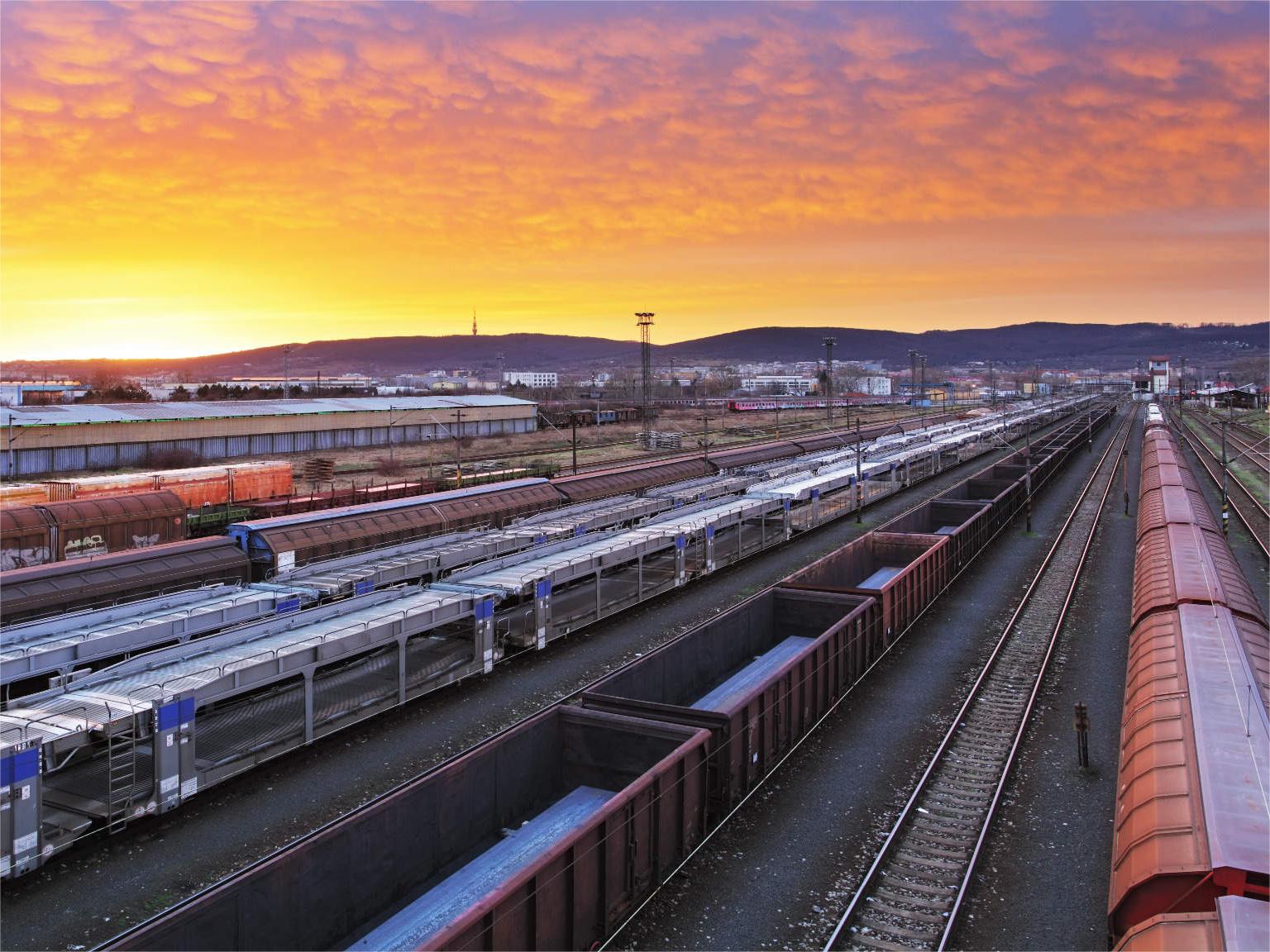
Rail transport has emerged as a powerful middle-ground solution between the speed of air and the low cost of sea. The Iron Silk Road connects major Chinese cities like Xi’an and Chengdu directly to German hubs like Duisburg and Hamburg.
Utilizing rail freight can save importers approximately 15 to 20 days compared to traditional ocean routes. Moreover, this method is less susceptible to the weather-related delays that often affect maritime shipping schedules.
Environmental considerations are also driving more companies toward rail solutions in 2026. Many German corporations prioritize rail because it produces significantly lower carbon emissions than air transport while maintaining a reliable supply chain flow.
Pricing for rail containers typically falls between sea and air rates, making it highly attractive for high-value electronics or automotive parts. Consequently, businesses can maintain leaner inventory levels without the extreme expense of overnight air delivery.
How Does Air Freight Compare to Other Shipping Options?
Speed is the primary advantage of choosing air freight for your international logistics needs. When time-sensitive contracts or urgent restocks are on the line, air transport ensures your goods arrive in Germany within days rather than weeks.
Freight rates for air cargo are calculated based on either actual weight or volumetric weight, whichever is higher. As of early 2026, air rates from China to Germany range from $4.50 to $8.00 per kilogram depending on the season.
While the cost is substantially higher, the reduction in inventory carrying costs and insurance premiums can offset the initial investment. Indeed, many luxury brands and technology firms rely almost exclusively on air transport to maintain market responsiveness.
| Shipping Method | Cost Range | Transit Time | Best For |
|---|---|---|---|
| Sea Freight | $2,000 – $4,200 per FCL | 30-40 Days | Bulk Goods / Low Budget |
| Rail Freight | $4,000 – $6,500 per FCL | 15-22 Days | Mid-value / Faster Sea |
| Air Freight | $4.50 – $8.00 per kg | 3-7 Days | High-value / Urgent |
| Express | $7.00 – $12.00 per kg | 2-5 Days | Samples / Small Parcels |
Which Option Should You Choose for Your Business?
Budget priority dictates that sea freight is the logical choice for non-urgent, high-volume shipments. If your profit margins are tight, planning your inventory cycles around a 40-day transit time will maximize your cost savings.
Speed priority necessitates air freight or express services to meet tight deadlines or launch new products. Choosing this route ensures you stay ahead of competitors who may be waiting for ocean-bound vessels.
Cargo type considerations often lead businesses toward specialized solutions like temperature-controlled containers for perishables. Additionally, rail freight offers a stable environment for sensitive electronics that might be affected by the humidity of a long sea voyage.
Volume thresholds play a major role in the decision-making process for logistics managers. For shipments under 100kg, express services are often more cost-effective than sea freight due to lower minimum handling fees.
Real Case Studies: Shipping Cost China to Germany Examples
Case Study 1: Electronics Distribution. Route: Shenzhen to Frankfurt. Cargo: 500kg of high-end tablets. Method: Air Freight. Total Cost: $3,250. Transit Time: 5 days. Key Insight: Speed allowed the client to meet a major retail launch date successfully.
Case Study 2: Furniture Retailer. Route: Ningbo to Hamburg. Cargo: 40HQ Container of wooden desks. Method: Sea Freight FCL. Total Cost: $4,100 (including destination charges). Transit Time: 34 days. Key Insight: FCL provided the lowest per-unit cost for the bulky items.
Case Study 3: Industrial Machinery. Route: Xi’an to Duisburg. Cargo: 15 CBM of precision tools. Method: Rail Freight LCL. Total Cost: $2,800. Transit Time: 19 days. Key Insight: Rail saved 15 days over sea freight while remaining 60 percent cheaper than air.
Note: Freight rates are subject to change based on fuel costs, carrier capacity, and seasonal demand. Contact us for a current quote tailored to your specific shipment.
How Can You Reduce Your Total Landed Costs?
Consolidating multiple smaller orders into a single shipment is one of the most effective ways to lower your expenses. By grouping items together, you reduce the per-unit impact of fixed documentation and handling fees.
Optimizing your packaging can also lead to significant savings, especially for air and rail freight. Reducing the external dimensions of your boxes minimizes volumetric weight charges without compromising the safety of the contents.
Choosing a Door to Door service simplifies the logistics chain and often provides better overall value. This all-inclusive approach covers everything from factory pickup in China to final delivery at your German warehouse.
Negotiating long-term contracts with freight forwarders can lock in more favorable rates during volatile market periods. Moreover, staying informed about upcoming tariff changes allows you to adjust your shipping schedule to avoid unnecessary tax burdens.
Understanding Customs and Duties in Germany
Importing goods into Germany requires compliance with the European Union’s Common Customs Tariff. You must determine the correct HS Code for your products to accurately calculate the applicable duty rates.
Value Added Tax (VAT) is another major component of the total shipping cost China to Germany. Currently, the standard VAT rate in Germany is 19 percent, which is applied to the combined value of the goods and the shipping costs.
Specifically, the EORI number is a mandatory requirement for any business engaged in importing goods into the EU. Failing to provide this identification number can lead to significant delays and additional storage costs at the port of entry.
Meanwhile, certain products may be subject to additional anti-dumping duties or environmental taxes. Working with an experienced logistics partner helps you identify these potential costs before you finalize your purchase orders.
Mastering Your Shipping Strategy for 2026
Successfully managing the shipping cost China to Germany requires a balance of strategic planning and market awareness. By understanding the differences between sea, air, and rail freight, you can choose the method that best aligns with your budget and timeline.
Ultimately, the goal is to create a resilient supply chain that can withstand market fluctuations and global disruptions. Partnering with a reliable freight forwarder ensures that your cargo arrives safely, on time, and within your projected budget.
Need a tailored shipping solution?
Are you looking to optimize your logistics and minimize your shipping cost China to Germany in 2026? Contact Top China Freight today for a customized quote and expert guidance on the best freight solutions for your business. Send Inquiry: https://Top China Freight.net/