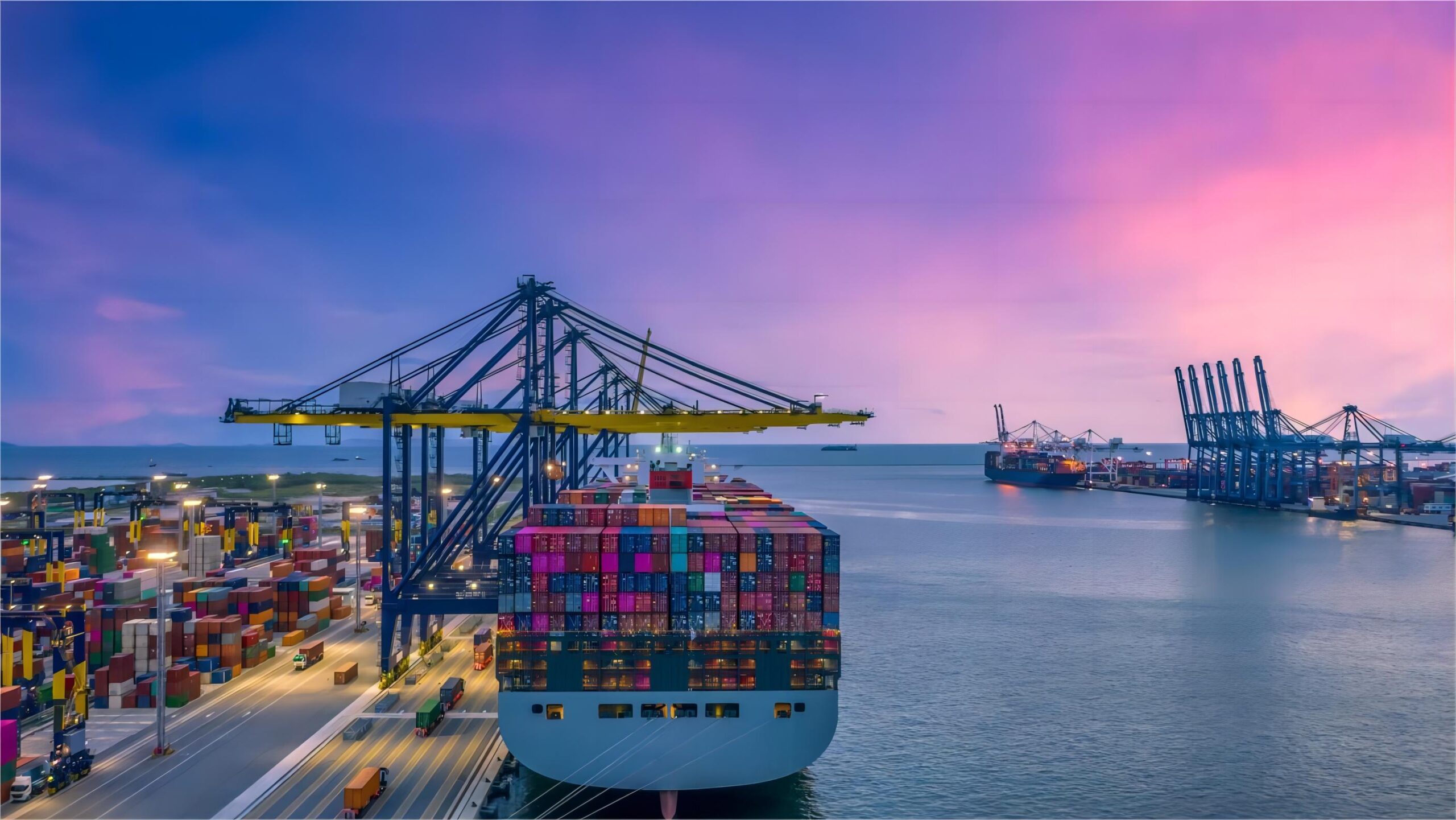
Shipping Cost China to France: 2026 Freight Rate Guide
Navigating the complexities of international trade requires a clear understanding of the shipping cost China to France to maintain a healthy bottom line. As global trade routes evolve in 2026, businesses must stay informed about fluctuating prices and logistics trends to remain competitive in the European market. Top China Freight provides the expertise and resources necessary to streamline your supply chain and optimize every shipment. This comprehensive guide will analyze the various transport modes, provide realistic pricing data, and offer strategic advice for your French imports.
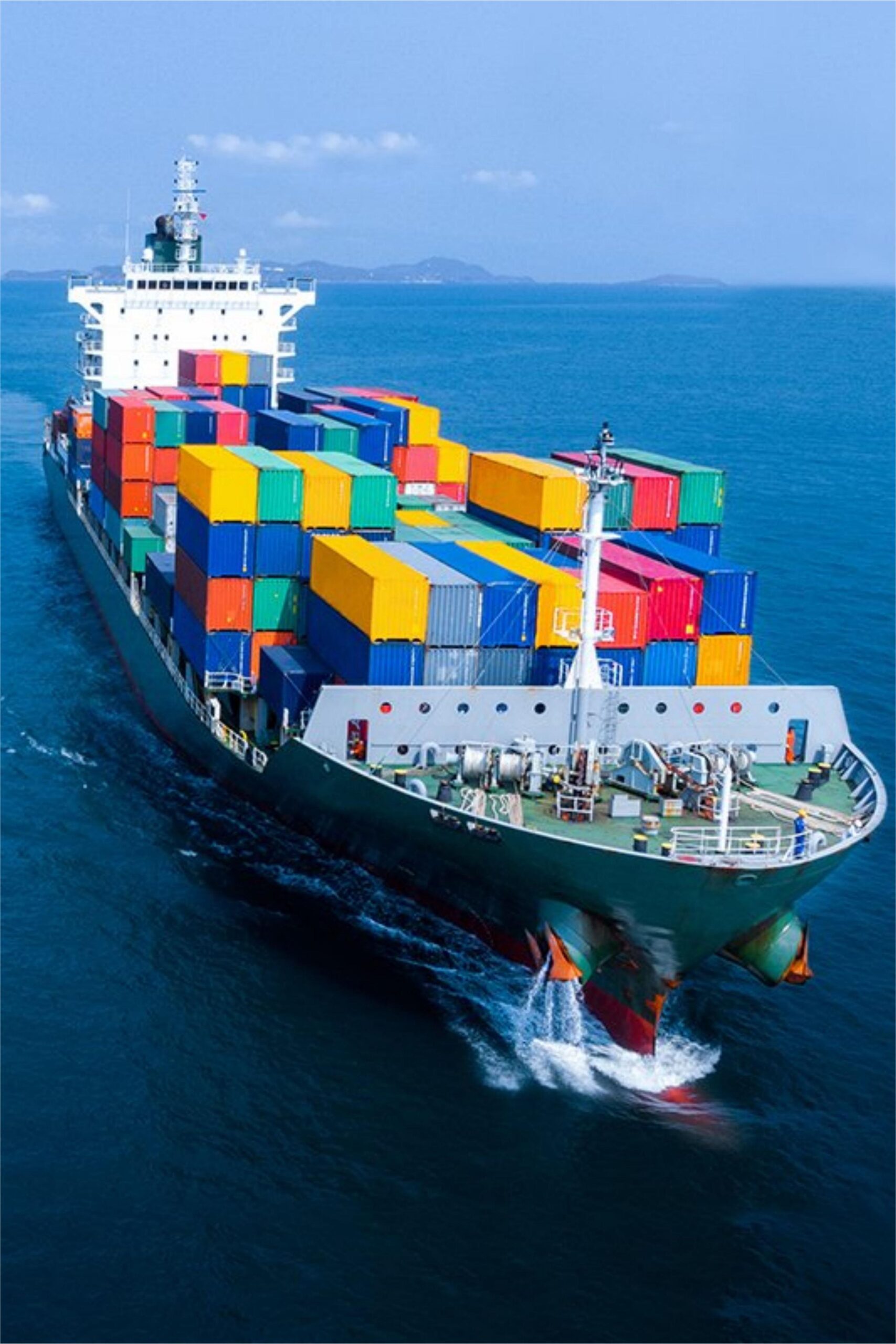
What Factors Determine the Shipping Cost China to France in 2026?
Several variables influence the final price you pay for transporting goods from Chinese manufacturing hubs to French destinations. Firstly, the choice of transport mode serves as the primary cost driver, with air freight commanding a premium over sea or rail options. Consequently, businesses must balance their need for speed against their available logistics budget.
Fuel surcharges represent another significant factor that fluctuates based on global energy market conditions in early 2026. Moreover, seasonal demand peaks, such as the period leading up to the year-end holidays, often result in higher freight rates and limited space. Indeed, understanding these cycles allows importers to plan their bookings in advance to secure better pricing.
Cargo weight and volume also play a critical role in determining the total expenditure for your shipment. For instance, heavy machinery will incur different costs compared to high-volume, low-weight consumer electronics. Additionally, the specific origin and destination cities, along with the distance from major ports, will affect the local trucking and handling fees.
How Do Sea Freight Rates Compare for FCL and LCL Shipments?
Ocean transport remains the most economical method for large-scale imports, specifically when utilizing sea freight services. Importers typically choose between Full Container Load (FCL) and Less than Container Load (LCL) based on their specific cargo volume. Therefore, choosing the right container type is essential for optimizing your shipping cost China to France.
For shipments exceeding 15 cubic meters, FCL is generally the more cost-effective choice because it provides a flat rate for the entire container. On the other hand, LCL allows smaller businesses to share container space, paying only for the volume they occupy. However, LCL shipments often involve higher handling fees at the port of discharge due to the deconsolidation process.
Typical rates in 2026 show that a 40HQ container from Shanghai to Le Havre ranges between 3,200 and 4,500 USD depending on the carrier and season. Meanwhile, LCL rates usually hover around 60 to 95 USD per cubic meter. Without a doubt, sea freight offers the best value for non-urgent, high-volume goods.
| Container Type | Capacity (CBM) | Est. Cost (USD) | Transit Time |
|---|---|---|---|
| 20GP Container | 28-30 CBM | 1,900 – 2,600 | 30-35 Days |
| 40GP Container | 56-58 CBM | 2,900 – 3,800 | 30-35 Days |
| 40HQ Container | 68-70 CBM | 3,200 – 4,500 | 30-35 Days |
| LCL (per CBM) | Variable | 60 – 95 | 35-42 Days |
Is Air Freight the Best Option for Your High-Value Cargo?
When time is the most critical factor, air freight stands out as the fastest way to move goods from China to France. This method is particularly suitable for high-value items, perishables, or urgent stock replenishments. Although the costs are significantly higher than sea freight, the reduced transit time can help businesses maintain a faster inventory turnover.
Air cargo prices are calculated based on either actual weight or volumetric weight, whichever is greater. As a result, lightweight but bulky items can be surprisingly expensive to ship by air. Furthermore, the 2026 market shows that air rates from major hubs like Shenzhen or Guangzhou to Paris CDG range from 4.50 to 8.00 USD per kilogram.
Choosing express services can further accelerate the process, offering door-to-door delivery within a few business days. Nevertheless, for shipments over 300 kilograms, standard air freight usually provides a better balance between speed and expenditure. Indeed, many tech companies rely on this mode to launch new products across the French market quickly.
How Does Rail Freight Compare to Other Shipping Options?
The New Silk Road has made rail freight an increasingly popular middle-ground solution for China-Europe trade. It offers a faster transit time than sea freight while remaining significantly cheaper than air transport. Consequently, many businesses use rail to maintain a consistent supply chain without the high costs of air cargo.
Rail shipments from Xi’an or Chengdu to terminals in France or neighboring Germany usually take between 15 and 22 days. This reliability makes it an excellent choice for automotive parts, industrial machinery, and consumer goods. Additionally, rail transport is considered more environmentally friendly than air freight, which appeals to sustainability-conscious brands.
In terms of cost, rail freight for a full container in 2026 typically falls between 5,500 and 7,500 USD. While this is higher than sea freight, the time savings can justify the expense for many importers. To summarize, rail provides a strategic alternative that balances cost-efficiency with logistical speed.
| Shipping Method | Cost Range | Transit Time | Best For | Limitations |
|---|---|---|---|---|
| Sea Freight | Low ($2k-$4k) | 30-45 Days | Bulk Goods | Slow Speed |
| Air Freight | High ($5-$9/kg) | 3-7 Days | High Value | Expensive |
| Rail Freight | Mid ($5k-$7k) | 15-22 Days | Stable Supply | Fixed Routes |
| Express | Very High | 2-5 Days | Small Parcels | Size Limits |
Case Study 1: Electronics from Shenzhen to Paris
Case Study 1: Fast-Track Electronics Delivery. Route: Shenzhen, China to Paris, France. Cargo: High-end tablets, 2 CBM, 450 kg. Shipping Method: Air Freight. Shipping Details: Carrier: Major airline; Port of Loading: Shenzhen (SZX); Port of Discharge: Paris (CDG); Route Type: Direct.
Cost Breakdown: Air Freight: 2,475 USD; Origin Charges: 150 USD; Destination Charges: 200 USD; Customs and Duties: 1,200 USD; Total Landed Cost: 4,025 USD. Timeline: Booking to Loading: 2 days; Air Transit: 1 day; Customs Clearance: 1 day; Total Door-to-Door: 5 days. Key Insight: Choosing air freight allowed the client to meet a product launch deadline despite manufacturing delays.
Case Study 2: Furniture from Ningbo to Marseille
Case Study 2: Bulk Furniture Import. Route: Ningbo, China to Marseille, France. Cargo: Wooden home furniture, 68 CBM. Container: 40HQ. Shipping Details: Carrier: COSCO; Port of Loading: Ningbo; Port of Discharge: Marseille; Route Type: Direct.
Cost Breakdown: Ocean Freight: 3,850 USD; Origin Charges: 300 USD; Destination Charges: 450 USD; Customs and Duties: 2,100 USD; Total Landed Cost: 6,700 USD. Timeline: Booking to Loading: 5 days; Sea Transit: 32 days; Customs Clearance: 3 days; Total Door-to-Door: 45 days. Key Insight: Utilizing FCL sea freight minimized the per-unit shipping cost, making the retail price competitive in France.
What Are the Customs and Documentation Requirements for France?
Navigating French customs is a vital part of managing your total shipping cost China to France. Every import must be accompanied by the correct paperwork to avoid costly delays and storage fees at the port. Therefore, partnering with a professional customs brokerage is highly recommended for first-time and experienced importers alike.
Required documents typically include the Commercial Invoice, Packing List, and the Bill of Lading or Air Waybill. Furthermore, you must provide a Certificate of Origin if you are claiming any specific tariff preferences. It is also important to note that France applies a Value Added Tax (VAT) on most imported goods, which must be calculated into your landed cost.
Specific products, such as electronics or chemicals, may require additional certifications like CE marking to comply with European Union safety standards. Consequently, failing to prepare these documents in advance can lead to shipment seizures or heavy fines. Always verify the latest regulations with your freight forwarder before the cargo leaves China.
Which Shipping Option Should You Choose for Your Business?
Selecting the ideal method depends on your specific priorities regarding budget, speed, and cargo type. If your primary goal is budget priority, we recommend sea freight, as it offers the lowest cost per unit for large volumes. Conversely, if speed priority is your main concern, air freight or express services are the only viable options to meet tight deadlines.
For cargo type considerations, heavy and bulky items are best suited for sea or rail freight to avoid the exorbitant weight-based fees of air transport. For small shipments under 100kg, express services often provide the most convenience. Additionally, if you require a seamless experience, door to door shipping can handle the entire journey from the factory in China to your warehouse in France.
Hybrid solutions, such as sea-air combinations via Dubai, can also be explored to find a balance between cost and speed. However, these are less common for the China-France route compared to the direct rail option. Ultimately, the best strategy involves analyzing your inventory needs and choosing the mode that maximizes your profit margins while meeting customer expectations.
Final Thoughts on Managing Shipping Costs
Successfully managing the shipping cost China to France requires a proactive approach and a deep understanding of the global logistics landscape. By comparing sea, air, and rail options, businesses can make informed decisions that align with their operational goals and budget constraints.
Remember that freight rates are subject to change based on fuel costs, carrier capacity, and seasonal demand. Therefore, always request a current quote tailored to your specific shipment needs to ensure accuracy in your financial planning. With the right logistics partner, importing from China to France can be a streamlined and profitable venture.
Start Your Shipment
Maximize your logistics efficiency and minimize your shipping cost China to France by partnering with industry experts. Contact us today to receive a personalized freight quote and discover how our tailored solutions can support your business growth in 2026. Send Inquiry:
Request Quote