

Shipping Cost China to Australia: 2026 Freight Rate Guide
Navigating the complexities of international trade requires a clear understanding of the current logistics landscape. As we move through 2026, businesses must account for fluctuating fuel prices and evolving trade policies when calculating the total shipping cost China to Australia. At Top China Freight, we specialize in simplifying these processes by providing transparent pricing and reliable service. This guide offers a comprehensive breakdown of freight options to help you optimize your supply chain efficiency and reduce unnecessary expenses.

What Factors Determine the Shipping Cost China to Australia in 2026?
Several variables influence the final price you pay for transporting goods across the ocean. Fuel surcharges remain a significant component, often adjusted monthly by carriers to reflect global oil market trends. Consequently, shippers must stay updated on these fluctuations to avoid budget overruns.
Seasonality plays a major role in pricing strategies for Australian importers. During peak periods like the lead-up to the Lunar New Year or the Australian Christmas season, demand for space on vessels spikes. Therefore, booking several weeks in advance is essential to secure competitive rates.
Port charges and local handling fees at both origin and destination also impact the bottom line. For instance, congestion at major hubs like Shanghai or Sydney can lead to unexpected storage costs or demurrage fees. Understanding these local nuances helps in creating a more accurate financial forecast for your logistics operations.
How Does Sea Freight Compare to Other Shipping Options?
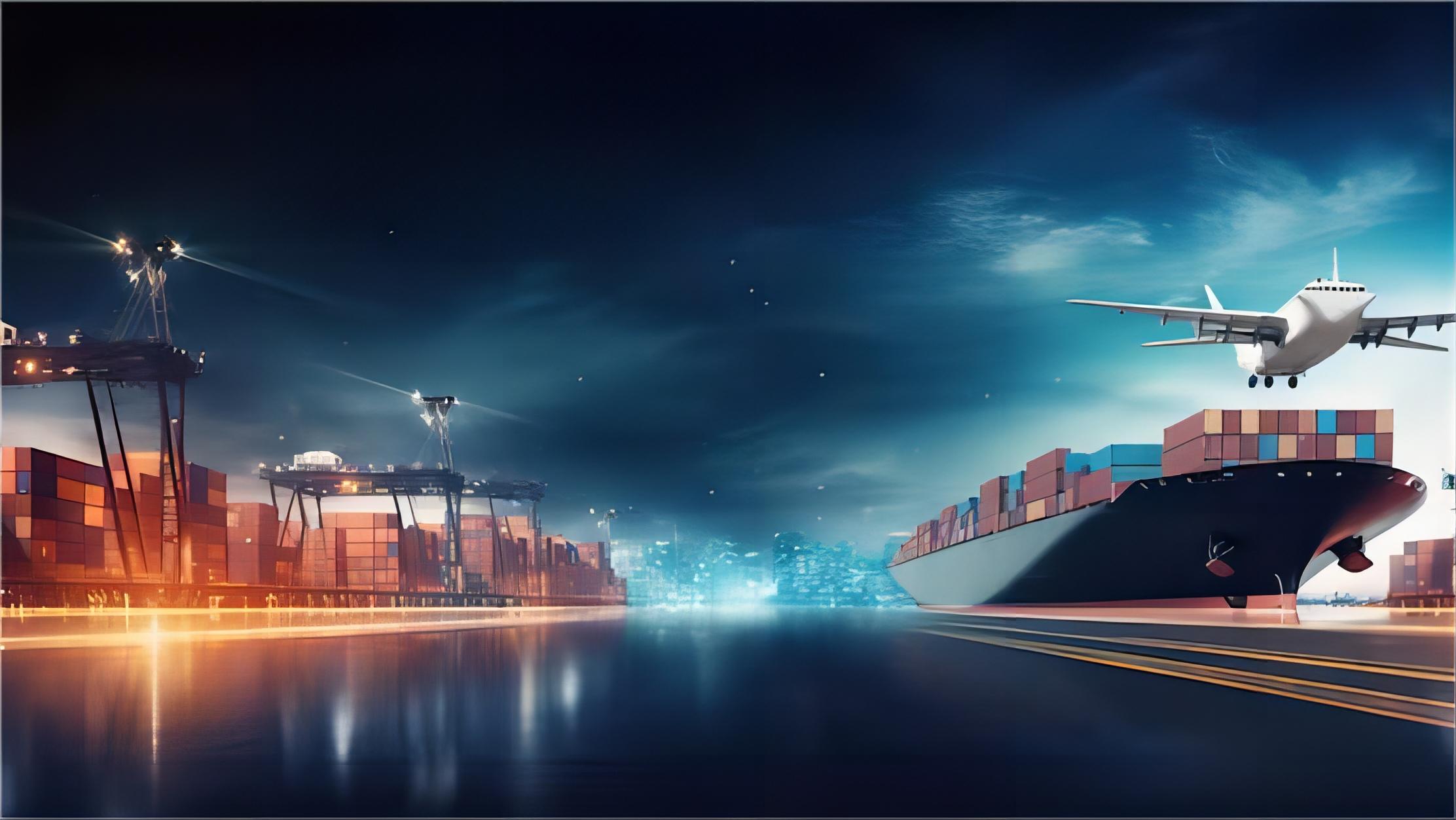
Choosing the right transport mode is the most critical decision for managing your shipping cost China to Australia effectively. While sea freight offers the lowest price per unit for large volumes, it requires careful planning due to longer transit times. In contrast, air freight provides speed at a premium price point.
Furthermore, businesses must evaluate the trade-off between speed and cost based on their inventory turnover. If you are shipping high-value electronics, the faster turnaround of air transport might justify the higher expense. However, for bulky items like furniture, ocean transport is almost always the more economical choice.
| Shipping Method | Cost Range | Transit Time | Best For |
|---|---|---|---|
| Sea Freight (FCL) | $800 – $2,000 | 12-25 Days | Large bulk shipments |
| Sea Freight (LCL) | $50 – $120/CBM | 15-30 Days | Small volume cargo |
| Air Freight | $4.50 – $8.00/kg | 3-7 Days | Urgent or high-value |
| Express Service | $7.00 – $12.00/kg | 2-5 Days | Samples and small parcels |
Understanding FCL and LCL Sea Freight Costs
Full Container Load (FCL) shipping is typically the most cost-effective method for shipments exceeding 15 cubic meters. By renting an entire 20ft or 40ft container, you gain better control over the handling and security of your goods. Additionally, FCL shipments often move faster as they do not require consolidation at the port.
Less than Container Load (LCL) serves as a flexible alternative for smaller batches of inventory. In this scenario, your cargo shares space with other shippers, and you only pay for the volume you occupy. Nevertheless, keep in mind that LCL involves extra handling fees and potential delays during the consolidation and deconsolidation phases.
Standard Container Pricing Estimates for 2026
Current market data suggests that a 20GP container from Shenzhen to Sydney averages between $900 and $1,300. Meanwhile, a 40HQ container on the same route might range from $1,500 to $2,100 depending on the carrier and service level. These rates are subject to change based on fuel costs and seasonal demand.
The Role of Air Freight in Modern Supply Chains
When time is of the essence, air freight becomes an indispensable tool for Australian businesses. This method significantly reduces the lead time from factory to warehouse, allowing for faster response to market trends. Consequently, many fashion and technology retailers rely on air transport to maintain their competitive edge.
Calculation of air freight costs is based on either actual weight or volumetric weight, whichever is higher. For example, light but bulky items like pillows may be charged based on the space they occupy rather than their mass. To minimize expenses, ensure your packaging is as compact as possible without compromising product safety.
Which Option Should You Choose for Your Business?
Deciding on the best logistics strategy depends on your specific priorities regarding budget and urgency. If your primary goal is to minimize the shipping cost China to Australia, sea transport is the clear winner. On the other hand, if you need to restock a popular item quickly, air cargo is the better investment.
Hybrid solutions can also provide a balance between the two extremes. For instance, you might ship 20 percent of an order via air to meet immediate demand while the remaining 80 percent follows by sea. This approach ensures product availability while keeping the average landed cost manageable.
Navigating Customs and Import Duties in Australia
Importing goods into Australia requires strict adherence to the Department of Home Affairs regulations. Utilizing a professional customs brokerage service can prevent costly delays and ensure all paperwork is filed correctly. Specifically, you must be aware of the Goods and Services Tax (GST) and any applicable customs duties.
Furthermore, Australia has specific quarantine requirements for certain materials, such as wood or organic products. Failure to comply with these biosecurity measures can lead to expensive fumigation fees or even the destruction of your cargo. Always verify the specific requirements for your product category before the ship leaves the Chinese port.

Maximizing Efficiency with Door to Door Services
Many modern importers prefer the convenience of door to door shipping. This comprehensive service covers every step of the journey, from the supplier’s warehouse in China to your final destination in Australia. As a result, you spend less time managing multiple logistics providers and more time growing your business.
Choosing this all-inclusive model often provides better visibility into the total landed cost of your products. Since the forwarder handles everything from pickup to final delivery, they can offer a single, unified quote. This transparency is particularly beneficial for small to medium-sized enterprises that lack a dedicated logistics department.
Real-World Case Studies for Shipping from China to Australia
Reviewing actual shipping scenarios provides valuable insight into what you can expect for your own cargo. These examples reflect typical market conditions and pricing for the 2025-2026 period. Please note that individual rates vary based on specific cargo requirements and market fluctuations.
Case Study 1: Electronics Shipment to Sydney
+———————————————————+ | Route: Shenzhen, China to Sydney, Australia | | Cargo: Consumer Electronics, 12 CBM, 2,500 kg | | Container: LCL (Less than Container Load) | | | | Shipping Details: | | – Carrier: Major Ocean Carrier | | – Port of Loading: Shenzhen | | – Port of Discharge: Sydney | | – Route Type: Direct | | | | Cost Breakdown: | | – Ocean Freight: $1,140 ($95 per CBM) | | – Origin Charges: $250 | | – Destination Charges: $380 | | – Customs and Duties: $1,200 | | – Total Landed Cost: $2,970 | | | | Timeline: | | – Booking to Loading: 4 days | | – Sea Transit: 14 days | | – Customs Clearance: 2 days | | – Total Door-to-Door: 20 days | | | | Key Insight: Direct shipping saved 5 days compared to | | transshipment options, ensuring stock arrived for sale. | +———————————————————+
Case Study 2: Furniture Import to Melbourne
+———————————————————+ | Route: Ningbo, China to Melbourne, Australia | | Cargo: Home Furniture, 28 CBM, 4,200 kg | | Container: 20GP (Full Container Load) | | | | Shipping Details: | | – Carrier: COSCO | | – Port of Loading: Ningbo | | – Port of Discharge: Melbourne | | – Route Type: Direct | | | | Cost Breakdown: | | – Ocean Freight: $1,050 | | – Origin Charges: $320 | | – Destination Charges: $450 | | – Customs and Duties: $950 | | – Total Landed Cost: $2,770 | | | | Timeline: | | – Booking to Loading: 5 days | | – Sea Transit: 18 days | | – Customs Clearance: 3 days | | – Total Door-to-Door: 26 days | | | | Key Insight: Using FCL instead of LCL for this volume | | reduced the per-unit cost by nearly 30 percent. | +———————————————————+
Final Thoughts on Optimizing Your Australia Bound Freight
To summarize, successfully managing the shipping cost China to Australia requires a combination of strategic planning and market awareness. By choosing the right transport mode and working with experienced partners, you can significantly reduce your overhead. Furthermore, staying informed about customs regulations and seasonal trends will help you avoid unexpected delays.
Indeed, the logistics landscape in 2026 offers many opportunities for businesses that are willing to optimize their shipping routes. Whether you prefer the speed of air freight or the volume of sea transport, the key is consistency and reliability. We encourage you to use this guide as a foundation for your future importing success.
Need a tailored shipping solution?
Managing your shipping cost China to Australia doesn’t have to be a stressful experience. Our team of experts is ready to provide you with a customized quote that fits your budget and timeline requirements. Contact us today to streamline your logistics and take advantage of our competitive 2026 freight rates. Visit our inquiry page to get started: Send Inquiry