
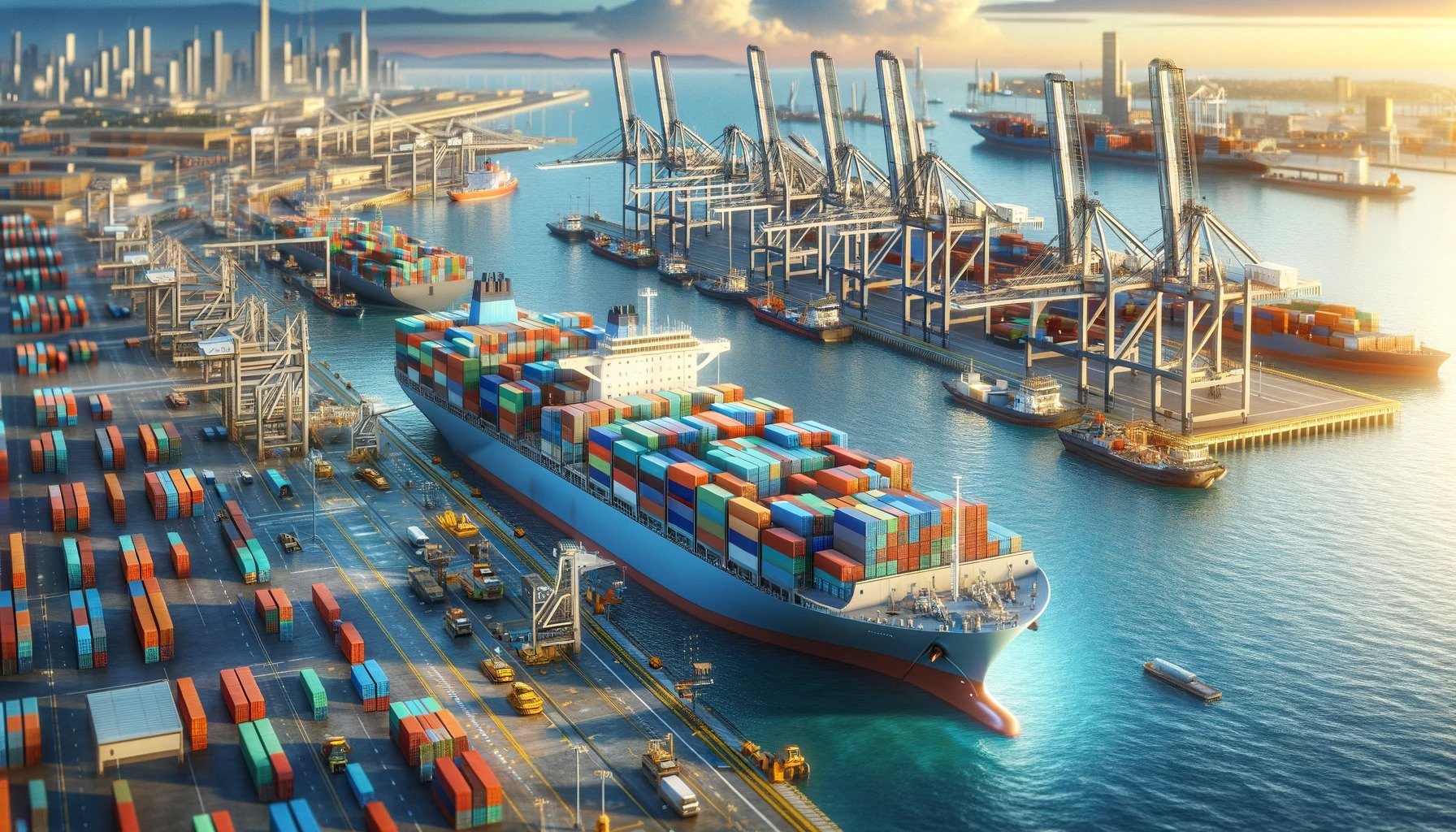
Sea Freight China to USA Cost: 2026 Shipping Rates and Guide
Understanding the sea freight china to USA cost is vital for businesses managing international supply chains in 2026. As global trade dynamics shift, staying informed about current market rates and logistics trends ensures your cargo moves efficiently and affordably. Top China Freight offers expert guidance and competitive pricing to help you navigate the complexities of transpacific shipping routes.

What Factors Influence Sea Freight China to USA Cost in 2026?
Several variables dictate the final price you pay for ocean transport across the Pacific. Market demand fluctuates based on seasonal peaks, such as the lead-up to the winter holidays or the post-Lunar New Year surge. Furthermore, fuel prices and bunker adjustment factors remain significant components of the overall sea freight china to USA cost.
Port congestion and labor availability at major gateways like Los Angeles or Savannah also play a critical role. Consequently, shippers must account for potential surcharges that carriers apply during periods of high infrastructure strain. Additionally, the choice between different service levels and transit speeds will directly impact your total expenditure.
Currency fluctuations and geopolitical stability can influence international trade costs unexpectedly. Therefore, maintaining a flexible logistics strategy allows businesses to adapt to these shifts without compromising their profit margins. Moreover, the specific nature of your cargo handling requirements may incur specialized equipment fees.
The Role of Seasonality in Pricing
Shipping rates typically follow a predictable annual cycle with notable price hikes during the third quarter. Specifically, the August to October window often sees a 15-25% increase in rates due to peak season demand. In contrast, early spring usually offers more competitive pricing as manufacturing output stabilizes after the holidays.
FCL vs LCL: Choosing the Most Economical Shipping Method
Selecting the right container load type is a primary step in managing your sea freight budget. Full Container Load (FCL) is generally more cost-effective for larger volumes that can fill a 20ft or 40ft unit. However, Less than Container Load (LCL) provides a flexible alternative for smaller shipments that do not require an entire container.
LCL shipments involve sharing space with other importers, which means you only pay for the cubic volume your goods occupy. Nevertheless, this method often involves higher handling fees per unit and longer transit times due to the consolidation process. Meanwhile, FCL offers better security and faster throughput since the container remains sealed from origin to destination.
Deciding between these options requires a careful analysis of your inventory needs and delivery schedule. For instance, if you are moving more than 15 cubic meters, switching to FCL often results in lower total costs. Conversely, LCL remains the superior choice for startup businesses or low-volume trial shipments.
| Feature | FCL (Full Container) | LCL (Shared Space) | Best For |
|---|---|---|---|
| Cost Basis | Flat rate per container | Rate per cubic meter | Volume dependent |
| Transit Time | Faster (Direct) | Slower (Consolidation) | Urgency level |
| Security | High (Sealed unit) | Moderate (Handled more) | Fragile goods |
| Volume Threshold | Over 15 CBM | Under 15 CBM | Efficiency |
How Does Sea Freight Compare to Other Shipping Options?
While ocean transport is the backbone of global trade, it is not the only way to move goods from China. Comparing sea freight to air freight reveals a significant trade-off between cost and speed. For example, air transport can deliver goods in days but costs significantly more than the slow-moving ocean alternative.
Market data suggests that ocean freight remains the most budget-friendly option for heavy or bulky items. On the other hand, air freight is essential for high-value electronics or time-sensitive fashion items. Additionally, hybrid solutions like sea-air combinations are gaining popularity for those seeking a balance between the two extremes.
Understanding these differences helps you align your logistics choices with your business objectives. Specifically, businesses prioritizing cost savings will almost always choose the sea route. However, those facing stockouts or tight deadlines may find the premium price of air transport justifiable.
| Method | Cost Range | Transit Time | Best For |
|---|---|---|---|
| Sea Freight | $2,500 – $5,500 | 15 – 40 Days | Bulk / Heavy Goods |
| Air Freight | $5.00 – $12.00/kg | 3 – 7 Days | Urgent / High Value |
| Express | $8.00 – $15.00/kg | 2 – 5 Days | Samples / Small Parcels |
| Sea-Air Hybrid | $3.50 – $6.00/kg | 12 – 18 Days | Mid-range urgency |
Regional Pricing: West Coast vs East Coast Routes
The destination port in the USA significantly impacts the total sea freight china to USA cost. Shipping to West Coast ports like Los Angeles or Long Beach is typically cheaper and faster due to the shorter distance across the Pacific. In contrast, East Coast destinations like New York or Savannah require longer transit times and often incur higher canal fees.
Carriers often offer different rate structures based on the specific port of discharge and inland delivery requirements. Consequently, some shippers choose to land cargo on the West Coast and use rail transport to move it inland. This intermodal strategy can sometimes save time, though it requires precise coordination with local logistics providers.
According to industry benchmarks, the price gap between West Coast and East Coast routes can range from $1,000 to $2,000 per container. Therefore, analyzing the final delivery point of your goods is crucial for optimizing your landed costs. Moreover, port-specific labor conditions can cause temporary price spikes in certain regions.
Transit Time Estimates for 2026
Typical sea transit from China to the US West Coast currently averages 14 to 18 days. For East Coast routes, you should expect 30 to 35 days depending on whether the vessel transits the Panama or Suez Canal. Indeed, these timelines are subject to change based on weather conditions and port productivity levels.
Hidden Costs and Additional Fees to Consider
The base ocean freight rate is only one part of the total sea freight china to USA cost. Importers must also budget for customs brokerage services to ensure compliance with US regulations. Furthermore, fees such as the Automated Manifest System (AMS) and Importer Security Filing (ISF) are mandatory for all US-bound sea shipments.
Destination charges, including terminal handling and documentation fees, can add hundreds of dollars to your final bill. Additionally, if your cargo remains at the port beyond the allowed free time, you will face demurrage and detention penalties. These costs can escalate quickly, making efficient cargo clearance a top priority for every importer.
Customs duties and taxes are calculated based on the Harmonized System (HS) code of your products. Specifically, some goods may be subject to additional tariffs or anti-dumping duties depending on current trade policies. As a result, performing a thorough cost analysis before shipping is essential to avoid unexpected financial burdens.
Real-World Case Studies: Shipping to the USA in 2026
Case Study 1: Shenzhen to Los Angeles. A tech company shipped a 40HQ container of consumer electronics in Q1 2026. The ocean freight cost was $3,100, with origin and destination charges adding another $850. The total door-to-door transit time was 22 days, including customs clearance and final trucking.
Case Study 2: Ningbo to New York. A furniture retailer imported 12 CBM of wooden desks via LCL service. The rate was $85 per CBM, totaling $1,020 for the ocean portion. With customs duties and delivery to the warehouse, the total landed cost reached $2,450 over a 38-day period.
Case Study 3: Shanghai to Chicago (Intermodal). An automotive parts supplier utilized a 20GP container for a direct route to the West Coast followed by rail to the Midwest. The sea freight was $2,400, and the rail portion cost $1,200. This strategy saved the client 10 days compared to an all-water route to the East Coast.
Key Insights from 2026 Shipments
These examples illustrate that the sea freight china to USA cost varies significantly based on logistics strategy. For instance, using intermodal transport can be a viable way to balance speed and expense for inland destinations. Moreover, early booking during the 2026 peak season helped many shippers lock in rates 15% lower than spot market prices.

Strategies to Reduce Your Sea Freight China to USA Cost
One of the most effective ways to lower expenses is to optimize your packaging to maximize container utilization. Furthermore, consolidating multiple small orders into a single FCL shipment can drastically reduce the per-unit shipping cost. Additionally, choosing door to door services can simplify your billing and help avoid hidden third-party markups.
Negotiating long-term contracts with freight forwarders can provide price stability in a volatile market. However, shippers should also keep an eye on the spot market to take advantage of temporary rate dips. Specifically, shipping during ‘off-peak’ weeks can lead to substantial savings for non-urgent inventory replenishment.
Utilizing advanced tracking and management software allows you to identify bottlenecks in your supply chain. Consequently, reducing delays in documentation or cargo pickup helps you avoid costly port storage fees. To summarize, a proactive approach to logistics management is the best defense against rising shipping costs.
Decision Framework: Which Option Should You Choose?
Determining the best shipping method depends on your specific business priorities and cargo characteristics. If your primary goal is budget conservation and you have a long lead time, standard sea freight is the clear winner. On the other hand, if you are fulfilling orders for Amazon FBA and need to avoid stockouts, a faster service may be necessary.
Consider the value-to-weight ratio of your products when making your decision. High-value, lightweight items often benefit from air transport, while heavy, low-margin goods require the economy of scale provided by ocean containers. Furthermore, always factor in the cost of capital tied up in inventory during long sea transits.
Market data suggests that hybrid solutions are becoming the go-to for many mid-sized enterprises in 2026. These options offer a middle ground that satisfies both the accounting department and the sales team. Without a doubt, consulting with a professional freight forwarder will help you select the most efficient path for your unique needs.
| Priority | Recommended Method | Key Benefit | Trade-off |
|---|---|---|---|
| Lowest Cost | Sea Freight (FCL) | Economy of scale | Longest transit |
| Maximum Speed | Air Freight | Fastest delivery | Highest price |
| Small Volume | Sea Freight (LCL) | Pay only for space | Higher handling |
| E-commerce | Express / FBA Direct | Reliable delivery | Strict requirements |
Mastering Your 2026 Shipping Strategy
Managing the sea freight china to USA cost requires a blend of market intelligence, strategic planning, and reliable partnerships. By understanding the differences between FCL and LCL, and monitoring regional price variations, you can significantly impact your bottom line. Furthermore, staying alert to hidden fees and seasonal trends ensures that your logistics operations remain competitive in the global marketplace.
As we move through 2026, the ability to adapt to changing freight rates and transit conditions will define successful importers. Whether you choose the speed of air or the economy of the ocean, the goal remains the same: efficient delivery at the best possible price. Trusting experienced professionals to handle your cargo is the most effective way to navigate these challenges and achieve long-term growth.

Need a tailored shipping solution?
Ready to optimize your supply chain and reduce your sea freight china to USA cost? Contact our team today for a customized quote tailored to your business needs. Visit our inquiry page to get started: See: https://Top China Freight.net/contact-us/