
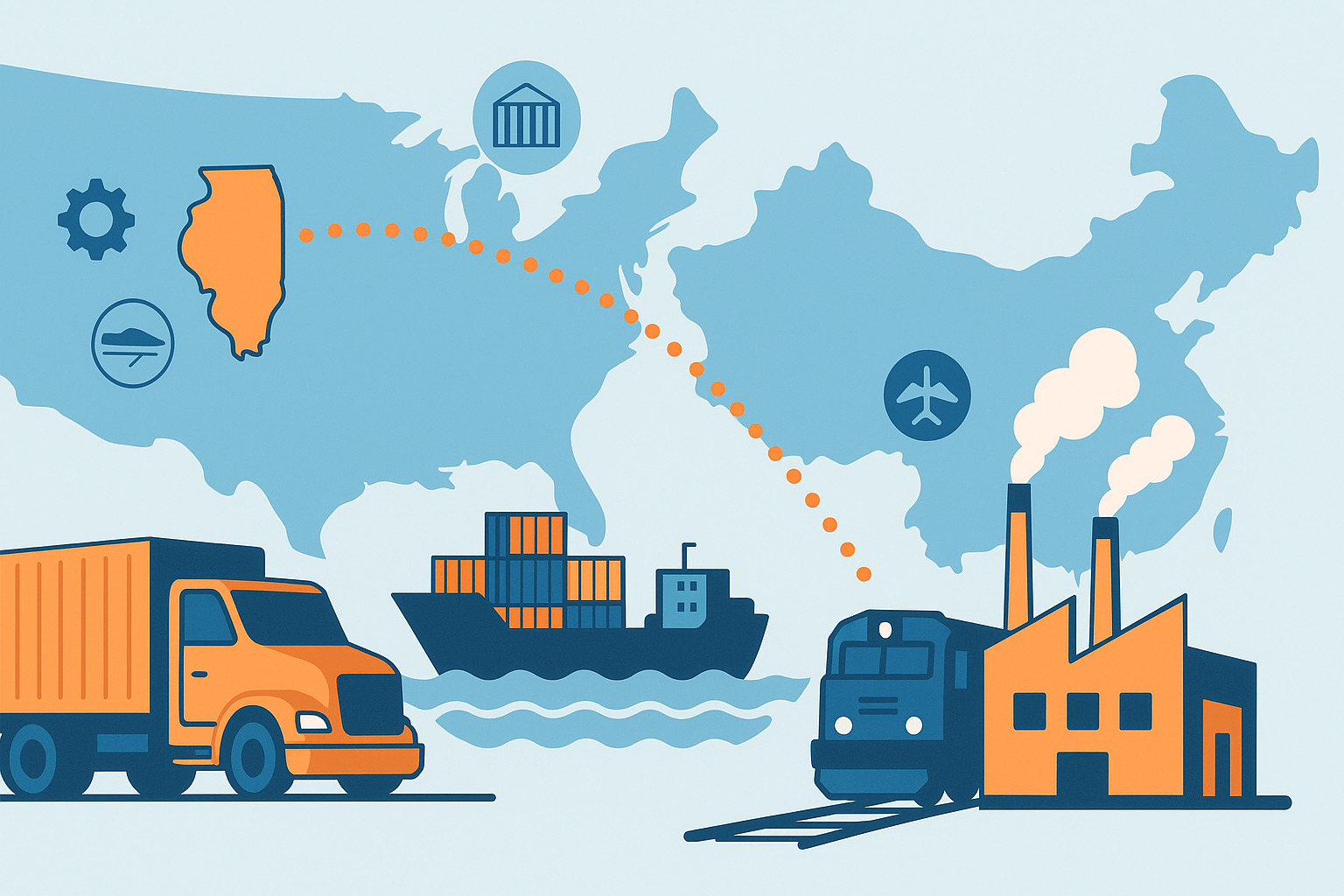
Although importers often struggle to coordinate China FCL factory pickup to Illinois, the process becomes far smoother once factory readiness, carrier scheduling, and inland delivery planning align. Therefore, this guide explains practical steps you can apply immediately while offering planning tools available through Top China Freight to support more reliable end-to-end logistics.
What Makes China FCL Factory Pickup to Illinois a Complex but Controllable Process?
Because each supplier operates differently—whether in Shenzhen, Ningbo, or Tianjin—the factory pickup stage influences the entire China-to-Illinois shipping timeline. Moreover, early coordination of truck arrival, container availability, and loading requirements prevents unnecessary delays. Once the container leaves the factory sealed, the export process typically becomes more predictable. Additionally, most shippers follow standardized export workflows to maintain customs compliance and protect equipment integrity.
Key Elements Affecting Pickup Efficiency
- Supplier cargo readiness and pallet preparation
- Booking confirmation with the carrier before truck arrival
- Container equipment availability (40GP/40HQ)
- Cut-off times at origin ports and CY gates
- Compliance documents shared in advance
Because the first step determines the pace of the entire route, importers benefit from preparing these items early.
How Does FCL Shipping From China Connect to Illinois Distribution Networks?
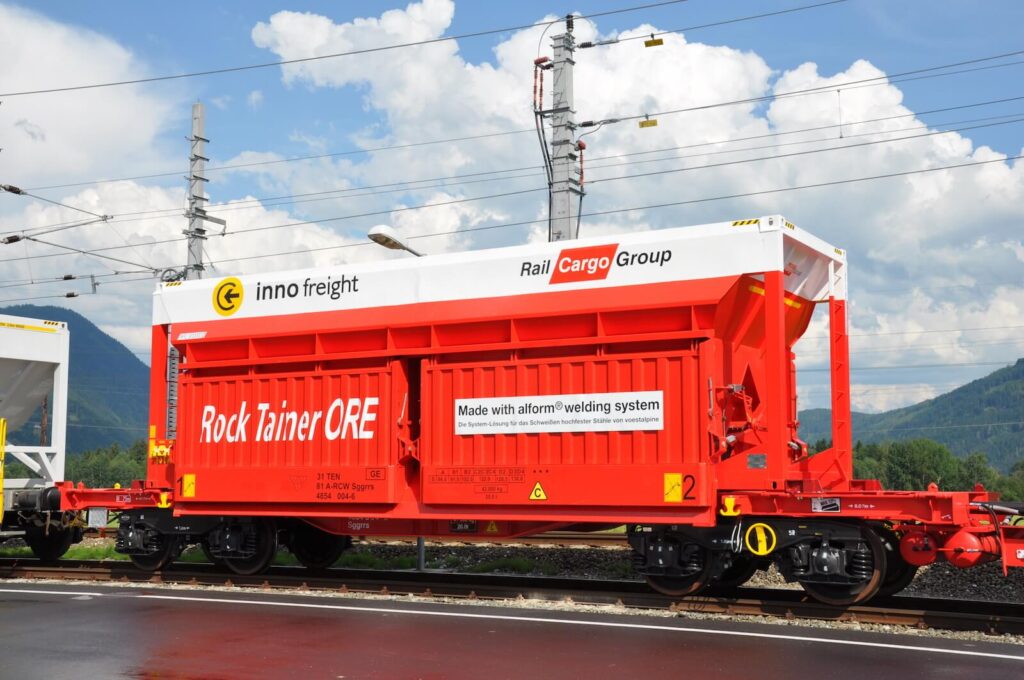
Although Illinois is inland, its logistics infrastructure makes deliveries highly efficient. FCL containers discharged in Los Angeles, Long Beach, Seattle, or Vancouver often transfer onto rail networks for quick transport to Chicago. Consequently, the China–Illinois corridor remains one of the most reliable inland distribution channels in North America.
Common Paths to Illinois
| Route Option | Estimated Transit | Strengths | Considerations |
|---|---|---|---|
| China → West Coast → Rail to Chicago | 22–28 days | Fastest for Midwest importers | Rail slot availability |
| China → East Coast → Truck to Illinois | 32–40 days | Stable schedules | Higher final-mile cost |
| China → Gulf Coast → Truck/Rail | 30–38 days | Good during peak season | Less frequent sailings |
Because each route serves different timing and cost priorities, importers choose based on urgency and equipment availability.
Why Factory Pickup Coordination Influences Total Lead Time to Illinois
Even though ocean transit consumes most of the timeline, delays usually begin at the factory. Therefore, clear communication with suppliers significantly improves the speed of China FCL factory pickup to Illinois. When suppliers finalize packaging, labeling, and documentation early, carriers secure better sailing options. Moreover, accurate cargo dimensions reduce last-minute loading issues, enabling seamless entry into the nearest port.
Supplier Readiness Checklist
- Export carton labeling aligned with import requirements
- Loading sequence confirmed with warehouse teams
- Weight distribution balanced for 40GP/40HQ containers
- Pre-loading photos prepared for customs and insurance
- ISF documentation shared before cutoff time
Because importers who manage readiness well enjoy fewer disruptions, this step remains essential.
What Costs Should Importers Expect for China FCL Factory Pickup to Illinois?
Although freight rates fluctuate weekly, understanding cost structure helps importers budget effectively. Base freight typically covers the ocean segment, while additional costs arise from pickup distance, loading requirements, and inland transport from the U.S. port to Illinois. However, predictable pricing emerges when importers work with stable schedules and plan volumes 2–4 weeks ahead.
Typical Cost Components
- China trucking and container pickup fee
- Origin THC and export documentation
- Ocean freight from China to West Coast/East Coast
- Rail delivery to Chicago or Joliet terminals
- U.S. customs clearance and duty payments
- Drayage and final-mile delivery to Illinois warehouses
Because each charge reflects real operational constraints, transparent communication ensures smoother financial planning.
How Customs and Documentation Influence Illinois Delivery Timelines
Although U.S. customs systems operate efficiently, incomplete paperwork can halt containers for days. Therefore, importers follow strict ISF timelines and confirm HS codes, packing lists, and invoices before container loading. Moreover, Illinois-bound shipments often rely on rail, making accurate scheduling essential for a smooth customs release.
Essential Customs Documents
| Document | Purpose | Impact on Process |
|---|---|---|
| Commercial Invoice | Identifies shipment value | Smooth duty calculation |
| Packing List | Confirms cargo structure | Faster inspection |
| Bill of Lading | Proof of shipment | Required for release |
| ISF Filing | Mandatory 24-hour rule | Avoids severe penalties |
| Arrival Notice | Confirms discharge & fees | Supports timely pickup |
Because documentation consistency protects the supply chain, import teams benefit from standardized workflows.

Case Studies
Shenzhen → Chicago | Consumer Electronics
Cargo Type: boxed electronics
Container: 40HQ FCL
Volume & Weight: 68 CBM / 12,200 kg
Route: Shenzhen → Long Beach → Rail to Chicago
Transit Time: 25 days
Total Freight Cost: USD 5,300
Summary
A Midwest retailer required a fast restock cycle. Therefore, the importer arranged early factory pickup and used a carrier with strong rail integration. Consequently, the goods reached Chicago within 25 days, allowing the retailer to maintain its sales commitments.
Ningbo → Illinois | Industrial Equipment
Cargo Type: large industrial components
Container: 40GP FCL
Volume & Weight: 52 CBM / 10,600 kg
Route: Ningbo → Seattle → Rail to Illinois
Transit Time: 29 days
Total Freight Cost: USD 5,900
Summary
Because the shipment involved heavy machinery, the importer selected a West Coast discharge point with reliable inland rail service. After a smooth factory pickup in China, the container moved efficiently to Illinois, enabling a just-in-time installation schedule for the client.
Why Importers Choose Top China Freight for China–Illinois FCL Shipments
Although many logistics providers offer standard FCL shipping, few combine reliable factory pickup coordination, multimodal expertise, and transparent communication. Consequently, importers often select Top China Freight for its integrated solutions, including origin pickup, FCL/LCL guidance through FCL & LCL services, and customs support via the dedicated customs brokerage team. Moreover, data-driven route planning helps maintain predictable lead times for Illinois warehousing networks.
How Can Supply Chain Optimization Shorten Delivery from China to Illinois?
Although transportation routes are fixed, supply chain optimization still reduces delays and stabilizes arrival times. Therefore, importers create synchronized timelines between China suppliers, carriers, and Illinois distribution centers. Moreover, predictive planning tools help teams anticipate congestion at West Coast ports and allocate rail slots earlier. As lead times fluctuate during peak seasons, proactive adjustment ensures that FCL containers move smoothly through every checkpoint.
Practical Optimization Tactics
- Consolidate multiple factory pickups to avoid repeated delays
- Share booking forecasts with suppliers two weeks ahead
- Choose carriers with strong West Coast–Chicago rail integration
- Track rail ETA updates to protect Illinois warehouse scheduling
- Use ASNs to prepare unloading teams in advance
Because these actions reinforce reliability, they are widely used by import managers who require consistency.
Conclusion
To summarize, mastering China FCL factory pickup to Illinois requires precise coordination from supplier readiness to U.S. inland delivery. Moreover, multimodal routing, documentation accuracy, and risk-control planning ensure stable lead times across the China–Illinois corridor. As your import volumes grow, partnering with a reliable logistics team helps maintain consistency and cost efficiency. Contact our specialists to explore optimized routing options for your shipments.
Request A Free Quote
Need a reliable logistics partner? Share your shipment details and we’ll provide a tailored quotation quickly and accurately.
FAQ:
How are FCL pickup charges calculated in China?
Charges depend on factory distance, container type, handling complexity, and port choice. Planning early usually reduces unexpected fees.
What causes delays before a container leaves China?
Incomplete documents, missed cutoff times, or late cargo readiness may extend lead time. Coordinated communication avoids these issues.
Which ports provide the fastest inland service to Illinois?
Long Beach, Los Angeles, Seattle, and Vancouver offer the most consistent rail links to Chicago terminals.
How can I improve visibility for my shipment?
Use platforms offering real-time GPS data, rail ETA updates, and automated alerts to maintain control.
What risks should I prepare for in multimodal routing?
Rail slot limits, port congestion, or weather disruptions may affect timelines. Backup routes improve reliability.