
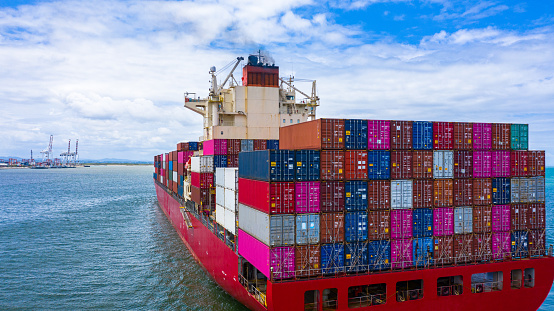
- By rudy
- November 25, 2025
- Air Freight, Freight knowledge, Rail Fregiht, Sea Freight
Although reefer FCL transit time for auto parts from China to California is often influenced by routing, weather, and port congestion, importers still expect predictable cold-chain performance. Therefore, this guide offers practical timelines, cost insights, and compliance steps so your technical cargo stays protected and arrives on schedule.

Why Reefer FCL Transit Time for Auto Parts Matters Most
Even though most importers focus heavily on freight rates, reefer FCL transit time for auto parts from China to California impacts far more than simple delivery speed. Moreover, timeline reliability affects customs planning, inland trucking appointments, and temperature-sensitive protection for coatings, lubricants, and electronic components. Additionally, predictable transit time allows supply chain teams to maintain accurate delivery schedules and avoid unnecessary storage fees.
What Influences Reefer FCL Transit Time from China to California?
Reefer FCL transit time depends on a mix of operational and environmental factors. Furthermore, vessel scheduling variations between carriers can shift container arrival windows by several days. However, understanding the primary variables gives importers better control over planning.
Shipping Route Variations
Although the standard path runs from Shanghai or Ningbo to Long Beach or Oakland, carriers may reroute vessels to avoid congestion, which slightly extends transit time.
Port Congestion & Weather
Because California ports face recurring seasonal pressure, reefer containers sometimes wait longer for berthing. Additionally, storms in the Pacific can delay vessel movement.
Customs & Inspection Requirements
Auto parts often contain coated, electronic, or lubricated materials, which may trigger extra customs checks. Nevertheless, complete documentation dramatically reduces inspection delays.
How Long Is the Average Reefer FCL Transit Time?
Reefer FCL transit time for auto parts from China to California generally ranges between 16–25 days, depending on origin port, vessel service, and destination terminal. Additionally, peak season may add 2–4 days.
Average Reefer FCL Transit Time (China → California)
| Port of Origin | California Port | Transit Time (Days) |
|---|---|---|
| Shanghai | Long Beach | 16–20 |
| Ningbo | Los Angeles | 17–22 |
| Qingdao | Oakland | 20–25 |
| Shenzhen | Long Beach | 18–23 |
| Xiamen | Los Angeles | 19–24 |
How Do Reefer FCL Shipping Costs Affect Transit Planning?
Although transit time and freight rates are separate variables, they influence each other during peak seasons. Moreover, reefer containers require power plugs, priority positioning, and temperature monitoring, which slightly increases handling time at both ports. Nevertheless, accurate forecasting helps importers optimize transportation budgets.
Typical Reefer Cost Components
- Cooling unit energy consumption
- Pre-trip inspection
- Terminal reefer plug-in fees
- Monitoring fees
- Inland haulage for temperature-controlled loads
These factors are especially relevant when shipping high-value auto parts requiring stable temperatures.
What Documents Are Needed for Reefer FCL Auto Parts Shipments?

Even though reefer cargo requires specific temperature instructions, auto parts require precise classification, which affects customs clearance. Therefore, early document preparation prevents unnecessary slowdowns.
Required Documents Checklist
| Document Type | Purpose | Notes |
|---|---|---|
| Commercial Invoice | Declares value | Must match HS code description |
| Packing List | Confirms shipment detail | Include temperature instructions |
| HS Codes | Classification | Ensure accuracy for coated or electronic parts |
| Material Safety Sheets | Required for lubricated parts | Needed for customs review |
| Arrival Notice | Coordinates pickup | Issued before container release |
How Can Importers Reduce Reefer FCL Transit Time?
Although transit time cannot be fully controlled, several effective steps consistently reduce the risk of delays. Moreover, these strategies strengthen long-term supply chain resilience.
Optimize Carrier Selection
Choosing carriers offering weekly direct sailings to California improves predictability.
Pre-Clear Customs
Because reefer auto parts cargo is time-sensitive, submitting documentation before vessel arrival avoids inspection delays.
Use Inland Delivery Reservations
Securing drayage and warehouse appointments in advance prevents port storage fees and reefer plug-in surcharges.
How Top China Freight Supports Reefer FCL Shipments
Top China Freight delivers end-to-end reefer FCL services for auto parts moving from China to California. Moreover, our team coordinates vessel selection, temperature instructions, customs documentation, and inland trucking with stability and accuracy. Additionally, we help importers reduce delays and maintain predictable supply chain performance.
What Is the End-to-End Timeline for a Reefer FCL Shipment?
End-to-End Reefer Shipping Timeline
| Step | Estimated Duration | Notes |
|---|---|---|
| Booking Confirmation | 1–2 Days | Reserve reefer unit |
| Factory Loading | 1 Day | Verify temperature settings |
| Port Handling | 2–3 Days | Includes pre-trip inspection |
| Sea Transit | 16–25 Days | Based on route |
| Customs Clearance | 1–3 Days | Faster with pre-clearance |
| Final Delivery | 1–2 Days | Inland trucking appointment needed |
Conclusion
Reefer FCL transit time for auto parts from China to California directly impacts supply chain reliability, customs coordination, and cold-chain consistency. Therefore, importers must monitor routing, documentation, and port conditions to maintain predictable delivery schedules. For optimized reefer FCL timelines and technical cargo protection, you can request tailored support from our team.
Request A Free Quote
Need a reliable logistics partner? Share your shipment details and we’ll provide a tailored quotation quickly and accurately.
FAQ:
How are reefer FCL transit times calculated?
They’re based on route, vessel speed, port congestion, and customs requirements. Direct sailings shorten timelines.
Do auto parts need special reefer temperature settings?
Some coated, electronic, or adhesive-based parts require stable temperatures. Your supplier provides exact ranges.
Can transit time change during peak season?
Yes, peak months add several days due to congestion and vessel rollover risks.
What if customs requests extra inspections?
Accurate HS codes and safety documents reduce inspection chances and speed clearance.
How do I avoid reefer plug-in fees at the terminal?
安排快速提货并尽早预订短途运输,以减少货物在码头的停留时间。