
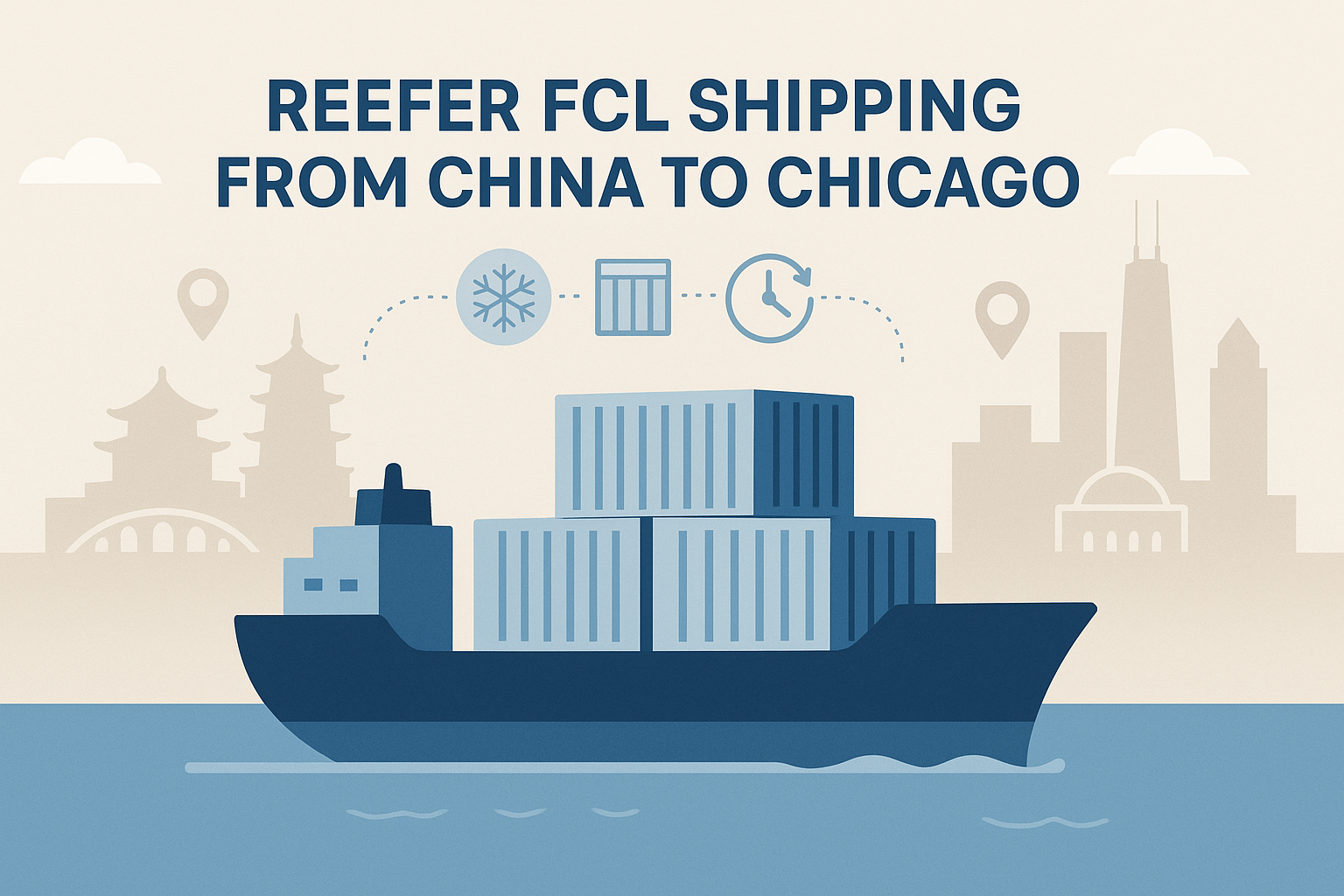
Although reefer FCL shipping from China to Chicago looks complex, you can secure temperature-controlled reliability when the right process, timing, and carrier choices are in place. Moreover, with guidance from cold-chain experts and access to stable capacity, shippers avoid delays and protect cargo shelf life. As you begin planning through our homepage, this guide offers a clear, operational approach that solves the common pain points for importers moving refrigerated cargo into Chicago.
What Makes Reefer FCL Shipping from China to Chicago Different?
Reefer FCL shipping from China to Chicago requires strict temperature control, continuous power supply, and consistent reefer monitoring. Additionally, refrigerated containers depend on specialized handling standards from CY origin to POD delivery, which means shippers must plan booking time, shipping time, and cold-chain storage capacity in advance.
Furthermore, reefer cargo such as food, pharmaceuticals, chemicals, and perishable goods needs accurate pre-trip inspections and customs declarations. Because minor temperature deviations can trigger cargo loss, even a slight mistake in container settings or packing design may disrupt the entire import/export supply chain.
How Should You Plan Temperature-Controlled FCL Shipments?
Planning reefer freight from China to Chicago begins with stable reefer container capacity, booking early, and ensuring your supplier understands loading requirements. Moreover, choosing a reliable forwarder like Top China Freight ensures consistent routing and proper handling instructions.
To support long-distance refrigerated ocean freight options, shippers must prepare documents, align with delivery schedules, and confirm all required import compliance steps.
Key Preparation Steps
- Verify cargo temperature range and humidity requirements
- Schedule pre-trip inspection (PTI)
- Prepare reefer cargo loading guidelines for factory staff
- Confirm power supply during stuffing
- Collect MSDS, packing list, invoice, and any FDA-related documents
These preparation measures significantly reduce cargo risks and keep cold-chain logistics aligned with market expectations.
Why Is Booking Early Important for Reefer FCL Shipping?
Booking reefer FCL from China to Chicago earlier offers multiple advantages such as stable capacity, predictable carriers, and reduced freight rates during high-demand periods. In peak seasons, reefer slots often tighten because vessels allocate fewer temperature-controlled slots compared to standard dry containers.
Therefore, a two- to three-week advance booking window ensures you gain access to routes with steady sailing frequency. Additionally, advance booking helps avoid shipment rollover and allows better transit time optimization.
How Long Does Reefer FCL Shipping from China to Chicago Take?
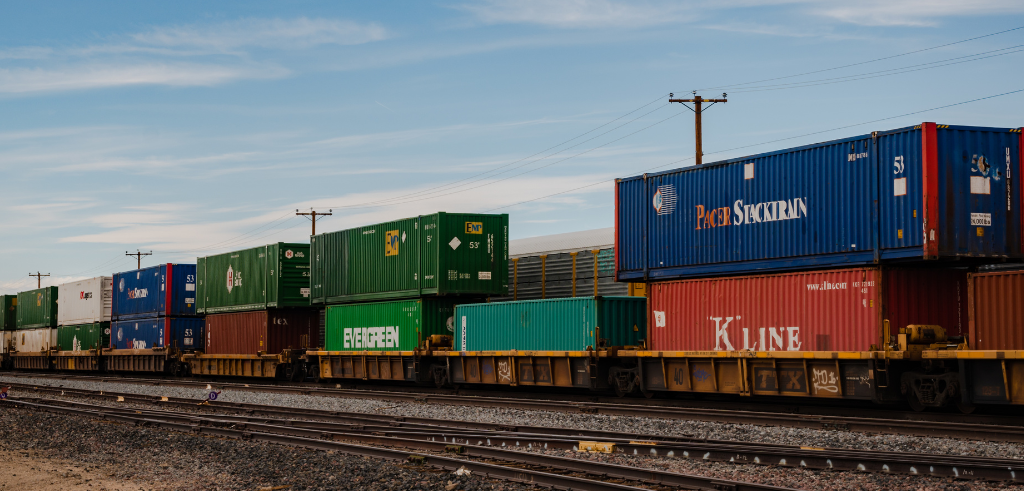
Transit time varies based on the port of loading, carrier, and U.S. port congestion. However, China-to-US Midwest reefer routes usually combine ocean freight plus rail transport.
Therefore, shipments generally require:
Shanghai / Ningbo → Chicago: 26–33 days
Shenzhen / Guangzhou → Chicago: 28–36 days
Qingdao / Tianjin → Chicago: 30–38 days
Below is a reference table:
Estimated Reefer FCL Transit Time (China → Chicago)
| Origin Port | Ocean Transit | Rail/Barge Transfer | Total Days |
|---|---|---|---|
| Shanghai | 20–25 days | 6–8 days | 26–33 days |
| Shenzhen | 22–28 days | 6–8 days | 28–36 days |
| Qingdao | 24–30 days | 6–8 days | 30–38 days |
These ranges help importers forecast shipping time and plan delivery schedules more accurately.
Real Case Study Cards
Frozen Seafood (Qingdao → Chicago)
Cargo: Frozen squid, 19 tons
Container: 40′ Reefer FCL
Route: Qingdao → LA/Long Beach → Chicago rail
Transit Time: 31 days
Cost: Mid-range, including reefer monitoring
Result: No temperature deviation; stable sensor logs; client renewed annual contract
Pharmaceuticals (Shanghai → Chicago)
Cargo: Temperature-sensitive APIs
Container: 40′ High-Cube Reefer
Route: Shanghai → Seattle → Chicago
Transit Time: 29 days
Cost: High due to strict stability requirements
Outcome: Clean FDA release; no delays; client expanded monthly imports
How Does Top China Freight Support Reefer FCL Shipping?
Top China Freight offers end-to-end cold-chain support through routing design, reefer container booking, PTI coordination, and Chicago inland delivery. Although importers face visibility and compliance concerns, our team ensures shippers receive clear timelines, stable capacity, and shipment updates.
We also provide FCL & LCL solutions and sea freight options that extend flexibility for seasonal refrigerated cargo importing.
What Are the Key Costs in Reefer FCL Shipping?
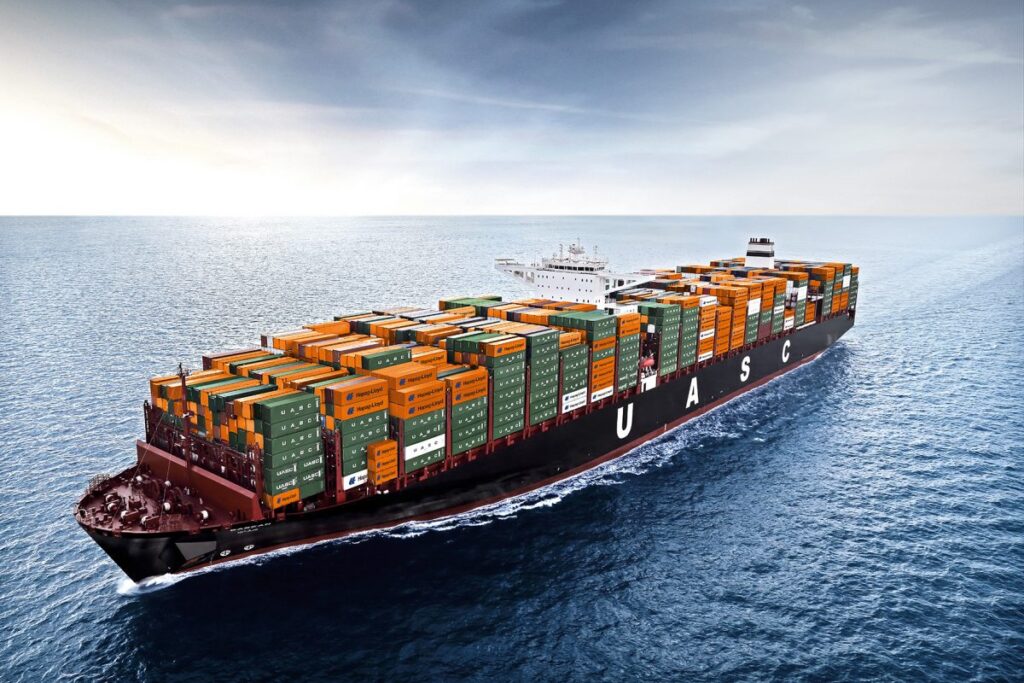
Reefer container shipping cost China to USA includes freight charges, fuel surcharges, PSS, cold-chain premium, and additional reefer monitoring fees. Although prices change weekly due to logistics trends and carrier capacity, most cost structures remain predictable.
Additionally, importers should factor in inland haulage, rail charges, and Chicago refrigerated cargo handling fees.
Typical Reefer FCL Cost Structure
| Cost Item | Description |
|---|---|
| Ocean Freight | Depends on carrier, route, and season |
| Reefer Surcharge | Temperature-controlled premium |
| Monitoring Fee | Per day or per container |
| Documentation | BL, AMS, ISF, customs filing |
| Inland Transfer | Rail or truck to Chicago |
| Customs Clearance | Depends on declaration complexity |
When comparing carriers, shippers should examine service reliability more than rate alone.
How Does Customs Clearance Work for Reefer Cargo?
Reefer cargo requires strict declarations such as HS code accuracy, temperature-sensitive cargo classification, FDA requirements, and origin certificates. Because perishable goods face heightened inspection, customs clearance must be prepared without errors.
Moreover, well-prepared documents reduce inspection time and prevent storage fees. To simplify compliance, importers often rely on professional customs brokerage services that ensure timely release of refrigerated goods.
Essential Documents Checklist
Below is a simple reference:
Customs Document Checklist
| Document | Purpose |
|---|---|
| Commercial Invoice | Value declaration |
| Packing List | Cargo details |
| Bill of Lading | Shipment record |
| COO | Origin verification |
| FDA/Health Certificates | Required for food/medicine |
| MSDS | Safety data for chemicals |
Accurate documentation ensures reefer shipments enter Chicago smoothly.
Conclusion
Reefer FCL shipping from China to Chicago becomes predictable and secure when importers plan early, choose reliable carriers, and maintain strict cold-chain standards. Although temperature-controlled cargo introduces extra requirements, using expert support significantly reduces risk. Therefore, businesses needing efficient reefer shipping from China to Chicago can request route planning or a tailored quote for their next shipment.
Request A Free Quote
Need a reliable logistics partner? Share your shipment details and we’ll provide a tailored quotation quickly and accurately.
FAQ:
How are reefer container temperatures controlled during shipping?
Temperatures are preset before loading and maintained automatically by the container’s power supply throughout the entire journey.
What cargo types are suitable for reefer FCL shipping?
Foods, seafood, pharmaceuticals, flowers, chemicals, and perishables are ideal when stable temperatures must be maintained.
How early should reefer FCL bookings be made?
Bookings should be made 2–3 weeks in advance to secure stable capacity and avoid rollover during peak season.
What happens if customs inspects refrigerated cargo?
Proper documents help minimize delays, and power connections keep the reefer running during inspection.
Are FDA documents required for food shipments?
Most food, seafood, and pharmaceutical cargo requires FDA or health certificates for U.S. import.