
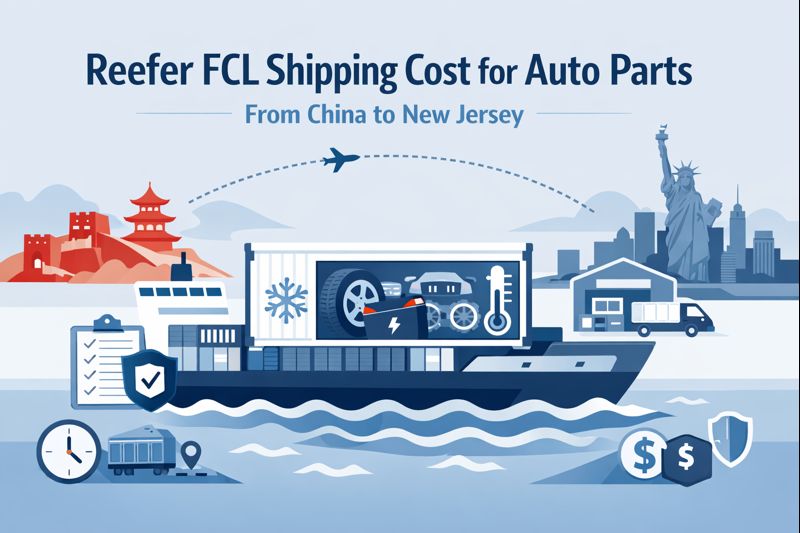
To begin with, Reefer FCL shipping cost for auto parts from China to New Jersey often becomes a critical concern when temperature control, cost stability, and delivery reliability must align at the same time. Many importers struggle to balance freight rates, cold chain compliance, and East Coast port charges, especially when shipping sensitive automotive components. Therefore, this guide breaks down costs, timelines, and practical strategies, while showing how experienced partners like Top China Freight help reduce risk and improve supply-chain efficiency.
What Is Reefer FCL Shipping and Why Does It Matter for Auto Parts?
Reefer FCL shipping refers to full container load transportation using refrigerated containers with controlled temperature and humidity. While auto parts are not always perishable, many components such as rubber seals, electronic modules, lubricated assemblies, and coated metal parts require stable conditions during long ocean voyages.
Why Auto Parts Often Require Reefer Containers
In practice, reefer containers are chosen not for cooling alone, but for temperature stability. For example:
- Rubber and polymer parts can crack or deform under heat fluctuation.
- Electronic control units are sensitive to condensation and humidity.
- Precision metal parts risk corrosion if exposed to unstable environments.
As a result, reefer FCL ocean freight for automotive components provides a predictable shipping environment, which directly impacts product quality and downstream warranty risk.

How Is Reefer FCL Shipping Cost for Auto Parts from China to New Jersey Structured?
At a high level, the Reefer FCL shipping cost for auto parts from China to New Jersey is not a single price, but a combination of several cost layers. Understanding each layer helps importers forecast budgets more accurately.
Core Cost Components
The total cost usually includes:
- Ocean freight rates for reefer containers
- Equipment surcharges specific to refrigerated units
- Origin handling and export documentation in China
- Destination port fees at New Jersey (often via Port of Newark)
- Inland delivery or door-to-door charges if required
Because reefer containers consume power and require monitoring, their base freight rates are typically higher than dry containers. However, when product integrity matters, this added cost often prevents much larger downstream losses.
What Role Does Customs Clearance Play in Total Shipping Cost?
Customs clearance is frequently underestimated when calculating total reefer container cost breakdown for auto parts imports.
Key Customs Considerations
For shipments into New Jersey, importers must ensure:
- Accurate HS codes for automotive components
- Compliance with US customs and FDA/CBP requirements if applicable
- Proper documentation, including commercial invoice and packing list
Delays at customs can lead to additional demurrage and detention charges, which are especially costly for reefer containers. Working with integrated providers offering customs brokerage support often reduces these risks.
Reefer FCL vs Dry Container: Should Auto Parts Importers Upgrade?
Many importers initially compare reefer containers with standard dry containers to control costs. However, the decision often goes beyond price alone.
| Shipping Option | Cost Level | Risk Control | Best Use Case |
|---|---|---|---|
| Dry Container FCL | Lower | Limited | Non-sensitive metal parts |
| Reefer FCL | Higher | Strong | Temperature-sensitive auto parts |
In many cases, upgrading to reefer FCL ocean freight for automotive components reduces insurance claims and quality disputes, which offsets the higher upfront cost.
Case Studies
Shanghai to New Jersey Automotive Components
To illustrate real-world performance, consider the following shipment.
Route: Shanghai → Port of Newark
Cargo: Electronic automotive control modules
Container Type: 40’ Reefer FCL
Temperature Range: 15–20°C
Transit Time: 33 days port to port
Total Shipping Cost Range: USD 7,800–9,200
In this case, reefer FCL ocean freight for automotive components ensured humidity stability, preventing condensation damage and avoiding downstream quality claims.
Ningbo to New Jersey Rubber Auto Parts
Another shipment highlights cost-control through planning.
Route: Ningbo → Port of Newark
Cargo: Rubber seals and gaskets
Container Type: 20’ Reefer FCL
Temperature Range: 18–22°C
Transit Time: 36 days
Total Shipping Cost Range: USD 6,200–7,500
Because the importer booked early and avoided peak season, reefer FCL freight rates from China to New Jersey remained within budget, while cargo integrity was fully preserved.
What Documents Are Required for Reefer Auto Parts Imports?
From a compliance perspective, documentation accuracy directly influences cost and delivery schedules.
| Document | Purpose | Risk If Incorrect |
|---|---|---|
| Commercial Invoice | Declares cargo value | Customs delay or penalties |
| Packing List | Confirms cargo details | Inspection or rework |
| Bill of Lading | Proof of carriage | Release delays |
| Import Security Filing | US security compliance | Fines or holds |
When documentation aligns correctly, customs clearance for reefer auto parts shipments becomes smoother, reducing port storage and unexpected fees.
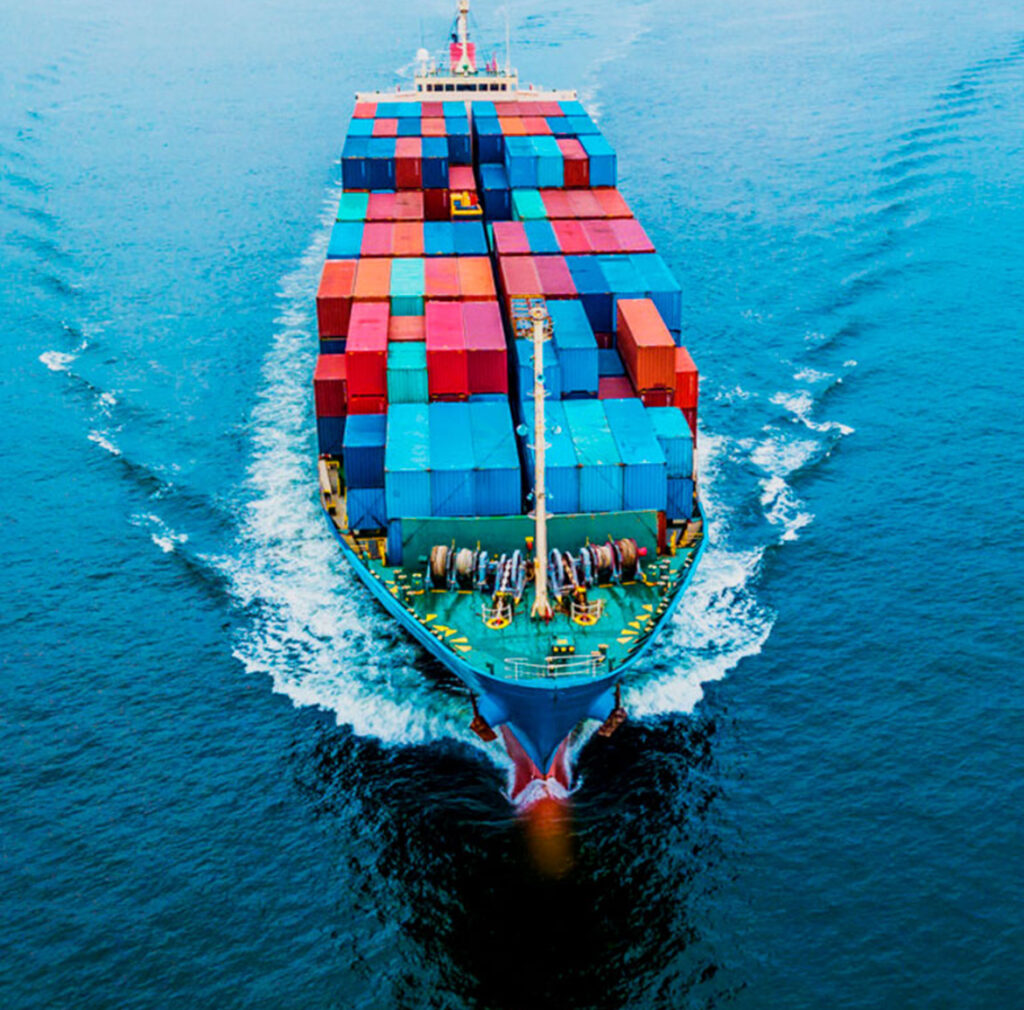
Can Reefer FCL Support Long-Term Auto Parts Supply Chains?
From a strategic view, reefer FCL shipping supports consistency rather than speed alone. For automotive manufacturers and distributors, predictable delivery schedules often outweigh marginal cost differences.
Supply Chain Benefits Beyond Cost
Over time, temperature-controlled shipping from China to USA ports enables:
- Lower product rejection rates
- Fewer warranty disputes
- More stable inventory planning
When combined with reliable ocean solutions such as integrated sea freight services and structured FCL planning via professional FCL & LCL support, importers gain long-term operational advantages.
How Does Insurance Affect Reefer FCL Shipping Decisions?
Although insurance is optional, many importers treat it as essential for refrigerated cargo.
Why Reefer Insurance Matters for Auto Parts
Reefer containers involve mechanical systems, power supply, and temperature monitoring. While failures are rare, consequences can be severe. Therefore, refrigerated ocean freight insurance for auto parts helps protect against:
- Temperature deviations
- Equipment malfunction
- Transit delays caused by port congestion
In practice, insurance premiums represent a small percentage of total freight rates, yet they significantly reduce financial exposure.
Conclusion
In summary, Reefer FCL shipping cost for auto parts from China to New Jersey reflects more than freight rates alone—it includes risk control, compliance, and supply-chain reliability. While reefer containers involve higher upfront costs, they protect sensitive automotive components from temperature and humidity fluctuations. Ultimately, importers who plan early and work with experienced partners achieve predictable delivery and stronger cost performance.
Request A Free Quote
Start shipping smarter with TopChinaForwarder today! 🚢✨ Request a Free Quote 📝 and get a tailored logistics plan built around your cargo and timeline.
FAQ:
What drives reefer FCL shipping cost fluctuations?
Rates change due to equipment availability, fuel surcharges, seasonality, and port congestion, especially on US East Coast routes.
Is reefer FCL always required for auto parts?
Not always. It’s recommended for rubber, electronic, or coated components sensitive to heat or humidity.
How can I reduce demurrage for reefer containers?
Prepare documents early, pre-file customs data, and schedule inland transport before vessel arrival.
Are transit times stable for China to New Jersey reefer shipments?
Generally stable, but weather, congestion, and transshipment routing may cause minor variations.
How early should reefer containers be booked?
Ideally 2–3 weeks in advance, or earlier during peak seasons, to secure equipment and stable rates.