
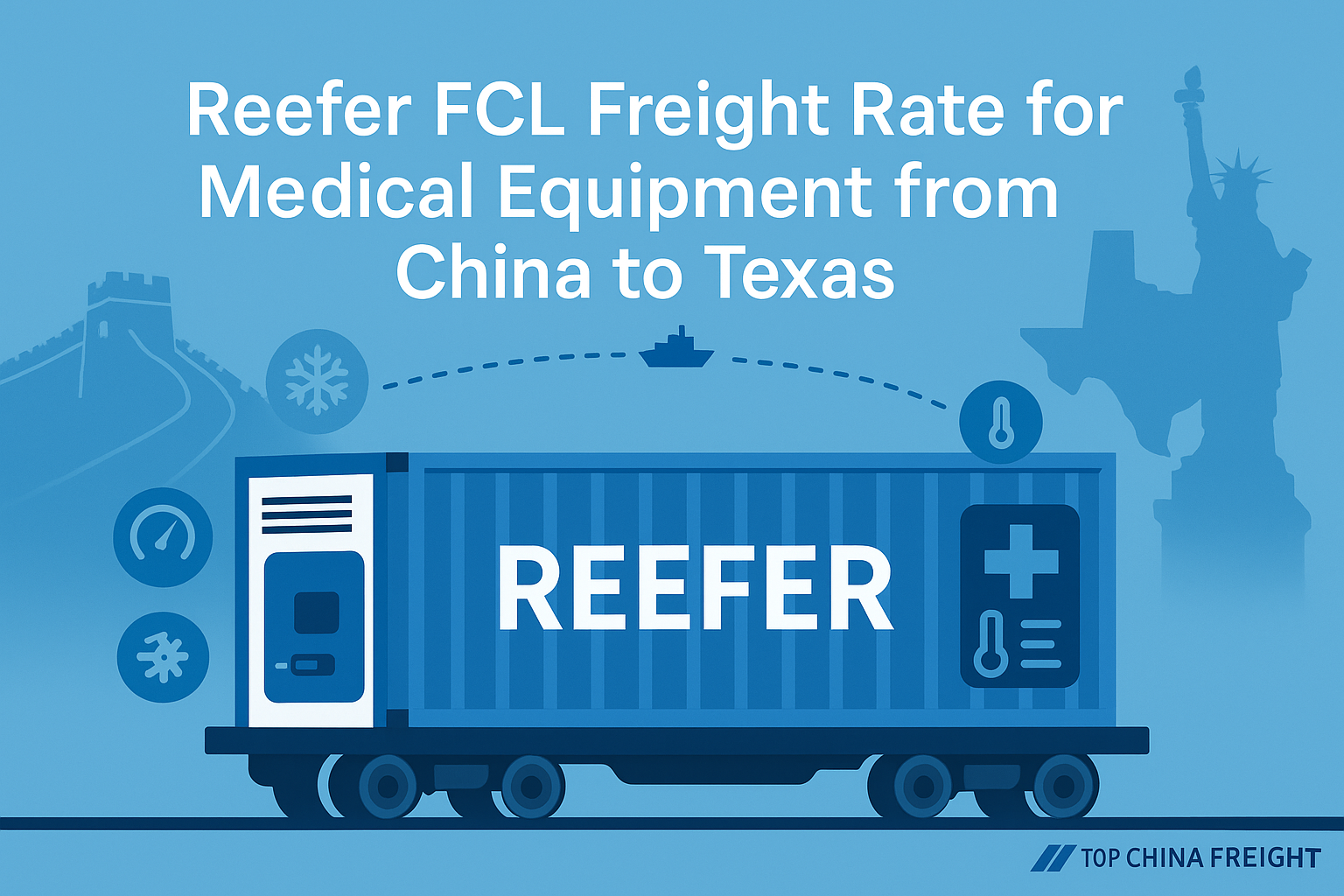
Therefore, moving high-value medical devices in refrigerated full-container loads requires precise cost planning and reliable temperature control, especially on the long route from China to Texas. Although importers often struggle with freight volatility and FDA-aligned documentation, this guide explains how the Reefer FCL freight rate for medical equipment from China to Texas can be optimized through route design, packing strategies, and stable partners such as Top China Freight. Moreover, you will see practical methods to keep costs predictable while protecting sensitive healthcare equipment throughout the supply chain.
What Defines the Reefer FCL Freight Rate for Medical Equipment from China to Texas?
The reefer FCL rate is shaped by temperature requirements, carrier availability, port congestion, and inland delivery distances in Texas. Moreover, because medical equipment is highly sensitive to both heat and humidity, reefer slots are often in higher demand. As a result, importers must compare carriers carefully to avoid paying inflated premiums.
Key Factors Influencing Cost
- Temperature range (2–8°C, 15–25°C, or custom settings)
- Container size availability (20’ or 40’ reefer)
- Port congestion at Shanghai, Ningbo, or Shenzhen
- FDA-compliant documentation handling
- Vessel schedules and seasonal demand
How Does Temperature-Controlled FCL Shipping Protect Medical Devices?
Because medical devices can fail under fluctuating conditions, reefer containers maintain stable airflow, humidity, and temperature throughout the ocean transit. Additionally, protective measures help preserve calibration accuracy and prevent condensation damage.
Benefits
- Protects diagnostic device circuits
- Preserves calibration requirements
- Minimizes humidity-related corrosion
- Supports U.S. healthcare compliance standards
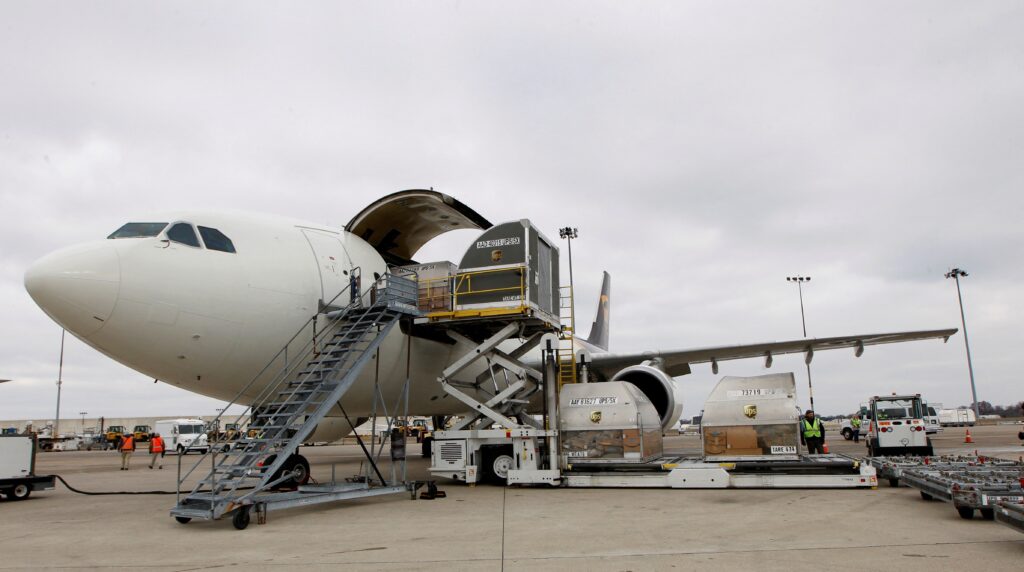
Furthermore, combining ocean with services like air freight for urgent components can improve delivery stability.
What Documents Do Medical Equipment Importers Need for Reefer FCL Shipping?
Accurate documentation ensures smooth clearance and prevents FDA-related delays at Texas ports. Moreover, complete paperwork reduces detention fees and supports insurance claims.
Documentation Checklist
| Document | Purpose | Notes |
|---|---|---|
| Commercial Invoice | Confirms declared value | Must match device serial ranges |
| Packing List | Details item specs | Include HS codes and temperature requirements |
| Bill of Lading | Confirms carriage | Required for customs release |
| Temperature Log | Confirms reefer stability | Necessary for claims |
| FDA Entry Documents | Regulatory approval | Must match product category |
How Do Different Transport Modes Affect Medical Equipment Freight Rates?
Although reefer FCL is the most stable refrigeration option, other modes influence planning and cost projections.
Comparison Table
| Mode | Cost Level | Transit Time | Pros | Cons |
|---|---|---|---|---|
| Reefer FCL | Medium–High | 22–32 days | Consistent temperature, high capacity | Requires early booking |
| Air Freight | High | 3–7 days | Fast, ideal for urgent devices | Expensive for bulk cargo |
| Express | Very High | 2–5 days | Best for critical devices | Limited size and weight |
For urgent hospital shipments, pairing with express service ensures rapid last-mile delivery.
Case Studies
Shanghai to Houston – Diagnostic Imaging Modules
Cargo: 21 CBM of imaging device components
Container: 40’ Reefer
Transit Time: 28 days door-to-port
Rate Outcome: Early booking and optimized temperature settings reduced freight costs by 14%.
Result: All equipment arrived calibration-ready with validated temperature logs.
Shenzhen to Dallas – Hospital Monitoring Devices
Cargo: 16 CBM of electronic medical monitors
Container: 20’ Reefer
Transit Time: 31 days port-to-door
Rate Outcome: Carrier stability and improved packing reduced the shipment’s risk category and lowered insurance costs.
Result: Delivered on time with no humidity-related deviations.
How to Reduce Reefer FCL Freight Costs Without Increasing Risk?
Although medical equipment requires careful handling, importers can optimize costs through several strategies.
Methods
1. Book reefer space early.
Early booking locks in lower rates and reduces seasonal surcharges.
2. Choose accurate temperature brackets.
Correct settings avoid unnecessary premium charges.
3. Improve export packing.
Anti-vibration materials, insulation, and moisture barriers reduce damage risk and improve rate negotiations.
4. Consolidate inland trucking.
Organized pickup windows reduce detention and waiting charges at origin ports.
Can Importers Improve Supply Chain Visibility for Reefer Shipments?
Yes. Because enhanced visibility reduces uncertainty, real-time monitoring has become essential for medical equipment logistics.
Visibility Tools
- GPS reefer tracking dashboards
- Automated temperature logs
- Pre-alert notifications for customs
- Transit milestone updates
- Predictive ETA algorithms
Working with partners offering transparent solutions such as FCL/LCL services strengthens cold-chain reliability.
How to Build a Predictable Freight Budget for Reefer FCL?
Predictability comes from combining multiple forecasting methods and building buffers for seasonal adjustments.
Budget Framework
- Compare quotes over several weeks
- Align temperature settings with device specifications
- Consolidate origin trucking costs
- Book early during low-demand periods
- Add buffer funds for seasonal surcharges
Conclusion
The Reefer FCL freight rate for medical equipment from China to Texas reflects temperature requirements, regulatory compliance, packing quality, seasonal patterns, and carrier capacity. Moreover, predictable budgeting becomes easier when importers integrate early booking, strong documentation, and end-to-end visibility. Therefore, companies moving imaging modules, monitoring devices, or diagnostic components should work with specialized partners to secure reliable cold-chain performance and consistent transit times.
Request A Free Quote
Start shipping smarter with TopChinaForwarder today! 🚢✨ Request a Free Quote 📝 and get a tailored logistics plan built around your cargo and timeline.
FAQ:
How is the reefer FCL freight rate calculated?
Rates depend on temperature settings, carrier availability, inland trucking distance, and seasonal demand.
What temperature ranges are most common for medical devices?
Many devices ship at 2–8°C or 15–25°C to maintain calibration and prevent thermal damage.
Why do reefer rates rise during summer?
High temperatures increase power consumption, leading carriers to adjust surcharges.
Are humidity deviations covered by insurance?
Most comprehensive policies include humidity-related damage when monitoring data supports the claim.
How can importers stabilize reefer freight budgets?
Multi-week quoting, early booking, and consistent packing standards improve accuracy.