
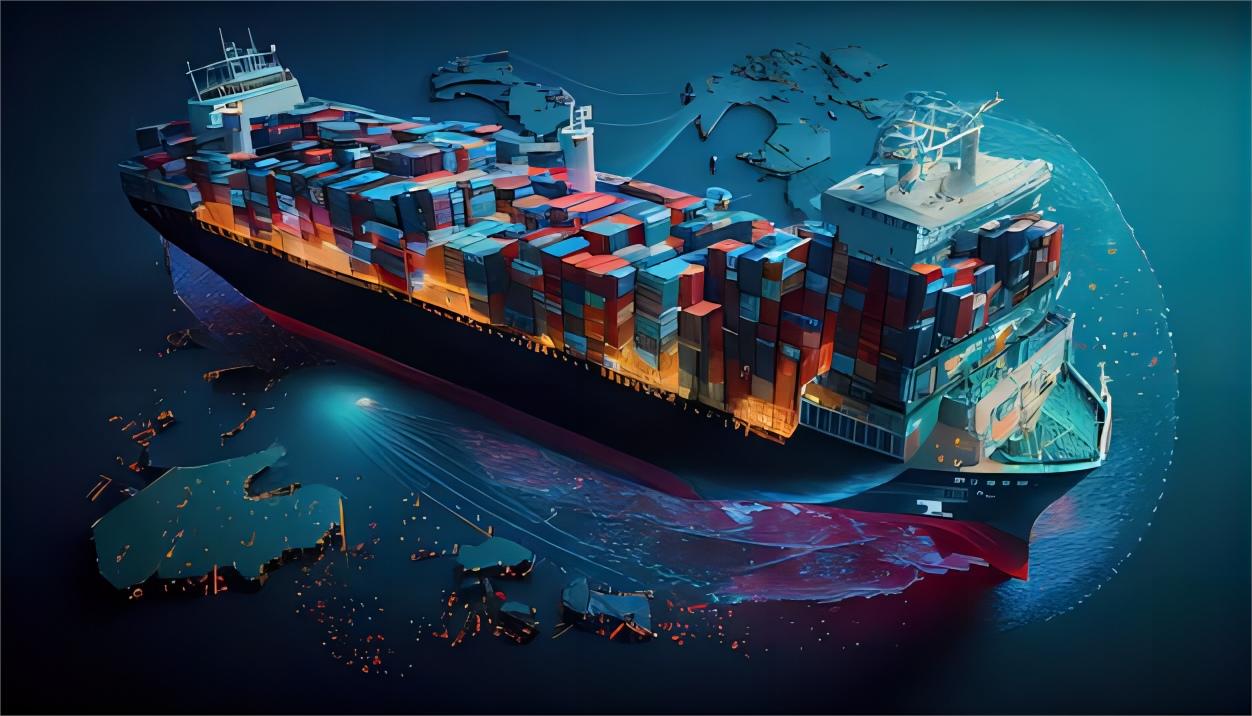
Reefer FCL booking process for textiles from China to Denmark
Managing the Reefer FCL booking process for textiles from China to Denmark requires precise coordination to protect sensitive fabrics from moisture and temperature fluctuations. At Top China Freight, we specialize in navigating these complex logistics to ensure your high-end textiles arrive in pristine condition. This guide provides a comprehensive roadmap for importers looking to optimize their supply chain and maintain product quality during the long ocean transit.
Why Choose Reefer FCL for Textile Shipments?
Textiles are often perceived as non-perishable cargo, yet luxury fabrics and specific synthetic blends are highly sensitive to humidity. Consequently, using sea freight with refrigerated containers provides the necessary climate control to prevent mold and mildew. Moreover, temperature stability ensures that delicate fibers do not lose their structural integrity during the voyage through varying climate zones.
Standard dry containers often experience ‘container rain’ due to temperature shifts at sea. In contrast, reefer units maintain a consistent internal environment, which is essential for high-value fashion exports. Therefore, choosing a Reefer FCL (Full Container Load) setup offers the best protection for large-scale textile orders destined for the Danish market.
Understanding the Reefer FCL Booking Process for Textiles from China to Denmark
The journey begins with selecting a freight forwarder who understands the specific requirements of textile logistics. Initially, you must provide detailed cargo specifications, including the required temperature and humidity settings. Furthermore, obtaining a booking confirmation from the carrier involves verifying equipment availability at major ports like Shanghai or Ningbo.
Once the booking is confirmed, the empty reefer container is released to the factory for loading. Meanwhile, the exporter must ensure the textiles are pre-conditioned to the target temperature to avoid thermal shock. Following this, the loaded container is transported to the terminal for export customs clearance.
Step 1: Requesting a Freight Quote
Start by requesting a quote that includes all local charges and ocean freight rates. Additionally, specify if you require additional services like cargo insurance or specialized handling. Indeed, having a clear cost breakdown helps in calculating the total landed cost for your Danish warehouse.
Step 2: Equipment Inspection and Loading
Before loading, the reefer unit must undergo a Pre-Trip Inspection (PTI) to ensure the cooling mechanism is functional. Subsequently, the textiles should be stacked in a way that allows for optimal airflow throughout the container. Without a doubt, proper stowage is the most critical factor in preventing hot spots within the cargo.
How Does Reefer FCL Compare to Other Shipping Options?
Selecting the right mode of transport depends on your budget, volume, and urgency. While Reefer FCL is ideal for large, sensitive shipments, other options might be more suitable for smaller batches or urgent samples. For instance, air freight offers speed but comes at a significantly higher cost per kilogram.
The following table provides an objective analysis of the viable alternatives for shipping textiles from China to Denmark. As a result, you can make an informed decision based on your specific business needs.

| Shipping Method | Cost Range | Transit Time | Best For |
|---|---|---|---|
| Reefer FCL | $3,500 – $5,500 | 30 – 40 Days | High-end large textile volumes |
| Standard FCL | $2,500 – $4,200 | 30 – 40 Days | Standard cotton and synthetics |
| Air Freight | $5.00 – $8.00/kg | 5 – 8 Days | Urgent fashion samples |
| Rail Freight | $3,000 – $4,800 | 18 – 25 Days | Mid-range speed and cost |
Navigating Customs and Documentation for Denmark
Importing textiles into Denmark requires strict adherence to EU customs regulations. Consequently, engaging a professional customs brokerage service is highly recommended to avoid delays. Furthermore, you must ensure that all labels comply with EU textile labeling requirements regarding fiber composition.
Documentation must be accurate to ensure a smooth transition through the Port of Aarhus or Copenhagen. In addition, the Bill of Lading must clearly state the reefer settings to hold the carrier liable for any deviations. To summarize, preparation is the key to avoiding costly storage fees at the destination port.
| Document Name | Required For | Issuer | Purpose |
|---|---|---|---|
| Commercial Invoice | Customs Value | Exporter | Tax calculation |
| Packing List | Cargo Verification | Exporter | Physical inspection |
| Certificate of Origin | Trade Agreements | Chamber of Commerce | Duty reduction |
| Reefer Log | Quality Control | Carrier | Temp monitoring |
Transit Times and Route Options to Denmark
Shipping from China to Europe usually involves routes through the Suez Canal. However, recent global events have led some carriers to redirect ships around the Cape of Good Hope, adding roughly 10-14 days to the journey. Accordingly, you should plan your inventory cycles with these potential delays in mind.
Direct services are available from major hubs like Shanghai to Northern European ports. On the other hand, transshipment via Singapore or Rotterdam might offer lower rates but increases the risk of handling errors. For a seamless experience, consider a door to door service that manages the entire movement from the factory to your Danish warehouse.
Market Intelligence and 2025 Logistics Trends
As of Q1 2025, freight rates from China to Europe have stabilized after the 2024 Red Sea disruptions. Nevertheless, seasonal demand during the lead-up to the autumn fashion season can still cause capacity crunches. Therefore, booking at least 4-6 weeks in advance is currently the industry standard for securing reefer equipment.
Digital tracking has become a standard requirement for textile importers. Moreover, new smart reefer containers now offer real-time humidity and temperature monitoring via satellite. Consequently, supply chain managers can respond immediately to any technical issues while the cargo is still at sea.
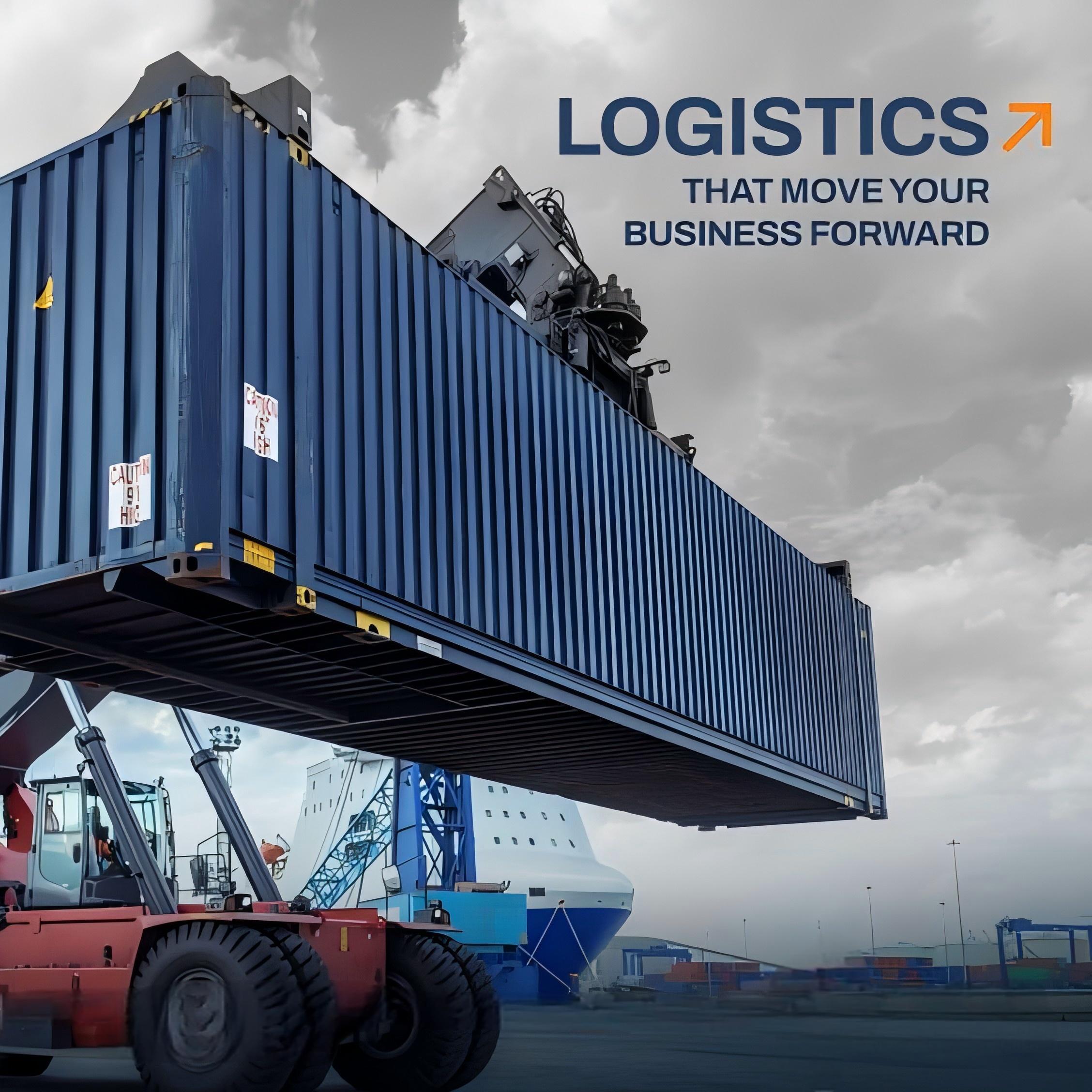
Real-World Case Studies: Textile Shipping to Denmark
Reviewing actual shipping scenarios helps in understanding the practical challenges and costs involved. Below are two recent examples of textile shipments handled by our team, reflecting current market conditions in early 2025.
Case Study 1: Luxury Silk Rolls from Hangzhou to Copenhagen. Route: Shanghai to Copenhagen via Rotterdam. Cargo: 15 tons of silk fabrics in a 40HQ Reefer. Shipping Cost: $5,200 (Ocean Freight). Transit Time: 38 days. Key Insight: Pre-cooling the container saved the cargo from moisture damage during a 3-day port delay.
Case Study 2: Organic Cotton Apparel from Guangzhou to Aarhus. Route: Shenzhen to Aarhus Direct. Cargo: 20GP Reefer with humidity control. Shipping Cost: $3,850. Transit Time: 34 days. Key Insight: Using a direct route reduced handling risks and ensured the organic certification remained valid.
Decision Framework: Which Option Should You Choose?
If your priority is budget and you are shipping standard cotton, a dry FCL container with desiccant bags might suffice. However, if you are moving high-value synthetics or silk, the Reefer FCL booking process for textiles from China to Denmark is the only way to guarantee quality. Indeed, the extra cost of a reefer is negligible compared to the loss of an entire shipment due to mold.
Speed-oriented businesses should consider hybrid solutions like sea-air via Dubai. Nevertheless, for the majority of textile importers, ocean freight remains the most sustainable and cost-effective method. To summarize, evaluate your cargo value against the risks of environmental damage before finalizing your booking.
Final Thoughts on Textile Shipping Logistics
Successfully navigating the Reefer FCL booking process for textiles from China to Denmark involves careful planning and the right logistics partner. By understanding the nuances of humidity control and customs requirements, you can protect your investment and ensure timely delivery. Furthermore, staying informed about market trends and route changes will give your business a competitive edge in the Danish textile market.
Note: Freight rates are subject to change based on fuel costs, carrier capacity, and seasonal demand. Contact us for a current quote tailored to your specific shipment.

Ready to streamline your logistics?
Ready to secure your next shipment? Contact our experts today to streamline your Reefer FCL booking process for textiles from China to Denmark. Send Inquiry:
Request Quote