
Prevent 20GP FCL Detention for Lighting to Chicago
Shipping lighting products from China to Chicago via 20GP FCL containers presents unique challenges, especially regarding potential detention charges. Understanding and mitigating these risks is crucial for maintaining a healthy supply chain and controlling costs. Top China Freight offers comprehensive solutions to help importers navigate these complexities effectively, ensuring smooth, cost-efficient logistics.

What is FCL Detention and Why is it Critical for Lighting Imports?
FCL detention refers to charges levied by the shipping line when the consignee holds their container beyond the allotted free time at the destination port or rail yard. Essentially, it’s a penalty for not returning the empty container promptly.
For lighting products, often high-value and time-sensitive, these fees can quickly erode profit margins. Therefore, preventing 20GP FCL detention for lighting from China to Chicago is a key strategic goal for importers.
Key Factors Causing Detention for Lighting Shipments to Chicago
Several common issues contribute to FCL detention, particularly for specialized cargo like lighting. Understanding these pitfalls is the first step towards effective prevention strategies.
Firstly, unexpected delays in customs clearance are a frequent culprit. This can stem from incomplete or incorrect documentation, misclassified goods, or random inspections, all of which halt the container’s movement.
Secondly, inefficient drayage and inland transportation arrangements can cause significant bottlenecks. If trucks are not readily available or if delivery appointments are missed, containers sit idle, accumulating charges.
Finally, poor communication between all parties—shipper, freight forwarder, customs broker, and consignee—often exacerbates these issues. A lack of real-time updates can lead to missed deadlines and avoidable costs.
Optimizing Documentation and Customs Clearance for Lighting Products
Accurate and timely documentation is paramount to avoiding delays and subsequent detention charges. Therefore, meticulous preparation before the container even leaves China is non-negotiable.
Ensuring correct Harmonized System (HS) codes for all lighting components and finished products is vital. Misclassification can trigger customs holds and penalties, thus delaying release. Moreover, the Importer Security Filing (ISF) must be filed accurately and on time, at least 24 hours before vessel loading.
Consider leveraging professional customs brokerage services. These experts can pre-clear shipments, manage duties, and swiftly resolve any customs-related queries, preventing costly holdups at the port of entry in Chicago. This proactive approach significantly reduces the risk of detention.
| Document Type | Purpose | Common Issues | Prevention Tip |
|---|---|---|---|
| Commercial Invoice | Details goods, value, terms | Incomplete, inconsistent data | Verify against PO and packing list |
| Packing List | Details cargo content, weight, dimensions | Discrepancies with physical goods | Cross-check with supplier’s actual load |
| Bill of Lading (BOL) | Contract of carriage, title to goods | Incorrect consignee, late release | Confirm details, ensure timely surrender |
| ISF (10+2) | Importer Security Filing for US imports | Late or inaccurate filing | File 24+ hours before vessel departure |
| Certificates (CE, UL, RoHS) | Compliance for lighting products | Missing, expired, or incorrect certs | Obtain and verify all necessary certifications early |
Strategic Planning for Drayage and Inland Transportation to Chicago
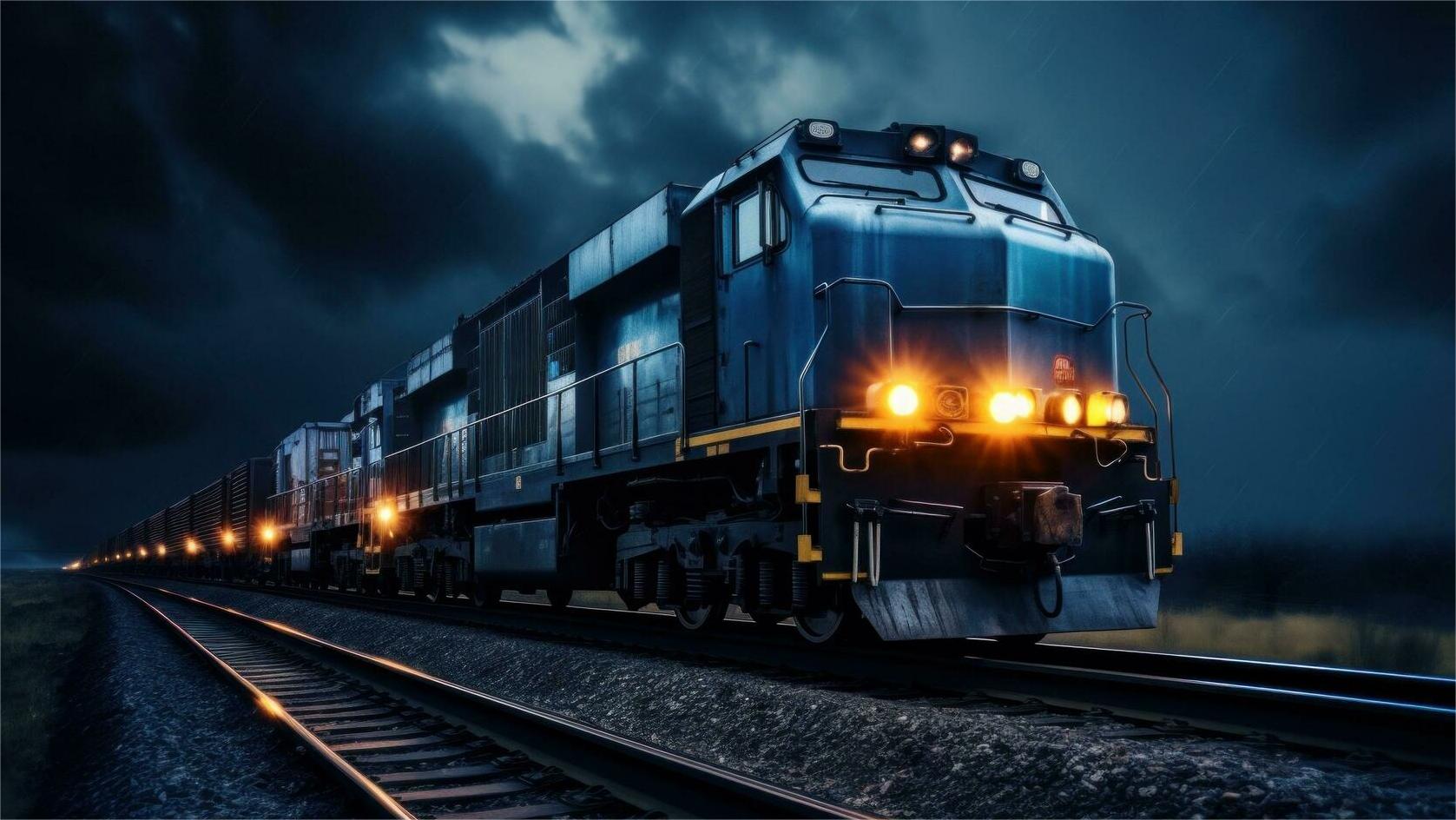
Once your 20GP FCL container arrives at the port (typically Los Angeles/Long Beach or New York/New Jersey, then by rail to Chicago), efficient drayage becomes critical. Planning this leg of the journey can prevent significant detention fees.
Pre-booking drayage services well in advance, especially during peak seasons, is highly recommended. Moreover, ensure that your chosen drayage provider has sufficient capacity and experience with rail-to-road transfers in Chicago.
Having a clear delivery schedule and readily available warehouse space in Chicago also streamlines the process. This proactive coordination minimizes the time the container spends at the rail yard, thus reducing demurrage and detention risks. Many importers also use door-to-door services for seamless coordination.
Leveraging Technology and Communication for Detention Prevention
Modern logistics tools and clear communication channels are indispensable for effective detention prevention. Real-time visibility into your shipment’s status allows for proactive problem-solving.
Utilize tracking platforms provided by your freight forwarder or carrier to monitor vessel movements, port arrival, and rail transit times. This data enables you to anticipate potential delays and adjust your drayage schedule accordingly.
Furthermore, maintaining open and constant communication with your freight forwarder and drayage company is essential. Swift information exchange can prevent minor issues from escalating into costly detention charges for your lighting imports. For instance, if you are an Amazon FBA seller, precise scheduling is even more critical.
How Does Ocean Freight Compare to Other Shipping Options?
While ocean freight is generally the most cost-effective method for shipping 20GP FCL lighting from China to Chicago, it’s beneficial to understand alternative options. Each method has distinct advantages and disadvantages regarding cost, speed, and suitability.
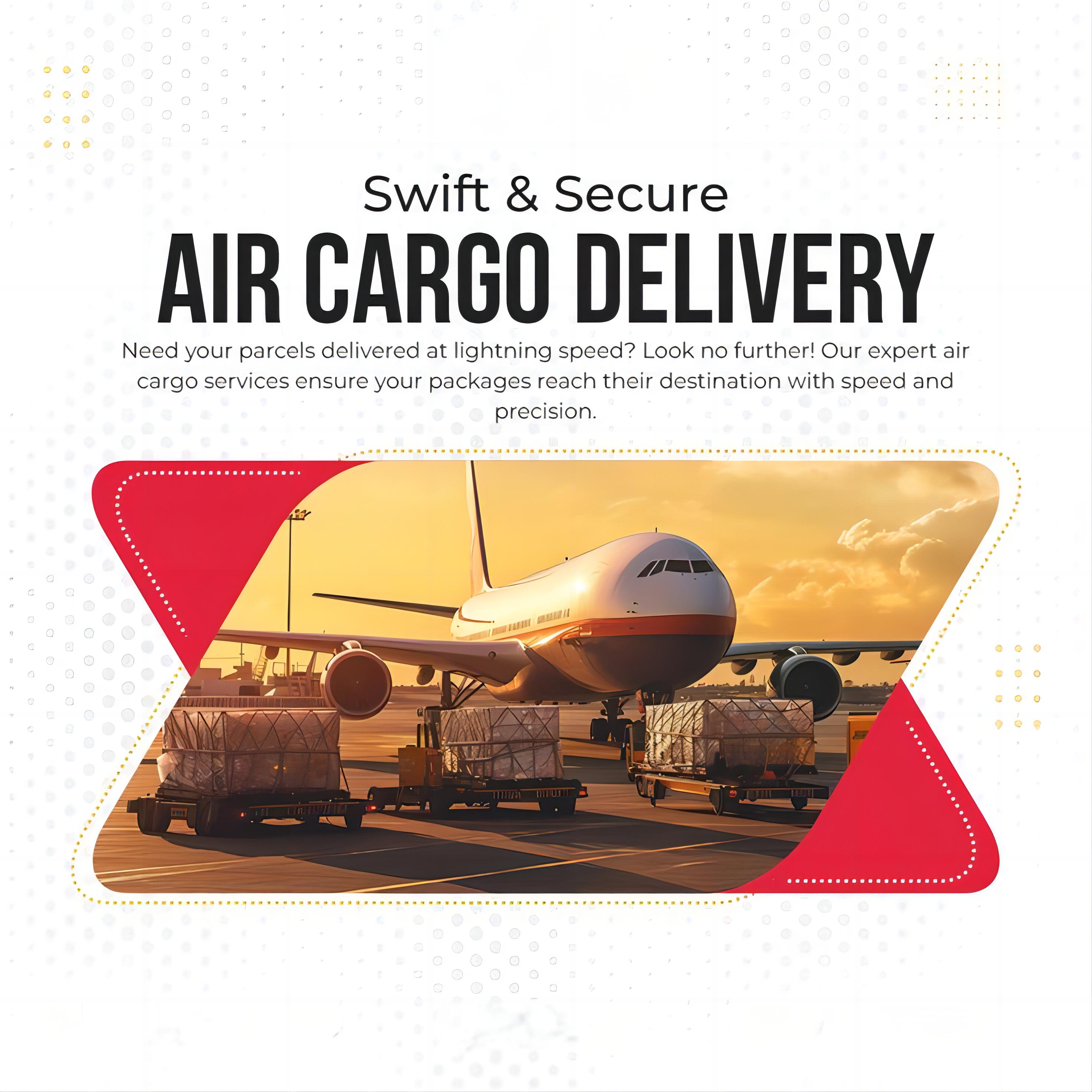
For large volumes of lighting products, especially 20GP FCL, ocean freight via major carriers remains the standard. However, transit times can be lengthy, making it susceptible to detention if not managed correctly. Therefore, balancing cost-efficiency with logistical precision is key.
Alternatively, air freight offers significantly faster transit times but at a much higher cost. It is typically reserved for urgent or high-value, low-volume lighting components or samples, not full containers. Hybrid solutions like sea-rail are also common for China to Chicago routes.
| Shipping Method | Cost Range (20GP FCL) | Transit Time (China to Chicago) | Best For | Limitations |
|---|---|---|---|---|
| Ocean Freight (FCL) | $4,000-6,000 | 30-40 days | Large volume, non-urgent, cost-sensitive lighting | Long transit, potential for detention/demurrage |
| Ocean Freight (LCL) | $150-250/CBM | 35-45 days | Smaller volume lighting (under 15 CBM) | Slower than FCL, more handling, less control |
| Air Freight | $8-15/kg | 5-7 days | Urgent, high-value, low-volume lighting | Very high cost, strict weight/size limits |
| Sea-Rail Multimodal | $5,000-7,000 | 25-35 days | Large volume, faster than pure sea, to inland hubs like Chicago | Requires transshipment, coordination complexities |
Alternative Shipping Strategies for Lighting Imports to Chicago
Beyond standard FCL ocean freight, several alternative strategies can help manage costs and mitigate detention risks. These approaches cater to different needs, from urgency to volume.
For smaller lighting orders or urgent components, considering express service or LCL (Less than Container Load) shipping might be more appropriate. LCL avoids the commitment of a full container, though it often entails longer transit times and more handling. However, it can prevent a 20GP FCL sitting idle.
Another strategy involves optimizing your inventory management. Maintaining a buffer stock in Chicago can reduce the pressure for immediate container retrieval, thereby offering more flexibility. This helps in preventing 20GP FCL detention for lighting from China to Chicago.
Furthermore, exploring multimodal options, such as sea-rail combinations, can balance speed and cost. Shipping by sea to a West Coast port and then by rail to Chicago can be faster than an all-water route through the Panama Canal, potentially reducing overall transit time and detention exposure.
Which Option Should You Choose for Your Lighting Shipments?
Selecting the right shipping method and strategy depends on your specific business priorities. Therefore, a careful evaluation of your needs is crucial before committing to a logistics plan.
If **budget is your primary concern** and you have flexible delivery timelines, standard FCL sea freight is typically the most economical choice. Ensure robust detention prevention measures are in place.
For **speed-critical lighting products** or urgent stock replenishment, air freight is the fastest option, despite its higher cost. It virtually eliminates detention risks associated with port congestion.
If you require a **balance of speed and cost** for larger volumes to an inland hub like Chicago, the sea-rail multimodal approach offers a compelling compromise. This hybrid solution can significantly reduce transit times compared to all-water routes.
Consider **cargo type and volume thresholds** carefully. For shipments under 15 CBM, LCL might be more cost-effective than a 20GP FCL, preventing empty space charges. For delicate or high-value lighting, dedicated FCL offers better security and less handling.
Case Studies: Real-World Detention Prevention for Lighting Imports
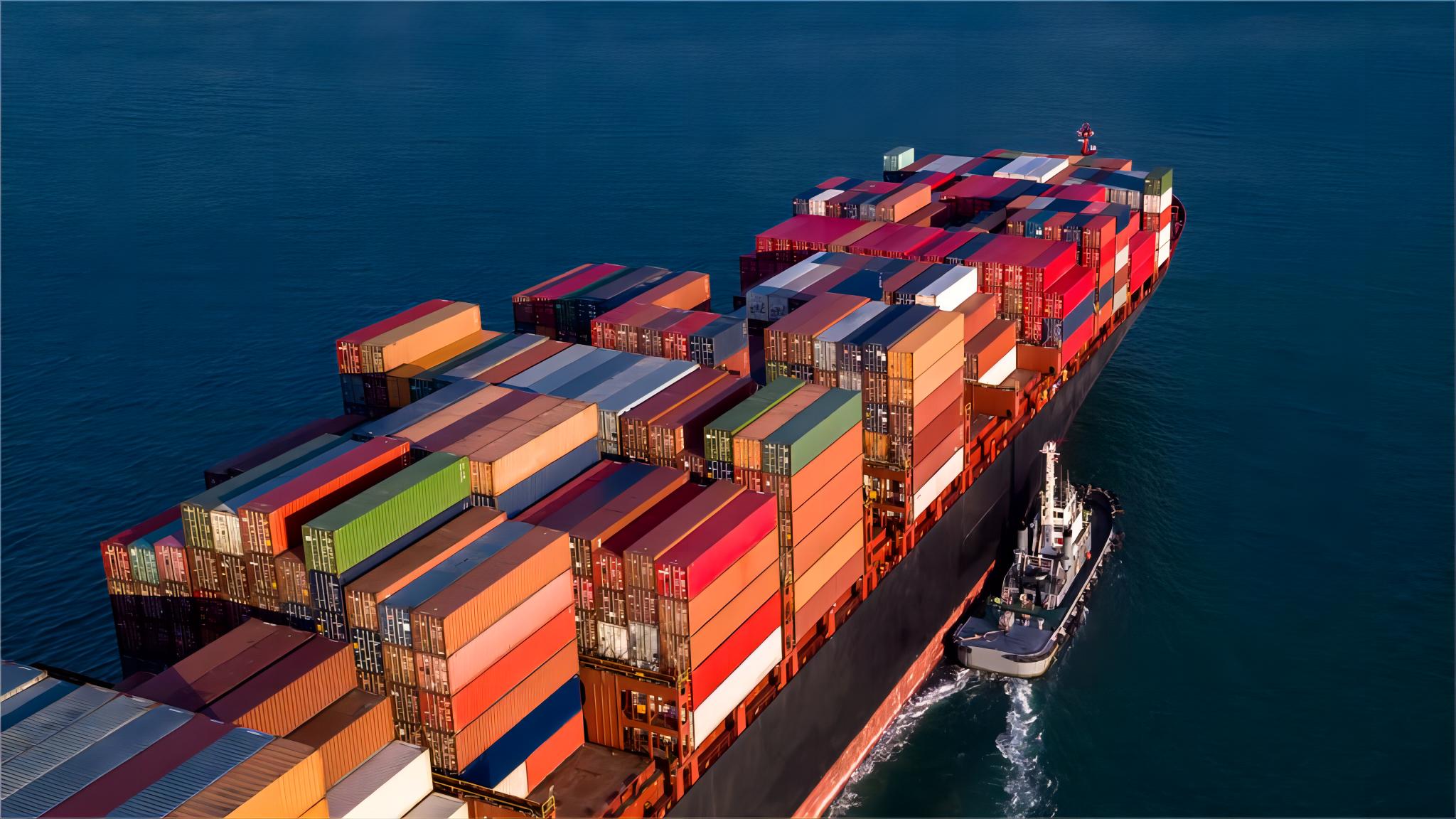
These examples illustrate how effective planning and execution can prevent costly FCL detention charges for lighting shipments.
Based on Q3 2024 market rates, these scenarios highlight typical challenges and successful strategies for importers.
Case Study 1: LED Panel Lights to Chicago
| Detail | Description |
|---|---|
| Route | Shanghai, China to Chicago, USA |
| Cargo | LED Panel Lights, 28 CBM, 12,000 kg |
| Container | 1 x 20GP FCL |
| Shipping Details | Carrier: COSCO, Port of Loading: Shanghai, Port of Discharge: Long Beach (via rail to Chicago), Route Type: Transshipment via Busan, then rail |
| Cost Breakdown | Ocean Freight: $4,800, Origin Charges: $350, Destination Charges (Terminal, Drayage to warehouse): $2,100, Customs & Duties (estimated): $950, Total Landed Cost: $8,200 |
| Timeline | Booking to Loading: 5 days, Sea Transit: 18 days, Rail Transit: 7 days, Customs Clearance: 2 days, Drayage & Delivery: 1 day, Total Door-to-Door: 33 days |
| Key Insight | Proactive pre-clearance with customs broker and pre-booked drayage team saved 3 days of potential detention fees, estimated at $450. The client avoided the typical 5-day rail yard free time crunch. |
Case Study 2: Commercial Fixtures for Retail Project
| Detail | Description |
|---|---|
| Route | Ningbo, China to Chicago, USA |
| Cargo | Commercial Lighting Fixtures, 25 CBM, 10,500 kg |
| Container | 1 x 20GP FCL |
| Shipping Details | Carrier: OOCL, Port of Loading: Ningbo, Port of Discharge: New York (via rail to Chicago), Route Type: All-water via Panama Canal, then rail |
| Cost Breakdown | Ocean Freight: $5,500, Origin Charges: $400, Destination Charges (Terminal, Drayage to warehouse): $2,300, Customs & Duties (estimated): $1,100, Total Landed Cost: $9,300 |
| Timeline | Booking to Loading: 7 days, Sea Transit: 30 days, Rail Transit: 5 days, Customs Clearance: 3 days, Drayage & Delivery: 2 days, Total Door-to-Door: 47 days |
| Key Insight | Despite a longer transit, meticulous documentation and securing a 4-day free time extension at the rail ramp prevented $600 in detention. Communication with the freight forwarder was key to negotiating the extension. |
Case Study 3: Urgent LED Component Delivery
| Detail | Description |
|---|---|
| Route | Shenzhen, China to Chicago, USA |
| Cargo | High-value LED components, 3 CBM, 500 kg |
| Container | LCL via Air Freight |
| Shipping Details | Carrier: Cathay Pacific Cargo, Port of Loading: Shenzhen, Port of Discharge: Chicago O’Hare (ORD), Route Type: Direct Air Cargo |
| Cost Breakdown | Air Freight: $4,500, Origin Charges: $150, Destination Charges (Terminal, Trucking): $400, Customs & Duties (estimated): $200, Total Landed Cost: $5,250 |
| Timeline | Booking to Loading: 2 days, Air Transit: 1 day, Customs Clearance: 1 day, Trucking & Delivery: 1 day, Total Door-to-Door: 5 days |
| Key Insight | Opting for air freight for critical components, despite higher cost, completely bypassed FCL detention risks and ensured rapid delivery for a production line. This strategic choice prioritized speed over lowest cost for a specific need. |
Mastering Your Lighting Imports: A Strategic Advantage
Preventing 20GP FCL detention for lighting from China to Chicago is not merely about avoiding fees; it’s about optimizing your entire supply chain. By focusing on meticulous documentation, strategic drayage planning, and leveraging advanced communication, importers can significantly reduce risks.
Indeed, a proactive approach to logistics management transforms potential challenges into opportunities for efficiency and savings. Ultimately, partnering with an experienced freight forwarder is crucial for navigating the complexities of international shipping successfully.
Start Your Shipment
Ready to optimize your lighting imports and eliminate costly detention fees? Contact us today for a personalized consultation and a competitive quote. We specialize in preventing 20GP FCL detention for lighting from China to Chicago, ensuring your supply chain remains efficient and cost-effective.
Request Quote