Open Top FCL Demurrage Prevention for Solar Panels from China to California
Shipping solar panels from China to California using Open Top Full Container Load (FCL) can be complex, often encountering unexpected costs like demurrage. These charges accumulate rapidly, significantly impacting project budgets and delivery schedules. Therefore, understanding proactive prevention strategies is crucial for a smooth and cost-effective supply chain. Top China Freight specializes in navigating these intricate logistics, ensuring your solar energy components arrive efficiently.

What is Open Top FCL and Why Use It for Solar Panels?
Open Top FCL containers are specifically designed for cargo that cannot be loaded through the standard container doors. These containers feature a removable tarpaulin roof, allowing for easy overhead loading of oversized or irregularly shaped goods. Consequently, they are ideal for large solar panels and mounting structures.
Utilizing Open Top FCL ensures that your delicate solar modules are securely transported without bending or damage during loading. This specialized container type provides the necessary flexibility for handling project cargo, which is often too tall for standard dry containers. Furthermore, it protects the integrity of your valuable renewable energy equipment during transit.
Understanding Demurrage: The Costly Delay for Solar Imports
Demurrage refers to charges levied by the shipping line when a container remains at the port terminal beyond the allotted free time. This free time typically ranges from 3 to 7 days, depending on the port, carrier, and destination. Therefore, exceeding this period results in daily fees that can quickly escalate.
For solar panel shipments, especially large-scale projects, demurrage can become a significant financial burden. Delays in customs clearance, documentation errors, or unexpected port congestion often contribute to these charges. Consequently, effective planning and communication are paramount to avoid these avoidable expenses.
Key Strategies for Open Top FCL Demurrage Prevention for Solar Panels
Proactive measures are essential to mitigate the risk of demurrage when importing solar panels. Implementing a comprehensive strategy that covers every stage of the shipping process can save substantial costs. Moreover, a well-coordinated approach ensures timely delivery and operational efficiency.
Firstly, meticulous planning of your entire supply chain is critical. This includes accurate forecasting of delivery schedules and coordinating with all involved parties, from suppliers to customs brokers. Secondly, ensuring all documentation is prepared correctly and submitted promptly significantly reduces clearance delays. This diligence prevents containers from sitting idle at the port.
Optimizing Documentation and Customs Clearance
Accurate and complete documentation is the cornerstone of efficient customs clearance for solar panels. Errors or omissions can lead to lengthy delays, directly contributing to demurrage charges. Therefore, preparing all necessary paperwork well in advance is non-negotiable.
Always verify commercial invoices, packing lists, bills of lading, and certificates of origin for accuracy. Additionally, ensure compliance with all U.S. import regulations and tariffs specific to solar equipment. Engaging a reliable customs brokerage service can streamline this complex process, minimizing potential pitfalls.
Effective Communication and Real-time Tracking
Maintaining open and continuous communication with your freight forwarder, carrier, and consignee is vital. Regular updates on vessel movements and estimated arrival times enable better preparation for cargo discharge. Consequently, anticipating potential delays allows for timely adjustments.
Leveraging real-time tracking systems provides visibility into your Open Top FCL shipment’s journey. This proactive monitoring helps identify potential bottlenecks early, allowing for intervention before demurrage accrues. Ultimately, informed decision-making is key to preventing unexpected costs.
Pre-Arranging Drayage and Warehouse Space
Once your solar panels arrive at the port in California, swift onward movement is crucial. Pre-arranging drayage services ensures that trucks are ready to pick up your containers immediately upon release from customs. Therefore, avoiding delays in securing transportation is a major demurrage prevention tactic.
Similarly, having adequate warehouse or project site space prepared for immediate unloading prevents containers from lingering at the port. For large solar projects, coordinating offloading equipment and personnel in advance is essential. This integrated approach minimizes the time containers spend idle.
Selecting the Right Freight Partner for Solar Panel Shipments
Choosing an experienced freight forwarder is paramount for successful Open Top FCL shipments of solar panels. A knowledgeable partner understands the nuances of project cargo and the specific requirements for renewable energy equipment. Moreover, they possess the expertise to anticipate and mitigate potential issues.
Look for a forwarder with a proven track record in handling oversized cargo and a strong network in both China and California. Their ability to manage complex logistics, from origin to final destination, directly impacts your demurrage prevention efforts. A reliable partner acts as an extension of your supply chain, ensuring seamless operations.
How Does Open Top FCL Compare to Other Shipping Options?
When shipping solar panels from China to California, Open Top FCL is often the preferred method due to cargo dimensions. However, understanding alternative shipping options and their suitability is essential for comprehensive logistics planning. Each method presents different cost, speed, and capacity trade-offs.
For instance, while standard FCL dry containers are cheaper, they cannot accommodate tall solar panel structures. Similarly, LCL (Less than Container Load) might seem cost-effective for smaller volumes, but the increased handling and potential for delays make it less ideal for fragile solar modules. Therefore, a careful evaluation of each option is necessary.
| Shipping Method | Cost Range (China-CA) | Transit Time (Days) | Best For | Limitations |
|---|---|---|---|---|
| Open Top FCL | $3,000-$4,500 (40HQ equivalent) | 14-18 | Oversized solar panels, project cargo | Higher cost than standard FCL, specialized equipment needed |
| Standard FCL (Dry Van) | $2,800-$3,800 (40HQ) | 14-18 | Standard size solar panels, high volume | Cannot accommodate oversized cargo |
| LCL (Less than Container Load) | $500-$1,500 (per CBM/small shipment) | 20-30 | Small quantities, samples | More handling, longer transit, higher damage risk |
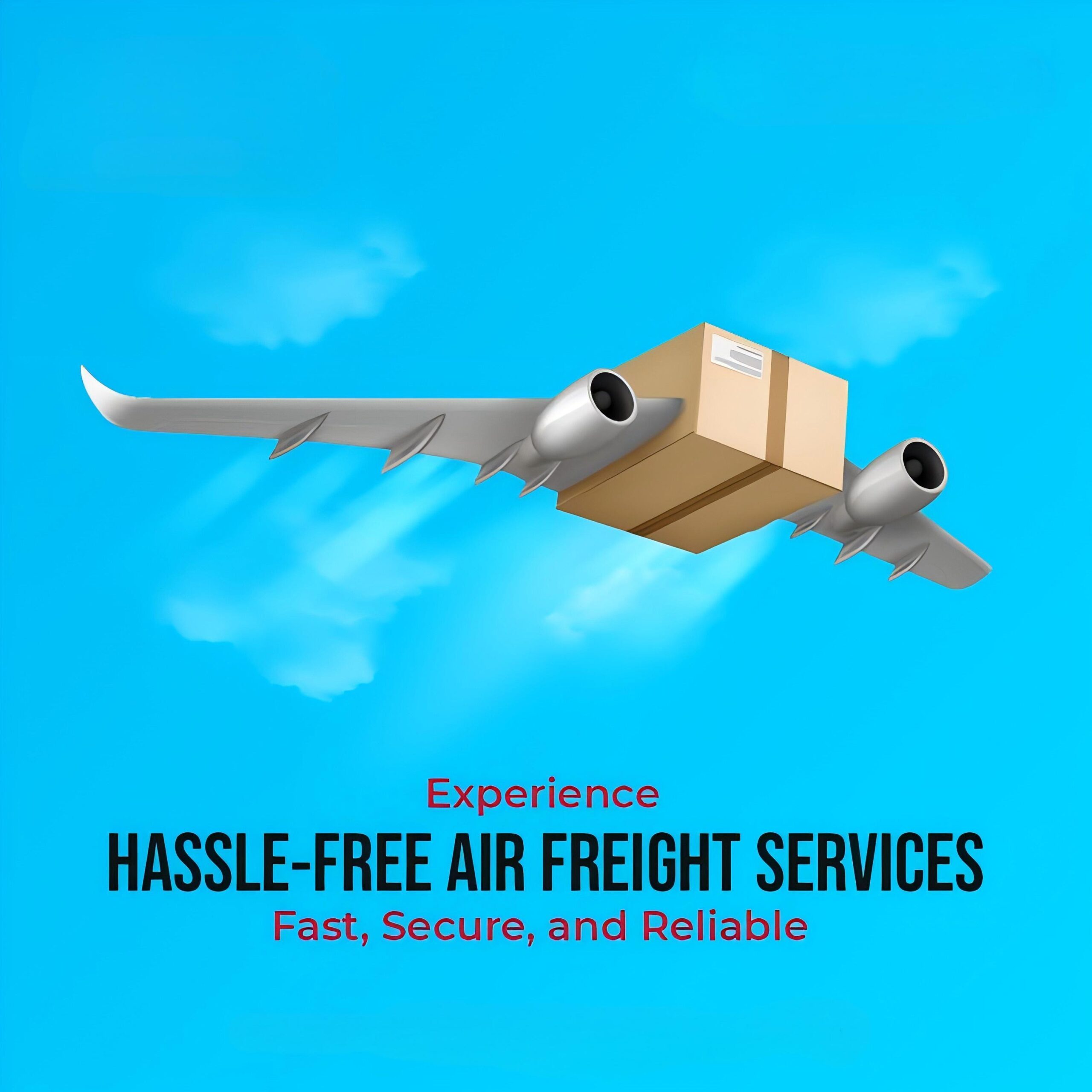
| Air Freight | $15,000-$25,000 (per ton, large volume) | 3-7 | Urgent, high-value, small volume shipments | Very high cost, limited capacity for large panels |
Decision Framework: Which Option Should You Choose?
Selecting the optimal shipping method for your solar panels depends on several critical factors. Prioritizing your budget, required speed, and the specific characteristics of your cargo will guide your decision. Consequently, a structured approach helps in making informed choices.
Consider your project’s timeline and financial constraints carefully. Moreover, assess the fragility and dimensions of your solar modules. This comprehensive evaluation ensures that you choose a shipping solution that aligns with your operational goals and minimizes risks.
Budget Priority
If cost-efficiency is your primary concern, standard FCL dry containers offer the lowest per-unit cost for non-oversized solar panels. For oversized modules, Open Top FCL remains the most economical sea freight option. However, for very small volumes, LCL might be considered, but with caution regarding handling and transit time. Always compare total landed costs, including potential demurrage.
Speed Priority
When project deadlines are tight, air freight is undeniably the fastest option, delivering within days. Nevertheless, its high cost often makes it impractical for large-scale solar projects. For sea freight, choosing direct services from major ports like Shanghai or Shenzhen to Los Angeles or Long Beach will minimize transit times compared to routes with transshipments.
Cargo Type and Volume Considerations
For oversized solar panels, Open Top FCL is indispensable. If your panels fit within standard container dimensions, a 40HQ FCL is generally the most efficient for large volumes. For smaller, urgent components or spare parts, air freight is suitable. Always verify cargo dimensions against container specifications to avoid re-packing or specialized loading issues.
Real-World Scenarios: Demurrage Prevention in Practice
Examining practical examples illustrates how effective planning and execution can prevent costly demurrage charges. These case studies highlight common challenges and the successful strategies employed to overcome them. Consequently, they offer valuable insights for future shipments of solar panels.
Case Study 1: Large-Scale Solar Farm Project
This project involved shipping 50 Open Top FCL containers of large solar modules and mounting frames. The key challenge was coordinating staggered arrivals with on-site installation schedules and ensuring rapid customs clearance due to the sheer volume.
| Detail | Description |
|---|---|
| Route | Shanghai, China to Long Beach, USA |
| Cargo | 50 x 40′ Open Top FCL containers of solar modules (400 CBM, 250,000 kg) |
| Container | 40′ Open Top FCL |
| Shipping Details | Major carrier, Direct service. Port of Loading: Shanghai. Port of Discharge: Long Beach. Coordinated sea freight with project schedule. |
| Cost Breakdown | Ocean Freight: $180,000 (avg $3,600/cont). Origin Charges: $15,000. Destination Charges: $20,000. Customs & Duties (estimated): $50,000. Total Landed Cost: $265,000. |
| Timeline | Booking to Loading: 7 days. Sea Transit: 15 days. Customs Clearance: 2 days. Total Door-to-Door: 20 days. |
| Key Insight | Pre-clearance documentation and dedicated on-site customs broker prevented demurrage entirely. Staged delivery to site minimized storage needs. Based on Q3 2024 market rates. |
Case Study 2: Residential Solar Distributor Replenishment
A distributor needed regular replenishment of various solar panel sizes, including some slightly oversized models. The challenge was balancing cost-effectiveness with consistent supply, avoiding demurrage on smaller, more frequent shipments.
| Detail | Description |
|---|---|
| Route | Ningbo, China to Los Angeles, USA |
| Cargo | 5 x 40′ Open Top FCL containers of mixed solar panel models (45 CBM, 25,000 kg per container) |
| Container | 40′ Open Top FCL |
| Shipping Details | Major carrier, Transshipment via Busan. Port of Loading: Ningbo. Port of Discharge: Los Angeles. Utilized door-to-door service. |
| Cost Breakdown | Ocean Freight: $16,500 (avg $3,300/cont). Origin Charges: $1,500. Destination Charges: $2,000. Customs & Duties (estimated): $5,000. Total Landed Cost: $25,000. |
| Timeline | Booking to Loading: 5 days. Sea Transit: 18 days. Customs Clearance: 3 days. Total Door-to-Door: 28 days. |
| Key Insight | Consolidating multiple models into Open Top FCL reduced per-unit cost. Pre-booking drayage and direct delivery to distribution center minimized port dwell time. Typical rates as of early 2025. |
Case Study 3: Emergency Component Shipment
This scenario involved a critical shipment of specialized solar inverter components that were slightly too tall for standard containers, requiring an Open Top FCL. Speed was paramount to avoid project delays, but demurrage was a significant concern given the tight schedule.
| Detail | Description |
|---|---|
| Route | Shenzhen, China to Oakland, USA |
| Cargo | 1 x 20′ Open Top FCL container of oversized inverter racks (25 CBM, 10,000 kg) |
| Container | 20′ Open Top FCL |
| Shipping Details | Expedited carrier service. Port of Loading: Shenzhen. Port of Discharge: Oakland. Fast track customs and delivery. |
| Cost Breakdown | Ocean Freight: $2,500. Origin Charges: $500. Destination Charges: $700. Customs & Duties (estimated): $1,500. Total Landed Cost: $5,200. |
| Timeline | Booking to Loading: 3 days. Sea Transit: 16 days. Customs Clearance: 1 day. Total Door-to-Door: 21 days. |
| Key Insight | Close coordination with carrier for priority handling and immediate customs release upon vessel arrival. Pre-arranged delivery truck was waiting. Market data suggests this expedited process effectively avoided demurrage, even with a smaller container. |
Mastering Open Top FCL Demurrage Prevention for Solar Panels
Successfully shipping solar panels via Open Top FCL from China to California demands meticulous planning, robust communication, and an experienced logistics partner. Demurrage charges, though often unforeseen, can be effectively prevented through proactive strategies at every stage of the supply chain. By optimizing documentation, ensuring smooth port operations, and choosing the right freight forwarder, you can safeguard your project’s financial and timeline integrity.
Ultimately, investing in preventative measures for Open Top FCL demurrage prevention for solar panels is an investment in your project’s success. Partnering with a specialist like Top China Freight ensures your valuable solar energy components reach their destination efficiently and cost-effectively, empowering your renewable energy initiatives.
Ready to streamline your logistics?
Are you planning a solar panel shipment from China to California and concerned about demurrage? Get in touch with our experts today for a tailored logistics solution. We specialize in Open Top FCL demurrage prevention, ensuring your project stays on schedule and within budget. Request a quote or learn more about our comprehensive services.