

Open Top FCL container shortage solution for machinery from China to Georgia
Finding a reliable Open Top FCL container shortage solution for machinery from China to Georgia has become a primary challenge for international equipment importers. Many businesses currently face delays because specialized equipment like open-top containers is often in short supply at major Chinese ports. Consequently, working with an experienced freight forwarder like Top China Freight is essential to navigate these logistical hurdles. This guide explores alternative strategies, costs, and transit times to ensure your heavy machinery reaches Georgia safely and on schedule.

Why is there an Open Top FCL container shortage for machinery from China to Georgia?
Global trade imbalances often lead to a lack of specialized containers at high-demand export hubs like Shanghai and Ningbo. Specifically, open-top containers are frequently stuck in regions where imports do not require specialized equipment for the return journey. Therefore, the availability of these units fluctuates significantly throughout the year.
Equipment repositioning costs also play a major role in the current shortage. Carriers might prioritize standard 20GP or 40HQ containers because they are easier to manage and stack. Meanwhile, machinery exporters must wait weeks for an open-top unit to become available at the port of loading.

Seasonal demand spikes further exacerbate the problem during the peak shipping months of Q3 and Q4. As a result, freight rates for specialized equipment can skyrocket without warning. Indeed, finding a consistent Open Top FCL container shortage solution for machinery from China to Georgia requires looking beyond traditional methods.
How to Address the Open Top FCL Container Shortage Solution for Machinery from China to Georgia
Utilizing flat rack containers serves as one of the most effective alternatives when open-top units are unavailable. These containers lack side walls and a roof, making them ideal for oversized machinery that requires top or side loading. Moreover, sea freight providers often have better availability for flat racks compared to open-top units.
Disassembling machinery into standard 40HQ containers is another practical strategy to bypass the shortage. While this requires additional labor for dismantling and reassembly, it significantly reduces the reliance on rare equipment. Consequently, your shipment can move much faster through standard shipping lanes.
Securing space on a breakbulk vessel is a third option for exceptionally heavy or large equipment. This method involves loading the machinery directly into the hold of a ship rather than using a container. Although the scheduling is less frequent, it provides a robust solution for massive industrial components.
Effective Open Top FCL Container Shortage Solution for Machinery from China to Georgia: Alternative Routes
Considering the Middle Corridor rail route provides a faster alternative to traditional maritime shipping. This route connects China to Georgia via Kazakhstan and the Caspian Sea. Additionally, rail freight can sometimes accommodate oversized cargo that would otherwise require specialized sea containers.
Trucking from China to Georgia is also gaining popularity for urgent machinery shipments. This door-to-door method bypasses port congestion entirely and offers more flexibility with loading schedules. Nevertheless, the costs are generally higher than sea freight, making it suitable for high-value or time-sensitive projects.
Combining different transport modes often yields the best results for complex logistics. For instance, you might use rail to a border point and then switch to specialized trailers for the final leg into Tbilisi or Poti. Without a doubt, a multimodal approach offers the resilience needed during equipment shortages.

How Does Open Top FCL Compare to Other Shipping Options?
Analyzing the differences between shipping methods helps importers make informed decisions based on budget and urgency. While Open Top FCL is convenient for its protective tarpaulin, Flat Racks offer more flexibility for width-exceeding cargo. In contrast, breakbulk is the only viable choice for machinery that exceeds the weight limits of any container type.
Transit times also vary significantly depending on the chosen method and the specific port of departure. Direct sea routes to Poti usually take 35 to 45 days, whereas rail options can cut this time down to 20 or 25 days. Accordingly, businesses must weigh the cost of speed against the potential losses from project delays.
| Open Top FCL | $4,500 – $7,500 | 35-45 Days | Height-exceeding cargo | Severe unit shortages |
| Flat Rack | $5,000 – $9,000 | 35-45 Days | Wide or heavy machinery | Cargo is more exposed |
| Breakbulk | $150 – $250 / CBM | 40-55 Days | Massive industrial gear | Infrequent sailings |
| Rail Freight | $8,000 – $12,000 | 18-25 Days | Urgent machinery needs | Weight restrictions |
Cost-Saving Strategies for Machinery Transport
Booking your shipment at least 4 to 6 weeks in advance is the simplest way to secure better rates and equipment. Carriers often provide early-bird discounts to shippers who commit to a schedule ahead of the peak season. Furthermore, this lead time allows your forwarder to hunt for available open-top units across multiple ports.
Optimizing the dimensions of your machinery can lead to significant savings. If a small component can be removed to fit the cargo into a standard container, you could save thousands in surcharges. Therefore, consulting with your engineering team about shipping-friendly designs is a wise investment.
Consolidating multiple smaller machines into a single flat rack or breakbulk shipment is another effective tactic. By maximizing the used space, you reduce the per-unit cost of the specialized transport. Indeed, efficient cargo handling is the cornerstone of a cost-effective supply chain.
Customs and Documentation for Georgia
Navigating the regulatory landscape in Georgia requires precise documentation to avoid costly port storage fees. You must provide a detailed packing list, commercial invoice, and the bill of lading. Additionally, using a professional customs brokerage ensures that your machinery meets all local safety and technical standards.
Georgia has simplified many of its import procedures to encourage trade, but machinery often requires specific technical certificates. For example, used machinery might need an inspection report to verify its condition and value. Consequently, preparing these documents before the ship arrives is vital for a smooth clearance process.
Certificates of origin are particularly important for determining if your shipment qualifies for any preferential trade agreements. If the documentation is incorrect, you might face delays at the port of Poti or Batumi. Meanwhile, having a local agent in Georgia can help resolve any unforeseen issues with the customs authorities.
Case Studies: Successful Machinery Shipments to Georgia
Below are real-world examples of how we solved equipment shortages for our clients during the 2024-2025 shipping seasons. These cases highlight the importance of flexibility and expert planning when shipping heavy equipment from China.
Case Study 1: Excavators from Shanghai to Poti. Route: Shanghai -> Poti, Georgia. Cargo: 2 Hydraulic Excavators, 52 CBM, 24,000 kg. Container: 1 x 40ft Flat Rack. Shipping Details: MSC via Istanbul. Cost: $8,800. Timeline: 38 days. Key Insight: Flat rack was used because no open-top units were available for 3 weeks.
Case Study 2: Industrial Boiler from Tianjin to Tbilisi. Route: Tianjin -> Tbilisi via Rail. Cargo: 1 Industrial Boiler, 45 CBM, 18,000 kg. Container: SOC (Shipper Owned Container) Open Top. Shipping Details: Middle Corridor Rail. Cost: $11,500. Timeline: 22 days. Key Insight: Using a shipper-owned container bypassed the carrier’s equipment shortage entirely.
Note: Freight rates are subject to change based on fuel costs, carrier capacity, and seasonal demand. Contact us for a current quote tailored to your specific shipment.
Which Option Should You Choose?
Selecting the right Open Top FCL container shortage solution for machinery from China to Georgia depends on your specific priorities. If your primary concern is the budget, waiting for a sea freight open-top unit or using a flat rack is usually best. On the other hand, if the project deadline is approaching, rail or road transport is the superior choice.
Cargo safety should also influence your decision. Open-top containers provide better protection from the elements compared to flat racks. However, with proper industrial shrink-wrapping and professional lashing, flat racks are perfectly safe for most machinery. Specifically, door to door services can manage the entire lashing and tarping process for you.
Volume thresholds also play a role in the selection process. For a single machine, a flat rack is often the most logical substitute. For a large-scale factory relocation, chartering a part of a breakbulk vessel might be more economical. Ultimately, the best solution is one that balances risk, cost, and speed.
Final Thoughts on Machinery Shipping to Georgia
Implementing a reliable Open Top FCL container shortage solution for machinery from China to Georgia requires a combination of early planning and flexible thinking. By considering flat racks, breakbulk, or rail freight, you can avoid the long wait times associated with standard open-top units. Furthermore, working with experts who understand the nuances of the China-Georgia route will protect your bottom line.
Ensuring your machinery arrives on time is critical for maintaining project schedules and client trust. While equipment shortages are a reality of modern logistics, they do not have to stop your business operations. With the right strategies in place, your machinery will reach Georgia efficiently, regardless of container availability.
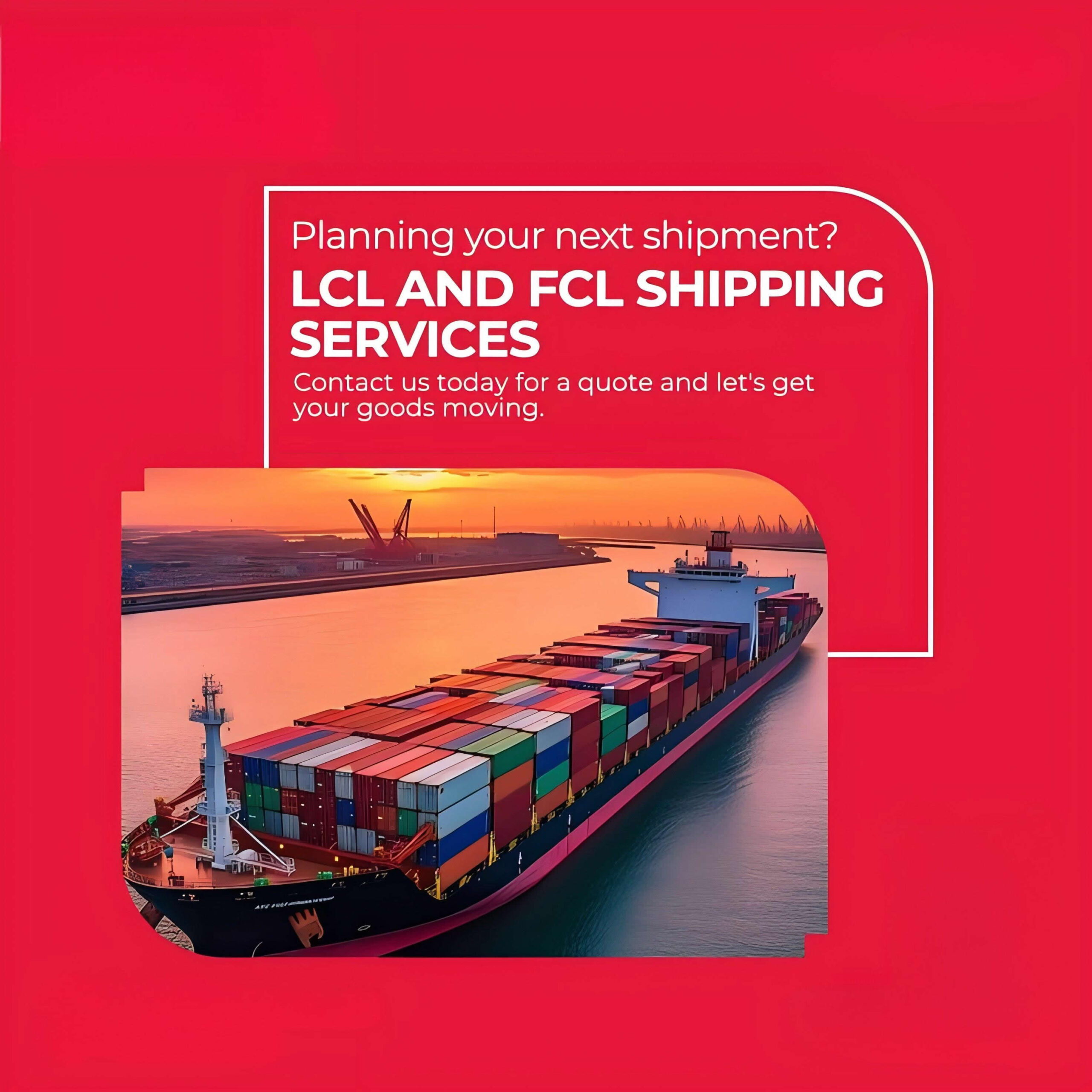
Ready to streamline your logistics?
Are you struggling to find an Open Top FCL container shortage solution for machinery from China to Georgia? Our team specializes in securing specialized equipment and alternative routes even during peak shortages. Contact us today for a personalized quote and let us handle your heavy equipment logistics with ease.
Request Quote