

Open Top FCL Best Route for Solar Panels from China to Spain
Transporting renewable energy technology requires specialized equipment and strategic planning to ensure safety and efficiency. Finding the Open Top FCL best route for solar panels from China to Spain is essential for developers looking to minimize transit risks and control costs. Top China Freight offers comprehensive logistics solutions tailored to the unique demands of the solar industry. This guide explores the most effective shipping lanes and container options for your next photovoltaic project.
Why Use Open Top FCL for Solar Panel Shipments?
Solar panels are frequently packed in oversized pallets that do not fit comfortably within the height constraints of standard dry van containers. Consequently, open top containers provide the necessary vertical flexibility to accommodate these taller loads without damaging the fragile glass surfaces. Moreover, these containers allow for top-loading via cranes, which is often safer than using forklifts in tight spaces.
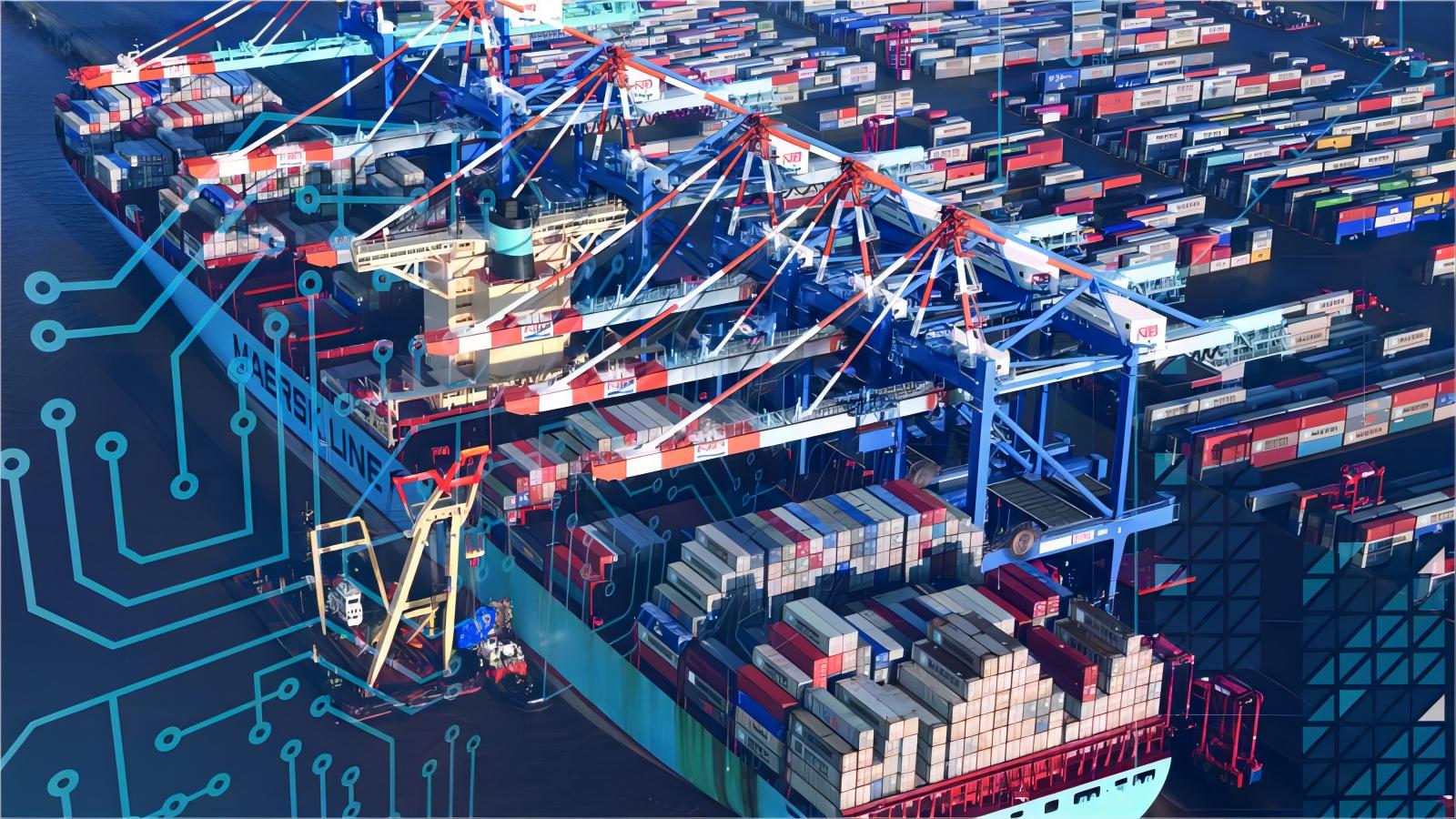
Choosing a full container load (FCL) ensures that your cargo remains isolated from other shippers’ goods, reducing the risk of contamination or physical impact. Furthermore, specialized equipment like open top units is specifically designed for heavy or awkwardly shaped items that require overhead access. Indeed, this method has become the industry standard for large-scale utility projects across the Iberian Peninsula.
Additionally, the structural integrity of an open top container allows for secure lashing and bracing of the solar modules. This stability is crucial during the long sea voyage where vessels encounter varying weather conditions. Therefore, investing in the right equipment at the start of the supply chain prevents costly delays and insurance claims later in the process.

Identifying the Open Top FCL Best Route for Solar Panels from China to Spain
The most efficient logistics path usually begins at major manufacturing hubs such as Ningbo, Shanghai, or Shenzhen. These ports offer the highest frequency of departures and the most competitive sea freight rates for specialized equipment. Specifically, the route through the Suez Canal is the primary artery connecting East Asia to the Mediterranean.
Valencia and Barcelona serve as the main gateways for solar cargo entering Spain due to their advanced infrastructure and proximity to major solar farm sites. For instance, choosing a direct service to Valencia can save several days of inland transit compared to secondary ports. Consequently, shippers should prioritize carriers that offer direct calls to these major hubs to avoid the risks associated with transshipment.
Nevertheless, global maritime conditions can influence the reliability of these routes. Recent shifts in vessel routing have led some carriers to bypass certain ports or adjust their schedules. Accordingly, logistics managers must stay informed about current port congestion levels and carrier capacity to maintain their project timelines.
Key Factors Influencing Transit Times and Costs
Transit times for the Open Top FCL best route for solar panels from China to Spain typically range from 30 to 40 days. However, this duration can fluctuate based on the specific port of loading and the chosen carrier’s rotation. For example, a direct vessel from Shenzhen to Barcelona might arrive faster than a ship departing from a northern port like Tianjin.
Fuel surcharges and seasonal demand significantly impact the total landed cost of solar modules. During peak seasons, such as the months leading up to the end of the year, freight rates often see a sharp increase. Furthermore, the availability of open top containers is more limited than standard units, which can lead to equipment surcharges.
To summarize, shippers must balance the need for speed with the reality of their budget. While direct routes are generally more expensive, they provide a level of predictability that is essential for time-sensitive construction projects. In contrast, transshipment options might offer lower prices but introduce a higher probability of delays at intermediate hubs.
| Direct Sea (Suez) | 30-35 Days | Moderate | High |
| Transshipment Sea | 40-50 Days | Low | Medium |
| Rail-Sea Hybrid | 22-28 Days | High | Medium |
| Direct Rail | 18-22 Days | Very High | High |
Navigating Customs and Documentation in Spain
Importing solar panels into the European Union requires meticulous attention to detail regarding documentation and compliance. Specifically, you must provide a commercial invoice, packing list, and a bill of lading that clearly describes the cargo. Without a doubt, working with a professional customs brokerage service is the best way to avoid expensive hold-ups at the Spanish border.
Spain has specific regulations regarding the technical certification of solar equipment, including CE marking and compliance with local electrical standards. Furthermore, importers must accurately declare the Harmonized System (HS) codes to ensure correct duty and tax calculations. Consequently, errors in documentation can lead to significant fines or the seizure of the entire shipment.
Moreover, the Integrated Tariff of the European Communities (TARIC) governs the duties applicable to solar modules. In addition to standard VAT, certain trade defense measures may apply depending on the current trade relations between China and the EU. Therefore, conducting a thorough pre-shipment audit of all paperwork is a vital step in the logistics process.
How Does Open Top FCL Compare to Other Shipping Options?
While Open Top FCL is ideal for oversized solar pallets, other methods might suit smaller shipments or tighter deadlines. For instance, standard 40HQ containers are more affordable if the pallets can be modified to fit the height limit. On the other hand, air freight is almost never used for solar panels due to the extreme cost and weight of the cargo.
Rail freight has emerged as a viable alternative for shipments destined for inland Spain. By utilizing the rail freight network through Central Asia and Europe, companies can reduce transit times by nearly two weeks. However, rail transport often involves more vibration and movement, which may not be suitable for the most fragile glass components.
LCL (Less than Container Load) is another option for small-scale residential installers who do not require a full container. Nevertheless, LCL increases the risk of damage because the panels are handled more frequently and stored alongside unrelated cargo. Accordingly, FCL remains the preferred choice for professional developers who prioritize safety and control.
| Open Top FCL | $4,500 – $6,500 | 30-38 Days | Oversized Project Cargo |
| Standard 40HQ | $3,500 – $4,800 | 30-38 Days | Standard Pallets |
| Rail Freight | $6,000 – $8,500 | 18-24 Days | Urgent Inland Delivery |
| LCL Sea | $80 – $150/CBM | 40-45 Days | Small Batch Samples |
Real-World Case Studies: Solar Logistics Success
Examining actual shipments provides valuable insights into the practical challenges and solutions of international logistics. These examples reflect the current market conditions of late 2024 and early 2025. In each case, the choice of the Open Top FCL best route for solar panels from China to Spain was critical to the project’s success.
Case Study 1: Ningbo to Valencia Project. Cargo: 500kW Solar Modules, 22 Pallets. Container: 1 x 40ft Open Top. Carrier: COSCO. Port of Loading: Ningbo. Port of Discharge: Valencia. Route: Direct via Suez. Ocean Freight: $5,200. Total Landed Cost: $6,800. Sea Transit: 32 days. Total Door-to-Door: 41 days. Key Insight: Early booking secured the rare open top equipment during a peak season.
Case Study 2: Shanghai to Barcelona Industrial Install. Cargo: 1.2MW Solar Modules, 48 Pallets. Container: 2 x 40ft Open Top. Carrier: Maersk. Port of Loading: Shanghai. Port of Discharge: Barcelona. Route: Direct. Ocean Freight: $10,800 (total). Total Landed Cost: $13,500. Sea Transit: 34 days. Total Door-to-Door: 45 days. Key Insight: Utilizing a door to door service simplified the complex inland delivery to a remote mountain site in Spain.
Decision Framework: Which Option Should You Choose?
Selecting the right shipping strategy depends on your project’s specific priorities, such as budget, speed, and cargo dimensions. If your primary goal is cost-saving and your pallets fit standard dimensions, a 40HQ container is the most logical choice. However, if your equipment is non-standard or requires crane loading, the Open Top FCL best route for solar panels from China to Spain is the only safe option.
For projects with strict construction deadlines, consider a hybrid sea-rail solution or a direct rail route. While more expensive, these methods significantly shorten the supply chain cycle. Furthermore, for shipments destined for Europe, the rail connection from Xi’an or Zhengzhou to Madrid is a well-established corridor.
Ultimately, you should consult with a freight forwarder who specializes in renewable energy. They can provide real-time data on port congestion and equipment availability. Without a doubt, a customized logistics plan will always outperform a generic shipping approach.
Final Thoughts on Solar Logistics to Spain
Successfully navigating the complexities of international solar shipping requires a blend of local expertise and global network reach. By identifying the Open Top FCL best route for solar panels from China to Spain, you protect your investment and ensure your project stays on track. Remember to account for seasonal fluctuations and the unique requirements of Spanish customs.
As the demand for green energy continues to grow, the logistics industry is evolving to provide even more specialized solutions. Stay ahead of the competition by choosing the right partners and the most efficient shipping lanes available today. Your commitment to a robust supply chain will pay dividends in the long-term success of your solar installations.
Ready to streamline your logistics?
Are you ready to optimize your renewable energy supply chain? Contact us today to secure the Open Top FCL best route for solar panels from China to Spain and receive a competitive quote tailored to your project. Visit our website to learn more about our specialized handling for oversized cargo. Send Inquiry link:
Request Quote