
Logistics Company China to Canada: 2026 Shipping Guide
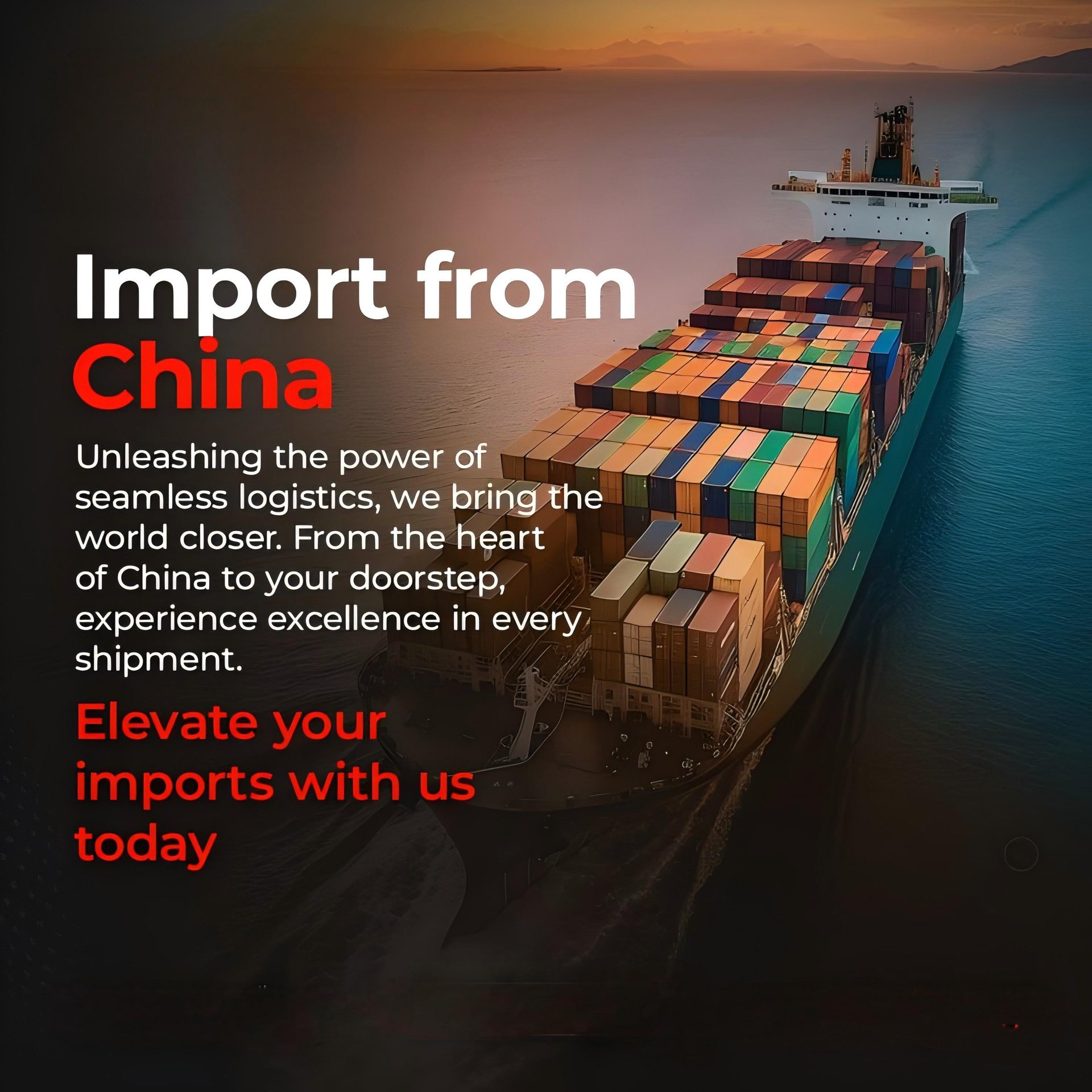
Navigating the complex trade corridor between East Asia and North America requires a partner that understands modern supply chain dynamics. Finding a reliable logistics company China to Canada is the most critical step for importers looking to stabilize their inventory flow in 2026. Consequently, businesses must weigh the trade-offs between speed and cost while ensuring compliance with evolving Canadian customs regulations. This comprehensive guide provides the essential market intelligence needed to optimize your trans-Pacific shipping strategy this year.
Why Choose a Professional Logistics Company China to Canada?
Reliability in the current market hinges on a freight forwarder’s ability to secure space during peak seasons. Furthermore, a professional logistics provider acts as your boots on the ground in major hubs like Shenzhen, Ningbo, and Shanghai. They manage the intricate details of cargo handling and local documentation that often cause delays for inexperienced shippers.
Effective communication serves as the backbone of any successful international trade operation. Meanwhile, professional firms utilize advanced tracking systems to provide real-time visibility into your shipment’s journey across the Pacific. This transparency allows Canadian businesses to plan their marketing and distribution schedules with much higher precision.
Cost optimization is another significant advantage of partnering with an established logistics expert. Specifically, they can leverage high-volume contracts with major carriers like COSCO and Maersk to offer more competitive freight rates than individual shippers could obtain. In addition, they provide consolidated shipping options that significantly reduce expenses for smaller cargo volumes.
Comprehensive Shipping Methods for 2026
Choosing the right transportation mode depends entirely on your specific budget, timeline, and product characteristics. For instance, sea freight remains the most economical choice for bulky items or large inventory restocks. Most maritime shipments from China arrive at the Port of Vancouver or Port of Prince Rupert before moving inland via rail.
Alternatively, air freight provides the speed necessary for high-value electronics or urgent seasonal fashion lines. While the cost per kilogram is substantially higher, the transit time is reduced from weeks to just a few days. This method is particularly effective for maintaining lean supply chains and responding quickly to Canadian market trends.
Moreover, many modern importers are exploring hybrid solutions that combine the benefits of different modes. For example, sea-air services can offer a middle ground in terms of both pricing and delivery speed. These multimodal strategies are becoming increasingly popular as businesses seek to balance their logistics budgets against the need for rapid replenishment.
How Does Sea Freight Compare to Other Shipping Options?
Ocean transport continues to be the workhorse of international trade, handling over 80 percent of global goods volume. However, it is essential to understand how it stacks up against air and express alternatives in the 2026 landscape. While sea freight offers the lowest cost per unit, it also carries the longest lead times and higher risks of port-related delays.
In contrast, air freight offers unparalleled security and speed but comes with a significant price premium. For shipments under 100 kilograms, express services are often the most sensible choice due to their all-inclusive nature. Nevertheless, for any shipment exceeding 2 cubic meters, the cost savings of ocean transport usually outweigh the convenience of faster methods.
| Shipping Method | Cost Range | Transit Time | Best For |
|---|---|---|---|
| Sea Freight (FCL) | $2,800 – $4,500 | 18 – 35 Days | Bulk Goods |
| Air Freight | $4.50 – $8.50/kg | 3 – 7 Days | High Value |
| Express Service | $7.00 – $12.00/kg | 2 – 5 Days | Samples/Urgent |
| LCL (Sea) | $80 – $150/CBM | 22 – 40 Days | Small Batches |
Understanding Shipping Costs and Freight Rates
Market data suggests that freight rates have stabilized in early 2026 after the fluctuations seen in previous years. Nevertheless, total landed costs involve more than just the base ocean or air rate. You must also account for fuel surcharges, terminal handling charges, and documentation fees at both the origin and destination.
Specifically, door to door shipping quotes provide the most clarity for Canadian importers. This all-in pricing model covers everything from the factory pickup in China to the final delivery at your warehouse in Toronto or Montreal. Consequently, it eliminates the surprise of hidden fees that often arise during the final mile of delivery.
Indeed, seasonal demand plays a massive role in pricing structures throughout the year. Rates typically increase by 15 to 25 percent during the peak season from August to October as retailers prepare for the holiday rush. Therefore, booking your shipments at least 3-4 weeks in advance is highly recommended to secure the best possible pricing.
| Route | 20GP Container | 40HQ Container | Est. Transit |
|---|---|---|---|
| Shanghai to Vancouver | $1,850 – $2,300 | 2,900 – $3,600 | 15 – 18 Days |
| Shenzhen to Toronto | $2,600 – $3,200 | $4,100 – $5,200 | 28 – 35 Days |
| Ningbo to Montreal | $2,750 – $3,400 | $4,300 – $5,500 | 30 – 38 Days |
Customs Brokerage and Documentation Checklist
Navigating the Canada Border Services Agency (CBSA) requirements is often the most daunting part of the import process. Utilizing a professional customs brokerage service ensures that your Harmonized System (HS) codes are accurate. Incorrect classification can lead to significant fines, delayed cargo, or even seizure of goods by authorities.
Moreover, the documentation must be perfect to avoid unnecessary storage fees at the port. For instance, the Commercial Invoice, Packing List, and Bill of Lading are the three pillars of international shipping documentation. In addition, certain products may require specific permits or certificates of origin to qualify for preferential tariff treatments under trade agreements.
Consequently, working with a logistics company that provides integrated customs services simplifies the entire supply chain. They can handle the electronic filing of manifests and ensure that duties and taxes are paid promptly. This proactive approach prevents your cargo from sitting idle in a bonded warehouse while paperwork issues are resolved.
Amazon FBA Solutions for Canadian Sellers
Selling on Amazon Canada requires a specialized logistics approach to meet the platform’s strict receiving guidelines. Specifically, Amazon FBA shipping involves precise labeling, palletization, and appointment scheduling at fulfillment centers like YYZ4 or YVR4. Failure to follow these requirements can result in rejected shipments and additional transit costs.
Furthermore, many successful sellers use a prep center strategy to inspect goods before they reach Amazon’s warehouse. This extra step ensures that the product quality meets customer expectations and reduces the rate of returns. A professional logistics company can often provide these value-added services at their own transit hubs in China or Canada.
Accordingly, choosing a freight forwarder with experience in the Amazon ecosystem is vital for maintaining a high seller rating. They understand the nuances of the CARP system and can manage the final delivery via approved carriers. This expertise allows you to focus on marketing and sales while the logistics of your inventory remain in expert hands.
Real-World Case Studies (2025-2026)
Examining actual shipping scenarios provides valuable insight into the practicalities of trans-Pacific logistics. These examples reflect the current market conditions and demonstrate how different strategies impact the final outcome. Whether you are shipping high-tech components or consumer furniture, these cases highlight the importance of expert planning.
Case Study 1: Electronics Distribution Route: Shenzhen, China to Vancouver, Canada Cargo: Consumer Electronics, 68 CBM, 12,500 kg Container: 40HQ Shipping Details: – Carrier: Major Carrier (Direct Service) – Port of Loading: Shenzhen – Port of Discharge: Vancouver Cost Breakdown: – Ocean Freight: $3,250 – Origin Charges: $450 – Destination Charges: $600 – Customs and Duties: $4,200 – Total Landed Cost: $8,500 Timeline: – Booking to Loading: 4 days – Sea Transit: 16 days – Customs Clearance: 2 days – Total Door-to-Door: 25 days Key Insight: Direct routing saved 10 days compared to transshipment options, which was critical for a product launch.
Case Study 2: Home Decor Startup Route: Ningbo, China to Toronto, Canada Cargo: Wooden Furniture, 12 CBM, 3,200 kg Container: LCL (Less than Container Load) Shipping Details: – Carrier: Consolidation Service – Port of Loading: Ningbo – Port of Discharge: Toronto (via Vancouver Rail) Cost Breakdown: – Ocean Freight: $1,440 ($120/CBM) – Origin Charges: $280 – Destination Charges: $550 – Customs and Duties: $1,100 – Total Landed Cost: $3,370 Timeline: – Booking to Loading: 6 days – Sea Transit: 22 days – Rail Transit: 7 days – Customs Clearance: 3 days – Total Door-to-Door: 42 days Key Insight: LCL was 40 percent cheaper than a 20GP container for this volume, despite the longer transit time.
Decision Framework: Which Option Should You Choose?
Determining the best shipping strategy requires a clear assessment of your business priorities. If your primary goal is budget conservation, sea freight is the undisputed winner for almost all cargo types. However, if you are dealing with perishable items or stock-outs, the premium price of air freight becomes a necessary investment in customer satisfaction.
Specifically, consider the volume threshold when switching between LCL and FCL. For shipments over 15 cubic meters, it is often more cost-effective to book a full 20-foot container rather than paying per-CBM rates for consolidated shipping. This transition point varies based on current market demand but remains a reliable rule of thumb for 2026.
Moreover, evaluate the complexity of your cargo before choosing a service level. Dangerous goods, oversized machinery, or temperature-controlled items require specialized handling that only experienced logistics firms can provide. Always prioritize a provider with a proven track record in your specific industry niche to minimize the risk of transit damage or compliance issues.
Mastering Your Canada-China Logistics Strategy
To summarize, successful importing in 2026 requires a balanced approach to cost, speed, and compliance. By selecting a professional logistics company China to Canada, you gain access to the infrastructure and expertise necessary to navigate the complexities of international trade. Whether you utilize sea, air, or express services, the key is proactive planning and clear communication with your freight partner.
Indeed, the landscape of trans-Pacific shipping continues to evolve with new technologies and regulations. Staying informed about market trends and maintaining a flexible logistics strategy will ensure your business remains competitive. Focus on building a long-term relationship with your forwarder to achieve the best results for your Canadian enterprise.
Need a tailored shipping solution?
Managing your supply chain effectively starts with a customized quote from a trusted logistics company China to Canada. Our team at Top China Freight provides the expertise and local support needed to streamline your international shipping operations. Contact us today to receive a comprehensive freight analysis and secure the most competitive rates for your 2026 shipments. Send Inquiry