

LCL Cargo China to USA Service: 2026 Logistics Guide | A/B Options: 1. Reliable LCL Cargo China to USA Service for 2026
“Managing international logistics requires a dependable LCL cargo china to USA service to ensure your goods arrive safely and on schedule. Small businesses and growing enterprises often face the challenge of shipping volumes that do not fill an entire container, making consolidation the most logical choice. By leveraging the expertise of Top China Freight, you can streamline your supply chain and reduce overhead costs significantly. This comprehensive guide explores the current 2026 market landscape, providing the insights necessary to navigate trans-Pacific trade with confidence and precision.”
What is LCL Cargo China to USA Service?
❖LCL stands for Less than Container Load, a shipping method where multiple shippers share space within a single ocean container. This specific LCL cargo china to USA service allows you to pay only for the volume you occupy, measured in cubic meters (CBM). Consequently, this method offers a cost-effective solution for shipments that are too large for express couriers but too small to justify a full 20-foot or 40-foot container.
Freight forwarders manage the entire consolidation process at the port of origin, such as Shenzhen or Shanghai. They gather various small shipments and pack them into a single container destined for major US hubs like Los Angeles or New York. Furthermore, choosing sea freight consolidation ensures that even the smallest inventory restock remains economically viable for your business.
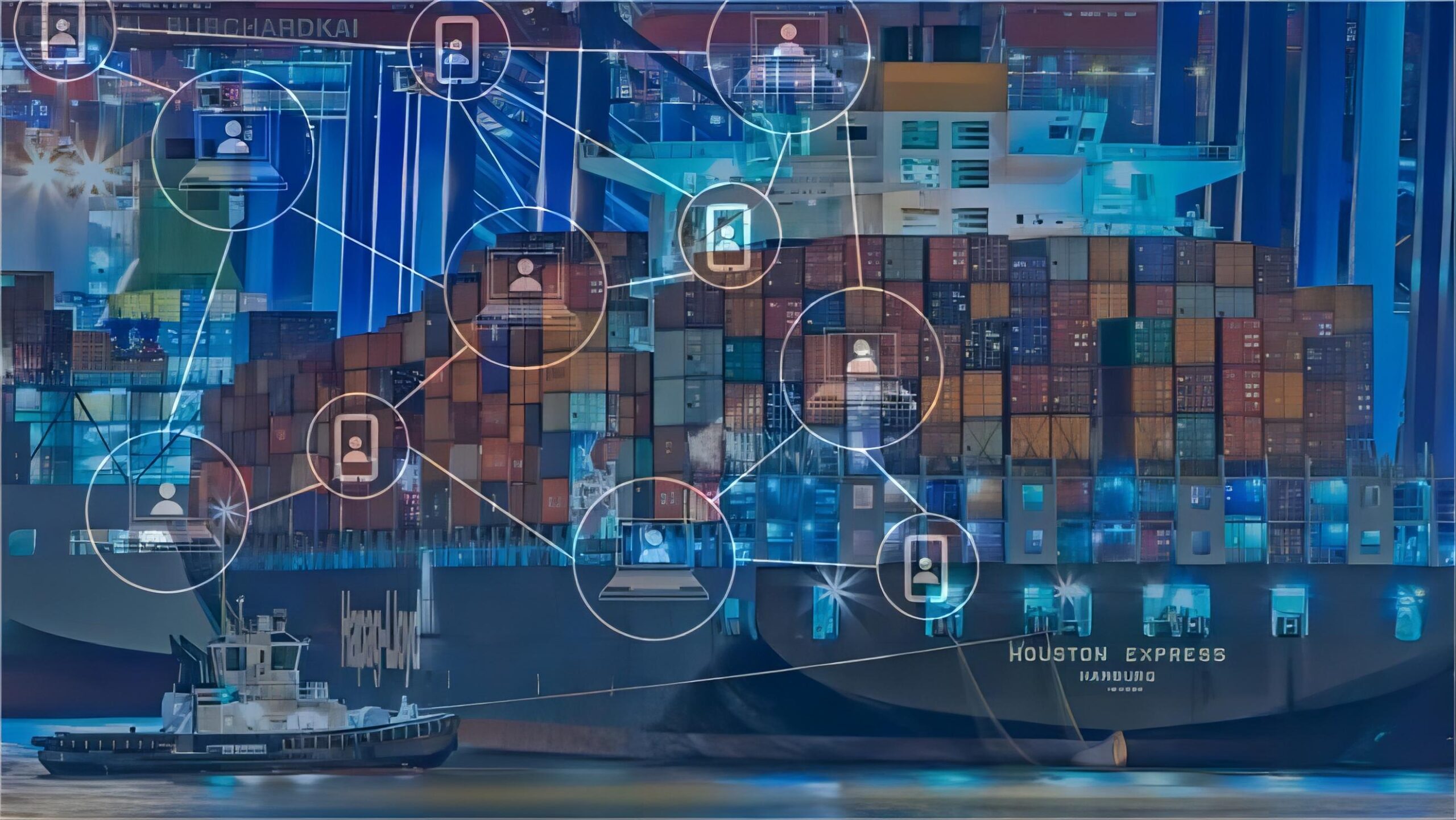
Consolidation centers play a vital role in this logistics chain by ensuring cargo safety during the packing phase. Workers carefully stack and secure pallets to prevent movement during the long trans-Pacific journey. Indeed, modern tracking technology now allows shippers to monitor their individual pallets within the shared container throughout the entire voyage.
How Does LCL Cargo China to USA Service Compare to Other Shipping Options?
❖Choosing the right shipping method depends heavily on your specific volume, budget, and timeline requirements. While LCL is ideal for mid-sized shipments, other options like Full Container Load (FCL) or air freight might suit different scenarios. Specifically, FCL becomes more economical once your shipment exceeds 15 CBM, as the flat rate for a full container eventually drops below the per-CBM cost of LCL.
Air freight remains the fastest alternative, though it carries a significantly higher price tag compared to ocean-based solutions. In contrast, LCL provides a middle ground that balances cost-efficiency with the ability to move larger weights than standard express services. Shippers must evaluate these trade-offs carefully to maintain a healthy profit margin in the competitive 2026 retail market.
Hybrid solutions have also gained popularity in recent years to address specific supply chain bottlenecks. For example, some businesses use sea-air combinations to bypass port congestion while keeping costs lower than pure air transport. Nevertheless, for the majority of consumer goods and industrial parts, the standard LCL cargo china to USA service remains the most balanced choice.
Which Option Should You Choose?
❖Decision-making in logistics requires a clear understanding of your priority hierarchy between speed and cost. If your primary goal is budget optimization and your cargo volume is between 1 and 12 CBM, the LCL cargo china to USA service is almost always the superior choice. This allows you to maintain consistent inventory levels without the massive capital outlay required for full containers.
Speed-oriented businesses should prioritize air freight despite the higher costs, especially for electronics or fashion items with short lifecycles. On the other hand, if you are moving heavy machinery or bulk raw materials, FCL offers better security and a lower cost per unit of weight. Always consider the total landed cost, including port fees and trucking, before making your final selection.
Cargo type also dictates the best method for your specific needs. Fragile items might benefit from the reduced handling of FCL, whereas durable goods are perfectly suited for the multiple handling stages of LCL consolidation. Therefore, consulting with an experienced freight forwarder can help you identify the most efficient route based on your current cargo profile.
Understanding 2026 Market Rates for LCL Cargo China to USA Service
❖Market conditions in early 2026 show a stabilization of freight rates after the fluctuations seen in previous years. Currently, LCL rates from major Chinese ports to the US West Coast hover between $50 and $90 per CBM, depending on the carrier and specific service level. Shippers to the East Coast should expect higher rates, often ranging from $80 to $130 per CBM due to the longer transit through the Panama Canal.
Seasonal trends continue to influence pricing, with significant spikes occurring during the lead-up to the Lunar New Year and the Q4 holiday rush. During these peak periods, rates can increase by 20% to 30% as capacity tightens across all major shipping lines. Additionally, fuel surcharges and port congestion fees can add unexpected costs to your final invoice if not properly managed.
Professional customs brokerage services are essential for navigating the complex tariff landscape of 2026. These experts ensure that your cargo is classified correctly under the Harmonized System (HS) codes, preventing costly delays and fines at the US border. Consequently, investing in proper documentation and compliance is just as important as finding the lowest freight rate.
Major Ports and Transit Times for US Routes
❖Transit times for LCL cargo china to USA service vary significantly based on the destination port and the specific shipping line used. Direct services from Shanghai or Ningbo to Los Angeles or Long Beach typically take between 16 and 22 days. However, you must also account for the time required for consolidation at the origin and deconsolidation at the destination warehouse.
East Coast destinations like New York, Savannah, or Charleston require longer voyages, often spanning 30 to 40 days. These routes usually involve transiting the Panama Canal or, in some cases, utilizing the Suez Canal depending on global maritime conditions. Meanwhile, shipments to the Gulf Coast, including Houston, generally fall within the 28 to 35-day range.
Reliable door to door services include the final mile delivery from the deconsolidation point to your warehouse. This integrated approach simplifies the logistics chain by providing a single point of contact for the entire journey. As a result, many importers prefer this comprehensive solution to avoid the hassle of coordinating multiple local trucking companies.

Amazon FBA and Specialized LCL Solutions
❖E-commerce sellers frequently utilize the LCL cargo china to USA service to restock their Amazon fulfillment centers. This specialized logistics path requires strict adherence to Amazon packaging and labeling standards to avoid rejection at the FBA warehouse. Furthermore, using an Amazon FBA specialist ensures that your pallets meet all height and weight requirements.
Consolidators often offer dedicated lanes specifically for Amazon sellers, grouping multiple FBA shipments into a single container. This strategy reduces the risk of delays because the entire container is destined for a single region or even a specific fulfillment center. Consequently, sellers can maintain high inventory health scores without overstocking their products.
Advanced tracking systems now provide real-time updates specifically tailored for e-commerce platforms. Shippers receive notifications when the vessel departs, when the cargo clears customs, and when the final delivery appointment is scheduled with Amazon. Indeed, this level of transparency is crucial for managing marketing campaigns and customer expectations in the fast-paced 2026 digital economy.
Required Documentation for US Customs Clearance
❖Successful importing through an LCL cargo china to USA service depends on the accuracy of your shipping documents. The commercial invoice and packing list are the most critical pieces of paperwork, detailing the value, quantity, and description of the goods. Additionally, the Bill of Lading (BoL) serves as the contract of carriage and the title to the goods during transit.
Importers must also ensure they have a valid Customs Bond, whether it is a single-entry bond or a continuous bond for frequent shippers. For shipments reaching North America, the Importer Security Filing (ISF), also known as 10+2, must be submitted at least 24 hours before the vessel departs China. Failure to comply with this regulation can result in significant fines and cargo holds.
Specific products may require additional certifications, such as FDA approval for food and medical devices or FCC certification for electronics. Therefore, you should verify all regulatory requirements well in advance of the shipping date to prevent your cargo from being stuck in a customs exam. Moreover, working with a knowledgeable freight forwarder can help you identify these needs early in the process.
Realistic Case Studies for LCL Shipments
❖Examining real-world scenarios helps shippers understand the practical application of the LCL cargo china to USA service. These examples illustrate the costs and timelines associated with different cargo types and routes in the current market. Specifically, these cases reflect the typical experiences of small to medium enterprises importing goods from major Chinese manufacturing hubs.
Case Study 1: Electronics from Shenzhen to Los Angeles. A tech startup imported 5 CBM of consumer electronics weighing 1,200kg. Using an LCL service with a major carrier like COSCO, the ocean freight cost was $375 ($75 per CBM). Including origin charges of $200 and destination fees of $350, the total landed freight cost was $925. The cargo reached the LA warehouse in 23 days total.
Case Study 2: Home Decor from Ningbo to New York. A retail boutique shipped 8 CBM of wooden furniture weighing 1,800kg. The sea transit took 34 days via the Panama Canal. Total ocean freight was $840 ($105 per CBM), with destination handling and customs clearance adding $600. The door-to-door timeline finished at 44 days, providing a reliable restock for the spring season.
Final Thoughts on LCL Cargo China to USA Service
Mastering the use of LCL cargo china to USA service is a competitive advantage for any business importing from overseas. By understanding the balance between cost, speed, and cargo volume, you can make informed decisions that protect your bottom line. Furthermore, the 2026 logistics market offers more transparency and reliability than ever before for small volume shippers.
Reliability in your logistics partner is the cornerstone of a successful international trade operation. Whether you are shipping electronics, furniture, or Amazon FBA inventory, consistent communication and professional handling are essential. Consequently, choosing a provider that understands both the Chinese manufacturing landscape and US customs regulations will ensure your long-term success.
Note: Freight rates are subject to change based on fuel costs, carrier capacity, and seasonal demand. Contact us for a current quote tailored to your specific shipment.

Ready to streamline your logistics?
Streamline your supply chain today by choosing the most reliable LCL cargo china to USA service. Contact our team at Top China Freight for a personalized quote and expert guidance on your next shipment. Visit our website to start your inquiry and experience seamless logistics tailored to your business needs.
Request Quote