

Import Shipping China to Australia: 2026 Comprehensive Logistics Guide
Import shipping China to Australia requires strategic planning and a deep understanding of trans-Pacific logistics to maintain a healthy supply chain. Businesses often face challenges with fluctuating rates and complex customs regulations, which is why partnering with Top China Freight ensures your cargo moves efficiently. Consequently, this guide provides the necessary market intelligence for 2026 to help you optimize your shipping strategy and reduce landed costs.
How Does Sea Freight Compare to Other Shipping Options?
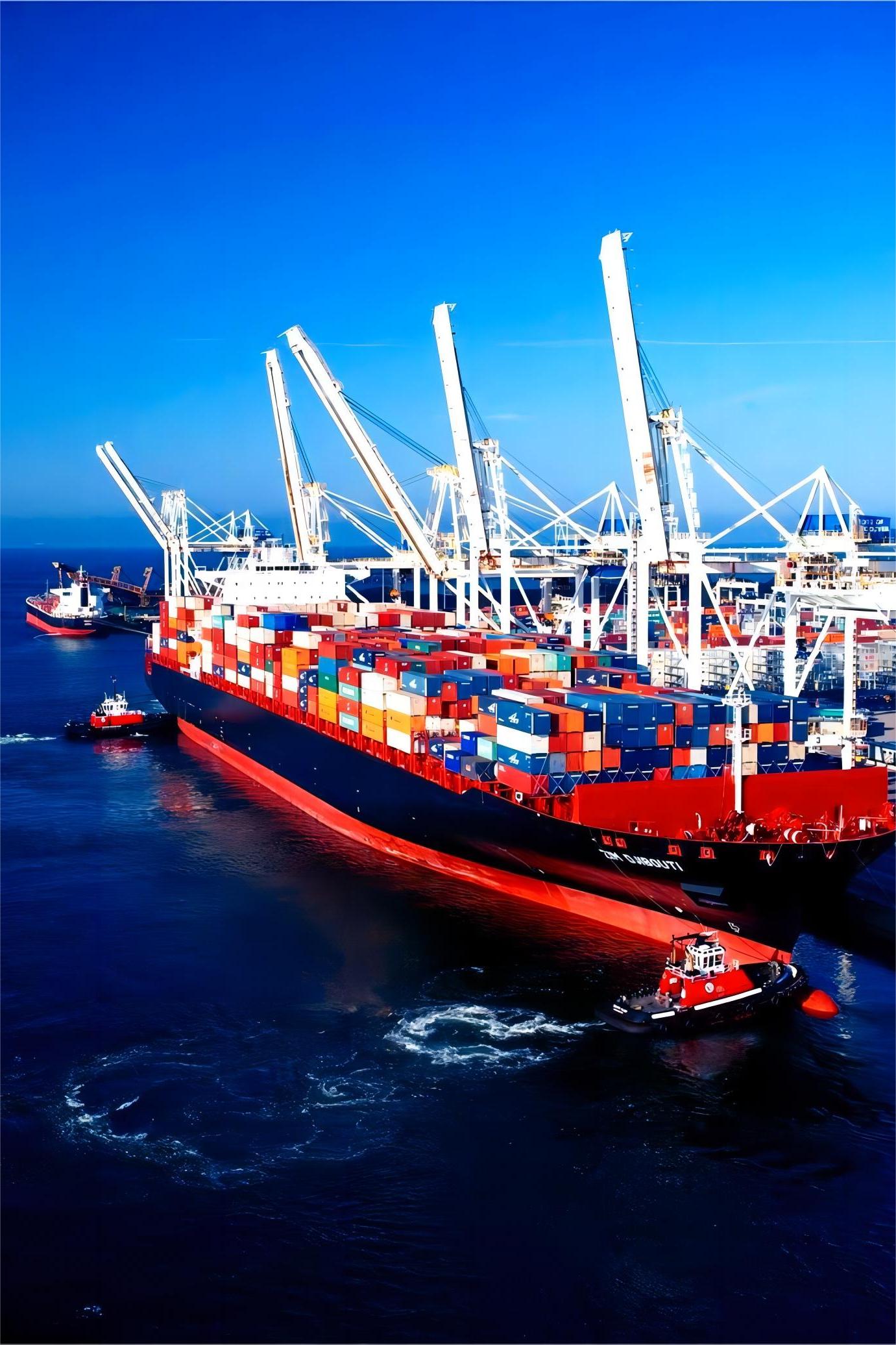
Sea freight remains the backbone of trade between China and Australia due to its massive capacity and cost-effectiveness for bulky goods. Furthermore, as of early 2026, ocean carriers have stabilized their schedules, providing more predictable arrival windows for Australian ports. In contrast, air freight offers unmatched speed but comes at a significant premium that can impact your profit margins on low-value items.

Choosing between FCL and LCL is a critical decision for every importer. Specifically, Full Container Load (FCL) provides better security and faster transit because the container is dedicated to your goods alone. Meanwhile, Less than Container Load (LCL) allows smaller businesses to share space, making it an ideal entry point for those with lower volumes. Therefore, you must weigh the urgency of your delivery against the total logistics budget.
Alternative strategies often involve hybrid solutions or choosing specific ports to avoid congestion. For instance, shipping to Brisbane might be faster than Sydney during peak seasons when the southern ports experience higher traffic. Additionally, direct shipping routes are currently preferred over transshipment via Singapore to minimize the risk of delays in the 2026 market.
| Shipping Method | Cost Range | Transit Time | Best For |
|---|---|---|---|
| Sea Freight (FCL) | $1,200 – $2,200 | 12-22 Days | Bulk cargo and large volumes |
| Sea Freight (LCL) | $60 – $120/CBM | 18-28 Days | Small shipments over 1 CBM |
| Air Freight | $4.50 – $9.00/kg | 3-7 Days | High-value or urgent goods |
| Express Service | $7.00 – $14.00/kg | 2-5 Days | Samples and small parcels |
Understanding 2026 Market Trends for Import Shipping China to Australia
Current market data suggests that freight rates have found a new equilibrium after the disruptions seen in previous years. Moreover, the 2026 shipping season is characterized by a shift toward greener logistics, with many carriers introducing carbon-offset programs for the China-Australia route. Consequently, importers who prioritize sustainability may find better long-term contracts with major shipping lines.
Seasonal variations continue to play a major role in pricing and availability. For example, rates typically increase by 15-25 percent during the August-October peak season as retailers prepare for the Australian summer and holiday sales. Indeed, booking your space at least 4-6 weeks in advance during these periods is essential to avoid being rolled to a later vessel.
Technological advancements in tracking have also improved the transparency of the supply chain. Today, most sea freight providers offer real-time GPS monitoring of containers. This allows Australian businesses to manage their inventory more accurately and provide better updates to their end customers.
Air Freight Solutions for Time-Sensitive Cargo
When speed is the primary requirement, air freight is the most reliable method for moving goods from Chinese manufacturing hubs to Australian cities. Historically, electronics and fashion items dominate this shipping channel due to their high value-to-weight ratio. Nevertheless, you should always calculate the volumetric weight to ensure you are not overpaying for lightweight, bulky packaging.
Direct flights from Shenzhen, Shanghai, and Guangzhou to Sydney or Melbourne offer the fastest transit times. However, choosing a deferred air service with a stopover in Hong Kong can often save you 20-30 percent on costs while only adding two days to the schedule. Therefore, businesses must decide if the extra 48 hours is worth the significant cost reduction.
Market intelligence for 2026 indicates that air cargo capacity has increased as more passenger flights return to full schedules. As a result, spot rates for air freight have become more competitive than in the early 2020s. For very small parcels, using an express service remains the most efficient way to handle door-to-door delivery with minimal paperwork.
Which Option Should You Choose?
Budget Priority
Speed Priority
Cargo Type Considerations
Managing Customs Clearance and Documentation
Navigating the Australian Border Force requirements is often the most daunting part of the import process. Specifically, you must ensure that all packing lists, commercial invoices, and certificates of origin are meticulously prepared. Using a professional customs brokerage service can prevent costly delays and ensure you benefit from any applicable free trade agreements.
Australia has strict biosecurity laws that require specific treatments for wood packaging and certain organic materials. Furthermore, failure to comply with these regulations can lead to your cargo being quarantined or sent back to China at your expense. Consequently, it is vital to verify that your suppliers use heat-treated pallets and provide the necessary fumigation certificates.
Accurate classification of goods using the Harmonized System (HS) codes determines the amount of duty and GST you will pay. In addition, many products imported from China to Australia qualify for zero tariffs under ChAFTA. Therefore, double-checking your eligibility for these concessions can save your business thousands of dollars annually.
| Document Name | Purpose | Required By | Format |
|---|---|---|---|
| Commercial Invoice | Valuation of goods | Customs / ABF | Digital/Original |
| Packing List | Verification of contents | Port Authorities | Digital |
| Bill of Lading | Title to the cargo | Shipping Line | Original/Telex |
| COO (ChAFTA) | Duty concessions | Customs / ABF | Original |
Case Studies: Realistic Import Scenarios for 2026
Box Case Study 1: Small Business Electronics LCL Route: Shenzhen, China to Sydney, Australia Cargo: Consumer Electronics, 3.5 CBM, 850 kg Container: LCL (Shared Container) Shipping Details: – Carrier: COSCO Shipping – Port of Loading: Shenzhen (Yantian) – Port of Discharge: Sydney (Port Botany) – Route Type: Direct Cost Breakdown: – Ocean Freight: $320 – Origin Charges: $150 – Destination Charges: $450 – Customs and Duties: $1,200 – Total Landed Cost: $2,120 Timeline: – Booking to Loading: 4 days – Sea Transit: 14 days – Customs Clearance: 2 days – Total Door-to-Door: 20 days Key Insight: Using LCL allowed the business to maintain stock without the high cost of air freight during a mid-year sales surge.
Box Case Study 2: Industrial Machinery FCL Route: Ningbo, China to Melbourne, Australia Cargo: CNC Machinery, 1 x 20GP Container Container: 20GP Full Container Shipping Details: – Carrier: Maersk Line – Port of Loading: Ningbo-Zhoushan – Port of Discharge: Port of Melbourne – Route Type: Transshipment via Singapore Cost Breakdown: – Ocean Freight: $1,150 – Origin Charges: $280 – Destination Charges: $550 – Customs and Duties: $3,500 – Total Landed Cost: $5,480 Timeline: – Booking to Loading: 6 days – Sea Transit: 22 days – Customs Clearance: 3 days – Total Door-to-Door: 31 days Key Insight: Choosing a transshipment route saved $300 in freight costs compared to direct service, which was acceptable for non-urgent industrial equipment.
Optimizing Your Supply Chain with Door to Door Services
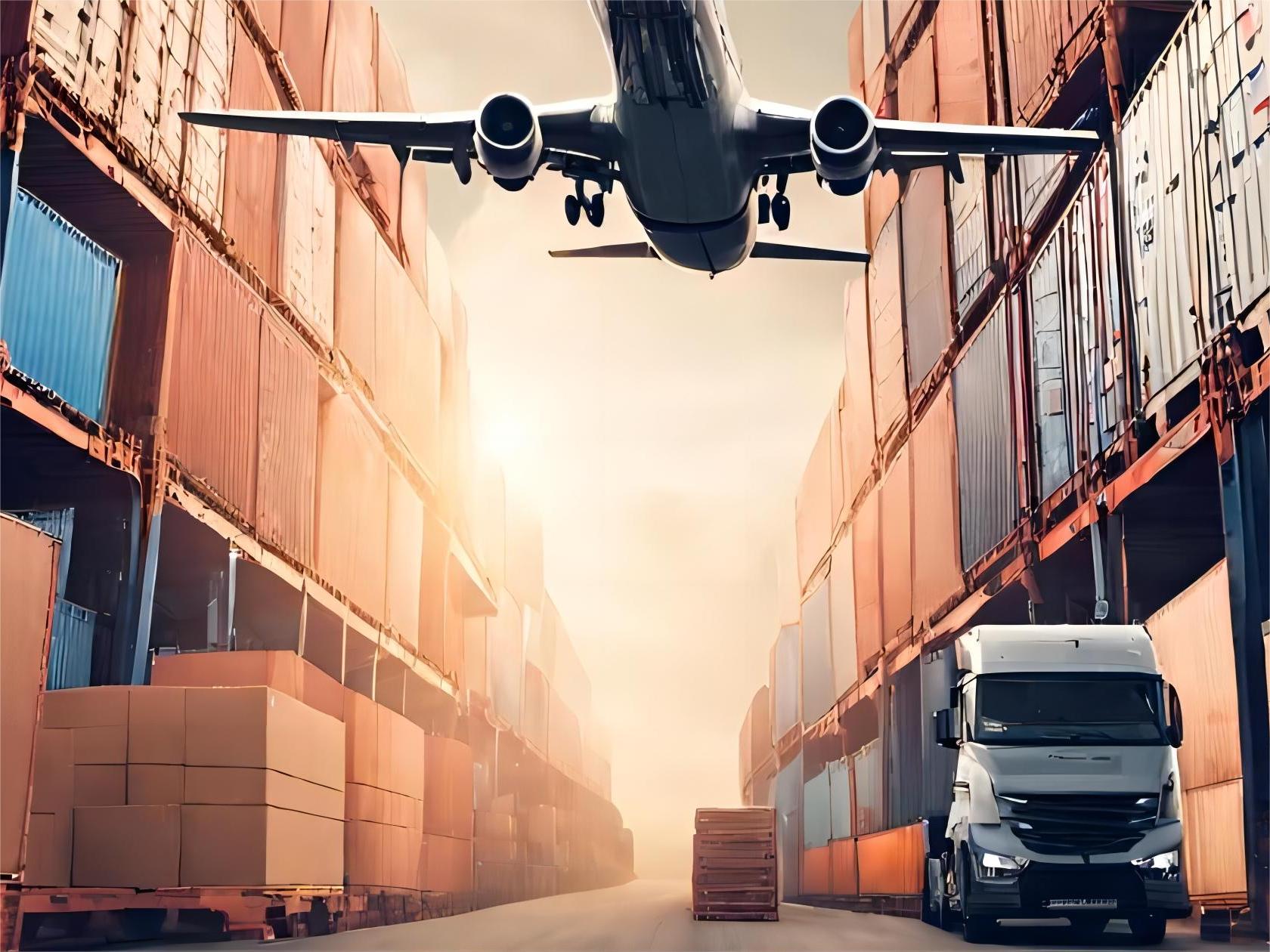
Managing multiple logistics providers can lead to communication gaps and unexpected expenses. Instead, many successful importers now opt for door to door solutions that consolidate the entire journey into a single quote. This approach simplifies the process by having one point of contact handle everything from the factory floor in China to your warehouse in Australia.
Efficient inland transportation in both countries is the final piece of the logistics puzzle. Moreover, the 2026 market has seen a rise in automated trucking services at major Australian ports, which has reduced the time goods spend in transit after leaving the vessel. Consequently, integrating your domestic delivery with your international shipping plan can significantly improve your overall turnaround time.
When you look at shipping from China to Australia, you must consider the hidden costs of warehousing and local handling. For instance, some ports offer 3 days of free storage, while others charge immediately. Therefore, having a logistics partner who understands these local nuances is essential for avoiding unnecessary terminal fees.
Final Thoughts on Australian Imports
Successfully managing import shipping China to Australia in 2026 requires a balance of speed, cost, and regulatory compliance. By understanding the differences between sea and air freight and staying informed about market trends, you can build a resilient supply chain. Remember that the cheapest option is not always the best if it leads to delays or customs issues. Partnering with a dedicated freight forwarder will ultimately provide the peace of mind needed to grow your business in the competitive Australian market.

Start Your Shipment
Streamline your import shipping China to Australia today with a customized logistics plan from our experts. Contact us now to receive a competitive freight quote and ensure your cargo arrives on time and within budget. Send Inquiry: https://Top China Freight.net/contact-us/
Request Quote