

Freight Forwarder with Customs Clearance: 2026 Logistics Guide
Navigating international freight programs requires seamless coordination between transportation and regulatory compliance. A freight forwarder with customs clearance is a licensed logistics partner that secures carrier space, owns export documentation accuracy, and keeps free-time and exception SLAs auditable for China export shipments. Top China Freight provides integrated freight forwarding with expert customs clearance to prevent costly border delays.
Key Takeaways
Definition: freight forwarder with customs clearance = licensed China export forwarder for booking, filings, and free-time SLAs.
Lock documents and Incoterms early for freight forwarder with customs clearance.
Confirm handoff SLAs and exception paths before cutoffs.
What POA and IOR Documentation Must Be in Place Before International Freight Programs Customs Entry?

Destination Gateway execution on International Freight Programs fails when free-time clocks, terminal dwell, and delivery appointments are negotiated as afterthoughts. Importers should lock broker response SLAs, yard storage defenses, and consignee dock windows before the vessel berths so exam holds do not cascade into detention. Pre-alert ASN accuracy, chassis availability, and last-mile carrier capacity must be reviewed in the same ops huddle that awards peak-season space. Publish named owners for customs release, equipment return, and re-delivery so invoice disputes stay tied to auditable milestones rather than informal emails. Treat free-time erosion as a controllable cost driver on every award decision. Confirm named owners for booking cut-offs, document packs, and free-time clocks in one shared ops brief before award.
Establishing clear legal authority prior to cargo arrival prevents costly administrative detentions and entry rejections at the Destination Gateway. A valid Power of Attorney grants the customs broker explicit legal standing to lodge entries on behalf of the commercial entity, while the Importer of Record assumes ultimate financial liability for duties, taxes, and regulatory compliance. Shippers utilizing Top China Freight benefit from structured documentation checklists that verify these foundational instruments before physical transit begins from the Global. When managing repeat shipments across international supply chains, structural errors in entity naming or address alignment between the commercial invoice and the broker power of attorney routinely trigger automated compliance holds.
Customs authorities mandate that the entity listed as the Importer of Record maintains an active tax identifier and adequate bond coverage commensurate with projected annual import volumes. Operating without these pre-verified parameters risks immediate cargo segregation upon arrival, turning straightforward clearance milestones into protracted terminal storage liabilities. Securing compliant operational documentation requires synchronized handoffs between the overseas vendor, the freight forwarding team, and the designated licensed broker. Essential packets must consolidate the Standard Export Declaration & Commercial Invoice alongside the Bill of Lading, ensuring every valuation line item and Incoterm matches declared figures. Establishing this digital document baseline days before vessel or aircraft discharge eliminates last-minute scramble fees and protects scheduled distribution milestones downstream.
| Document Instrument | Responsible Party | Primary Operational Purpose |
|---|---|---|
| Power of Attorney (POA) | Importer / Buyer | Authorizes licensed broker to file entries with customs authorities. |
| Importer of Record (IOR) Profile | Importer / Buyer | Establishes legal liability for duties, taxes, and statutory compliance. |
| Commercial Invoice & Packing List | Origin Shipper | Provides foundational item valuation, weights, and physical piece counts. |
Common mistake: Providing inaccurate CBM dimensions, leading to unexpected volumetric dead-space surcharges.
Risk alert: Missing documentation or inaccurate shipping marks at CFS intake triggers mandatory export holds.
When Do International Markets PGA and Partner-Government Agency Filings Run Parallel to Customs Entry?
Importers must recognize that standard release timelines do not apply when a secondary agency exercises jurisdiction, making early intervention critical to avoid escalating demurrage charges at congested terminal gateways. Comprehensive forwarder oversight ensures these multi-agency data sets are lodged simultaneously rather than sequentially. Managing complex cross-border compliance programs effectively relies on anticipating which commodity lines require targeted agency scrutiny before dispatching cargo from the origin Global. By auditing product specifications against regulatory databases early in the booking cycle, logistics coordinators prevent unexpected inspection holds that disrupt final delivery schedules. Maintaining rigorous visibility over both standard customs entries and secondary agency flags protects operating margins and maintains predictable supply chain cadences.
Execution risk on International Freight Programs intensifies when documentation, carrier capacity allocations, and destination release hand-offs fall out of sync. Procurement teams should require logistics providers to publish confirmed cut-off calendars, dynamic surcharge trigger bands, and terminal release dependencies in a single comprehensive brief. Early pre-alert filings, packing-list reconciliation, and pre-cleared customs documentation compress dwell once cargo reaches destination gateways. Treating each accessorial line as a controllable expense protects margins against unplanned peak-season invoice volatility on this corridor. Lock milestone owners before cargo-ready dates slip into rolled sailings. Itemize peak surcharges, terminal handling, and exam disbursements so landed invoices never hide accessorial shock. Reconcile ASN, carton marks, and consignee data before gate-in so destination release does not stall on mismatches.
Navigating multi-agency regulatory frameworks requires precise timing, as partner government agencies frequently review specialized cargo parameters concurrently with standard customs entry processing. Commodities touching regulated health, safety, or environmental sectors trigger mandatory data declarations that must clear digital screening gates before customs authorities will issue a formal cargo release message. Coordinating these parallel administrative workflows demands proactive data transmission from Global departure forward. Failing to synchronize agency-specific data elements—such as specific product codes, intended end-use statements, or manufacturer certifications—often isolates shipments in secondary review queues even after basic customs duty has been paid. See sea freight for options that match this corridor.
| Equipment Type | Internal Volume (CBM) | Max Payload (kg / lbs) | Optimal Commodity Fit |
|---|---|---|---|
| 20ft Standard (20GP) | 28–30 CBM (26 usable) | 21,800 kg / 48,000 lbs | Dense, heavy cargo (machinery, auto parts, metals) |
| 40ft Standard (40GP) | 58–60 CBM (54 usable) | 26,500 kg / 58,400 lbs | General packaged cargo, standard palletized loads |
| 40ft High Cube (40HQ) | 68–76 CBM (68 usable) | 26,500 kg / 58,400 lbs | Bulky, lightweight goods (furniture, textiles, electronics) |
| 45ft High Cube (45HQ) | 85–86 CBM (78 usable) | 27,500 kg / 60,600 lbs | High-volume consumer retail distribution |
Common mistake: Assuming non-stackable pallets bill the same as stackable freight at CFS.
Risk alert: Late supplier CRDs past CFS receiving force split shipments and storage fees.
What Is the Escalation Path When International Markets Clearance Delays Threaten Delivery Appointments?
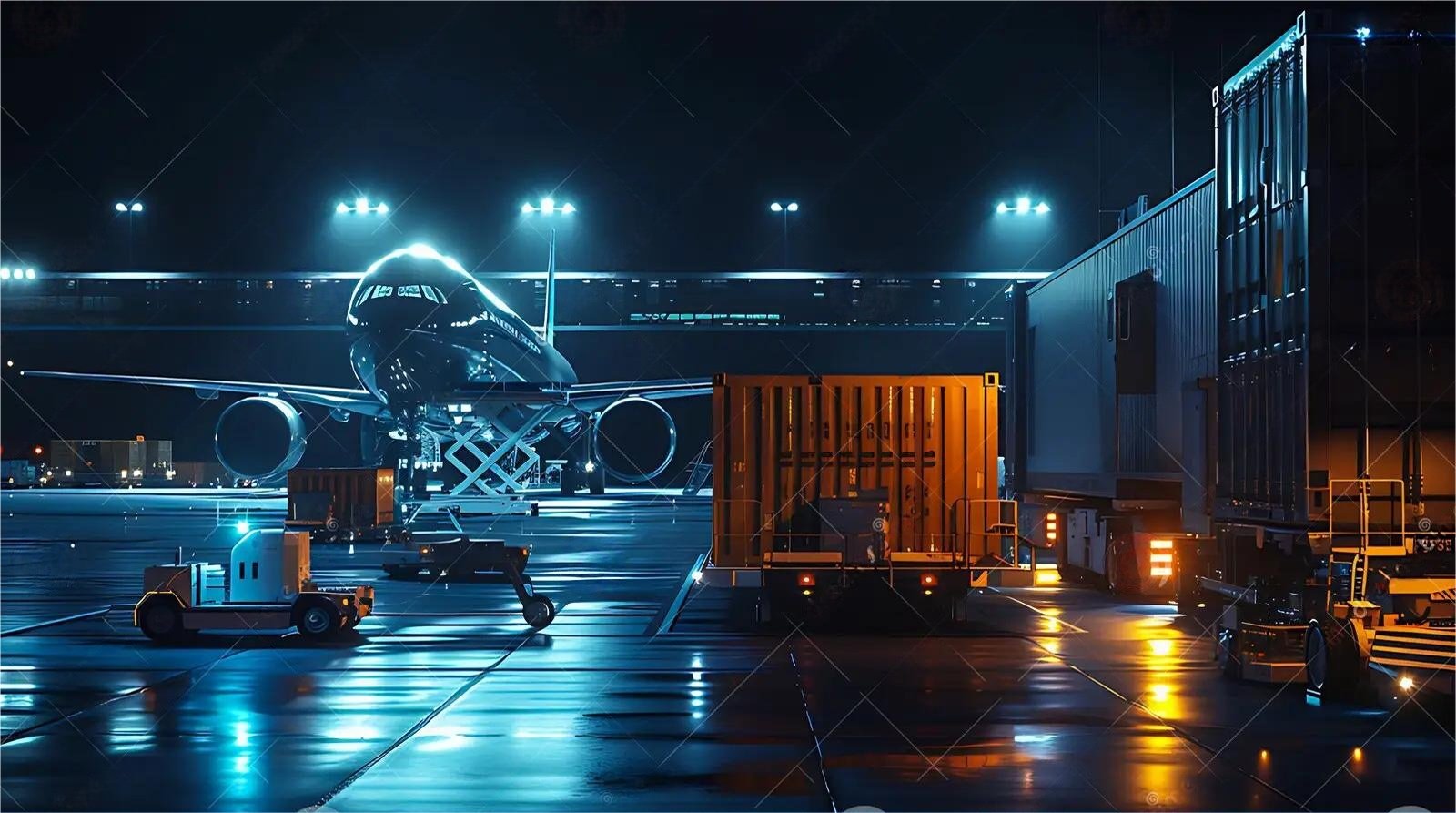
When unexpected customs examinations or documentation discrepancies jeopardize downstream warehouse receiving schedules, a structured operational escalation path becomes immediately necessary to mitigate financial exposure. Standard protocol dictates an immediate audit of the customs entry declaration data against the physical manifest to identify the root cause of the hold, whether driven by a random inspection selection or a valuation query. Swift communication between the broker, terminal operators, and the logistics provider prevents minor administrative pauses from compounding into expensive multi-day storage penalties. Escalating a stalled clearance requires decisive action regarding exam coordination, container pulls, and cargo examination fee settlements before terminal free time expires.
Importers must quickly determine whether to authorize intensive physical exams or contest documentary holds through supplemental evidence, balancing inspection costs against the commercial impact of missed retail distribution windows. Establishing clear cost-ownership boundaries for these unexpected events within the initial freight service agreement eliminates costly operational friction during crisis moments. Resolving severe clearance bottlenecks ultimately depends on maintaining open communication channels with local customs officials and deploying expedited document remediation when discrepancies are uncovered. Once inspection results are logged and any assessed local import taxes or regulatory clearances are satisfied, the forwarding team coordinates immediate freight recovery to bypass further terminal congestion. Documenting lessons learned from each clearance exception refines future filing protocols, ensuring greater resilience across all upcoming international freight programs.
Last-mile friction on International Freight Programs often starts at the rail ramp or marine terminal when chassis pools and delivery appointments are treated as afterthoughts. Importers should pre-book drayage capacity against vessel ETA bands and confirm warehouse or FC dock windows before containers leave the gate. Dual appointments, street-turn limits, and weekend blackout rules must sit on the same ops checklist as customs release. Publish owners for chassis return, re-delivery, and detention clocks so invoice disputes stay auditable. Treat ramp-to-dock handoffs as a controllable cost driver rather than an opaque carrier accessorial. Pre-alert destination free time and confirm empty-return windows before gate-out. See air freight for options that match this corridor.
Common mistake: Skipping ISPM-15 / mark checks before CFS intake and paying restrap fees later.
Risk alert: Destination CFS free dwell is often only 3–5 days—unclaimed LCL accrues fast.
Which HTS and Valuation Records Prevent Reclassification on International Freight Programs Entries?
Implementing a centralized item master database ensures that every SKU moving through your global supply chain retains a validated classification history and a transparent valuation audit trail across all destination markets. When customs examiners request supplemental documentation during a random cargo review, having immediate access to manufacturer declarations, material safety sheets, and prior entry summaries accelerates cargo release and prevents terminal demurrage charges. Maintaining rigorous data governance over your trade documentation transforms compliance from an operational bottleneck into a predictable, repeatable baseline for international trade. See warehouse services for options that match this corridor.
Securing classification stability across International Freight Programs requires mapping exact material compositions, manufacturing tolerances, and functional end-uses directly against official tariff schedules long before commercial freight arrives at the destination port. Customs authorities globally scrutinize vague item descriptions on commercial invoices, frequently triggering costly reclassifications, retroactive duty assessments, and extensive clearance delays that disrupt downstream distribution schedules. Importers must maintain detailed product specification sheets, engineering diagrams, and binding ruling references to substantiate every declared Harmonized Tariff Schedule code against strict statutory interpretation standards. Defend destination free time with pre-alerts, broker SLAs, and delivery appointment locks before demurrage clocks start.
Valuation disputes represent the second leading cause of border intervention, particularly when commercial invoices fail to account for statutory additions such as engineering assists, royalties, packaging fees, or unlisted selling commissions paid outside the primary contract price. Top China Freight works closely with logistics managers to audit transaction values against actual commercial terms and Incoterms obligations, ensuring that all dutiable elements are transparently declared within the filing system package. Accurate valuation records protect programs from sudden post-entry audits, civil penalties, and unexpected duty adjustments that erode total landed cost margins. Peak-season awards on International Freight Programs fail when equipment shortage and GRI/PSS bands are left out of the written quote.
| Record Type | Operational Focus | Risk Mitigated |
|---|---|---|
| HTS Code Justification | Technical datasheets and binding ruling references | Prevents tariff reclassification and retroactive penalties |
| Transaction Value Breakdown | Separating freight, insurance, and assist additions | Avoids undervaluation audits and customs seizures |
| Certificate of Origin | Raw material sourcing and processing disclosures | Ensures correct preferential duty treatment eligibility |
Common mistake: Confirming carrier cut-offs only after cargo is ready erodes peak-season options.
Risk alert: Transit milestone variance needs an explicit operational buffer before peak cutoffs.
How Should Importers Manage International Markets Duty, Tax, and Bond Exposure on Repeat Entries?
Managing local consumption tax and duty disbursements requires establishing automated financial reconciliation processes between your enterprise resource planning system, your customs broker, and destination customs authority accounts. Deferred tax accounting schemes and periodic statement accounts allow qualified importers to optimize cash flow by consolidating multiple entry disbursements into scheduled weekly or monthly settlement cycles rather than paying individual line items per shipment. This disciplined financial framework reduces transaction fee friction and provides absolute visibility over your cumulative landed tax liabilities across diverse destination markets. Routine internal audits of past customs entries uncover systemic overpayments, misapplied duty rates, and missed drawback opportunities that can be formally reclaimed through administrative correction mechanisms.
On International Freight Programs, landed-cost control depends on separating contractual base rates from peak surcharges, destination handling, and statutory import assessments before award. Teams should validate HS assumptions, Incoterms scope, and broker response SLAs against free-time clocks so exam or data holds do not silently convert into demurrage. A written exception path for rolled bookings, blank sailings, and terminal congestion keeps procurement from paying premium spot premiums without an auditable alternative. Confirm owners for documents, equipment, and last-mile appointments in the same checklist used at weekly operations reviews. Booking windows, document pre-audit, and yard storage defenses must stay synchronized with finance so surcharge bands never surprise the landed invoice. Lock document ownership early so broker cut-offs do not collide with terminal appointments.
High-frequency shipping programs operating across global trade lanes face cumulative financial exposure from recurring local import taxes, customs processing fees, and import compliance security requirements that tie up valuable working capital. Importers must evaluate whether continuous customs bonds adequately cover their rolling twelve-month import volume, or if surety requirements must be scaled upward to accommodate seasonal demand spikes and rising cargo valuations. Partnering with an experienced freight forwarder ensures that bond limits are proactively monitored, preventing administrative holds caused by insufficient surety coverage at the time of customs entry declaration lodgement.
Common mistake: Waiting for CY gate-in before locking inland haulage creates free-time exposure.
Risk alert: Blank sailings and roll risk require a documented contingency booking path.
Which Partner Government Agency Holds Apply to International Freight Programs Cargo?
International freight shipments frequently intersect with strict regulatory mandates enforced by specialized partner government agencies overseeing product safety, public health, environmental protection, and agricultural quarantine compliance. Commodities such as food items, medical devices, consumer electronics, and industrial chemicals require specialized data declarations—including manufacturer registrations, lab testing reports, and compliance certificates—lodged in parallel with standard customs entry documentation. Failing to anticipate these regulatory requirements before cargo dispatch invariably leads to mandatory physical inspections, intensive document reviews, and severe terminal storage accruals. Coordinating multi-agency clearance demands precise timing between origin export declarations and destination arrival notices to ensure that all agency-specific holds are addressed before the vessel or aircraft reaches the discharge terminal.
Top China Freight assists program managers by pre-validating regulatory filing packages against destination agency standards, ensuring that electronic releases are secured prior to physical cargo discharge. This proactive synchronization eliminates the common operational friction points that strand compliant cargo inside congested port facilities. When an inspecting agency places a cargo hold for random sampling or lab analysis, swift operational execution is essential to minimize demurrage and container detention charges while waiting for clearance results. Importers must maintain established communication channels with their freight forwarder and designated broker to coordinate timely container staging, examination bay positioning, and official sample retrieval. Minimizing dwell time during regulatory examinations preserves delivery schedule integrity and protects your supply chain from cascading operational delays.
Procurement should require published trigger dates for peak surcharges, container substitution rules, and contingency sailings before cargo-ready dates lock. Blank sailings and rolled bookings need a named recovery path with alternate POL or feeder options. Finance and ops must share one brief that separates base ocean from fuel, security, and congestion add-ons. Lock exception owners early so spot premiums stay auditable instead of informal. Publish a rollover contingency path for blank sailings and feeder congestion so peak capacity awards stay auditable. Itemize peak surcharges, terminal handling, and exam disbursements so landed invoices never hide accessorial shock. Reconcile ASN, carton marks, and consignee data before gate-in so destination release does not stall on mismatches.
Common mistake: Treating guide transit days as hard SLAs without buffer invites demurrage.
Risk alert: Port congestion can invalidate published ETAs — track actual vessel berth windows.
Decision Framework
By volume: Low-frequency importers should budget broker retainers plus single-entry fees; high-volume programs need ABI/ACE automation and periodic classification reviews.
By speed: Exam-prone commodities need pre-clearance document packs 24–48h before arrival; standard commercial cargo still requires entry alignment before terminal free time expires.
By cargo profile: FDA, EPA, and anti-dumping scopes change the filing stack — flag regulated chapters before the broker lodges the entry.
Real-World Corridor Case Studies
A nutraceutical importer faced an FDA hold on first-time SKU lines. The broker re-filed PGA data, aligned ingredient statements with HTS chapters, and coordinated exam sampling within 72 hours — avoiding a move to general order.
destination customs questioned declared HTS on industrial components. The broker supplied CAD drawings, prior binding advice, and supplier affidavits, closing the review without duty reassessment.
Customs Entry Control Plan for International Freight Programs
International Freight Programs succeeds when classification, valuation, and agency filings are lodged as one timeline — not after containers hit storage.
Write exam and detention cost ownership into the broker SOW before arrival pressure starts. Keep this checklist handy when advancing a freight forwarder with customs clearance.
Process and Checkpoints
IOR & Entry Guarantee Setup
Confirm importer of record, destination entry guarantee or duty deposit, and power of attorney with the broker.
Classification & Valuation Pack
Align HTS, country of origin, and declared value with commercial invoice and any assist/additional charges.
Pre-Arrival Entry Lodgement
File customs entry declaration and partner-agency data before cargo arrives to protect terminal free time.
Exam & Hold Management
If customs selects exam, coordinate container pull, sampling, and storage fee exposure with the broker.
Duty & Tax Settlement
Pay duties, MPF/HMF, and deferred tax lines; reconcile destination customs release messages against delivery orders.
Post-Entry Corrections
Track PSCs, reconciliations, and audit responses for repeat importers.
Confirm the right route for your shipment
Streamline Your Customs Clearance Partner with Top China Freight for reliable international shipping and expert customs brokerage under one roof. Get a Quote
Request a route reviewFrequently Asked Questions
How do DDP and DAP shift customs hold and duty risk between seller and buyer?
Under DDP the seller typically funds duty/tax and clearance; under DAP the buyer/IOR usually pays entry costs. Hold storage and exam fees still need an explicit SOW owner either way.
Who pays customs exam fees when a shipment is selected for inspection?
Exam, labor, and related terminal moves usually sit with the importer/IOR unless the contract states the seller or forwarder absorbs them — even on prepaid DDP freight.
Who is legally responsible as Importer of Record (IOR) when ocean cargo is held?
The named IOR owns entry filings, duties/taxes, and exam responses. Without a valid POA and bond, brokers cannot clear the hold and cargo can accrue storage or seizure risk.
How does declared commercial value change duty and local import taxes, and exam selection risk?
Undervaluation can trigger amendments, penalties, and higher exam odds; overstatement inflates duty cash-out. Invoice, packing list, and transport docs must show one consistent value story.
Which document mismatches most often trigger customs holds or delayed release?
HS vs description gaps, weight/piece count conflicts, missing PGA data, and Incoterms/IOR party mismatches are the fastest paths to holds and secondary exams.
How can shippers control demurrage, detention, or container terminal or off-dock storage after a customs hold?
Pre-lodge entry data, keep HS/value packs audit-ready, and escalate broker responses within free time. Parallel last-mile booking only after expected release — not on the original ETA alone.
Rates, transit times, and accessorials change with capacity, fuel, and peak-season surcharges. Treat figures as planning ranges — confirm a live quote before booking.
This guide is operational education, not legal, customs, or insurance advice. Validate filings and coverage with licensed partners for your shipment.