Freight Forwarder China to Netherlands: 2026 Shipping Rates Guide
“Finding a reliable freight forwarder China to Netherlands is essential for businesses navigating the complex 2026 logistics landscape. Many importers face challenges with rising costs and shifting port schedules in Northern Europe. Consequently, this guide provides a comprehensive overview of shipping strategies, current market rates, and expert tips to streamline your supply chain. Whether you move small parcels or full containers, understanding the nuances of the China-Netherlands route ensures your cargo arrives safely and cost-effectively.”
Why Hire a Professional Freight Forwarder China to Netherlands?
❖Professional logistics management simplifies the entire process of moving goods across continents. Navigating the specific regulations of the Dutch Customs Authority requires local expertise and up-to-date knowledge of European Union trade laws. Therefore, an experienced partner manages the documentation, carrier negotiations, and local trucking to ensure a seamless experience.
Moreover, specialized forwarders provide access to better shipping rates through high-volume contracts with major carriers. They help you avoid common pitfalls such as port congestion in Rotterdam or unexpected storage fees. By consolidating shipments, they also offer more flexible options for smaller businesses that do not require full containers.
Additionally, a dedicated freight forwarder China to Netherlands monitors real-time market trends to advise on the best departure dates. They act as your single point of contact, resolving issues with carriers or customs officials before they cause delays. Ultimately, this partnership allows you to focus on your core business while experts handle the logistics complexities.
What Are the Main Shipping Methods to the Netherlands?
❖Shipping options vary significantly based on your budget, cargo volume, and required delivery speed. Most businesses choose sea freight for large-scale inventory due to its superior cost-efficiency. However, air freight remains the preferred choice for high-value electronics or urgent fashion collections that need to reach the Dutch market quickly.
Rail freight has also emerged as a popular middle-ground solution, connecting Chinese industrial hubs with European rail terminals. This method offers faster transit than the ocean while remaining significantly cheaper than air transport. Each method serves a specific purpose in a balanced supply chain strategy.
Furthermore, you should consider the nature of your goods when selecting a transport mode. Fragile items might benefit from the stability of air travel, whereas bulky industrial machinery is best suited for heavy-lift vessels. Evaluating these factors helps you optimize your shipping spend and meet customer expectations.
How Does Sea Freight Compare to Other Shipping Options?
❖Comparing sea freight to alternative methods reveals distinct advantages in terms of capacity and price stability. While ocean transit is slower, it handles the vast majority of global trade due to its massive scale. For example, a 40HQ container can carry significantly more volume at a fraction of the cost per kilogram compared to air cargo.
On the other hand, rail freight provides a competitive alternative for landlocked regions of China. It typically saves about two weeks compared to sea routes, making it ideal for seasonal goods. Nevertheless, sea freight remains the backbone of the China-Netherlands trade route, especially for shipments destined for the Port of Rotterdam.
Specifically, businesses must weigh the trade-off between speed and expense. If your inventory turnover is high, the higher cost of air or rail might be justified by the reduction in lead times. Conversely, for non-urgent bulk goods, the ocean route is nearly always the most economical choice.
| Shipping Method | Cost Range (2026) | Transit Time | Best For |
|---|---|---|---|
| Sea Freight (FCL) | $3,500 – $4,800 | 30-40 Days | Bulk goods and heavy machinery |
| Air Freight | $4.50 – $7.50/kg | 5-8 Days | High-value and urgent cargo |
| Rail Freight | $6,500 – $8,200 | 18-24 Days | Mid-range budget and speed |
| Express Service | $8.00 – $12.00/kg | 3-5 Days | Samples and small parcels |
Understanding Transit Times and Dutch Port Logistics
❖Transit times from China to the Netherlands depend heavily on the port of origin and the chosen service level. Major Chinese ports like Shanghai, Ningbo, and Shenzhen offer frequent direct sailings to Rotterdam, which is Europe’s largest seaport. Consequently, choosing a direct route can save several days compared to transshipment services through Singapore or Port Klang.
Similarly, air freight typically arrives at Amsterdam Airport Schiphol, one of the most efficient hubs in the world. Schiphol provides excellent connectivity to the rest of the Netherlands and neighboring countries like Germany and Belgium. Therefore, your choice of airport or seaport significantly impacts the final delivery schedule.
Additionally, rail freight shipments often terminate at inland terminals such as Tilburg or Venlo. These locations are strategically placed near major distribution centers, allowing for quick last-mile delivery via truck. Understanding these logistics hubs helps you plan your inventory arrivals more accurately.
Customs Clearance and Essential Documentation in 2026
❖Navigating Dutch customs requires precision in documentation to avoid costly delays or fines at the border. Every shipment must have a commercial invoice, a detailed packing list, and a Bill of Lading or Air Waybill. Furthermore, certain products may require certificates of origin or specific EU safety certifications like the CE mark.
Using a professional customs brokerage service ensures that your EORI number is correctly used and duties are calculated accurately. In 2026, digital customs platforms have become mandatory, requiring all data to be submitted electronically before the cargo arrives. Consequently, errors in data entry can lead to immediate holds on your containers.
Moreover, you should stay informed about the latest VAT regulations in the Netherlands. The Dutch tax system offers certain advantages for importers, such as the Article 23 permit, which allows for the deferment of import VAT. This can significantly improve your company’s cash flow if managed correctly by your freight forwarder.
| Document Name | Purpose | Issued By | Necessity |
|---|---|---|---|
| Commercial Invoice | Value declaration | Shipper | Mandatory |
| Packing List | Content details | Shipper | Mandatory |
| Bill of Lading | Title of goods | Carrier | Mandatory |
| Certificate of Origin | Proof of source | Chamber of Commerce | Optional/Required |
Which Shipping Option Should You Choose?
❖Choosing the right shipping strategy depends on your specific business priorities and the nature of your products. If budget is your primary concern, sea freight remains the undisputed leader for large volumes. However, if you are launching a new product and need it in stores within a week, air freight is the only viable path.
For shipments that fall between these extremes, rail freight offers a balanced solution. It provides a faster alternative to the sea without the exorbitant costs of air transport. Many businesses now use a hybrid approach, sending the bulk of their stock by sea and urgent refills by air.
Specifically, you should evaluate the volume thresholds for different methods. For shipments under 100kg, express services or air freight are usually more efficient. Once you exceed 2 CBM (Cubic Meters), sea freight LCL (Less than Container Load) becomes significantly more attractive for cost savings.
Real Case Studies: China to Netherlands Shipments
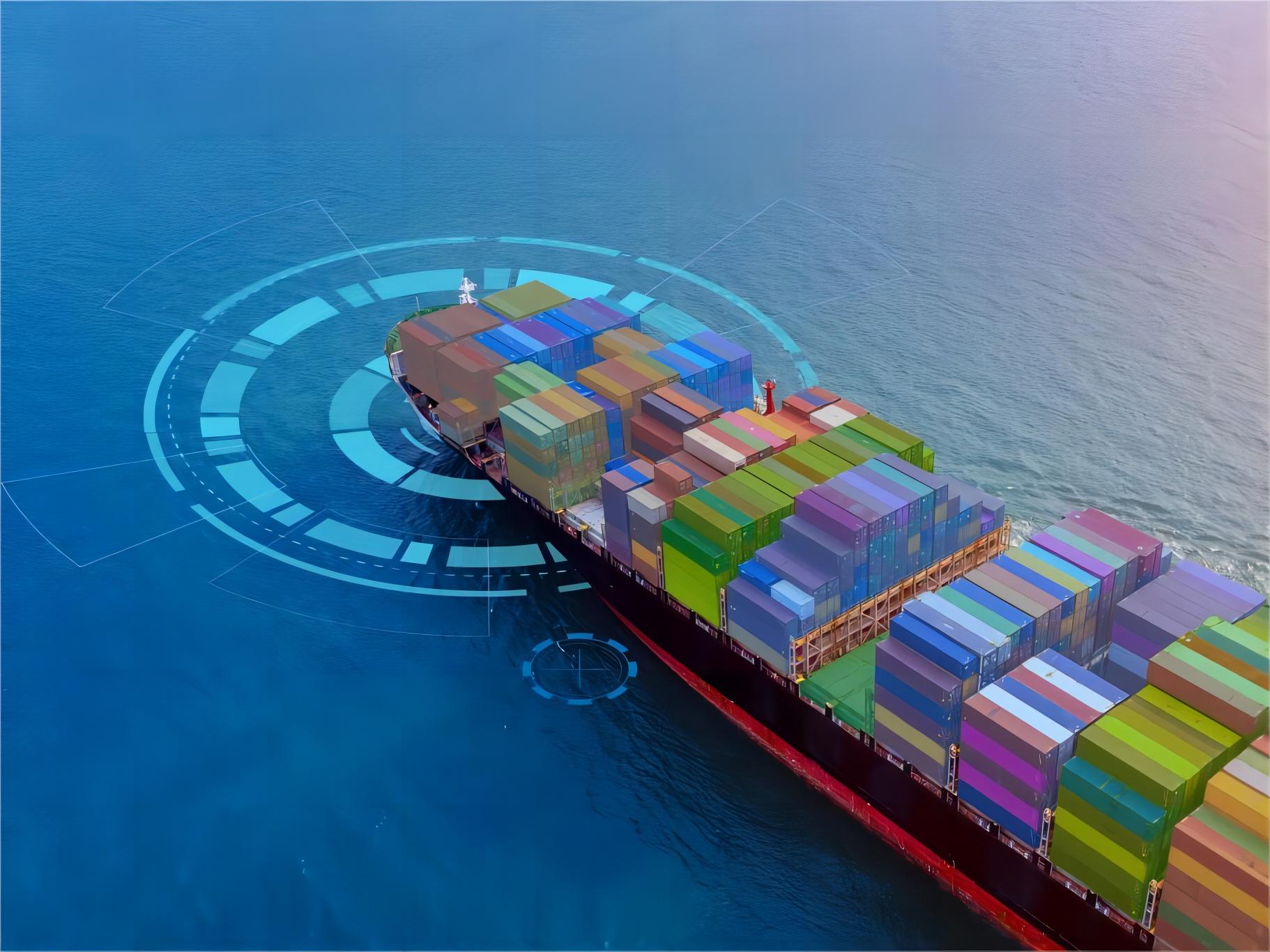
❖Case Study 1: Large Scale Electronics Import Route: Shenzhen, China to Rotterdam, Netherlands Cargo: Consumer Electronics, 68 CBM, 14,000 kg Container: 1 x 40HQ Shipping Details: – Carrier: COSCO Shipping – Port of Loading: Shenzhen (Yantian) – Port of Discharge: Rotterdam – Route Type: Direct Cost Breakdown: – Ocean Freight: $4,200 – Origin Charges: $450 – Destination Charges: $580 – Total Landed Cost: $5,230 Timeline: – Sea Transit: 32 days – Customs: 2 days – Total Door-to-Door: 38 days Key Insight: Using a 40HQ container maximized volume efficiency for lightweight but bulky electronics.
Case Study 2: Urgent Fashion Inventory Route: Shanghai, China to Amsterdam, Netherlands Cargo: High-end Apparel, 3.5 CBM, 600 kg Shipping Method: Air Freight Shipping Details: – Carrier: KLM Cargo – Airport of Loading: Shanghai Pudong (PVG) – Airport of Discharge: Amsterdam Schiphol (AMS) Cost Breakdown: – Air Freight: $3,300 ($5.50/kg) – Handling Fees: $220 – Customs Clearance: $150 – Total Landed Cost: $3,670 Timeline: – Transit: 2 days – Total Door-to-Door: 6 days Key Insight: Air freight allowed the client to meet a seasonal launch deadline that sea freight would have missed.
Case Study 3: Industrial Parts via Rail Route: Xi an, China to Tilburg, Netherlands Cargo: Machinery Components, 25 CBM, 8,000 kg Container: 1 x 20GP (Rail) Shipping Details: – Service: China-Europe Railway Express – Terminal of Loading: Xi an International Port – Terminal of Discharge: Tilburg GVT Cost Breakdown: – Rail Freight: $6,800 – Documentation: $200 – Last-mile Trucking: $350 – Total Landed Cost: $7,350 Timeline: – Rail Transit: 21 days – Total Door-to-Door: 26 days Key Insight: Rail provided a 12-day time saving over sea freight at a fraction of the air freight cost.
Door to Door and Amazon FBA Solutions
❖Comprehensive door to door services have become the standard for modern e-commerce and retail businesses. This service covers everything from the factory pickup in China to the final delivery at your warehouse in the Netherlands. Consequently, you do not need to manage multiple contractors or worry about local transport logistics.
For online sellers, Amazon FBA shipping requires strict adherence to labeling and palletization standards. A specialized freight forwarder ensures your goods meet all Amazon requirements before they reach the fulfillment center. This prevents costly rejections or delays that can hurt your seller ranking.
Furthermore, DDP (Delivered Duty Paid) options are highly popular for businesses that want a predictable, all-inclusive price. With DDP, the forwarder handles all taxes and duties, providing you with a single invoice. This simplicity is particularly beneficial for small to medium enterprises expanding into the Europe market.
Mastering Your Logistics from China to the Netherlands
Successfully managing your logistics requires a balance of speed, cost, and reliability. By choosing the right freight forwarder China to Netherlands, you gain a strategic partner capable of navigating the complexities of international trade. Whether you prioritize the economy of sea freight or the speed of air transport, professional guidance ensures your goods arrive on time.
As market conditions in 2026 continue to evolve, staying informed about shipping rates and customs regulations remains crucial. Implementing the strategies discussed in this guide will help you reduce costs and improve delivery performance. Ultimately, a well-optimized shipping route is a competitive advantage for any business importing from China to the Dutch market.
Ready to streamline your logistics?
Streamline your supply chain today with a reliable freight forwarder China to Netherlands. Contact Top China Freight for a personalized quote and expert logistics advice tailored to your 2026 business goals. Send Inquiry
Request Quote