Flat Rack FCL Best Route for Solar Panels from China to France
Navigating the complexities of international logistics requires a strategic approach to ensure your renewable energy equipment arrives safely and on time. Finding the Flat Rack FCL best route for solar panels from China to France is essential for businesses looking to minimize costs while maintaining high safety standards. This guide provides comprehensive insights into optimizing your supply chain through expert logistics planning with Top China Freight. We will explore the most efficient shipping lanes, compare various transport modes, and offer practical solutions for handling oversized solar infrastructure components.
Why Choose Flat Rack FCL for Solar Panel Shipments?
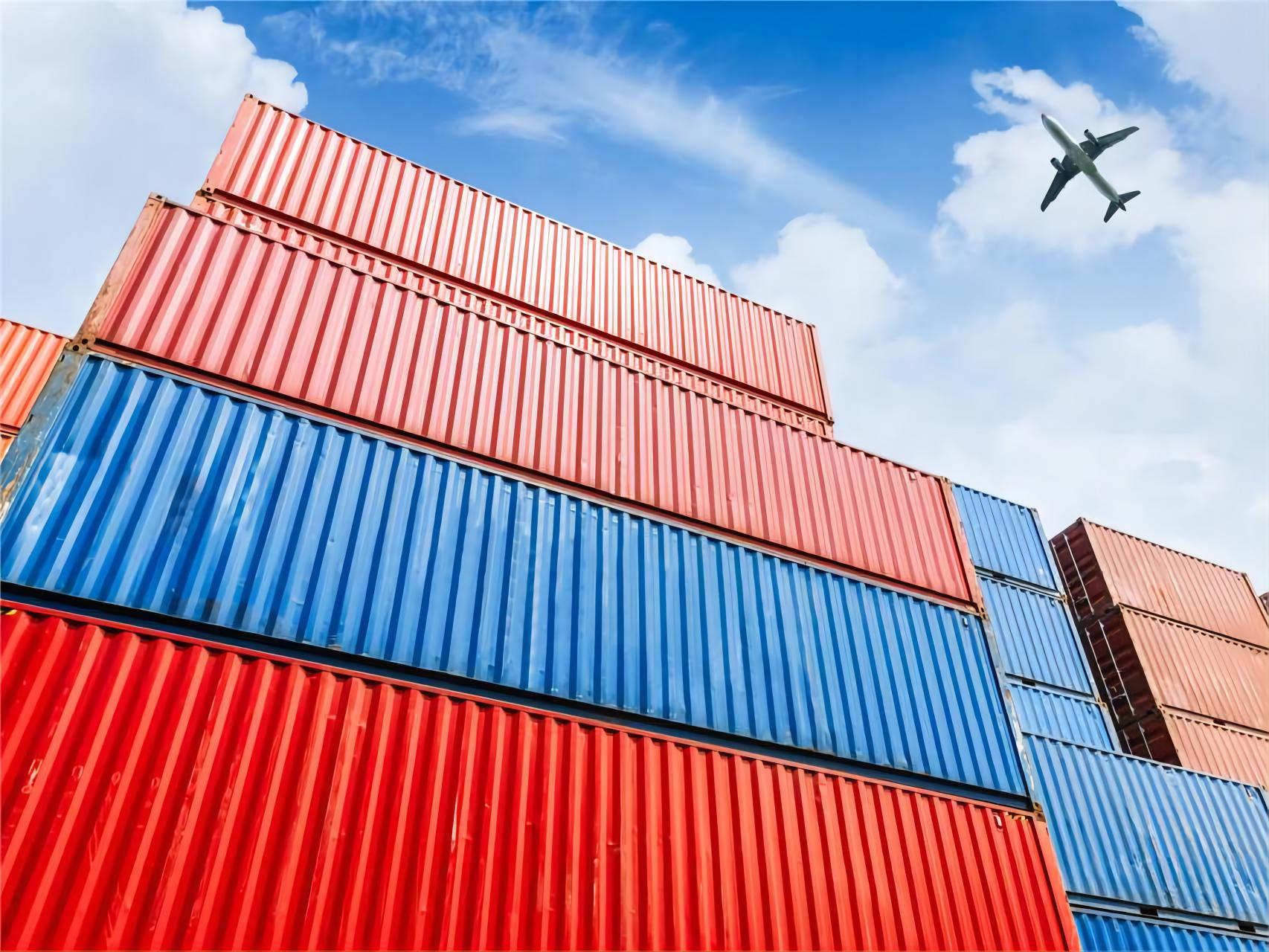
Specialized logistics often require unique equipment to handle the dimensions and weight of industrial solar components. Using a Flat Rack FCL best route for solar panels from China to France ensures that oversized mounting systems and large-scale inverters are not restricted by the walls of a standard container. Consequently, this method allows for top or side loading, which is critical for heavy renewable energy hardware.
Moreover, flat rack containers provide the structural integrity needed to secure heavy loads during long transoceanic voyages. You can maximize space utilization by choosing sea freight for these bulky items. Furthermore, the absence of side walls simplifies the loading process at busy Chinese ports like Shanghai or Ningbo.
Analyzing the Best Sea Routes from China to France
Primary shipping lanes for solar equipment typically originate from the industrial hubs of East China. The most popular route for high-volume shipments involves departing from the Port of Shanghai and arriving at the Port of Le Havre or Marseille. Indeed, the southern route through the Suez Canal remains the fastest maritime path for reaching French soil.
Additionally, many importers are exploring shipping from China to Europe via rail as a faster alternative to traditional ocean paths. However, the sea route remains the most cost-effective solution for massive solar farm projects. Therefore, selecting the right port of discharge in France depends heavily on your final destination city and local transport infrastructure.
How Does Flat Rack FCL Compare to Other Shipping Options?
Comparing different transportation methods is vital for optimizing your logistics budget and timeline. While standard 40HQ containers are suitable for standard panels, flat racks are indispensable for the accompanying oversized infrastructure. For instance, air freight offers incredible speed but is often cost-prohibitive for heavy solar components.
Meanwhile, rail freight provides a middle ground with faster transit times than sea but higher costs. Each method has specific advantages depending on the urgency of your project and the nature of the cargo. To help you decide, we have compiled a detailed comparison of the primary shipping methods available for this route.
| Sea (Flat Rack) | $3,500 – $5,500 | 30-40 Days | Oversized solar racks |
| Rail Freight | $6,000 – $8,500 | 18-22 Days | Urgent infrastructure |
| Sea (Standard FCL) | $2,800 – $4,200 | 32-38 Days | Standard solar panels |
| Air Freight | $15,000+ | 5-8 Days | Emergency spare parts |
Which Option Should You Choose?
Determining the most suitable logistics strategy requires a clear understanding of your project priorities. If your primary goal is cost reduction for a large-scale utility project, the sea-based Flat Rack FCL best route for solar panels from China to France is your best bet. On the other hand, if you face strict construction deadlines, rail might be the necessary choice.
Consider the following criteria when making your decision. For budgets under $5,000 per unit, stick to sea freight. If you need delivery in under three weeks, rail is the only viable land-based option. Always account for the total landed cost, including inland haulage at both ends of the journey.
Customs and Documentation for Importing Solar to France
Navigating French customs requires meticulous attention to detail and accurate paperwork. You must ensure that all solar products comply with European Union standards and carry the necessary CE markings. Consequently, hiring a professional customs brokerage service can prevent costly delays at the border.
Specifically, you will need a commercial invoice, a detailed packing list, and a Bill of Lading. Furthermore, the Certificate of Origin is essential for determining applicable tariffs and duties. Failure to provide correct documentation can lead to significant demurrage charges at the port of arrival.
| Bill of Lading | Title of goods | Carrier/Customs | At departure |
| Commercial Invoice | Duty valuation | French Customs | Pre-arrival |
| CE Certificate | Safety compliance | EU Regulators | At manufacturing |
| Packing List | Cargo verification | Port Authorities | At loading |
Real-World Case Studies: China to France Solar Logistics
Examining past shipments provides valuable insight into the practical challenges of this route. We have documented several successful deliveries to illustrate the efficiency of our logistics solutions. These examples reflect typical market conditions and real-world pricing structures encountered by our clients in the renewable energy sector.
Case Study 1: Marseille Solar Farm Project. Route: Ningbo, China to Marseille, France. Cargo: Solar mounting structures, 45 CBM. Container: 40ft Flat Rack. Shipping Details: Major carrier, direct sea route. Cost Breakdown: Ocean Freight $4,200, Origin Charges $450, Destination Charges $600, Customs $300. Total Landed Cost: $5,550. Timeline: 34 days total. Key Insight: Early booking saved 15% on peak season surcharges.
Case Study 2: Lyon Distribution Center. Route: Xi’an, China to Lyon, France. Cargo: Inverters and panels, 30 CBM. Container: 40GP Standard. Shipping Details: Rail freight via Silk Road. Cost Breakdown: Rail Freight $7,200, Local Handling $800, Customs $400. Total Landed Cost: $8,400. Timeline: 21 days door-to-door. Key Insight: Rail reduced transit time by 40% compared to sea.
Note: Freight rates are subject to change based on fuel costs, carrier capacity, and seasonal demand. Contact us for a current quote tailored to your specific shipment.
Cost-Saving Strategies for Solar Freight
Reducing your shipping expenses requires proactive planning and a deep understanding of the freight market. For instance, consolidating smaller shipments into a single door to door service can significantly lower per-unit costs. Additionally, avoiding peak shipping seasons between August and October can save you thousands of dollars.
Moreover, optimizing your packaging can help you fit more components into a single container. You should also negotiate long-term contracts with carriers if you have consistent monthly volumes. Market data suggests that shippers who plan at least six weeks in advance secure the most competitive rates available.
Summary of Solar Logistics Optimization
Successfully managing the Flat Rack FCL best route for solar panels from China to France involves balancing speed, cost, and safety. By selecting the right container type and transportation mode, you can ensure your project stays on budget and on schedule. Whether you choose the cost-effective sea route or the rapid rail alternative, professional guidance is key to navigating international trade barriers.
Ultimately, the growth of the renewable energy sector in France depends on efficient logistics from Chinese manufacturing hubs. Consequently, staying informed about market trends and documentation requirements will give your business a competitive edge. Trust in reliable logistics partners to deliver your solar infrastructure with precision and care.
Ready to streamline your logistics?
Ready to optimize your renewable energy supply chain? Contact Top China Freight today to secure the Flat Rack FCL best route for solar panels from China to France. Our team of experts is standing by to provide a customized quote and handle your logistics from factory to site. Visit our website to request your free freight estimate and experience seamless international shipping. Send Inquiry: Visit Top China Freight.net
Request Quote