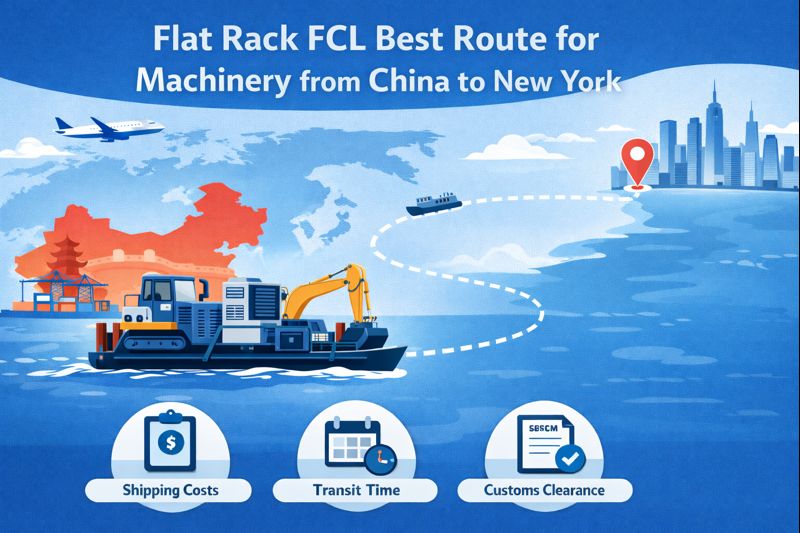
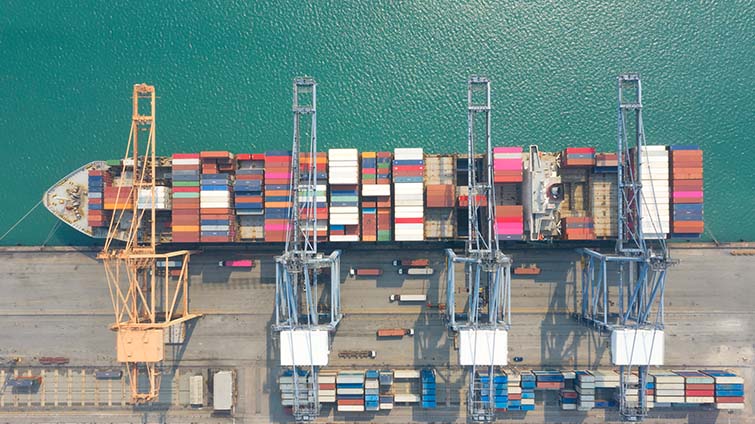
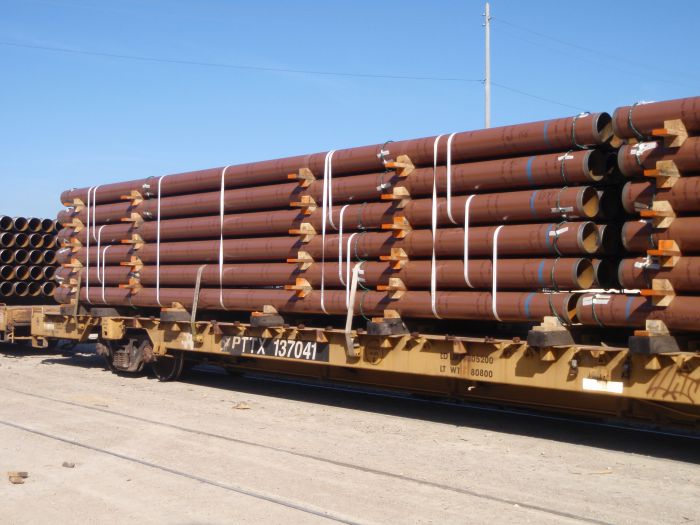
When shippers plan the Flat Rack FCL best route for machinery from China to New York, they must balance route stability, port capability, and strict US import rules. However, with the right loading port, mainline service, and discharge strategy, oversized machinery can move safely and predictably. Therefore, this guide shares practical routing logic and timing insights based on real project cargo experience from Top China Freight.
What makes flat rack FCL the right choice for machinery?
Machinery shipments often exceed the width or height limits of standard containers. As a result, flat rack FCL becomes the preferred solution because it allows top and side loading while keeping cargo under full container control. Unlike break bulk, flat rack FCL integrates into regular liner services, which improves schedule consistency.
Moreover, machinery usually carries high unit value and complex installation timelines. Therefore, shippers favor flat racks for their flexibility in lashing, blocking, and securing. With proper engineering, machinery remains stable throughout ocean transit, even on long Pacific routes.
Why does route selection matter so much for machinery to New York?
Route choice directly affects risk exposure. While shorter routes may look attractive, they often involve multiple transshipments. Consequently, every extra port call increases crane handling and delay risk for oversized cargo.
In contrast, the Flat Rack FCL best route for machinery from China to New York usually prioritizes fewer handoffs over nominal speed. Because machinery tolerates delays poorly, importers often accept slightly longer sailing times in exchange for better schedule reliability.
What cost factors shape flat rack machinery routing decisions?
Machinery shippers must evaluate more than base ocean freight. Flat rack routes involve multiple cost components that vary by port and carrier.
Cost Element
Impact Level
Planning Tip
Ocean freight
High
Lock space early
Flat rack surcharge
High
Confirm equipment type
Lashing & securing
Medium
Use engineered plans
Port handling
Medium
Choose experienced ports
Documentation
Low
Prepare early
By working with providers experienced in sea freight and project cargo, importers gain clearer cost visibility and fewer surprises.
What are the main flat rack FCL routes from China to New York?
Most machinery shipments follow one of three routing patterns. Each option has different trade-offs in transit time and reliability.
Route Pattern
Typical Path
Reliability
Direct Asia–US East Coast
Shanghai → New York
High
Via Panama Canal
Ningbo → Panama → New York
Medium
Via US West Coast rail
Shanghai → LA → Rail → NY
Medium
Although intermodal routes via the West Coast may shorten sailing time, rail handling adds complexity. Therefore, many project shippers prefer all-water services for flat rack machinery.
Case Studies
CNC machinery shipped to New York
Origin: Shanghai, China Destination: New York, USA Cargo: CNC milling machines Container: Flat Rack FCL Route: Direct Asia–US East Coast Transit Time: 35 days
This shipment emphasized route stability. As a result, the importer avoided transshipment delays and met factory commissioning deadlines.
Heavy industrial press from Ningbo
Origin: Ningbo, China Destination: New York, USA Cargo: Oversized industrial press Container: Flat Rack FCL Route: Via Panama Canal Transit Time: 40 days
Although transit time was longer, careful planning and early booking ensured predictable delivery without cargo rehandling.
How long does flat rack FCL machinery shipping take?
Transit time depends on vessel schedule, port congestion, and weather. Nevertheless, realistic planning ranges help align production and installation milestones.
Route Type
Transit Time Range
Notes
Direct all-water service
32–38 days
Most stable
Panama Canal route
35–42 days
Canal delays possible
Intermodal option
30–36 days
Rail coordination needed
Because machinery projects often face penalties for late delivery, reliability usually outweighs the fastest advertised transit.
Should machinery shippers consider door-to-door delivery?
Door-to-door delivery simplifies coordination for complex machinery. Instead of managing multiple vendors, importers gain a single timeline from factory to final site. This approach reduces communication gaps and scheduling conflicts.
By integrating door-to-door transport with flat rack FCL shipping, machinery arrives with fewer handoffs. As a result, installation teams receive cargo on predictable dates.
How does inland distribution work after arrival in New York?
After discharge, inland delivery becomes the final time driver. New York’s port network connects efficiently to rail and trucking corridors across the Northeast and Midwest. However, scheduling inland transport early prevents bottlenecks.
Machinery importers often pre-book specialized trailers to match cargo dimensions. Consequently, containers exit terminals quickly, reducing demurrage and improving overall delivery flow.
Conclusion
Selecting the Flat Rack FCL best route for machinery from China to New York requires a balance of route stability, port capability, and execution discipline. While faster routes may look appealing, predictable handling and fewer handoffs often deliver better results. When shippers plan holistically, machinery arrives safely, on time, and within budget.
Request A Free Quote
Start shipping smarter with TopChinaForwarder today! 🚢✨ Request a Free Quote 📝 and get a tailored logistics plan built around your cargo and timeline.