
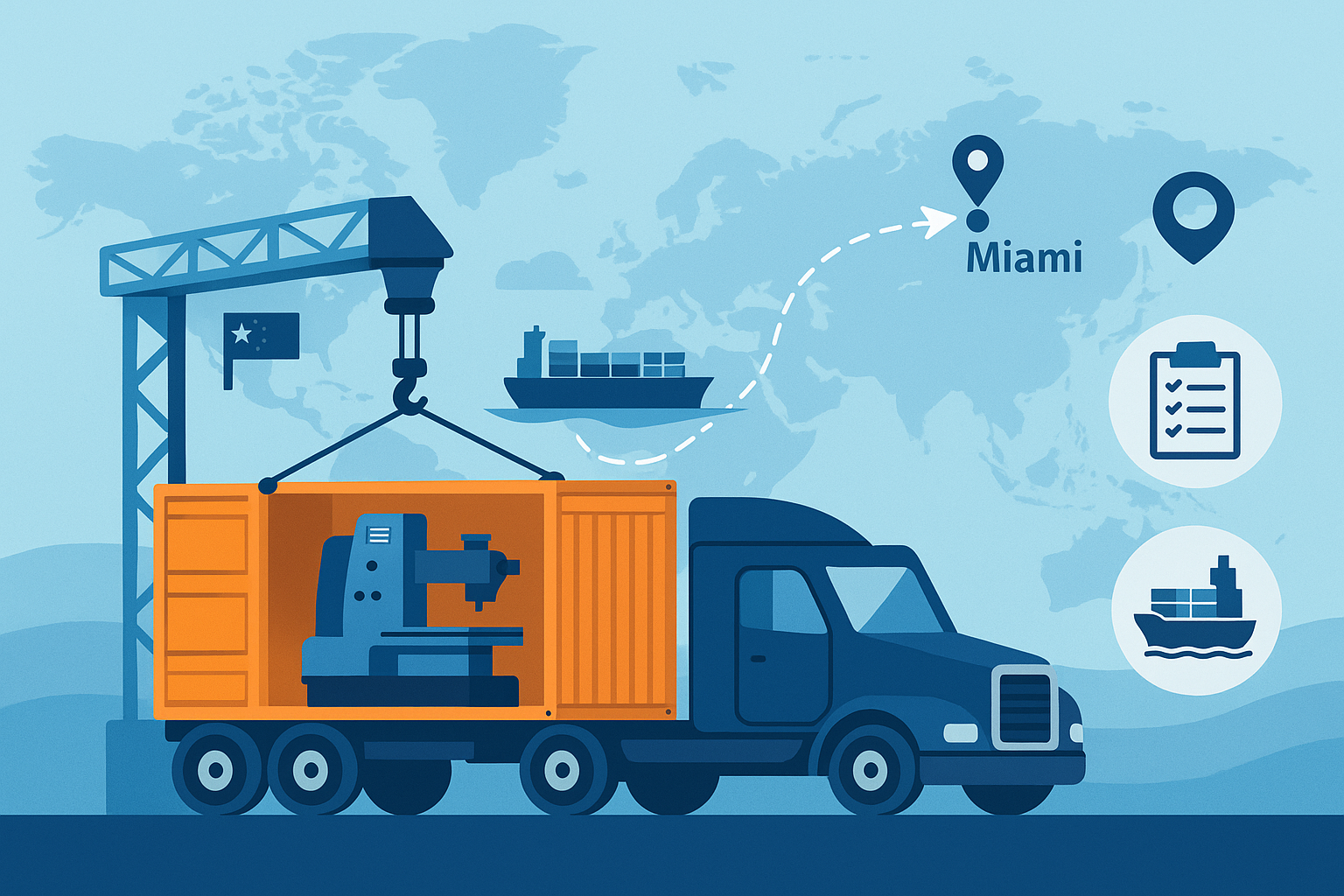
Although FCL shipping for machinery from China to Miami seems straightforward, heavy equipment presents unique challenges involving loading safety, customs compliance, and predictable transit planning. Therefore, this guide outlines practical, step-by-step strategies that help importers control risks and optimize performance—supported by planning tools available from Top China Freight. Because machinery is high-value and sensitive to handling errors, each stage of the supply chain requires deliberate coordination.
What Makes FCL Shipping the Preferred Option for Machinery from China to Miami?
Because machinery shipments often exceed weight or dimensional limits for standard freight methods, FCL remains the safest and most stable solution. Moreover, full-container control allows importers to customize bracing, protect sensitive components, and avoid multiple handling risks common in LCL shipments. Consequently, manufacturers and U.S. distributors rely heavily on 20GP, 40GP, and 40HQ containers for industrial cargo.
Key Advantages for Machinery Importers
- container exclusivity reduces vibration and impact
- heavy-duty bracing enhances load stability
- simplified customs documentation for single-shipper cargo
- flexible loading windows support factory production
- minimizes damage risk during long-haul transportation
Because machinery represents substantial capital investment, importers prioritize maximum protection throughout transit.
How Do Loading and Bracing Practices Influence Machinery Safety?
Although FCL provides better control, improper loading still creates substantial risk. Therefore, structured bracing, weight distribution, and certified securing materials must be applied by trained loading teams. Moreover, detailed container photos support insurance claims and confirm compliance with carrier requirements. When executed correctly, these steps dramatically reduce in-transit damage.
Best Practices for Machinery Loading
- use steel brackets or wooden blocks for anchoring
- ensure balanced weight distribution within 40GP/40HQ units
- apply moisture barriers to protect electronic components
- confirm forklift or crane capability before loading
- document every loading stage for customs and insurance
Because heavy machinery shifts easily during ocean movement, engineered bracing prevents structural damage.
Why Route Planning Matters for China–Miami Machinery Shipments
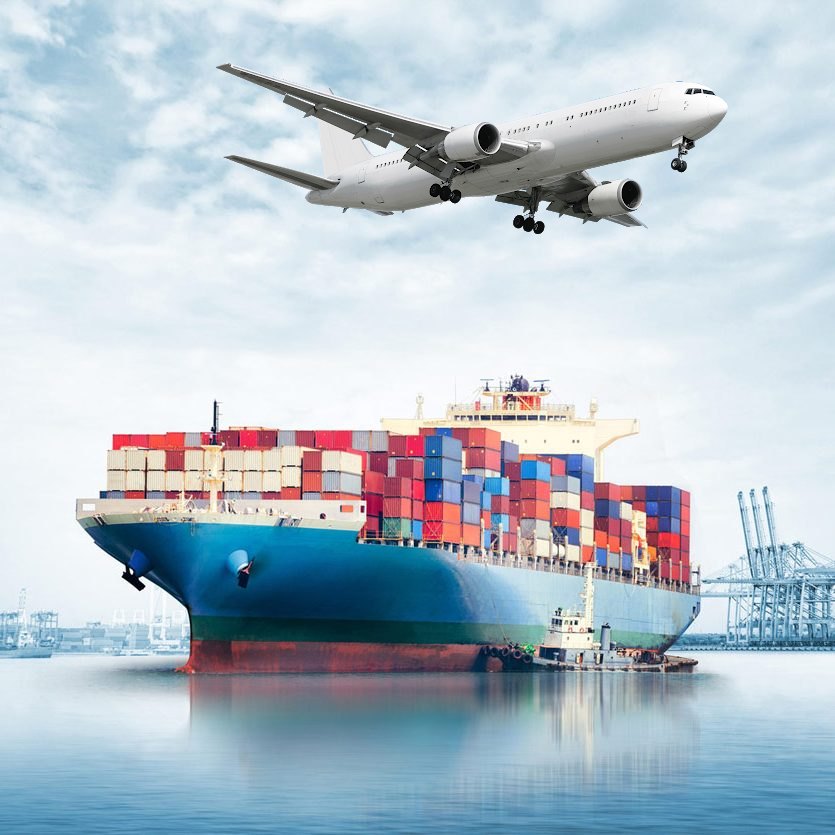
Although Miami is well-connected, route selection still affects transit time, cost, and reliability. Therefore, importers compare direct sailings, transshipment routes, and seasonal patterns that influence carrier schedules. Moreover, machinery exporters consider origin proximity—Shanghai, Ningbo, Qingdao, or Shenzhen—to choose the most efficient departing port.
Common China–Miami FCL Routes
| Route | Transit Time | Strengths | Considerations |
|---|---|---|---|
| China → Miami (via Panama Canal) | 32–38 days | Stable schedules; good for heavy freight | Higher cost during peak seasons |
| China → East Coast → Miami (feeder) | 36–42 days | More weekly options | Longer transshipment process |
| China → West Coast → Rail + Truck | 25–33 days | Fast for urgent machinery | Higher inland cost |
Because machinery is time-sensitive for installation projects, forecasting helps importers select the best route.
How Do Freight Rates Affect FCL Machinery Shipping Decisions?
Although freight rates fluctuate weekly, machinery importers require accurate budgeting for project timelines. Therefore, understanding cost drivers—equipment type, port congestion, handling complexity—supports better forecasting. Moreover, long-term contracts often provide rate stability for repeat industrial shipments.
Factors Impacting Machinery Shipping Costs
- container availability for 40HQ units
- heavy-lift loading fees at China ports
- Panama Canal surcharges
- inland haulage charges in Miami
- seasonal demand for industrial cargo
Because cost transparency improves planning accuracy, many importers collaborate closely with forwarders to track market trends.
Case Studies
Shanghai → Miami | CNC Machinery Shipment
Cargo Type: 2 sets of CNC machining centers
Container: 40HQ FCL
Cargo Specs: 67 CBM / 18,900 kg
Route: Shanghai → Miami (via Panama Canal)
Transit Time: 35 days
Handling Complexity: high bracing requirements
Total Freight Cost: USD 6,900
Summary
A Florida manufacturer required CNC machines for a facility upgrade. Because of weight concentration, the supplier used steel-frame bracing and humidity protection. As production scheduling was shared early, the forwarder secured a suitable sailing. Consequently, the shipment arrived damage-free and met the engineering installation window.
Ningbo → Miami | Industrial Pump System
Cargo Type: large industrial pump, auxiliary components
Container: 20GP FCL
Cargo Specs: 28 CBM / 9,600 kg
Route: Ningbo → East Coast → Miami
Transit Time: 37 days
Challenges: risk of rollover and documentation corrections
Total Freight + Handling: USD 4,800
Summary
The importer faced challenges with HS code accuracy and pump certification documents. However, early communication allowed corrections before ISF filing. Moreover, a multi-carrier booking strategy prevented rollover. Therefore, the shipment cleared Miami customs smoothly and reached the warehouse on schedule.
How Does Miami Port Infrastructure Influence Machinery Delivery Performance?
Although Miami benefits from deep-water access and advanced handling equipment, machinery importers must still coordinate crane appointments, yard storage timing, and drayage availability. Therefore, early scheduling ensures smooth handover from vessel discharge to inland transport. Moreover, importers who understand Miami’s yard procedures avoid unnecessary demurrage and detention.
Key Operational Considerations at Miami
- crane capacity for heavy-lift machinery
- terminal appointment windows for oversized units
- customs inspections for high-value machinery
- port congestion during peak project seasons
- truck availability for last-mile delivery
Because machinery often requires specialized handling, coordinated communication between stakeholders prevents costly delays.
Why Many Importers Trust Top China Freight for Machinery Projects
Although FCL shipping involves multiple moving parts, Top China Freight delivers engineered loading plans, stable carrier allocation, and transparent guidance through customs and documentation. Additionally, services such as FCL/LCL solutions and customs brokerage simplify machinery imports from China to Miami. Because industrial equipment must arrive safely and on time, a project-oriented logistics partner enhances both operational and financial outcomes.

Can Project-Based Planning Improve FCL Machinery Delivery?
Although machinery is shipped as cargo, its arrival often triggers construction, industrial upgrades, or engineering installations. Therefore, importers use project-based logistics frameworks that connect production schedules, ocean shipping windows, and installation dates. Moreover, planning backward from the installation deadline reveals optimal sailing weeks and buffer periods.
Elements of Project-Based Machinery Planning
- installation date → required arrival week
- container availability forecast at origin
- possible Panama Canal transit variability
- inland delivery scheduling in Miami
- spare parts consolidation with main equipment
Because machinery imports influence broader project milestones, holistic planning prevents operational setbacks.
Conclusion
In summary, successful FCL shipping for machinery from China to Miami relies on engineered loading, accurate documentation, strong visibility tools, and project-based scheduling. Moreover, proactive planning and route optimization reduce risks tied to cost, timing, and equipment safety. As machinery imports continue to support U.S. industrial growth, partnering with experienced logistics specialists ensures smoother operations and confident decision-making across the supply chain.
Request A Free Quote
Start shipping smarter with TopChinaForwarder today! 🚢✨ Request a Free Quote 📝 and get a tailored logistics plan built around your cargo and timeline.
FAQ:
How long does machinery FCL shipping from China to Miami typically take?
Transit usually ranges from 32–42 days depending on route, carrier, and Panama Canal conditions.
Do heavy machines require special export permits in China?
Some machinery types need additional certificates or inspection reports; your supplier should confirm requirements early.
What causes most delays for machinery imports into Miami?
Document errors, customs holds, crane scheduling, and peak-season congestion are common causes.
How should machinery be prepared for long ocean voyages?
Engineered bracing, moisture barriers, anti-rust coatings, and accurate crate labeling are essential steps.
Does machinery require special unloading equipment in Miami?
Many shipments need forklifts, cranes, or rigging teams. Pre-booking prevents delays at the warehouse.