
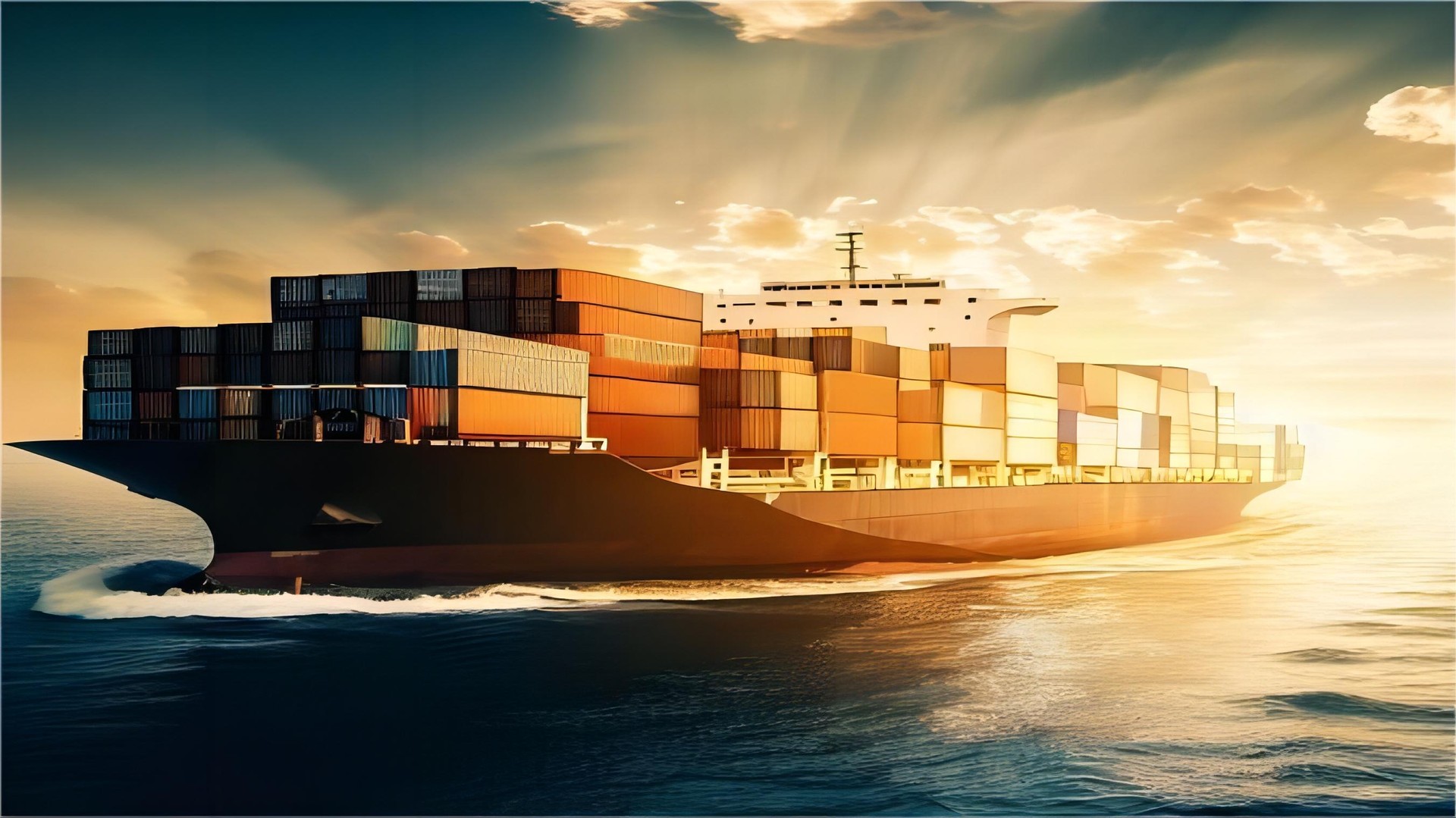
FCL Shipping China to UAE Price: 2026 Freight Rate Guide
Navigating the complexities of international trade requires a clear understanding of the FCL shipping China to UAE price. As businesses expand their reach into the Middle East, finding a reliable partner like Top China Freight becomes essential for maintaining a competitive edge. This comprehensive guide explores current market trends, container rates, and strategic logistics solutions for 2026. Consequently, importers can make informed decisions that balance speed, reliability, and cost-effectiveness across their entire supply chain.

What Factors Determine the FCL Shipping China to UAE Price in 2026?
Understanding the primary drivers of freight costs is crucial for any business importing goods from Chinese manufacturing hubs. Several variables influence the final quote you receive from a carrier or freight forwarder.
Market demand remains the most significant factor affecting price fluctuations during peak and off-peak seasons. For instance, rates typically increase by 15-25% during the August to October period as retailers prepare for year-end sales.
Fuel surcharges, often referred to as Bunker Adjustment Factors (BAF), also play a vital role in determining the total expense. Additionally, port congestion at major hubs like Shanghai or Ningbo can lead to unexpected surcharges that impact your bottom line.
Choosing the right sea freight service involves evaluating these variables against your specific cargo requirements. Therefore, staying updated on current market intelligence is necessary for accurate budgeting.
| Container Type | Estimated Rate 2026 | Transit Time (Days) | Best For |
|---|---|---|---|
| 20GP (Standard) | $950 – $1,350 | 18 – 22 | Heavy/Dense Cargo |
| 40GP (Standard) | $1,550 – $1,950 | 20 – 25 | General Merchandise |
| 40HQ (High Cube) | $1,700 – $2,200 | 20 – 25 | Light/Bulky Goods |
Typical Container Rates for 2026
Current market data suggests that rates have stabilized in early 2026 following the disruptions of previous years. However, specific pricing still depends heavily on the port of origin and the chosen carrier’s capacity.
Standard 20ft and 40ft containers offer different value propositions depending on your cargo volume and weight. While a 20GP is ideal for heavy machinery, the 40HQ provides the best price-per-cubic-meter for lighter, voluminous consumer goods.
How Does FCL Compare to Other Shipping Options?
Evaluating different transport modes is essential for optimizing your logistics strategy between China and the UAE. While Full Container Load (FCL) is often the preferred choice for bulk shipments, other methods might be more suitable for specific needs.
Air freight offers unparalleled speed but comes with a significantly higher price tag compared to ocean transport. For example, while FCL might cost $2,000 for a 40HQ, air freight for the same volume could exceed $20,000.
Meanwhile, Less than Container Load (LCL) provides a cost-effective alternative for shipments that do not fill an entire container. Nevertheless, FCL remains the most secure and efficient method for larger volumes because it reduces handling risks and transit delays.
| Shipping Method | Cost Range | Transit Time | Limitations |
|---|---|---|---|
| Sea Freight FCL | $1,200 – $2,200 | 18 – 28 Days | Requires high volume |
| Sea Freight LCL | $65 – $110 / CBM | 25 – 35 Days | Higher risk of damage |
| Air Freight | $4.50 – $7.50 / kg | 3 – 7 Days | Very expensive |
| Sea-Air Hybrid | $2.80 – $4.20 / kg | 12 – 16 Days | Complex scheduling |

Strategic Alternatives for Different Shipping Scenarios
Different business scenarios require tailored logistics approaches to maximize efficiency and minimize the FCL shipping China to UAE price. For instance, a startup might prioritize low costs, while a pharmaceutical company might prioritize speed and climate control.
Direct routes from Shenzhen to Jebel Ali are generally 10-15% more expensive than transshipment routes via Singapore. However, choosing a direct service can save up to 7 days in transit, which is often worth the extra investment for time-sensitive cargo.
Hybrid solutions like Sea-Air combinations offer a middle ground for businesses that need faster delivery than sea freight but cannot afford air rates. Specifically, cargo is shipped by sea to a hub like Colombo or Singapore and then flown to Dubai International Airport.
Door to Door Logistics: Simplifying the Supply Chain
Implementing a door to door service model can significantly reduce the administrative burden on your team. This comprehensive approach covers everything from factory pickup in China to final delivery at your warehouse in Dubai or Abu Dhabi.
Consequently, you gain better visibility over your shipment and a single point of contact for all logistics inquiries. Most professional forwarders include trucking, port handling, and local delivery fees in their all-in-one door-to-door quotes.
Furthermore, this strategy often helps in avoiding hidden costs that can arise when managing multiple service providers. By consolidating all steps under one contract, you can often negotiate a better overall FCL shipping China to UAE price.
Real-World Case Studies: FCL Shipments to the UAE
Examining actual shipping scenarios provides valuable insights into the practical application of these logistics strategies. Below are two recent examples based on Q1 2026 market rates and typical transit conditions.
Case Study 1: Electronics Export from Shenzhen Route: Shenzhen, China to Jebel Ali, Dubai Cargo: Consumer Electronics, 68 CBM, 14,000 kg Container: 40HQ Shipping Details: – Carrier/Service: Major Carrier (Direct) – Port of Loading: Shenzhen – Port of Discharge: Jebel Ali – Route Type: Direct Cost Breakdown: – Ocean Freight: $1,850 – Origin Charges: $250 – Destination Charges: $320 – Customs & Duties: $1,200 – Total Landed Cost: $3,620 Timeline: – Booking to Loading: 3 days – Sea Transit: 18 days – Customs Clearance: 2 days – Total Door-to-Door: 23 days Key Insight: Using a direct route minimized the risk of damage for sensitive electronics.
Case Study 2: Furniture Import to Abu Dhabi Route: Ningbo, China to Khalifa Port, Abu Dhabi Cargo: Home Furniture, 28 CBM, 8,000 kg Container: 20GP Shipping Details: – Carrier/Service: Regional Carrier – Port of Loading: Ningbo – Port of Discharge: Khalifa Port – Route Type: Transshipment via Singapore Cost Breakdown: – Ocean Freight: $1,050 – Origin Charges: $200 – Destination Charges: $280 – Customs & Duties: $950 – Total Landed Cost: $2,480 Timeline: – Booking to Loading: 5 days – Sea Transit: 26 days – Customs Clearance: 3 days – Total Door-to-Door: 34 days Key Insight: Transshipment saved the client $200 compared to direct service options.

Navigating Customs and Documentation for UAE Imports
Efficiently managing paperwork is a critical component of controlling your total FCL shipping China to UAE price. Delays at customs can lead to expensive demurrage and detention charges that quickly erode your profit margins.
Partnering with a specialized customs brokerage ensures that all legal requirements are met before the vessel arrives. In the UAE, you must provide a commercial invoice, packing list, certificate of origin, and a bill of lading for most standard imports.
Notably, certain goods may require additional permits from UAE ministries, such as the Ministry of Health or the Telecommunications Regulatory Authority. Therefore, verifying these requirements during the planning phase is essential for a smooth clearance process.
Cost-Saving Strategies for Your 2026 Shipments
Reducing your logistics spend requires a proactive approach and a deep understanding of industry trends. One effective method is to book your shipments at least 2-3 weeks in advance to secure lower rates and guaranteed space on the vessel.
Additionally, optimizing your packaging can help you fit more goods into a single container, effectively lowering the per-unit cost. For urgent small items, using an express service might be better than paying for an underutilized FCL container.
Comparing quotes from multiple freight forwarders is also highly recommended to ensure you are receiving a competitive market rate. Market data suggests that rates can vary by as much as 10-15% between different carriers for the exact same route.
Which Option Should You Choose? Decision Framework
Selecting the right shipping method involves a careful balance of budget, speed, and cargo volume. Use the following criteria to determine the best approach for your specific business needs in 2026.
If budget is your primary priority and you have more than 15 CBM of cargo, FCL is almost always the most economical choice. Conversely, if you are shipping high-value items that need to be on shelves within a week, air freight is the only viable solution.
Volume thresholds are also important; for shipments between 10 and 15 CBM, it is often worth comparing the cost of a full 20GP container against LCL rates. Sometimes, paying for the whole container is cheaper than paying the consolidated CBM rate plus additional handling fees.
Mastering Your FCL Shipping Strategy
Securing a competitive FCL shipping China to UAE price involves more than just finding the lowest headline rate. It requires a holistic understanding of transit times, customs requirements, and the various surcharges that can impact the total landed cost.
By leveraging the strategies outlined in this guide, you can navigate the 2026 shipping market with confidence and efficiency. Whether you choose direct sea freight or a hybrid solution, working with an experienced partner will ensure your goods arrive safely and on schedule.
Note: Freight rates are subject to change based on fuel costs, carrier capacity, and seasonal demand. Contact us for a current quote tailored to your specific shipment.

Need a tailored shipping solution?
Ready to optimize your supply chain and secure the best FCL shipping China to UAE price? Contact Top China Freight today for a customized quote tailored to your specific logistics needs. Send Inquiry: https://Top China Freight.net/contact-us/