
Export Logistics China to Netherlands: 2026 Guide to Shipping Rates and Routes
Managing export logistics China to Netherlands requires a deep understanding of global supply chains and regional regulations. Top China Freight provides the expertise needed to navigate these complex routes efficiently. Consequently, businesses can minimize delays and reduce overhead costs significantly. This guide explores the most effective strategies for transporting goods from Chinese manufacturing hubs to the Dutch gateway of Europe.
What Are the Primary Modes of Export Logistics China to Netherlands?
Selecting the right transportation mode is the most critical decision in your supply chain strategy. Currently, three main corridors dominate the trade route between these two economic powerhouses. Sea freight remains the backbone of trade due to its high capacity and low cost. Meanwhile, air freight serves urgent shipments that require rapid delivery to Dutch consumers.
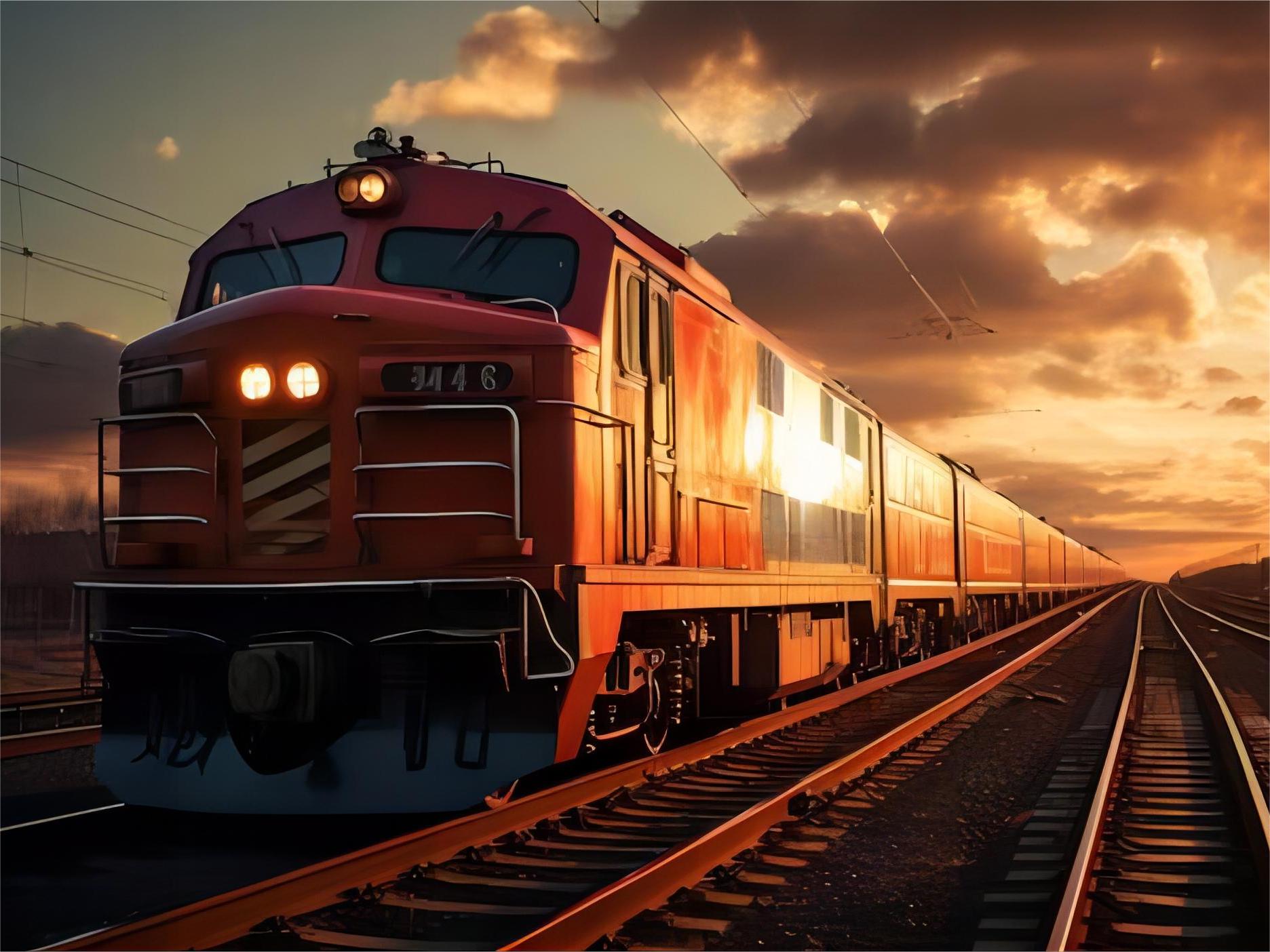
Rail freight has emerged as a middle-ground solution, offering faster speeds than sea and lower costs than air. Furthermore, the development of the New Silk Road has enhanced the reliability of overland transport. Each method presents unique advantages depending on your cargo volume, budget, and delivery schedule. Understanding these nuances allows you to optimize your landing costs effectively.
How Does Sea Freight Compare to Other Shipping Options?
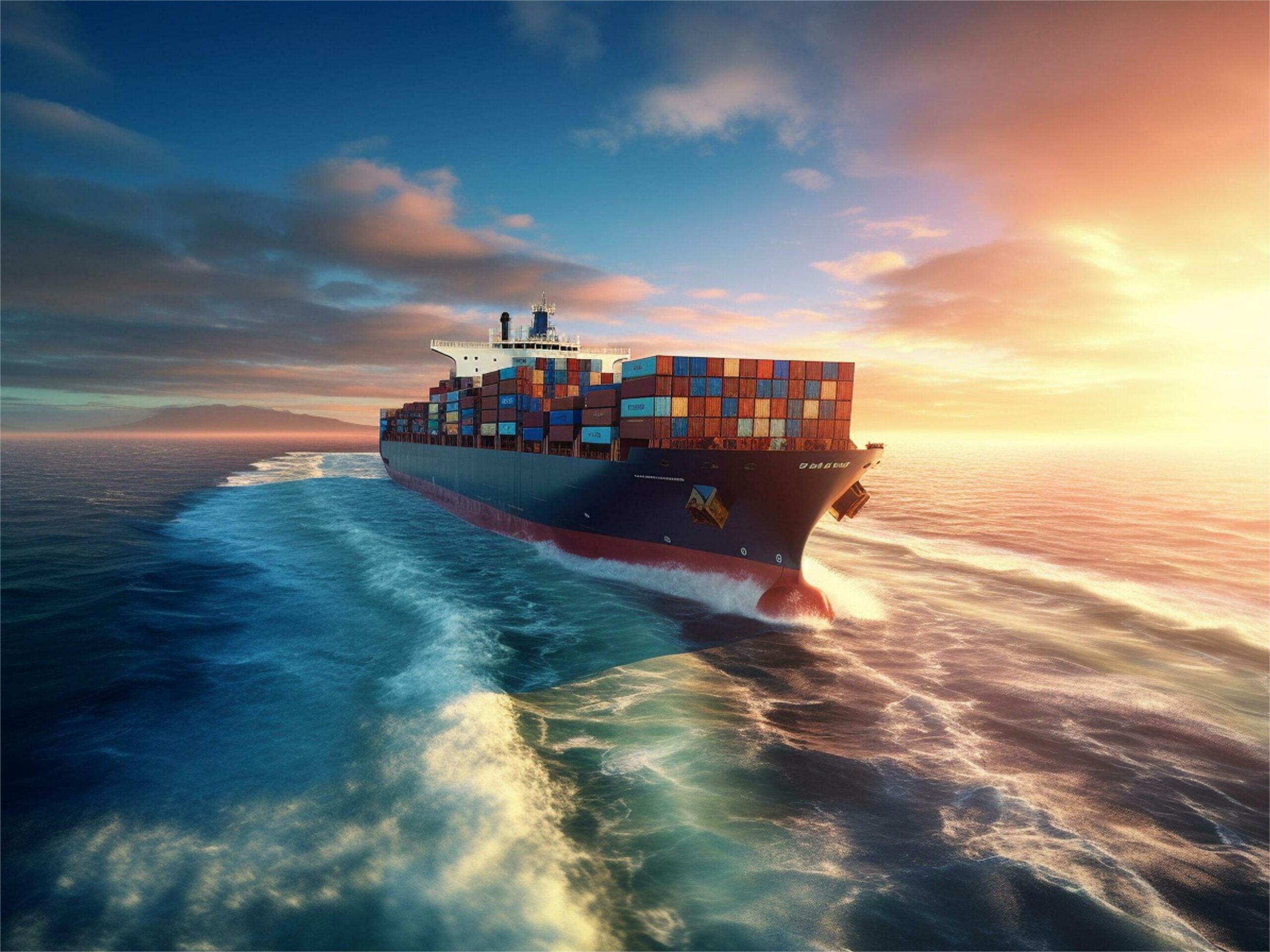
Sea freight is the most common choice for businesses moving large volumes of goods from China to the Port of Rotterdam. In fact, over 80 percent of global trade moves via ocean carriers because of the massive economies of scale. However, the transit time is significantly longer than other alternatives, usually ranging from 30 to 45 days. You must plan your inventory cycles carefully to account for this duration.
When comparing sea freight to air or rail, the cost savings are substantial for bulky items. For example, shipping a full container is often five times cheaper than using rail for the same volume. Nevertheless, you must consider port congestion and seasonal weather patterns which can impact arrival times. Choosing between FCL and LCL is another vital step in managing your sea logistics.
| Shipping Method | Cost Range (40HQ/kg) | Transit Time | Best For | Limitations |
|---|---|---|---|---|
| Sea Freight | $3,000 – $4,500 | 30-40 Days | Bulk Goods | Slow Speed |
| Air Freight | $7.50 – $12.00/kg | 3-7 Days | High Value | High Cost |
| Rail Freight | $4,200 – $5,800 | 15-22 Days | Medium Volume | Capacity Limits |
| Express | $12.00 – $18.00/kg | 2-4 Days | Samples/Docs | Very Expensive |
Why Is Air Freight Essential for Urgent Shipments?
Air freight offers the fastest connection between Chinese industrial centers and Amsterdam Schiphol Airport. Consequently, industries like electronics, fashion, and pharmaceuticals rely heavily on this mode to maintain lean inventories. While the price per kilogram is higher, the reduction in lead time can provide a competitive advantage in fast-moving markets. Air freight also provides enhanced security for sensitive cargo.
Moreover, the reliability of flight schedules ensures that delivery windows are met with high precision. During peak seasons, such as the lead-up to the holidays, securing space on cargo planes requires early booking. Additionally, businesses should evaluate the total landed cost, as faster delivery can reduce storage fees and capital tie-up. It is often the best choice for high-margin products.
Can Rail Freight Balance Speed and Cost for Dutch Imports?
Rail freight has become a sophisticated alternative for those who find sea freight too slow and air freight too expensive. The journey from hubs like Xi’an or Chengdu to Tilburg or Rotterdam typically takes about three weeks. Therefore, it serves as an excellent bridge for seasonal products that missed the sea booking window. Rail freight infrastructure has improved significantly as of 2026.
Furthermore, rail transport is generally more environmentally friendly than air freight, appealing to companies with strict sustainability goals. However, rail capacity can be limited compared to the massive vessels used in ocean shipping. As a result, it is vital to work with a forwarder who has guaranteed space allocations on the China-Europe Railway Express. This mode is particularly effective for automotive parts and machinery.
What Customs Documentation Is Required for the Netherlands?
Navigating the Dutch customs environment requires precise documentation to avoid costly delays at the border. As the gateway to the European Union, the Netherlands maintains strict compliance standards for all incoming Chinese goods. You must provide a commercial invoice, a detailed packing list, and a Bill of Lading or Air Waybill. Additionally, a Certificate of Origin may be necessary to determine applicable tariff rates.
Properly classifying your goods using the correct HS Code is essential for calculating VAT and import duties accurately. Utilizing a professional customs brokerage service can streamline this process significantly. In contrast, incorrect filings can lead to cargo seizures or heavy fines from the Dutch Customs Authority. Always ensure your EORI number is active and valid before the shipment departs China.
| Document Name | Purpose | Required By | Format |
|---|---|---|---|
| Commercial Invoice | Valuation of Goods | Customs | Digital/Physical |
| Packing List | Cargo Verification | Warehouse | Physical |
| Bill of Lading | Title to Goods | Carrier | Original/Telex |
| EORI Number | EU Trader ID | Customs | Digital Registration |
Which Option Should You Choose for Your Business?
Deciding on the best logistics strategy depends on your specific business priorities and cargo characteristics. If your primary goal is cost minimization and you have flexible timelines, sea freight is the clear winner. On the other hand, if you are launching a new product and need it in Dutch stores immediately, air freight is necessary. Hybrid solutions are also becoming more popular in 2026.
For shipments weighing between 100kg and 500kg, air freight often becomes competitive when considering total door-to-door costs. Meanwhile, for shipments over 15 CBM, a full container load (FCL) via sea is almost always the most economical choice. You should also consider door to door services to simplify the entire logistics chain. This approach allows you to focus on sales while experts handle the transport.
Budget Priority Strategies
If budget is your main concern, focus on LCL (Less than Container Load) sea freight for smaller volumes. Consolidating your cargo with other shippers allows you to share the container cost. Moreover, booking at least three weeks in advance can help you secure lower ‘early bird’ freight rates.
Speed and Reliability Strategies
When speed is paramount, direct air freight from Shanghai to Amsterdam is the gold standard. To save costs while maintaining speed, consider ‘deferred’ air services that take 5-7 days instead of the express 2-3 days. This strategy often saves 20% on freight costs without significantly impacting the supply chain.
Realistic Case Studies for China to Netherlands Routes
Examining real-world examples provides valuable insight into the actual costs and timelines involved in modern logistics. These cases reflect market conditions as of early 2026 and include all standard surcharges. Note that rates fluctuate based on fuel costs, carrier capacity, and seasonal demand. Contact us for a current quote tailored to your specific shipment.
Case Study 1: Electronics via Sea Freight
Box Case Study 1: High-Volume Consumer Electronics Route: Shenzhen, China to Rotterdam, Netherlands Cargo: Smart Home Devices, 28 CBM, 4,500 kg Container: 20GP Full Container Shipping Details: – Carrier: COSCO Shipping – Port of Loading: Shenzhen (Yantian) – Port of Discharge: Rotterdam – Route Type: Direct Cost Breakdown: – Ocean Freight: $2,450 – Origin Charges: $450 – Destination Charges: $550 – Customs & Duties: $1,200 (estimated) – Total Landed Cost: $4,650 Timeline: – Booking to Loading: 4 days – Sea Transit: 32 days – Customs Clearance: 2 days – Total Door-to-Door: 38 days Key Insight: Using FCL for 28 CBM was more cost-effective than LCL, saving the client approximately $600 in handling fees.
Case Study 2: Fast Fashion via Air Freight
Box Case Study 2: Seasonal Apparel Launch Route: Shanghai, China to Amsterdam, Netherlands Cargo: Designer Clothing, 2.5 CBM, 450 kg Service: Standard Air Freight Shipping Details: – Carrier: KLM Cargo – Port of Loading: Shanghai Pudong (PVG) – Port of Discharge: Amsterdam Schiphol (AMS) – Route Type: Direct Cost Breakdown: – Air Freight: $3,825 ($8.50/kg) – Origin Charges: $200 – Destination Charges: $250 – Customs & Duties: $950 – Total Landed Cost: $5,225 Timeline: – Booking to Loading: 2 days – Air Transit: 1 day – Customs Clearance: 1 day – Total Door-to-Door: 4 days Key Insight: The rapid transit allowed the brand to hit their ‘Spring Collection’ launch date, justifying the higher freight spend.
What Are the Alternative Logistics Strategies for 2026?
Beyond standard sea and air, savvy shippers are utilizing hybrid solutions to navigate market volatility. Sea-Air combined transport is one such method where goods travel by sea to a hub like Dubai and then by air to Amsterdam. This approach typically cuts the transit time of sea freight in half while remaining 40% cheaper than pure air freight. It is an excellent contingency plan during peak season port congestion.
Another alternative is transshipment via secondary ports to avoid high fees at major hubs. For instance, shipping to Antwerp and trucking to the Netherlands can sometimes be cheaper than direct delivery to Rotterdam. Furthermore, optimizing your packaging to reduce CBM can lead to significant long-term savings. Always analyze your data to find these hidden efficiencies in your export logistics China to Netherlands.
Need a tailored shipping solution?
Ready to optimize your export logistics china to Netherlands strategy? Contact us today for a free consultation and customized quote. Our expert team is here to help you streamline your logistics and reduce costs.