

Detention Prevention for FCL Shipping from China to USA: Expert Guide
Managing international logistics requires a proactive approach to detention prevention for FCL shipping from China to USA. Many importers face unexpected costs at the port, but Top China Freight helps streamline these operations effectively. By understanding the nuances of container management, businesses can significantly reduce their overhead expenses. This guide explores essential strategies to keep your supply chain moving without unnecessary financial penalties.

What is Detention in FCL Shipping?
Detention refers to the fees charged by carriers when a shipper holds a container beyond the allowed free time outside the port. Consequently, this occurs when the equipment is not returned to the terminal or depot within the agreed timeframe. Shippers often confuse this with demurrage, which applies to containers staying inside the port terminal too long.
Effective detention prevention for FCL shipping from China to USA starts with recognizing that the clock starts ticking the moment the container leaves the gate. Furthermore, these daily charges can accumulate rapidly, reaching hundreds of dollars per container. Therefore, maintaining a tight schedule for unloading and returning equipment is paramount for cost control.
Most carriers provide a standard window of free time, typically ranging from 4 to 7 days. However, high-volume routes or congested ports may see these windows shrink significantly. In addition, unexpected delays at the warehouse or shortages in drayage trucking can easily eat into this period. For a reliable transport solution, many businesses rely on sea freight services to manage these timelines.
Why Detention Prevention for FCL Shipping from China to USA Matters
Financial stability in the import business depends heavily on minimizing ancillary shipping costs. For instance, a single week of detention on multiple containers can erase the profit margin of an entire shipment. Consequently, detention prevention for FCL shipping from China to USA is not just a logistical task but a financial necessity.
Moreover, consistent delays in returning equipment can damage your relationship with ocean carriers. Shippers who frequently incur detention fees may find it harder to negotiate favorable rates in the future. Meanwhile, efficient equipment turnaround helps maintain the global container supply, benefiting the entire industry.
Market data suggests that detention and demurrage fees reached record highs during the recent global supply chain disruptions. Although rates have stabilized in 2025, the risk of sudden port congestion remains a threat to importers. As a result, having a robust strategy for equipment management is essential for long-term success.
Common Causes of Detention Fees
Warehouse congestion is perhaps the most frequent cause of delayed container returns. When a facility is overwhelmed with inventory, containers may sit on chassis for days before they can be unloaded. Furthermore, a lack of labor or equipment at the destination warehouse can stall the entire process.
Inadequate communication between the importer, the trucker, and the warehouse often leads to missed deadlines. For example, if the warehouse is not notified of an arriving container, they cannot prepare the necessary dock space. Consequently, the container remains outside the port, accruing detention charges every day.
Documentation errors also play a significant role in causing delays. If the paperwork is not processed quickly, the cargo cannot move forward through the supply chain. Utilizing a professional customs brokerage ensures that all legal requirements are met before the container even reaches the shore.
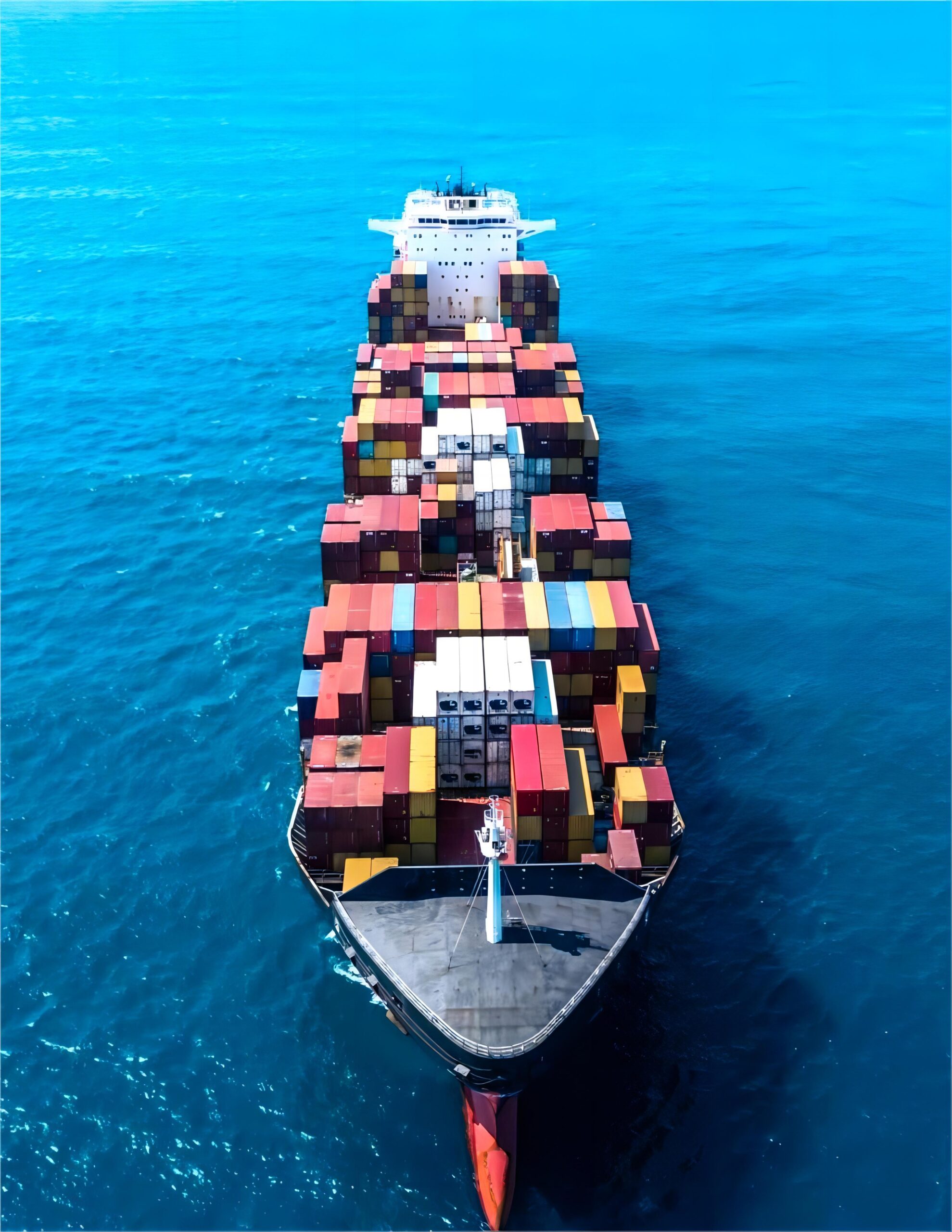
How Does FCL Shipping Compare to Other Shipping Options?
Choosing the right shipping method is a fundamental step in detention prevention for FCL shipping from China to USA. While FCL offers the best security for large volumes, other methods might be more suitable for urgent or smaller shipments. Specifically, air freight avoids container-related fees entirely but comes at a much higher price point.
In contrast, LCL shipping shares the container space, which means the freight forwarder handles the equipment return. However, this can lead to longer transit times due to the consolidation and deconsolidation processes. Therefore, shippers must weigh the cost of potential detention against the higher base rates of alternative methods.
| Shipping Method | Cost Range (USD) | Transit Time | Best For | Limitations |
|---|---|---|---|---|
| FCL (40HQ) Sea | $2,800 – $3,800 | 14 – 35 Days | High volume goods | Subject to detention |
| LCL Sea Freight | $50 – $150 per CBM | 20 – 40 Days | Small shipments | Slower processing |
| Air Freight | $5 – $12 per kg | 3 – 7 Days | Urgent inventory | Extremely expensive |
| Express Service | $8 – $15 per kg | 2 – 5 Days | Samples / Documents | Weight limits |
Strategic Decision Framework: Which Option Should You Choose?
Budget Priority
Speed and Reliability
Volume Thresholds
Essential Documentation for Detention Prevention
Accurate documentation is the backbone of a smooth logistics operation. Indeed, missing or incorrect commercial invoices can trigger customs holds that keep containers sitting in the yard for weeks. Therefore, shippers must verify all details, including HTS codes and country of origin, before the vessel departs China.
Moreover, the Bill of Lading must be released promptly to ensure the drayage provider can pull the container. If the original documents are delayed in transit, consider using a Telex Release to speed up the process. Consequently, this digital solution prevents physical paperwork from becoming a bottleneck at the destination.
Many businesses shipping to fulfillment centers utilize Amazon FBA specialized services to handle these requirements. These providers understand the strict delivery windows and documentation standards required by major retailers. As a result, they are better equipped to handle detention prevention for FCL shipping from China to USA.
| Document Type | Responsible Party | Critical Timing | Purpose |
|---|---|---|---|
| Commercial Invoice | Exporter (China) | Before Departure | Customs Valuation |
| Packing List | Exporter (China) | Before Departure | Cargo Verification |
| Bill of Lading | Carrier / Forwarder | At Departure | Title of Goods |
| ISF (10+2) | Importer (USA) | 24hrs Before Loading | Security Filing |
The Role of Door to Door Services
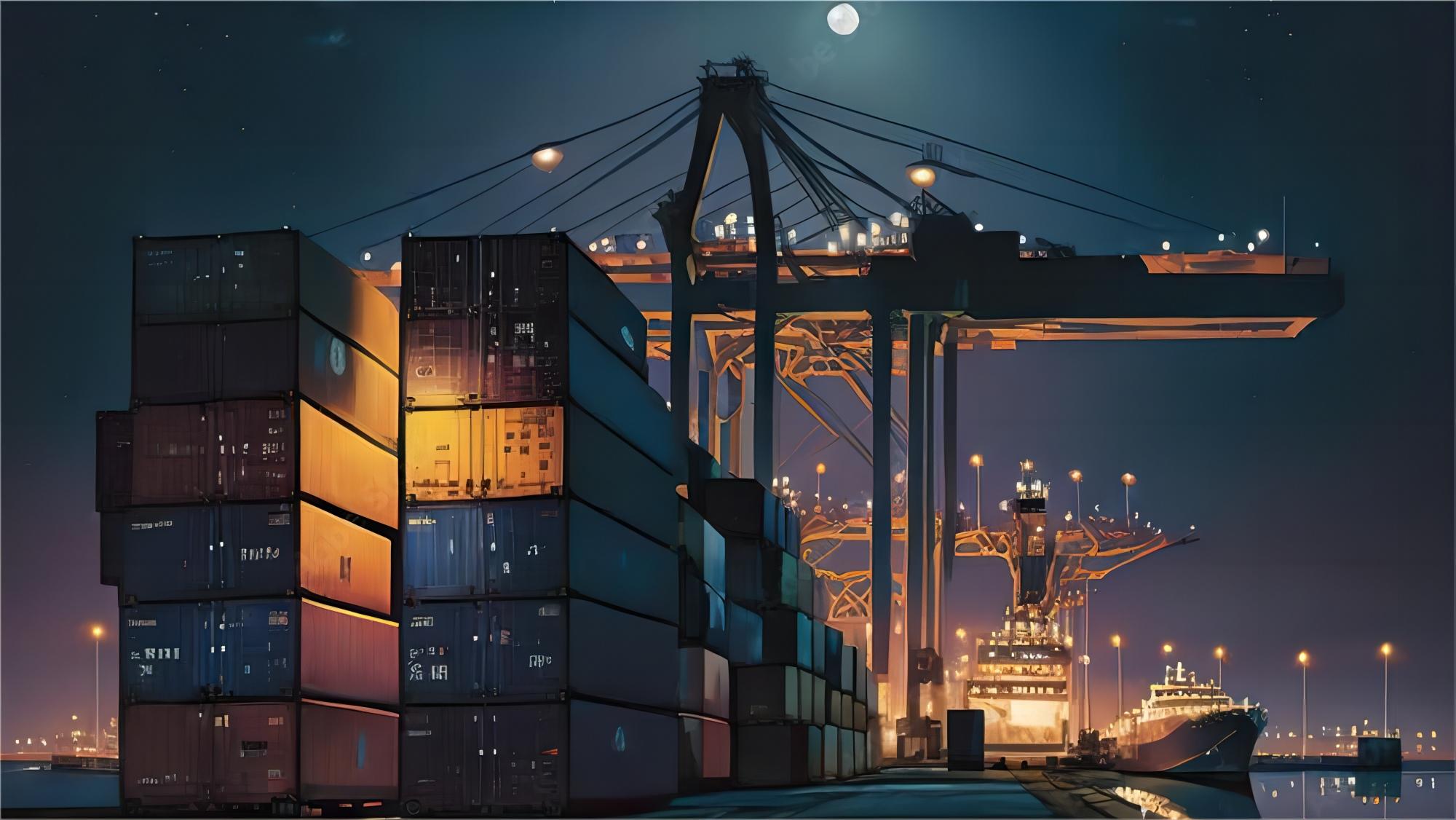
Comprehensive door to door solutions provide the most effective shield against detention. When one provider manages the entire journey, they take responsibility for the timely return of the container. Furthermore, they have established relationships with local truckers who prioritize their equipment returns.
In addition, these services often include yard storage options that are cheaper than carrier detention fees. If your warehouse is full, the provider can move the container to a secure yard and return the empty equipment to the port immediately. Consequently, you avoid the high daily penalties while keeping your cargo safe.
Nevertheless, importers should still monitor the status of their shipments through digital tracking platforms. Real-time visibility allows you to anticipate delays before they become costly problems. Indeed, proactive management is the most powerful tool in the arsenal of any logistics professional.
Real-World Case Studies in Detention Management
Case Study 1: Electronics from Shenzhen to Los Angeles
Case Study 2: Textiles from Ningbo to Savannah
Market Context and 2025 Trends
As of Q1 2025, freight rates from China to the USA have shown moderate volatility due to shifting trade policies. However, the focus for most shippers has moved from base rates to total landed costs, including detention. Consequently, detention prevention for FCL shipping from China to USA has become a top priority for supply chain managers.
Technological integration is another major trend affecting the industry this year. More carriers are offering automated alerts when free time is nearing its expiration. Furthermore, blockchain-based documentation is reducing the time containers spend waiting for paperwork clearance. Accordingly, staying updated on these tools is vital for modern importers.
Note: Freight rates are subject to change based on fuel costs, carrier capacity, and seasonal demand. Contact us for a current quote tailored to your specific shipment.
Final Thoughts on Detention Prevention
Successfully managing detention prevention for FCL shipping from China to USA requires a combination of early planning and clear communication. By negotiating free time and ensuring documentation accuracy, you can protect your bottom line from unexpected expenses. Furthermore, partnering with experienced freight forwarders provides the local expertise needed to handle port congestion effectively.
To summarize, every day saved in the container lifecycle is money back in your pocket. Stay proactive, utilize modern tracking tools, and always have a contingency plan for your warehouse operations. With these strategies in place, your shipping process will become a source of competitive advantage rather than a financial burden.

Ready to streamline your logistics?
Ready to optimize your supply chain and eliminate unnecessary fees? Contact Top China Freight today for a customized quote on detention prevention for FCL shipping from China to USA. Our experts are standing by to help you navigate the complexities of international trade. Send Inquiry: https://Top China Freight.net/
Request Quote