
Detention Prevention for FCL Shipping from China to Belgium
Full Container Load (FCL) shipping from China to Belgium is a cornerstone of international trade. However, unforeseen delays can lead to significant detention charges, eroding profit margins. This comprehensive guide from Top China Freight will explore effective strategies to minimize these risks. We aim to help businesses like yours ensure smoother, more predictable, and ultimately more cost-effective supply chains.

What Exactly Are FCL Detention Charges?
Detention charges are penalties levied by shipping lines when a consignee holds their container beyond the allotted ‘free days’ at the destination port or inland depot. These charges typically begin accruing after the free period expires. Therefore, understanding these terms is crucial for managing shipping costs.
Conversely, demurrage refers to charges for holding equipment inside the terminal beyond the free storage period. While often confused, detention relates to the container outside the port, whereas demurrage applies to the container within the port premises. Both significantly impact overall sea freight costs.
For FCL shipping from China to Belgium, free days typically range from 3 to 7 days, depending on the carrier and port. Exceeding this window can quickly escalate expenses. Businesses must thus prioritize efficient cargo handling and timely customs clearance.
Why Do Detention Charges Occur in China-Belgium FCL Shipping?
Several factors contribute to the occurrence of detention charges. A primary reason is often a lack of meticulous planning and coordination throughout the supply chain. Unexpected delays can easily throw off even the best schedules.
Moreover, incomplete or incorrect documentation is a frequent culprit. Customs authorities in Belgium require precise paperwork, and any discrepancies can lead to significant hold-ups. This directly impacts the delivery schedule.
Port congestion at destination, especially at major European hubs like Antwerp or Rotterdam, can also cause delays. Furthermore, insufficient labor or equipment for unloading at the consignee’s warehouse can extend container usage. Consequently, these issues lead to accumulating charges.
Ineffective communication between all parties involved, including the shipper, consignee, and freight forwarder, also plays a role. Clear and constant updates are vital for proactive problem-solving. This ensures everyone is aligned on the import/export process.
Key Strategies for Detention Prevention for FCL Shipping from China to Belgium
Proactive measures are essential to mitigate the risk of detention. Implementing robust strategies across your logistics operations can significantly reduce these costly penalties. This requires a holistic approach to your supply chain.
By focusing on critical areas, businesses can gain better control over their FCL shipments. This includes everything from initial booking to final delivery. Ultimately, such foresight helps maintain predictable shipping costs.
1. Meticulous Pre-shipment Planning and Preparation
Effective planning begins long before the container leaves China. Firstly, accurately forecast your demand and order volumes to avoid last-minute rushes. This allows for ample time to arrange vessel space.
Secondly, select reliable suppliers who can meet production deadlines consistently. Delays at the origin can cascade through the entire shipping process. Consequently, this impacts transit time.
Furthermore, negotiate sufficient free days with your chosen shipping line upfront. While standard free days exist, some carriers offer more flexibility, particularly for high-volume clients. This can provide a valuable buffer against minor delays.
Always consider potential peak seasons and holidays in both China and Belgium. These periods often bring increased demand and reduced operational capacity. Planning around these factors is crucial for smooth cargo handling.
2. Optimizing Documentation and Customs Clearance
Accurate and complete documentation is paramount for swift customs clearance in Belgium. Any errors or missing paperwork can lead to immediate delays and inspections. Therefore, double-checking all documents is a non-negotiable step.
Ensure that all necessary permits, licenses, and certificates are obtained well in advance of shipment departure. This includes certificates of origin, commercial invoices, and packing lists. Delays here directly impact the delivery schedule.
Consider engaging a professional customs brokerage service in Belgium. Expert brokers can pre-clear shipments and navigate complex regulations efficiently. Their expertise can save valuable time and prevent costly mistakes.
Utilize digital platforms for document submission where possible to streamline the process. This reduces the chances of physical document loss or delays. Moreover, it enhances overall supply chain visibility.
| Document Type | Purpose | Key Detail for Prevention | Responsible Party |
|---|---|---|---|
| Commercial Invoice | Proof of sale, customs valuation | Accurate value, HS codes, terms of sale | Shipper/Exporter |
| Packing List | Details of cargo contents | Precise item count, dimensions, weight | Shipper/Exporter |
| Bill of Lading (B/L) | Contract of carriage, title to goods | Correct consignee details, notify party | Carrier/Freight Forwarder |
| Certificate of Origin | Country of manufacture | Valid for preferential tariffs, if applicable | Shipper/Exporter |
| Import License/Permit | Authorization for specific goods | Obtained before shipment arrival in Belgium | Consignee/Importer |
3. Efficient Destination Logistics
Upon arrival in Belgium, efficient handling at the destination port is critical. Pre-booking transportation from the port to your warehouse or distribution center is essential. This ensures the container can be moved promptly after discharge.
Ensure your receiving facility has adequate staffing and equipment to unload the FCL container quickly. Unnecessary delays at your own premises will still incur detention charges. Furthermore, communicate expected arrival times to your team.
For inland transport, choose reliable local trucking partners with a proven track record. Confirm their availability and capacity well in advance. This prevents bottlenecks and ensures timely delivery.
Consider using a door to door service. This option streamlines the entire process, as the freight forwarder manages all aspects from origin to destination. This minimizes coordination headaches for the consignee.
4. Leveraging Technology and Data
Modern logistics trends emphasize the importance of real-time tracking and data analytics. Implement robust tracking systems to monitor your FCL shipment’s progress from China to Belgium. This enables proactive intervention.
Utilize predictive analytics to anticipate potential delays, such as port congestion or adverse weather conditions. This allows for contingency planning. Consequently, you can adjust schedules before issues escalate.
Maintain open lines of communication with your freight forwarder and all supply chain partners. Regular updates on vessel status, estimated time of arrival (ETA), and customs clearance progress are vital. This ensures everyone is informed.
Furthermore, review historical shipping data to identify recurring bottlenecks or common causes of detention. This data-driven approach helps refine your processes. It also strengthens your overall detention prevention strategy.
Choosing the Right Shipping Partner: A Critical Step
The success of your detention prevention efforts heavily relies on your logistics partner. A knowledgeable and proactive freight forwarder can be your strongest ally. They navigate complexities on your behalf.
When selecting a partner for FCL shipping from China to Belgium, prioritize those with extensive experience on this specific route. Look for strong relationships with shipping lines and local agents in Belgium. Their network is invaluable.
A good freight forwarder will offer transparent communication, real-time tracking, and proactive problem-solving. They should also provide expert advice on customs regulations and optimal shipping routes. This ensures a smoother journey.
Moreover, they can often negotiate better free day terms with carriers due to their volume and relationships. This adds another layer of protection against unexpected costs. It’s a key aspect of managing freight rates.
How Does FCL Sea Freight Compare to Other Shipping Options?
While FCL sea freight is often the most economical choice for large volumes, it’s not the only option for shipping from China to Belgium. Understanding the alternatives is crucial for making informed decisions. Each method has distinct advantages and disadvantages regarding shipping costs and transit time.
Consider your specific cargo type, urgency, and budget when evaluating these options. Different scenarios demand different logistics solutions. This strategic approach optimizes your supply chain.
| Shipping Method | Cost Range (40HQ/1000kg) | Transit Time (Days) | Best For | Limitations |
|---|---|---|---|---|
| FCL Sea Freight | $3,000 – $4,200 | 28-35 | Large volumes, heavy goods, cost-effectiveness | Long transit time, port congestion risks |
| LCL Sea Freight | $50 – $80 per CBM | 35-45 | Smaller volumes, non-urgent goods | Longer transit, more handling, less security |
| Rail Freight | $8,000 – $12,000 | 18-25 | Mid-size shipments, balance of speed/cost | Limited routes, capacity constraints, potential transshipment |
| Air Freight | $15,000 – $25,000 | 5-7 | Urgent, high-value, time-sensitive goods | High cost, weight/volume restrictions, environmental impact |
Sea Freight (FCL vs. LCL)
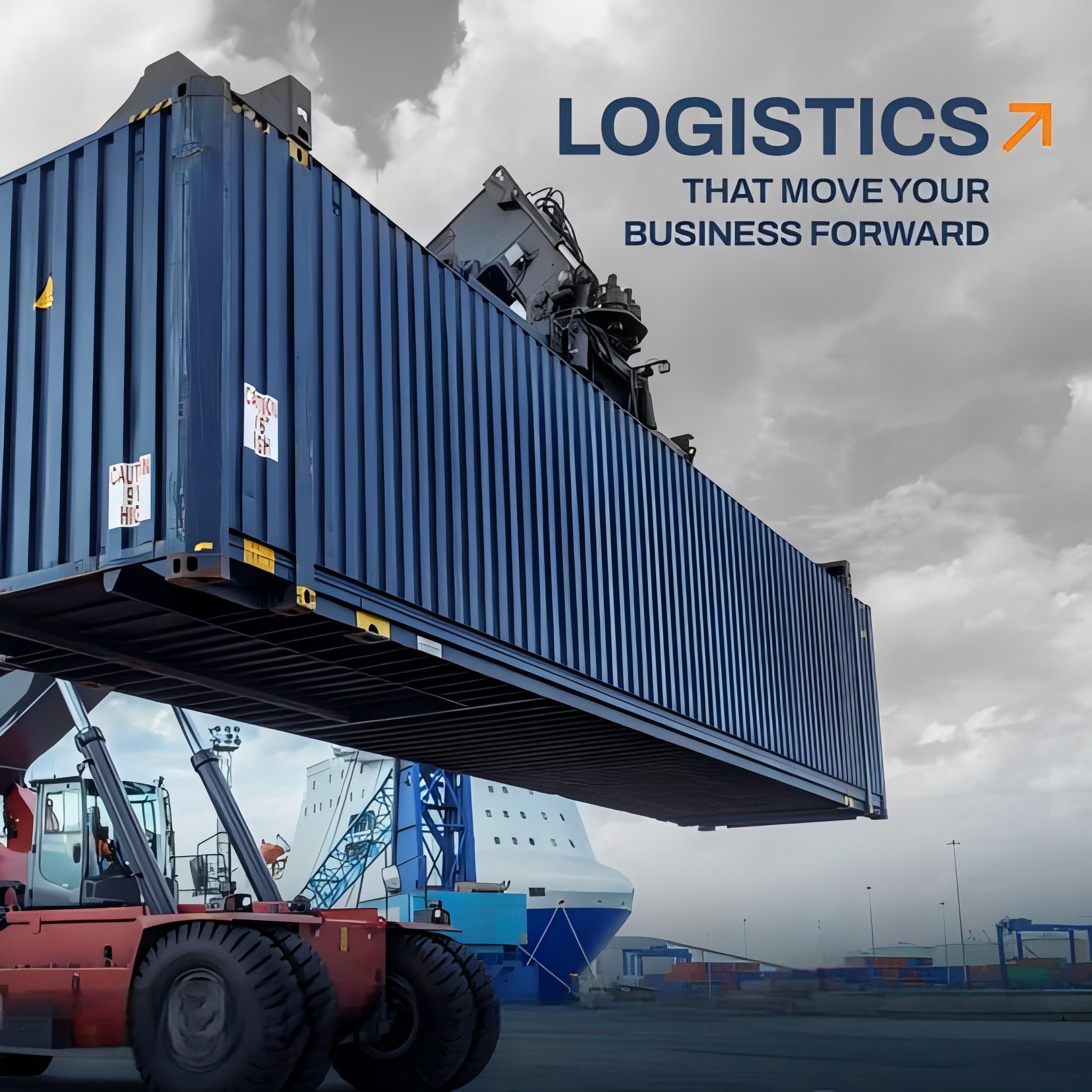
FCL (Full Container Load) involves using an entire container for your goods. This is ideal for large volumes, offering better security and faster transit times compared to LCL. It typically suits shipments exceeding 15-20 CBM.
LCL (Less than Container Load) means your cargo shares container space with other shippers’ goods. While more flexible for smaller volumes, LCL can involve more handling and longer transit times due to consolidation. It is generally suitable for shipments under 15 CBM.
Air Freight
Air freight offers the fastest transit times, typically 5-7 days from China to Belgium. This speed comes at a significantly higher cost compared to sea freight. It is best suited for urgent, high-value, or time-sensitive goods.
However, air freight has strict limitations on cargo size and weight. While quick, its environmental footprint is larger. This method is often chosen for critical components or samples.
Rail Freight
Rail freight, connecting China to Europe via the New Silk Road, presents a viable middle-ground option. It offers faster transit than sea freight (around 18-25 days) and is more cost-effective than air freight. This is a growing option for many businesses.
This method is particularly attractive for goods that are too large for air but require quicker delivery than ocean vessels. It also offers greater reliability with fixed schedules. However, rail capacity can sometimes be limited.
Which Option Should You Choose?
The optimal shipping method depends on your priorities. For budget-priority, FCL sea freight remains the most cost-effective solution for large volumes. It balances cost with reasonable transit times.
If speed is your utmost priority, especially for urgent or perishable goods, air freight is the clear choice. However, be prepared for significantly higher shipping costs. This is a trade-off for rapid delivery.
For a balance of speed and cost, particularly for goods that are not extremely urgent but need to arrive faster than sea freight, rail freight offers a compelling alternative. Consider this for regular shipments.
Cargo type considerations also play a role. Hazardous materials or oversized cargo often have specific regulations that might limit air or rail options. Always consult with your freight forwarder for tailored advice.
Real-World Success: Case Studies in Detention Prevention
Examining practical examples can illustrate how effective detention prevention strategies work in real-world scenarios. These case studies highlight the importance of planning, communication, and expert partnership. They demonstrate tangible benefits for businesses shipping to Europe.
These examples also showcase the varied challenges and solutions in FCL shipping. Understanding these can help you anticipate and mitigate similar issues. Ultimately, this protects your supply chain from unexpected costs.
Case Study 1: Streamlined Customs for Electronics
This case involved an electronics distributor importing sensitive components into Belgium. Their previous shipments often faced delays due to complex customs declarations and inspections. The goal was to reduce these hold-ups and prevent detention.
By partnering with a freight forwarder specializing in electronics and leveraging their customs brokerage services, the client significantly improved their process. Pre-filing and meticulous document preparation became standard. This proactive approach paid off.
The freight forwarder also provided real-time updates, allowing the consignee to prepare for unloading immediately upon port arrival. This eliminated unnecessary waiting periods. The result was a smoother, faster, and more cost-efficient operation.
| Detail | Description |
|---|---|
| Route | Shenzhen, China -> Antwerp, Belgium |
| Cargo | Electronic components, 58 CBM, 12,000 kg |
| Container | 1 x 40HQ |
| Shipping Details | Carrier: MSC, Port of Loading: Shenzhen, Port of Discharge: Antwerp, Route Type: Direct |
| Cost Breakdown | Ocean Freight: $3,800, Origin Charges: $450, Destination Charges: $550, Customs & Duties (estimated): $1,200, Total Landed Cost: $6,000 (Based on Q3 2024 market rates) |
| Timeline | Booking to Loading: 5 days, Sea Transit: 30 days, Customs Clearance: 2 days, Total Door-to-Door: 38 days |
| Key Insight | Proactive customs pre-clearance and precise documentation cut clearance time by 50%, preventing potential detention fees of $150/day. |
Case Study 2: Proactive Planning for Seasonal Goods
A fashion retailer faced recurring detention charges during peak season for apparel shipments from China to Belgium. The influx of goods often overwhelmed their warehouse capacity. This highlighted a critical need for improved planning.
Working with their freight forwarder, they implemented a staggered shipping schedule. This strategy avoided a single large influx of containers. Instead, it spread out arrivals over several weeks.
Furthermore, the freight forwarder negotiated additional free days with the shipping line for specific peak season bookings. This provided extra buffer time. This combined approach significantly reduced detention incidents. It also streamlined their inbound logistics.
| Detail | Description |
|---|---|
| Route | Ningbo, China -> Zeebrugge, Belgium |
| Cargo | Seasonal apparel, 62 CBM, 10,500 kg |
| Container | 1 x 40HQ |
| Shipping Details | Carrier: COSCO, Port of Loading: Ningbo, Port of Discharge: Zeebrugge, Route Type: Direct |
| Cost Breakdown | Ocean Freight: $4,000, Origin Charges: $400, Destination Charges: $600, Customs & Duties (estimated): $1,500, Total Landed Cost: $6,500 (Typical rates as of early 2025) |
| Timeline | Booking to Loading: 7 days, Sea Transit: 32 days, Customs Clearance: 3 days, Total Door-to-Door: 42 days |
| Key Insight | Staggered shipping and negotiated extra free days prevented $900 in potential detention during peak Q4 season. |
Case Study 3: Overcoming Port Congestion Challenges
An industrial parts manufacturer experienced significant delays at the Port of Antwerp due to unexpected congestion. This resulted in mounting demurrage and detention charges. They needed a more resilient shipping plan.
Their freight forwarder proposed a flexible solution, diverting some FCL shipments to Rotterdam, a nearby alternative port, when Antwerp faced severe congestion. This required dynamic decision-making.
Additionally, they utilized a faster express service for critical components to bypass the congested sea route entirely. This hybrid strategy mitigated risks effectively. It demonstrated adaptive supply chain management.
By diversifying port options and leveraging alternative services, the manufacturer minimized financial losses. They maintained their production schedule despite external challenges. This strategic flexibility proved invaluable.
| Detail | Description |
|---|---|
| Route | Shanghai, China -> Antwerp/Rotterdam, Belgium/Netherlands |
| Cargo | Industrial machinery parts, 25 CBM, 8,000 kg |
| Container | 1 x 20GP |
| Shipping Details | Carrier: Maersk, Port of Loading: Shanghai, Port of Discharge: Antwerp (alternate Rotterdam), Route Type: Direct |
| Cost Breakdown | Ocean Freight: $2,200, Origin Charges: $350, Destination Charges: $450, Customs & Duties (estimated): $800, Total Landed Cost: $3,800 (Market data suggests for Q1 2025) |
| Timeline | Booking to Loading: 6 days, Sea Transit: 31 days, Customs Clearance: 2 days, Total Door-to-Door: 39 days |
| Key Insight | Flexible port routing and early communication prevented two weeks of detention during a major port congestion event, saving over $1,000. |
Market Insights and Future Trends Affecting Detention
The global shipping landscape is constantly evolving, with market conditions directly impacting detention risks. As of Q1 2025, freight rates from China to Europe have largely stabilized following the 2024 Red Sea disruptions. However, regional volatility remains a factor.
Industry average for this route suggests continued pressure on container availability, especially during peak seasons. Rates typically increase 15-25% during August-October. This requires careful planning for your logistics trends.
Furthermore, environmental regulations are becoming stricter, leading to potential changes in vessel speeds and routing. This could indirectly affect transit times. Businesses must stay informed about these developments.
Digitalization continues to transform the industry, with more emphasis on real-time data and automated processes. Adopting these technologies can significantly enhance your ability to prevent detention. It improves overall supply chain resilience.
Note: Freight rates are subject to change based on fuel costs, carrier capacity, and seasonal demand. Contact us for a current quote tailored to your specific shipment.
Mastering Detention Prevention for FCL Shipping to Belgium
Effectively preventing detention charges in FCL shipping from China to Belgium is crucial for maintaining profitability and supply chain efficiency. It demands a combination of meticulous planning, accurate documentation, efficient destination logistics, and a reliable freight partner.
By implementing the strategies outlined, businesses can significantly reduce their exposure to these avoidable costs. Moreover, understanding market trends and leveraging technology further strengthens your position. Ultimately, a proactive approach ensures smoother international trade. This secures your FCL shipping from China to Belgium operations.
Get Your Shipping Quote Today
Ready to optimize your FCL shipping from China to Belgium and prevent costly detention charges? Contact Top China Freight today for a personalized consultation. Our experts are here to help you streamline your supply chain and ensure smooth, efficient deliveries.
Request Quote