DDP Sea Freight China to Australia: 2026 Comprehensive Shipping Guide
Managing international logistics requires a strategic partner to navigate the complexities of global trade. If you are searching for a reliable ddp sea freight china to australia solution, understanding the end-to-end process is vital for maintaining your profit margins. This guide provides a detailed look at how to streamline your imports while ensuring compliance with Australian regulations in 2026.
✦
What Is DDP Sea Freight China to Australia?
Delivered Duty Paid (DDP) is an incoterm where the seller assumes all responsibility, risks, and costs associated with transporting goods. This includes everything from the factory floor in China to the final destination in Australia. Consequently, the buyer is only responsible for unloading the goods upon arrival at their warehouse or office.
Choosing this method simplifies the process for Australian importers who may not have extensive experience with international logistics. Moreover, it provides a predictable landed cost, which is essential for accurate product pricing and financial planning. Indeed, DDP is becoming the preferred choice for many e-commerce businesses and small to medium enterprises.
The shipping process involves several stages, including inland haulage, export customs clearance, ocean transit, and final mile delivery. Because the forwarder handles the complexities of GST and import duties, you can focus on growing your business instead of managing paperwork. Therefore, DDP represents a truly hands-off approach to international procurement.
Why Choose DDP for Your Australia Shipments?
One of the primary advantages of DDP is the elimination of hidden costs that often plague international shipping. Since the freight forwarder provides an all-in quote, you avoid unexpected terminal handling charges or storage fees at the port of discharge. Furthermore, this transparency allows for better cash flow management and more reliable budgeting.
Additionally, DDP reduces the administrative burden on your team by centralizing the communication through a single logistics provider. Instead of dealing with separate customs brokers and local couriers, you have one point of contact for the entire journey. This streamlined communication significantly reduces the risk of errors and delays during the transit process.
Security is another significant benefit, as the seller or forwarder remains liable for the goods until they reach your door. If any issues arise during the voyage or customs inspection, the responsibility for resolution lies with the logistics provider. This peace of mind is invaluable when dealing with high-value cargo or tight production schedules.
How Does DDP Sea Freight Compare to Other Shipping Options?
When planning your logistics strategy, it is crucial to evaluate how DDP sea freight stacks up against alternatives like CIF or FOB. While FOB might offer a lower initial freight rate, the importer must manage Australian customs and local delivery separately. In contrast, DDP offers a comprehensive service that covers every single link in the supply chain.
Furthermore, sea freight is significantly more cost-effective than air freight for large or heavy shipments. Although air freight is faster, the cost per kilogram is often five to ten times higher than ocean transport. For businesses with stable demand and long lead times, the savings offered by sea freight are substantial.
Hybrid solutions like sea-air are also available, though they are less common for the China-Australia route due to the efficiency of direct sea lanes. Most businesses find that standard sea freight provides the best balance of cost and reliability. The following table provides a detailed comparison of the most common shipping methods available in 2026.
| Shipping Method | Cost Range (USD) | Transit Time | Best For | Limitations |
|---|---|---|---|---|
| DDP Sea Freight | $800 – $2,200 | 15-25 Days | Bulk goods/E-com | Fixed lead times |
| Air Freight | $5.00 – $9.00/kg | 3-7 Days | Urgent/High-value | High cost/Weight |
| Express DDP | $7.00 – $12.00/kg | 3-5 Days | Small samples | Expensive for bulk |
| FOB Sea Freight | $500 – $1,500 | 18-30 Days | Large corporations | Complex admin |
Understanding the Costs of Sea Freight in 2026
Freight rates for the China to Australia route have remained relatively stable throughout the first half of 2026. However, seasonal fluctuations still occur, particularly during the lead-up to the Chinese New Year and the Australian Christmas shopping season. During these peak periods, rates can increase by 15% to 20% due to high demand and limited vessel capacity.
The total cost of a DDP shipment is influenced by several factors, including the volume of the cargo and the specific ports of origin and destination. For instance, shipping from Shenzhen to Sydney is typically cheaper than shipping from an inland Chinese city to Perth. Additionally, fuel surcharges and currency fluctuations can impact the final quote provided by your forwarder.
To get the best value, businesses should consider whether LCL or FCL shipping is more appropriate for their needs. For shipments under 15 cubic meters, Less than Container Load (LCL) is usually the most economical choice. Conversely, for larger volumes, a Full Container Load (FCL) offers better security and a lower cost per unit.
| Container Type | 20GP Container | 40GP Container | 40HQ Container |
|---|---|---|---|
| Base Freight | $900 – $1,300 | 1,400 – $1,900 | $1,600 – $2,100 |
| DDP Surcharge | $400 – $700 | $600 – $900 | $700 – $1,000 |
| Total Est. 2026 | $1,300 – $2,000 | $2,000 – $2,800 | $2,300 – $3,100 |
Transit Times and Delivery Schedules for 2026
Shipping from China to australia is one of the faster international sea routes. On average, the port-to-port transit time ranges from 12 to 18 days, depending on whether the vessel is a direct service or involves transshipment. Direct routes from major ports like Shanghai or Ningbo to Sydney are the most efficient options.
However, the total door-to-door transit time under DDP terms must account for inland logistics and customs processing. Typically, you should allow for an additional 7 to 10 days for pick-up in China and final delivery in Australia. Consequently, the total time from your supplier’s warehouse to your door is usually between 22 and 28 days.
Weather conditions and port congestion can occasionally cause minor delays in the schedule. Nevertheless, major Australian ports like Melbourne and Brisbane have implemented advanced automation technologies in 2026 to improve turnaround times. Maintaining a flexible inventory strategy can help mitigate the impact of any unforeseen logistical challenges.
Essential Documentation for Customs Brokerage
Navigating the legal requirements for Australian imports is a critical component of any DDP service. Your provider will handle the customs brokerage tasks, but you must still provide accurate information about your goods. This includes detailed commercial invoices, packing lists, and certificates of origin to qualify for preferential tariff rates.
Furthermore, Australia has strict biosecurity regulations, especially for items containing wood, plant matter, or organic materials. Failure to provide a valid fumigation certificate can lead to significant delays and additional inspection fees at the border. Therefore, ensuring your supplier in China complies with these standards is essential for a smooth clearance process.
In addition to standard documents, certain products may require specific permits or licenses from Australian government agencies. For example, electronics must often meet specific safety standards and carry the appropriate compliance markings. Working with an experienced forwarder ensures that all these regulatory hurdles are cleared before the cargo even arrives at the port.
Real Case Studies: China to Australia Shipments
The following case studies illustrate how different businesses utilize DDP sea freight to manage their supply chains effectively. These examples reflect actual market conditions and pricing observed in early 2026.
Case Study 1: Electronics from Shenzhen to Melbourne. Cargo: 500kg, 3 CBM of consumer electronics. Shipping Method: LCL DDP Sea Freight. Ocean Freight: $450. Origin Charges: $120. Destination Charges: $180. Customs and Duties: $210. Total Landed Cost: $960. Timeline: 24 days door-to-door. Key Insight: Choosing LCL allowed the business to maintain frequent stock updates without the cost of a full container.
Case Study 2: Furniture from Foshan to Sydney. Cargo: 25 CBM of home furniture. Container: 20GP FCL. Shipping Method: FCL DDP Sea Freight. Ocean Freight: $1,100. Origin Charges: $250. Destination Charges: $350. Customs and Duties: $480. Total Landed Cost: $2,180. Timeline: 21 days door-to-door. Key Insight: FCL provided the necessary security for fragile items while keeping the per-unit shipping cost extremely low.
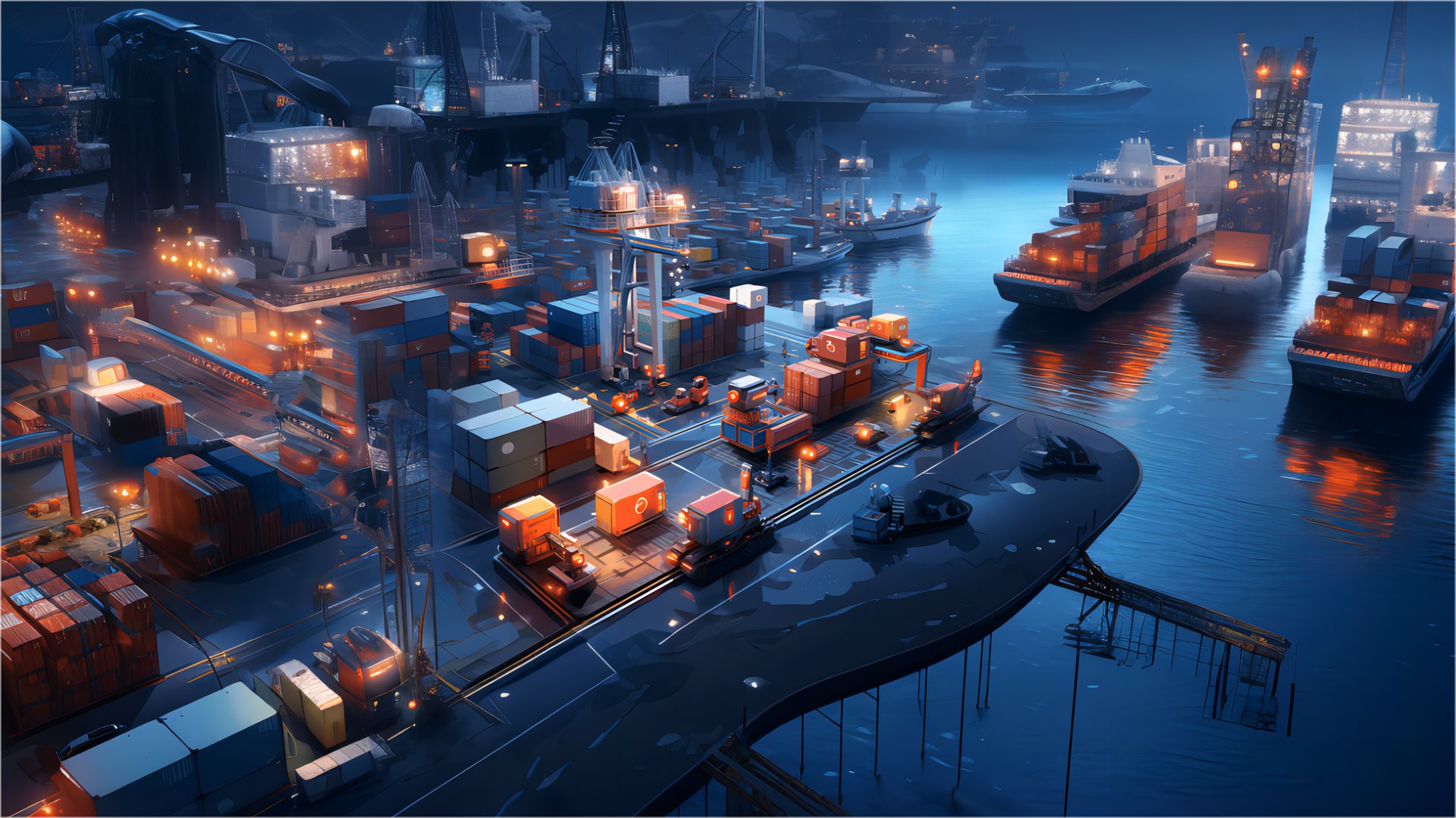
Volume Thresholds: FCL vs LCL Shipping
Deciding between FCL and LCL is a fundamental part of optimizing your sea freight strategy. Generally, if your shipment volume exceeds 15 cubic meters, booking a 20GP container becomes more cost-effective than paying for individual cubic meters. This is because FCL rates are charged per container, whereas LCL rates are calculated based on volume or weight.
Moreover, FCL shipments are typically faster because the container does not need to be deconsolidated at a warehouse before final delivery. For businesses with high-volume requirements, FCL also offers a higher level of security, as the container is sealed at the origin and only opened at the destination. This reduces the risk of damage or loss during the handling process.
On the other hand, LCL is ideal for start-ups and businesses testing new product lines with smaller quantities. It allows you to share container space with other importers, making international trade accessible without a massive capital investment. Regardless of the volume, a DDP service can be tailored to meet your specific requirements.
Managing GST and Import Duties in Australia
One of the biggest hurdles for importers is calculating and paying the Goods and Services Tax (GST) and various import duties. Under DDP terms, your freight forwarder takes care of these payments on your behalf, often including them in the initial quote. This is particularly beneficial for amazon fba sellers who need to ensure their products are landed and ready for sale without any tax complications.
Most goods imported into Australia are subject to a 10% GST, calculated based on the value of the goods plus the cost of freight and insurance. Additionally, depending on the product category, duties can range from 0% to 5%. However, the China-Australia Free Trade Agreement (ChAFTA) allows for duty-free entry for many products if the correct documentation is provided.
Indeed, managing these financial obligations correctly is vital for maintaining a legal and profitable operation. If your forwarder handles the DDP process correctly, you will receive a clear breakdown of these costs for your accounting records. This transparency ensures that you remain compliant with the Australian Taxation Office while maximizing your tax efficiency.
How to Optimize Your Supply Chain with Door to Door Services
Integrating a door to door service into your business model can provide a significant competitive advantage. By removing the need for you to coordinate between different logistics providers, you reduce the likelihood of communication gaps and delays. This end-to-end visibility allows you to provide more accurate delivery estimates to your own customers.
Furthermore, modern logistics platforms offer real-time tracking, allowing you to monitor your shipment’s progress from the factory to your warehouse. This data-driven approach enables better inventory management and helps you avoid stockouts during high-demand periods. Consequently, your supply chain becomes more resilient and responsive to market changes.
Finally, building a long-term relationship with a trusted DDP provider allows for better negotiation on rates and service levels. As your shipping volume grows, your partner can offer customized solutions that further reduce your landed costs. Investing in a professional DDP sea freight service is a strategic move for any business looking to scale their international trade operations.
Mastering Your Australia Logistics Strategy
In conclusion, utilizing ddp sea freight china to australia is a powerful way to streamline your business operations and ensure predictable costs. By understanding the nuances of 2026 freight rates, transit times, and customs requirements, you can make informed decisions that drive growth. Whether you are shipping small LCL batches or full containers, the right logistics partner makes all the difference.
As the trade landscape continues to evolve, staying ahead of logistics trends and regulatory changes is essential. DDP offers the simplicity and security needed to navigate these challenges with confidence. Start optimizing your shipping strategy today to reap the benefits of a more efficient and reliable supply chain.