Container Shipping China to UAE FCL LCL: 2026 Logistics Guide
Navigating the complexities of container shipping china to UAE FCL LCL requires a deep understanding of the 2026 logistics landscape. As trade between these regions grows, finding a reliable partner like Top China Freight ensures your cargo reaches its destination efficiently. Whether you are moving small batches or massive inventory, choosing the right shipping method is the first step toward a successful supply chain.
What is the Difference Between FCL and LCL for UAE Shipping?
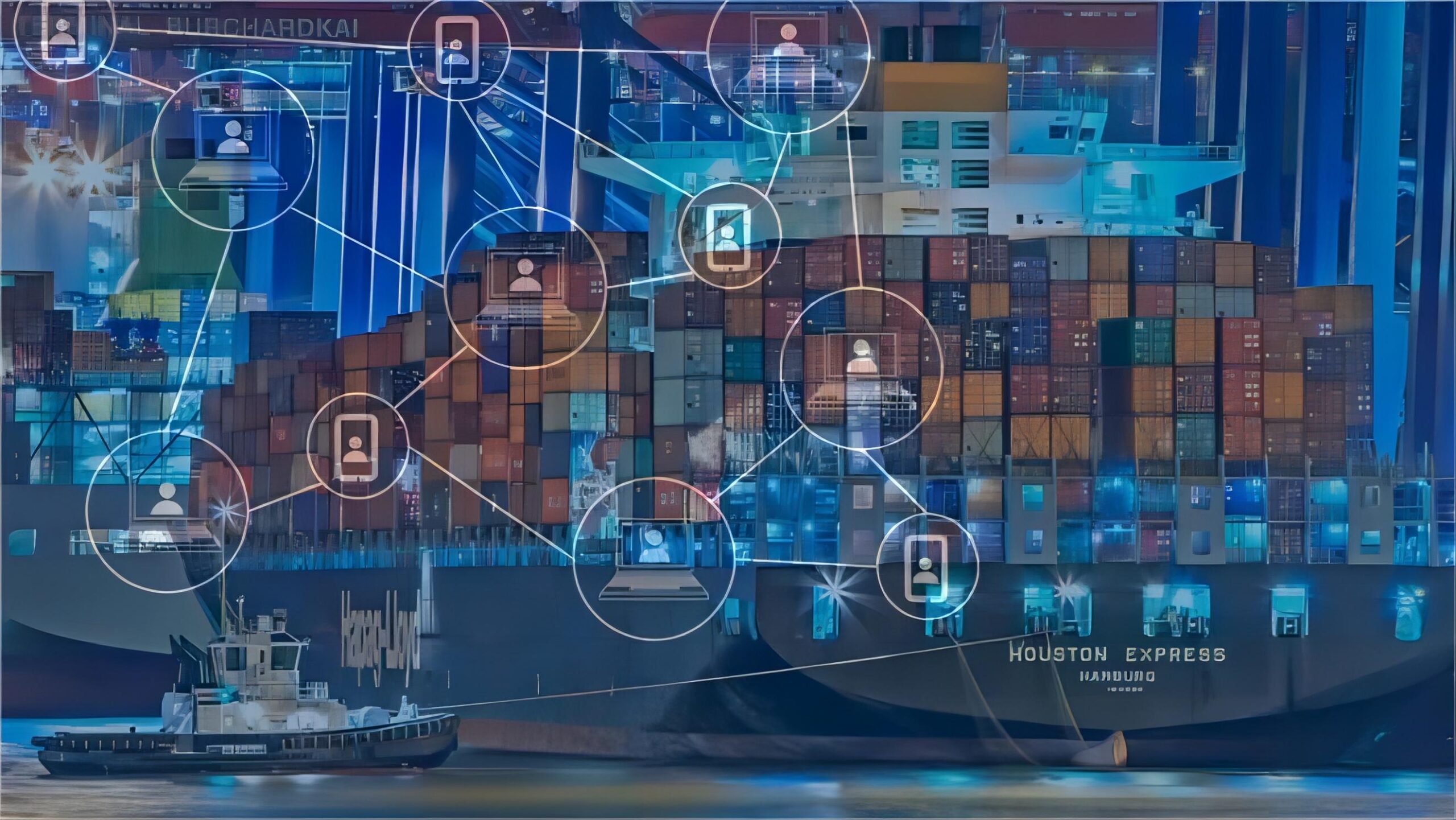
Understanding the distinction between Full Container Load (FCL) and Less than Container Load (LCL) is vital for cost management. FCL implies that you rent an entire container for your goods exclusively. In contrast, LCL involves sharing container space with other shippers, which is ideal for smaller volumes.
Selecting sea freight options depends largely on your total cargo volume and budget. Generally, if your shipment exceeds 15 cubic meters, FCL becomes the more economical choice. Meanwhile, smaller shipments benefit from the flexibility of LCL consolidation services.
Moreover, FCL offers better security since the container remains sealed from the point of origin to the destination. LCL requires more handling at consolidation warehouses, which may slightly increase the risk of minor damage. Consequently, businesses with fragile or high-value goods often prefer the dedicated space of a full container.
How Does Container Shipping China to UAE FCL LCL Compare to Other Shipping Options?
Evaluating all available transport modes allows you to optimize your supply chain for speed and cost. While sea freight is the backbone of international trade, other methods like air freight or hybrid solutions offer unique advantages. For instance, air freight is significantly faster but comes at a much higher price point.
Furthermore, the choice between direct sea routes and transshipment can impact your delivery schedule. Direct routes to Jebel Ali are faster but may cost 10 percent more than routes involving stops in Singapore or Port Klang. Therefore, you must weigh the urgency of your inventory against the total landed cost.
Additionally, sea-air hybrid solutions have gained popularity in 2026 as a middle-ground strategy. This method combines the cost-effectiveness of ocean transport with the speed of flight for the final leg. As a result, shippers can save money while still meeting relatively tight deadlines.
| Shipping Method | Cost Range | Transit Time | Best For |
|---|---|---|---|
| Sea Freight (FCL) | $1,800 – $3,500 | 20-25 Days | Bulk Inventory |
| Sea Freight (LCL) | $50 – $90/CBM | 25-32 Days | Small Shipments |
| Air Freight | $3.50 – $6.50/kg | 3-7 Days | Urgent Goods |
| Sea-Air Hybrid | $1.50 – $2.50/kg | 12-15 Days | Balanced Priority |
What Are the Current Container Shipping China to UAE FCL LCL Rates?
Market data suggests that freight rates have stabilized in early 2026 following previous global disruptions. Currently, a 20-foot container from Shanghai to Dubai ranges between $1,800 and $2,400. On the other hand, 40-foot high cube containers often cost between $3,000 and $3,800 depending on the season.
Specifically, LCL rates are calculated per cubic meter or per 1,000 kilograms, whichever is greater. You should expect to pay additional fees for port handling and documentation at both ends. Indeed, local charges in UAE ports like Jebel Ali or Khalifa Port can add several hundred dollars to your total bill.
Historically, rates fluctuate during peak seasons such as the months leading up to Ramadan or the year-end holidays. To mitigate these costs, booking your shipment at least three weeks in advance is highly recommended. Note: Freight rates are subject to change based on fuel costs, carrier capacity, and seasonal demand. Contact us for a current quote tailored to your specific shipment.
| Container Type | Shanghai to Dubai | Shenzhen to Dubai | Ningbo to Abu Dhabi |
|---|---|---|---|
| 20GP (Standard) | $1,950 | $1,850 | $2,050 |
| 40GP (Standard) | $3,100 | $3,000 | $3,250 |
| 40HQ (High Cube) | $3,400 | $3,300 | $3,550 |
| LCL (per CBM) | $65 | $60 | $70 |
How to Handle Customs Brokerage and Documentation?
Navigating UAE customs requires precision and a thorough understanding of local import regulations. You must provide a Commercial Invoice, a Detailed Packing List, and a Certificate of Origin for every shipment. Engaging a professional customs brokerage service can prevent costly delays at the border.
Furthermore, certain goods may require special permits from UAE ministries, such as the Ministry of Health or the Ministry of Climate Change. Failure to provide these documents can lead to cargo seizure or heavy fines. Consequently, verifying your HS codes before the cargo leaves China is a critical step.
In addition, the Bill of Lading serves as the most important legal document for your sea freight journey. It acts as a receipt for the goods and a contract of carriage between you and the shipping line. Without a doubt, keeping digital and physical copies of all paperwork is the best practice for modern logistics.
Why Choose Door to Door Shipping for UAE Deliveries?
Many businesses now opt for door to door services to simplify their operations. This comprehensive solution covers everything from factory pickup in China to final delivery at your warehouse in Dubai or Sharjah. As a result, you spend less time managing multiple vendors and more time growing your business.
Moreover, this method provides a single point of contact for tracking and troubleshooting. Instead of calling port authorities or truck drivers, you simply communicate with your freight forwarder. Ideally, this end-to-end approach reduces the likelihood of communication errors and hidden costs.
Ultimately, the convenience of having your container shipping china to UAE FCL LCL handled by one entity is invaluable. Whether you are importing furniture, electronics, or industrial machinery, a managed solution ensures a smoother transition through every logistics milestone. It is particularly beneficial for new importers who are unfamiliar with Middle Eastern port procedures.
Are There Faster Alternatives Like Air Freight?
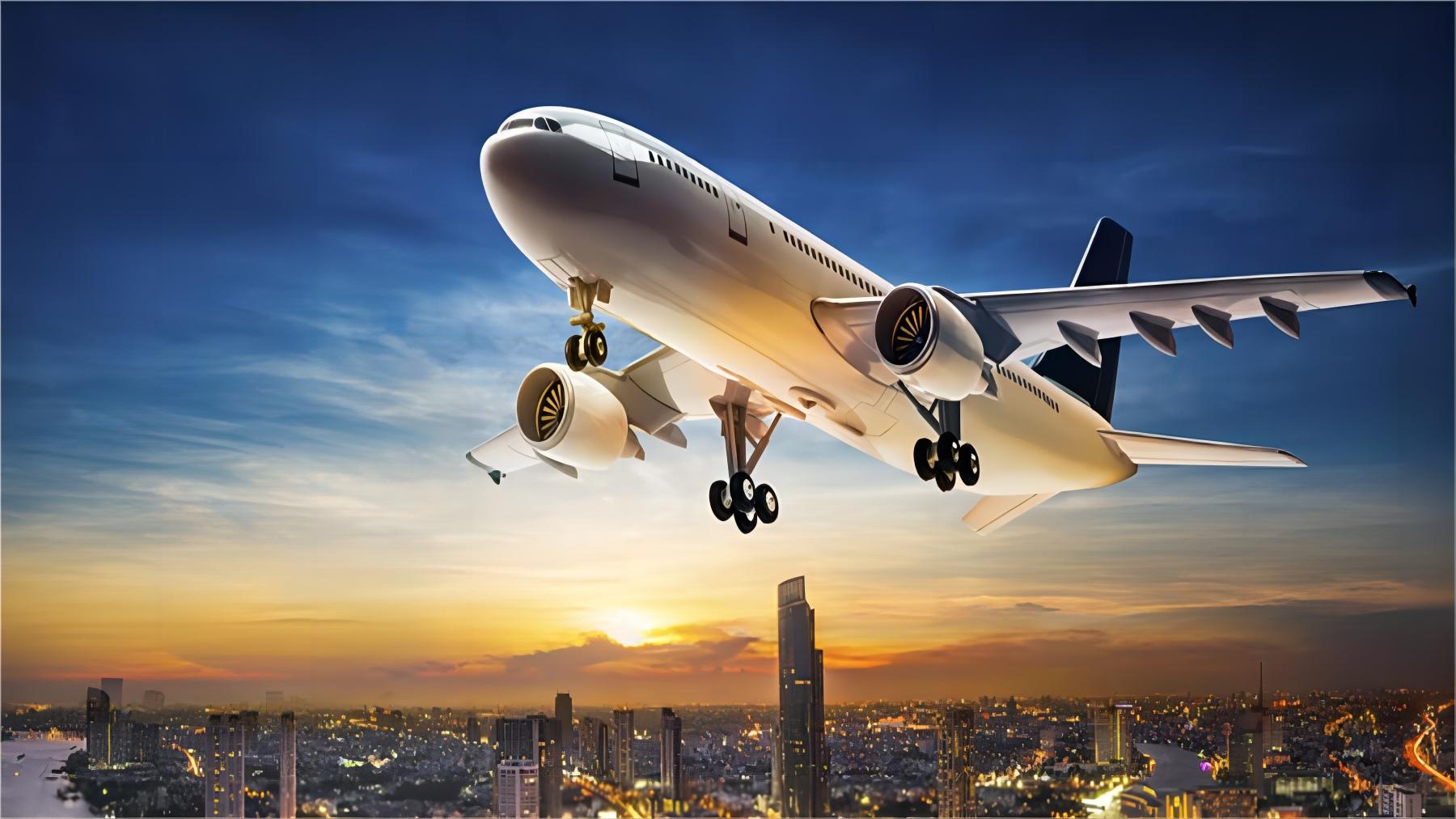
When time is the most critical factor, air freight remains the superior choice for China-UAE trade. While sea freight takes weeks, air shipments can arrive in Dubai or Abu Dhabi within just a few days. For instance, high-demand electronics or fashion items often travel by air to meet market trends.
However, the cost per kilogram for air transport is significantly higher than ocean freight. Therefore, this method is usually reserved for low-volume, high-value goods or emergency inventory restocks. You must calculate if the speed of delivery justifies the extra expense for your specific business model.
Additionally, air cargo is subject to stricter weight and size limitations compared to sea containers. Large industrial equipment may not fit in standard cargo planes, making ocean freight the only viable option. Nevertheless, for small parcels, express air services provide unmatched reliability and speed.
Can You Ship Directly to Amazon FBA Warehouses in the UAE?
Expanding your e-commerce business into the Middle East is easier than ever with Amazon FBA shipping solutions. We specialize in preparing your cargo according to Amazon’s strict labeling and packaging requirements. Consequently, your goods are ready for immediate sale upon arrival at the fulfillment center.
Selecting the right partner for this process is essential to avoid rejection by Amazon’s receiving team. We handle the appointment scheduling and the final delivery via approved carriers in the UAE. Moreover, our team ensures that all duties and taxes are prepaid (DDP), so Amazon does not have to deal with any financial hurdles.
Because the UAE market is highly competitive, maintaining a consistent stock level is vital for your seller ranking. By utilizing a mix of FCL for bulk replenishment and LCL for smaller restocks, you can keep your inventory healthy. This strategic approach to container shipping china to UAE FCL LCL helps you stay ahead of the competition.
Which Option Should You Choose? A Decision Framework
Choosing the right shipping strategy depends on your specific business priorities and cargo characteristics. If your primary goal is cost reduction and you have large volumes, FCL is almost always the best path. On the other hand, if you are testing a new product or have limited storage space, LCL offers the flexibility you need.
Regarding transit speed, you should evaluate how quickly your customers expect their orders. If a 25-day wait will result in lost sales, considering a sea-air hybrid or full air freight might be necessary. Meanwhile, for routine restocks of non-perishable items, the slower sea route remains the most sustainable choice.
Specifically, consider these criteria when making your final decision: Budget priority suggests sea freight; speed priority suggests air freight; volume under 15 CBM suggests LCL; and high-value cargo suggests FCL. Following this framework will help you optimize your logistics spend while meeting your operational goals.
Real Case Studies: Successful Shipments to the UAE
Examining real-world examples provides a clearer picture of what to expect during the shipping process. These cases reflect typical scenarios handled in 2026, showcasing the balance between cost, time, and efficiency. Below are three distinct examples of container shipping china to UAE FCL LCL in action.
Case Study 1: Electronics from Shenzhen to Dubai. Route: Shenzhen Port to Jebel Ali. Cargo: 500 units of smart home devices, 68 CBM. Container: 40HQ FCL. Shipping Details: Direct route via major carrier. Cost Breakdown: Ocean Freight $3,350; Origin Charges $400; Destination Charges $550; Total Landed Cost $4,300. Timeline: Booking to Loading 4 days; Sea Transit 21 days; Customs Clearance 2 days; Total Door-to-Door 27 days. Key Insight: FCL provided the necessary security for high-value electronics.
Case Study 2: Textiles from Ningbo to Abu Dhabi. Route: Ningbo Port to Khalifa Port. Cargo: 1,200 rolls of fabric, 12 CBM. Container: LCL. Shipping Details: Transshipment via Singapore. Cost Breakdown: Ocean Freight $840; Origin Charges $250; Destination Charges $350; Total Landed Cost $1,440. Timeline: Booking to Loading 6 days; Sea Transit 28 days; Customs Clearance 3 days; Total Door-to-Door 37 days. Key Insight: LCL allowed the small business to maintain inventory without paying for an empty container.
Case Study 3: Furniture from Guangzhou to Dubai. Route: Guangzhou Port to Jebel Ali. Cargo: 20 sets of office furniture, 28 CBM. Container: 20GP FCL. Shipping Details: Direct route. Cost Breakdown: Ocean Freight $2,100; Origin Charges $350; Destination Charges $450; Total Landed Cost $2,900. Timeline: Booking to Loading 5 days; Sea Transit 23 days; Customs Clearance 2 days; Total Door-to-Door 30 days. Key Insight: Utilizing a 20GP container was more cost-effective than LCL for this specific volume.
Final Thoughts on Shipping from China to the UAE
In summary, mastering container shipping china to UAE FCL LCL is essential for any business looking to thrive in the Middle Eastern market. By choosing between FCL and LCL based on your volume and budget, you can significantly impact your bottom line. Transitioning to a professional freight forwarder ensures that your documentation and customs clearance are handled with precision.
As we move through 2026, the logistics industry continues to evolve with more efficient routes and digital tracking tools. Staying informed about market trends and rate fluctuations will give you a competitive edge. Whether you choose sea, air, or a hybrid solution, the goal remains the same: safe and timely delivery of your goods.
Need a tailored shipping solution?
Ready to streamline your supply chain with expert container shipping china to UAE FCL LCL services? Contact Top China Freight today for a customized quote and professional logistics support. Send Inquiry