

Choosing a Cargo Transportation Provider for Amazon Ecommerce Growth in 2026
Selecting the right cargo transportation provider for Amazon ecommerce growth is essential for scaling your brand in the competitive 2026 digital marketplace. As your order volume increases, you need a reliable logistics partner to manage your inventory flow, which is why many sellers start their journey at https://Top China Freight.net/. By streamlining your supply chain, you can ensure consistent product availability and higher customer satisfaction levels.
Why Your Cargo Transportation Provider Matters for Amazon Ecommerce Growth
Consistent growth on Amazon requires a seamless transition from manufacturing to warehouse fulfillment. A professional logistics partner ensures that your stock reaches Amazon fulfillment centers without unnecessary delays.

Effective freight management prevents stockouts, which directly protects your search rankings and sales velocity. Furthermore, an experienced provider offers expertise in navigating complex international trade regulations and customs requirements.
By leveraging professional services such as Amazon FBA logistics, you can focus on product development and marketing while experts handle the complexities of cargo handling and delivery scheduling.
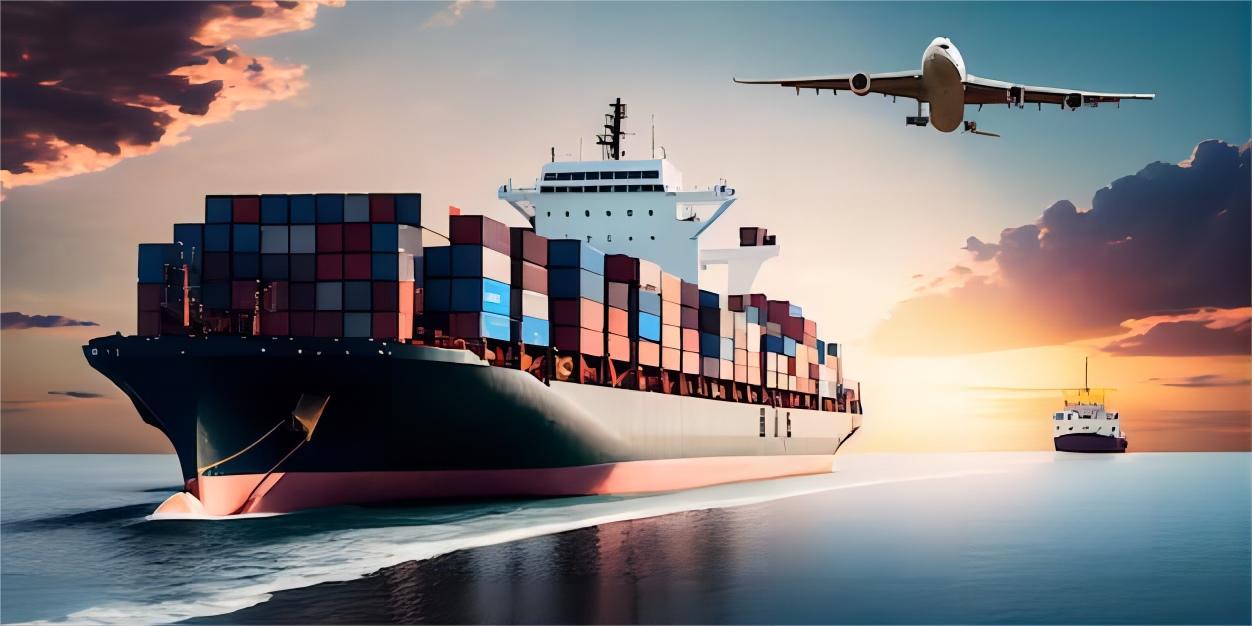
Evaluating Shipping Methods for Your Business Needs
Different shipping modes offer varying trade-offs between speed and cost. For example, opting for sea freight is often the most economical choice for high-volume inventory replenishment.
On the other hand, urgent stock needs can be met through air freight services to minimize transit time during peak seasons. Additionally, rail freight provides a balanced alternative for routes connecting China and Europe, offering faster transit than sea at a lower cost than air.
Choosing the right method depends on your specific product margins and inventory turnover rate. Consequently, you must analyze your landed costs regularly to maintain profitability.
| Method | Cost | Transit Time | Best For |
|---|---|---|---|
| Sea Freight | Low | 25-40 Days | High Volume |
| Air Freight | High | 5-7 Days | Urgent Stock |
| Rail Freight | Medium | 15-20 Days | Balanced Needs |
How Does Sea Freight Compare to Other Shipping Options?
Sea freight remains the primary choice for most Amazon sellers due to its cost-efficiency for bulk shipments. However, it requires longer lead times, making advanced planning critical for maintaining your delivery schedule.
In contrast, air freight is significantly more expensive but essential for launching new products or replenishing fast-moving inventory before a stockout occurs. Meanwhile, rail freight occupies the middle ground, serving as an effective hybrid solution for landlocked regions in Europe.
Always evaluate your current freight rates against your profit margins to ensure your chosen method supports sustainable business expansion.
Streamlining Global Logistics Operations
Navigating international shipping requires a deep understanding of customs brokerage to avoid border delays. Professional providers can streamline the documentation process, ensuring your goods move smoothly through customs checkpoints.
Furthermore, utilizing door to door shipping services removes the burden of managing multiple carriers and local transport. This integrated approach simplifies your workflow and reduces the risk of miscommunication between logistics vendors.
As we look at the 2026 market, logistics trends point toward increased demand for transparency and real-time tracking. Therefore, choosing a partner that provides digital visibility is a significant competitive advantage.
Final Thoughts on Cargo Transportation
Selecting the right cargo transportation provider for Amazon ecommerce growth is a strategic decision that impacts your long-term success. By balancing cost, speed, and reliability, you can build a resilient supply chain that supports your scaling efforts.
Remember to monitor your logistics performance and adjust your shipping strategies as market conditions change. With a professional partner, you can navigate the complexities of international trade and focus on growing your brand.
Get Your Shipping Quote Today
Ready to scale your business? Contact our team today to get a custom logistics quote tailored to your specific shipping volume and destination. Visit https://Top China Freight.net/ to learn more about our services.
Frequently Asked Questions
How do I choose the best shipping method?
Evaluate your inventory turnover, product profit margins, and the urgency of your stock replenishment. High-volume goods benefit from sea freight, while urgent or high-value items are better suited for air freight.
What documentation is required for international shipping?
You typically need a commercial invoice, packing list, bill of lading, and certificate of origin. Depending on the product type, extra permits or certifications may be required to clear customs successfully.
How can I reduce my shipping costs?
Optimize your packaging to reduce dimensional weight, consolidate smaller shipments into larger ones, and plan your replenishment schedule well in advance to avoid expensive last-minute air freight bookings.
What are the common causes of customs delays?
Delays often stem from incomplete or inaccurate documentation, missing product certifications, or unexpected inspections. Working with a professional broker helps ensure your paperwork is compliant and correct.
How does seasonality affect freight rates?
Freight rates typically increase during peak seasons, such as the months leading up to the holiday shopping period. Rates can rise by 15 to 25 percent due to high demand and limited carrier capacity.
Is door-to-door shipping better than port-to-port?
Door-to-door shipping is generally more convenient because it manages the entire logistics chain from the factory to the warehouse. Port-to-port is cheaper but requires you to manage inland transportation.