
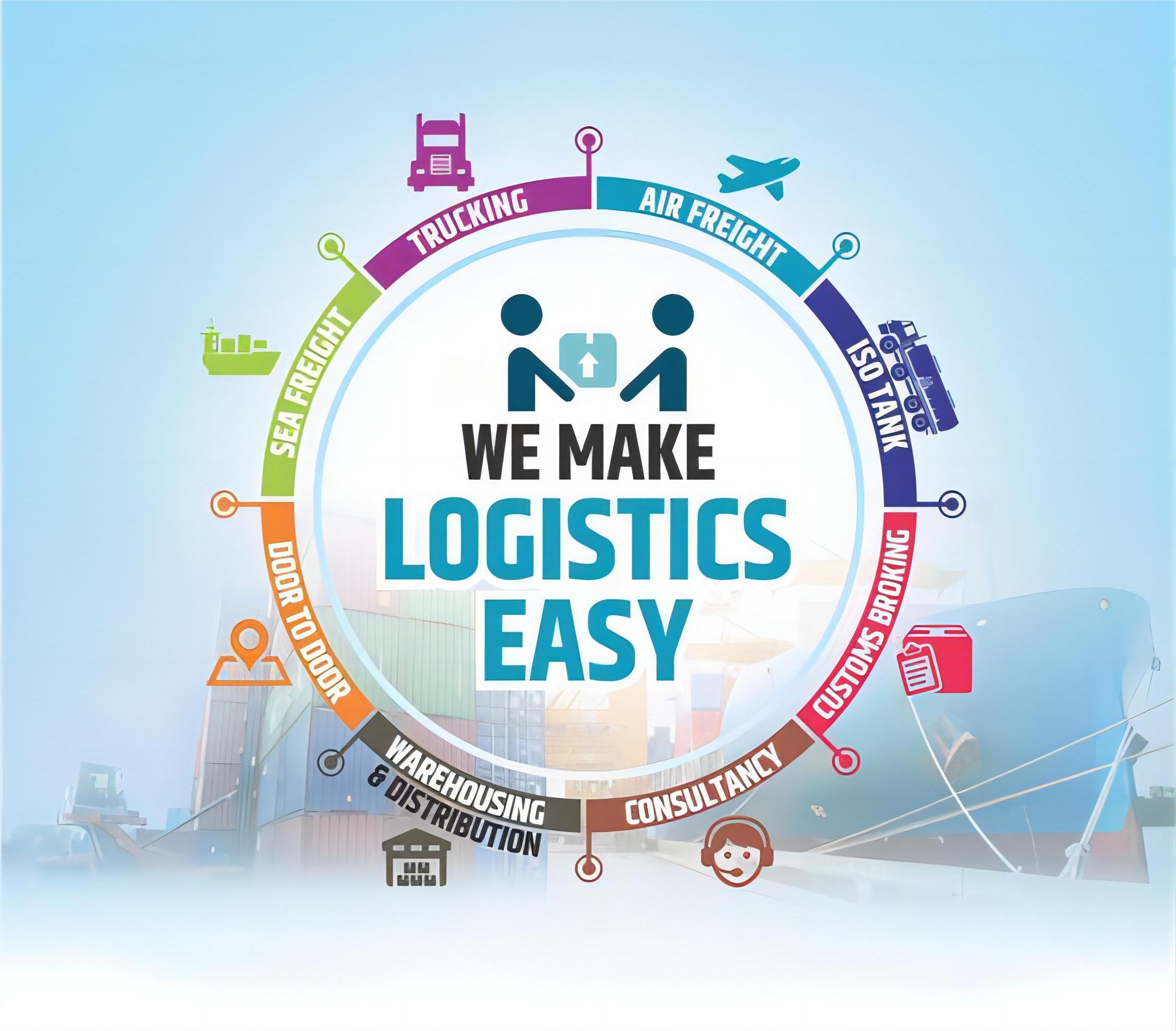
Choosing a Cargo Shipping Provider with Complete Logistics Management
Finding a reliable cargo shipping provider with complete logistics management is essential for businesses aiming to scale their global trade operations. When you partner with experts like Top China Freight at https://Top China Freight.net/, you gain access to comprehensive supply chain solutions that minimize risk. Effective logistics management ensures your goods move seamlessly from origin to destination without unnecessary delays.

Why Logistics Management Matters for Cargo Shipping
Comprehensive logistics management involves coordinating multiple facets of the shipping process, including documentation, carrier selection, and final mile delivery. Many businesses struggle with fragmented shipping, where different vendors handle different stages, leading to communication gaps. A unified provider eliminates these silos, ensuring that your inventory remains visible throughout the entire transit period.

Furthermore, outsourcing your logistics allows you to focus on core business growth while experts manage the complexities of international trade. Professionals anticipate potential bottlenecks, such as port congestion or seasonal peak volume issues, before they impact your bottom line. Consequently, your delivery schedule becomes more predictable and resilient against market volatility.
Core Services Offered by Top Cargo Shipping Providers
A robust shipping partner provides a diverse array of services tailored to your specific cargo requirements. For instance, if you prioritize cost-efficiency for large volumes, you might explore sea freight options. Conversely, high-value, time-sensitive goods often require the speed of air freight services.
Additionally, businesses shipping to inland locations in Europe often benefit from rail freight as a balanced alternative. For e-commerce retailers, specialized Amazon FBA support ensures that inventory reaches fulfillment centers ready for sale. Finally, choosing a door to door service simplifies the process by handling every step from factory floor to your warehouse.
The following table highlights how these methods compare in terms of typical transit times and cost implications for 2026.
| Method | Cost | Transit Time | Best For |
|---|---|---|---|
| Sea Freight | Low | 30-45 Days | Bulk Goods |
| Air Freight | High | 3-7 Days | Urgent Cargo |
| Rail Freight | Medium | 15-20 Days | Europe Inland |
| Express | Very High | 2-5 Days | Small Parcels |
How Does Sea Freight Compare to Other Shipping Options?
Sea freight remains the backbone of global trade due to its massive capacity and cost-effectiveness. However, it is significantly slower than air or rail alternatives, making it less suitable for time-critical replenishment. Therefore, many companies adopt a hybrid approach, using sea for base stock and air for emergency orders.
When evaluating options, consider the total landed cost rather than just the port-to-port freight rates. For example, direct routes may have higher upfront costs but save time and reduce handling risks compared to multi-stop transshipment routes. Always review your specific volume thresholds to determine if FCL (Full Container Load) or LCL (Less than Container Load) is more economical.
Case Studies: Real-World Logistics Success
Case Study 1: Electronics from Shenzhen to Los Angeles. Cargo: 40HQ of consumer electronics. Method: Sea Freight. Transit Time: 18 days. Insight: Optimizing the carrier selection during the Q1 2026 off-peak season reduced overall shipping costs by 15 percent compared to industry averages.
Case Study 2: Apparel from Shanghai to London. Cargo: 20 CBM of textiles. Method: Rail Freight. Transit Time: 22 days. Insight: Leveraging rail freight provided a faster alternative to sea transport without the prohibitive costs associated with air freight for this volume.
Final Thoughts on Streamlined Logistics
In summary, selecting a capable cargo shipping provider with complete logistics management is a strategic investment in your company’s efficiency. By leveraging expert knowledge, diverse transport modes, and proactive risk management, you can navigate the complexities of international trade with confidence. As we move through 2026, staying ahead of logistics trends will continue to be a competitive advantage for successful importers and exporters.
Start Your Shipment
Are you ready to optimize your supply chain? Contact us today to receive a customized quote for your next shipment. Our team provides professional cargo shipping provider with complete logistics management services to ensure your goods arrive safely and on time. Click here to send your inquiry and start scaling your business globally.
Request Quote