
China FCL Door to Port to New York: The Complete Shipping Guide
Choosing Top China Freight ensures your business navigates the complexities of international trade with ease and precision. Shipping via China FCL door to port to New York remains one of the most cost-effective methods for transporting large volumes of goods across the Pacific. This comprehensive guide explores every facet of the logistics chain to help you optimize your supply chain and reduce overhead costs.

What is China FCL Door to Port to New York Shipping?
Full Container Load (FCL) shipping involves reserving an entire shipping container for your exclusive use, regardless of whether you fill it completely. Specifically, the door to port model means the freight forwarder manages the pickup from your supplier’s door in China and delivers it to the Port of New York.
Furthermore, this method provides a high level of security since the container remains sealed from the point of origin until it reaches the destination port. Consequently, importers often prefer this strategy for high-value or fragile goods that require minimal handling during transit.
Selecting a reliable sea freight provider is essential for managing the initial inland transportation and port delivery in China. Moreover, understanding the nuances of this route helps businesses plan their inventory cycles more effectively.
How Does China FCL Door to Port to New York Compare to Other Shipping Options?
Evaluating different transportation modes is crucial for balancing speed and cost in your logistics operations. While FCL offers significant volume discounts, LCL (Less than Container Load) might be better for smaller shipments under 15 cubic meters.
Additionally, air freight provides unmatched speed but comes at a much higher price point compared to ocean transport. Therefore, sea freight remains the dominant choice for bulk commodities and large consumer goods shipments heading to the East Coast.
In contrast, rail freight options are largely unavailable for trans-Pacific routes between China and North America. As a result, businesses must decide between various sea freight configurations and port destinations to meet their specific delivery deadlines.
| Shipping Method | Cost Range | Transit Time | Best For |
|---|---|---|---|
| FCL Sea Freight | $3,500 – $6,000 | 30-40 Days | Bulk goods and large volumes |
| LCL Sea Freight | $50 – $150 per CBM | 35-45 Days | Small shipments (1-15 CBM) |
| Air Freight | $5 – $12 per kg | 5-10 Days | Urgent or high-value cargo |
| Sea-Air Hybrid | $3 – $6 per kg | 15-22 Days | Balancing cost and speed |
The Step-by-Step Logistics Process for FCL Shipments
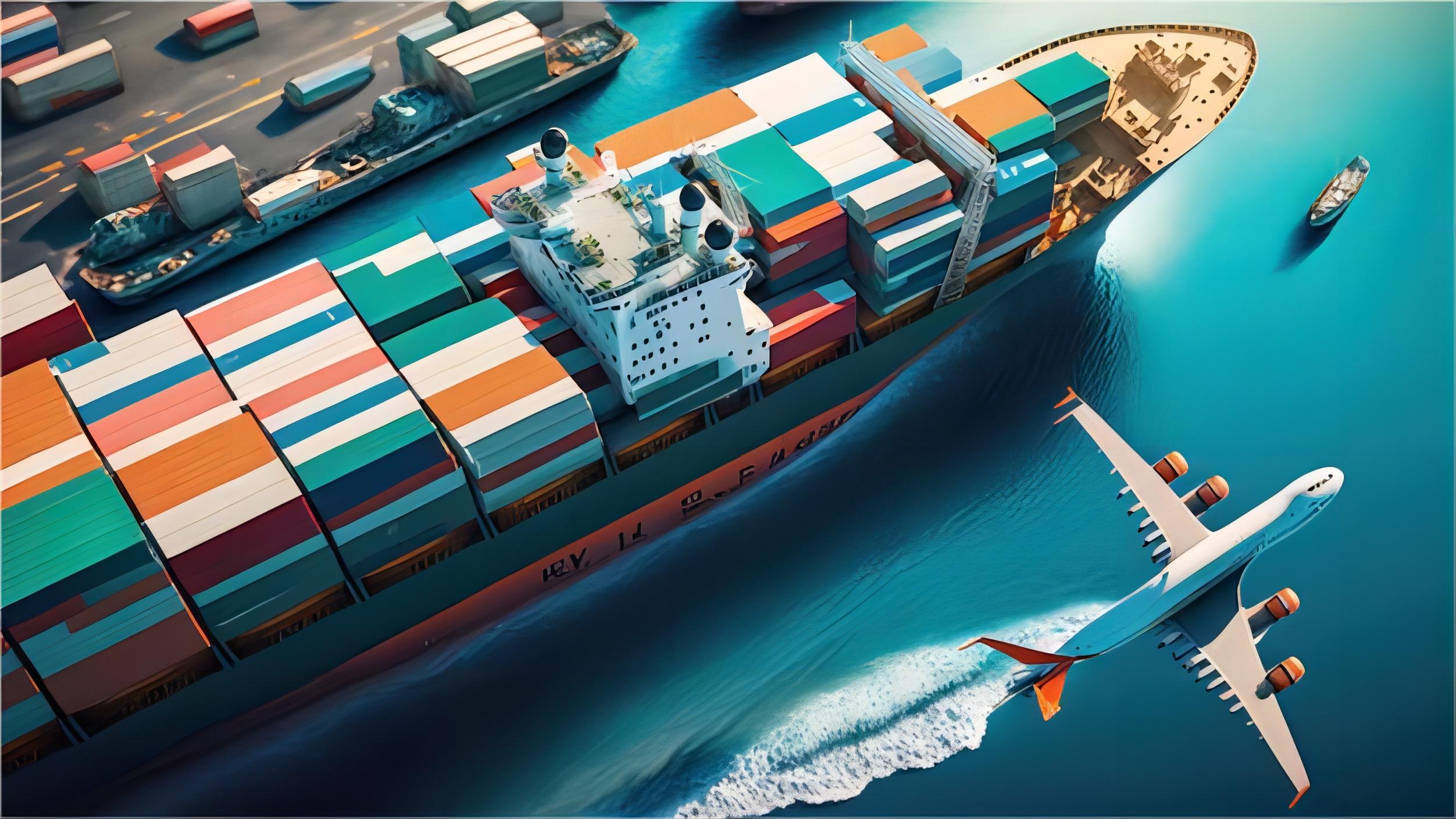
The process begins with a booking request where you specify the container size, such as a 20GP or 40HQ. Subsequently, the forwarder arranges for an empty container to be delivered to your factory or warehouse in China for loading.
Once the container is packed and sealed, it is trucked to the designated port of loading, such as Shanghai or Shenzhen. Meanwhile, your logistics partner handles the necessary export documentation and customs clearance in China to ensure a smooth departure.
After the vessel sets sail, you will receive a Bill of Lading, which serves as a title to the goods. Utilizing a professional door to door service provider can simplify these early stages, even if your final destination is the port.
Key Factors Influencing FCL Shipping Rates to New York
Shipping rates fluctuate based on seasonal demand, fuel surcharges, and carrier capacity. For instance, the peak season from August to October often sees significant price hikes due to increased holiday inventory shipments.
Additionally, the type of container you choose directly impacts the total landed cost. A 40HQ container offers the best value for lightweight, high-volume goods, whereas a 20GP is more suitable for heavy machinery or dense materials.
Indeed, port congestion and labor strikes can also lead to unexpected surcharges or delays. Therefore, staying informed about current market trends is vital for accurate budgeting and supply chain planning.
| Container Type | Typical Capacity | Average Rate (Q1 2025) | Common Use Case |
|---|---|---|---|
| 20GP (Standard) | 33 CBM / 28 Tons | $3,200 – $4,200 | Heavy or compact goods |
| 40GP (Standard) | 67 CBM / 26 Tons | $4,500 – $5,500 | General consumer products |
| 40HQ (High Cube) | 76 CBM / 26 Tons | $4,800 – $6,000 | Lightweight bulky items |
Transit Times and Port Selection for New York Delivery
The transit time for China FCL door to port to New York typically ranges from 30 to 45 days. This duration accounts for the long voyage through the Panama Canal or around the Cape of Good Hope, depending on current maritime conditions.
Specifically, direct services from major ports like Ningbo or Shanghai are usually faster than transshipment routes. However, transshipment via hubs like Singapore might offer lower rates if your schedule allows for extra transit days.
Furthermore, the Port of New York and New Jersey consists of several terminals, and your choice of terminal can affect discharge times. Consequently, working with an experienced agent ensures your cargo is routed through the most efficient facilities available.
Which Option Should You Choose? Decision Framework
If your primary goal is cost reduction and you have a volume exceeding 15 cubic meters, FCL is almost always the superior choice. On the other hand, if you are shipping time-sensitive electronics, you might consider Amazon FBA style air solutions for faster market entry.
Budget-conscious shippers should prioritize sea freight but must plan for at least six weeks of lead time. Meanwhile, those with heavy cargo should focus on 20GP containers to maximize weight limits without incurring overweight penalties.
Ultimately, the decision depends on your specific inventory needs, profit margins, and customer expectations. We recommend evaluating your shipping data quarterly to adjust your strategy based on fluctuating freight rates.
Customs Clearance and Documentation Requirements
Navigating US Customs requires precise documentation to avoid costly delays and inspections. Essential documents include the Commercial Invoice, Packing List, and the ISF (Importer Security Filing), which must be filed 24 hours before loading.
Moreover, hiring a professional customs brokerage firm is highly recommended for New York arrivals. They ensure your HTS codes are accurate and that all duties and taxes are paid promptly to the authorities.
Without a doubt, incomplete paperwork is the leading cause of port storage fees and demurrage charges. Therefore, you must verify all details with your supplier in China well before the vessel arrives at the New York port.
Real-World Case Studies: China to New York FCL
Case Study 1: Office Furniture from Foshan. A retailer imported a 40HQ container of ergonomic chairs. The route was Foshan to the Port of New York via Shenzhen. The total ocean freight was $5,100 with a door-to-port transit time of 36 days. Key Insight: Consolidating multiple suppliers into one FCL container saved the client 22% compared to LCL shipping.
Case Study 2: Consumer Electronics from Ningbo. A distributor shipped a 20GP container of LED displays. The cargo weighed 18 tons and was shipped directly from Ningbo. Total landed cost, including origin charges, was $4,350. Transit time was 32 days. Key Insight: Direct routing avoided transshipment delays, ensuring the products arrived in time for a major seasonal sale.
Based on early 2025 market rates, these examples reflect typical costs for businesses shipping from North America focused trade lanes. Note: Freight rates are subject to change based on fuel costs, carrier capacity, and seasonal demand. Contact us for a current quote tailored to your specific shipment.
Final Thoughts on FCL Shipping to New York
To summarize, mastering the China FCL door to port to New York route is a vital skill for any serious importer. By understanding the costs, transit times, and documentation requirements, you can significantly improve your bottom line and supply chain reliability.
Additionally, choosing the right container size and port of loading can lead to substantial savings over time. Always remember to factor in seasonal variations and maintain clear communication with your freight forwarder to handle any unforeseen challenges.
Ultimately, successful shipping requires a blend of strategic planning and expert execution. Whether you are moving furniture, electronics, or industrial machinery, the FCL door to port model provides the balance of security and value needed for modern global trade.

Ready to streamline your logistics?
Streamline your international logistics today by partnering with our expert team for your next China FCL door to port to New York shipment. Our specialists are ready to provide you with a competitive quote and a customized shipping strategy that fits your business goals. Visit our inquiry page to get started and experience hassle-free shipping from China to the heart of New York.
Request Quote