
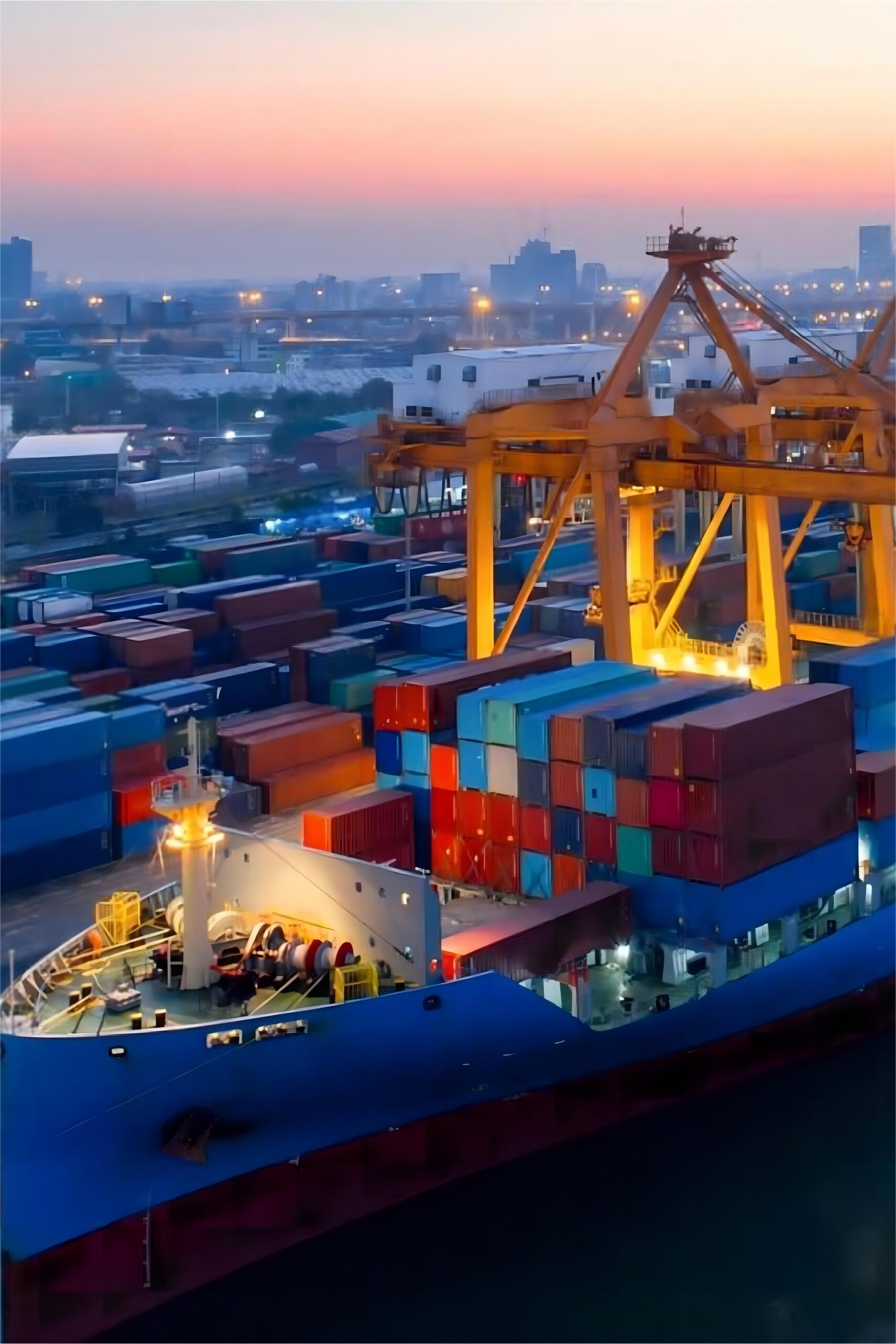
Cheap Shipping China to Netherlands: 2026 Freight Guide
Businesses seeking cheap shipping China to Netherlands often struggle with fluctuating market rates and complex logistics requirements. By partnering with Top China Freight, you can access streamlined solutions that reduce overhead while ensuring timely delivery. This guide explores the most cost-effective methods for transporting goods across this vital trade route in 2026.
What Are the Cheapest Methods for Shipping from China to the Netherlands?
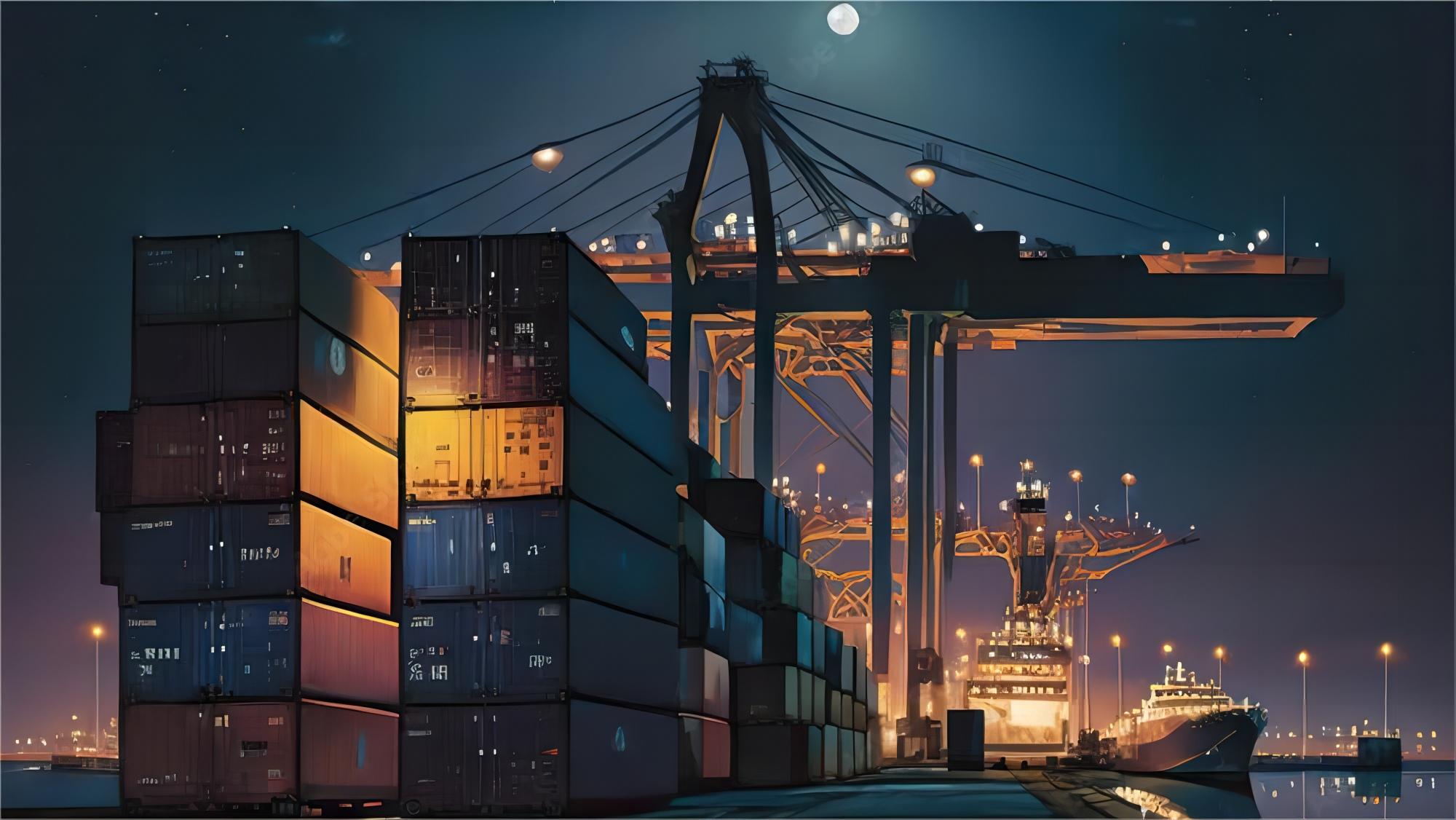
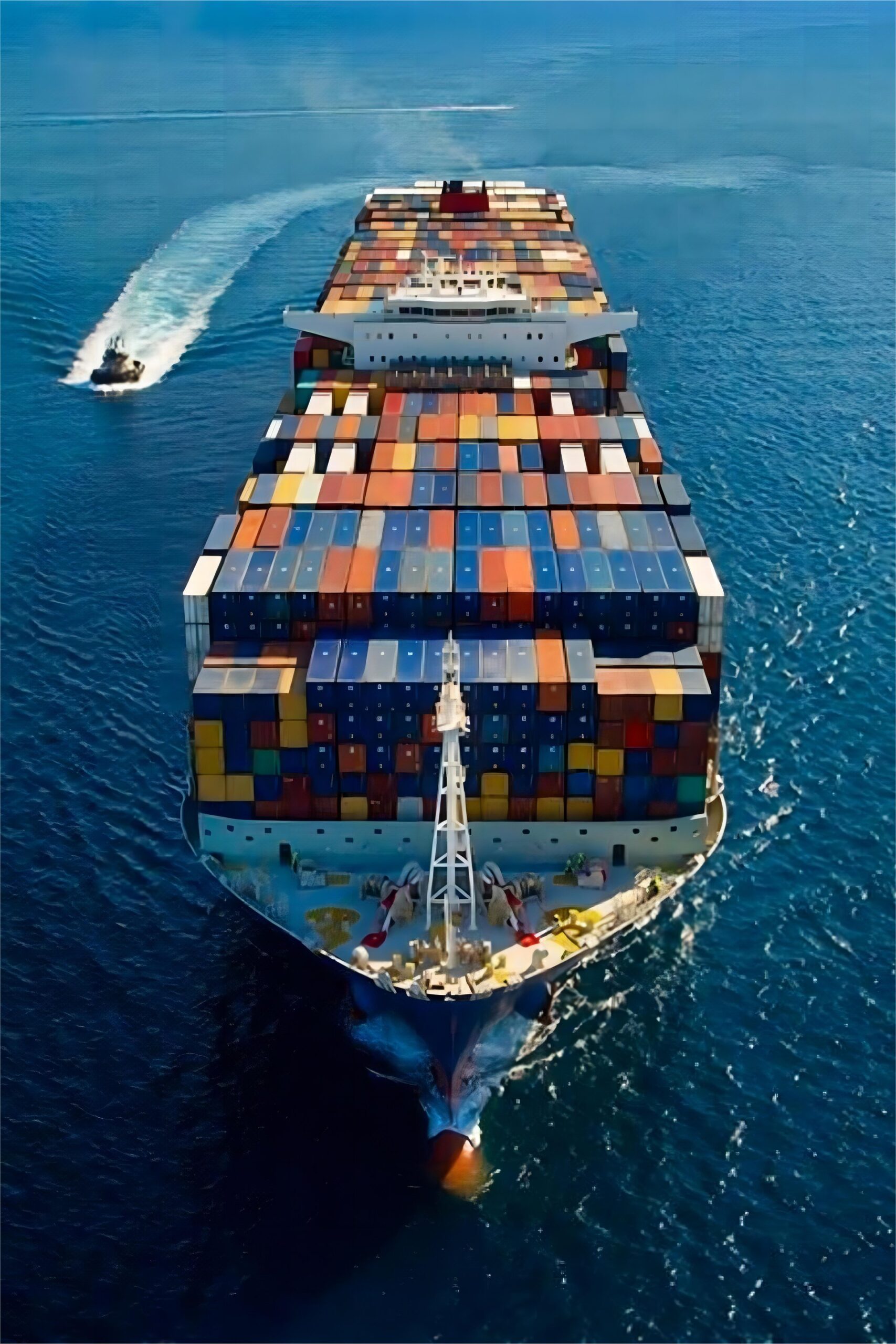
Identifying the most economical way to move goods involves balancing speed and cost. For most high-volume importers, sea freight remains the undisputed champion for cost-effectiveness in 2026.
Moreover, the choice between Full Container Load (FCL) and Less than Container Load (LCL) significantly impacts your bottom line. FCL offers a lower cost per unit when you have enough cargo to fill a 20ft or 40ft container.
Alternatively, LCL allows small businesses to share container space, making it a viable option for shipments under 15 cubic meters. Consequently, you only pay for the volume you occupy rather than the entire container.
Furthermore, rail freight has emerged as a powerful middle-ground solution. It provides faster transit times than the ocean while remaining significantly cheaper than air transport.
How Does Sea Freight Compare to Other Shipping Options?
Analyzing the trade-offs between different transport modes is essential for supply chain optimization. While sea freight offers the lowest price point, it requires the longest lead times, often exceeding 30 days.
In contrast, rail freight serves as an excellent alternative for time-sensitive goods that do not justify air freight expenses. This method utilizes the Silk Road rail networks to reach European hubs efficiently.
Specifically, air freight is reserved for high-value or urgent items. Although it is the most expensive method, the rapid delivery schedule minimizes inventory holding costs for certain business models.
Therefore, choosing the right method depends on your specific cargo volume, budget constraints, and urgency requirements.
| Shipping Method | Cost Range (Est.) | Transit Time | Best For |
|---|---|---|---|
| Sea Freight (FCL) | $3,000 – $4,200 | 30-35 Days | Bulk Goods |
| Rail Freight | $2,200 – $3,500 | 18-22 Days | Mid-size Cargo |
| Air Freight | $5.50 – $9.00/kg | 3-7 Days | Urgent Items |
| LCL Shipping | $50 – $90/CBM | 35-40 Days | Small Batches |
Which Option Should You Choose for Your Business?
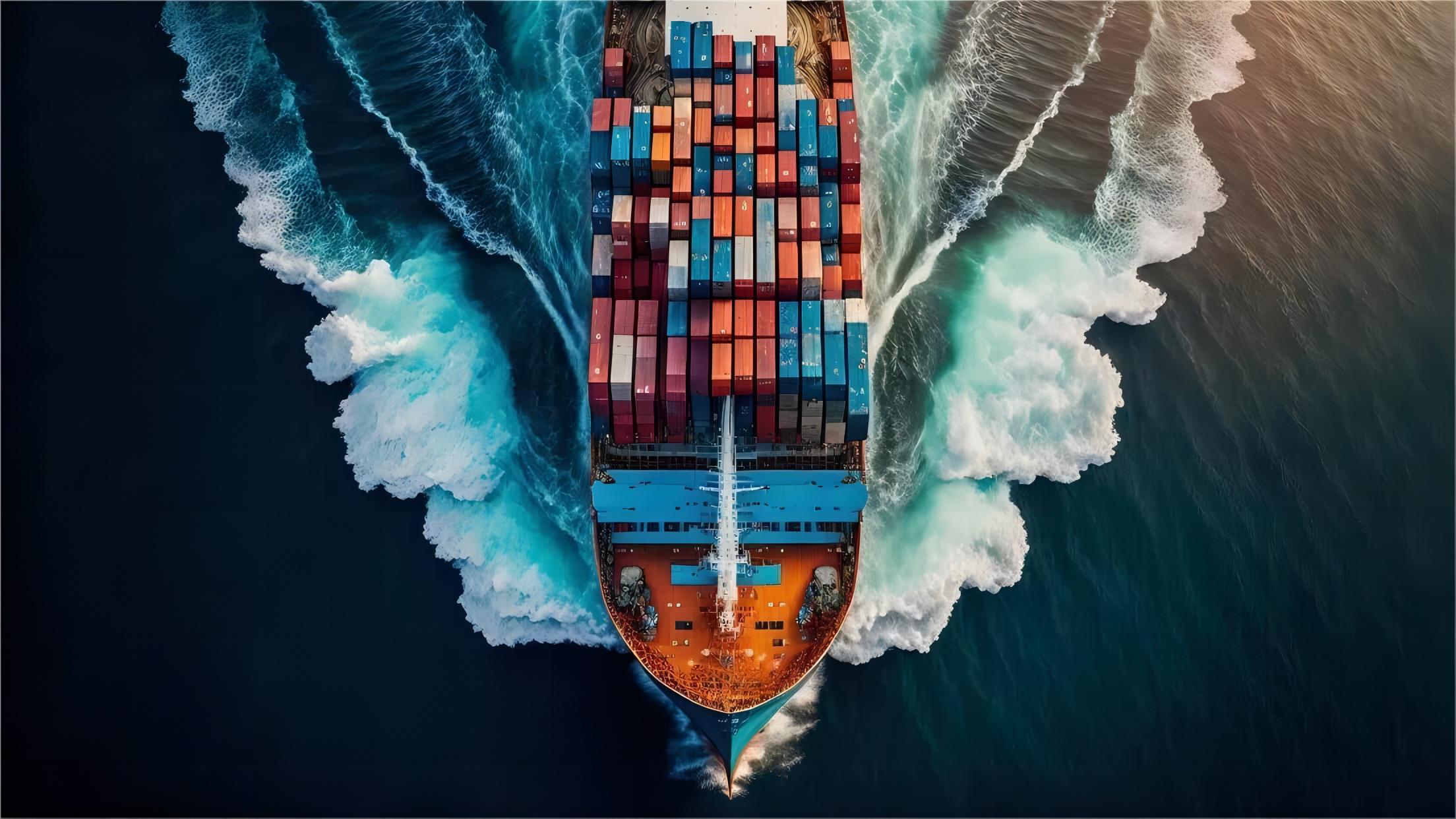
Selecting the ideal logistics strategy requires a clear understanding of your priorities. If your primary goal is the absolute lowest price, sea freight is almost always the correct answer.
However, if you are managing a tight inventory cycle, the speed of rail or air might prevent stockouts that cost more than the freight itself. You must calculate the total landed cost to make an informed decision.
For shipments under 100kg, express services often provide the best value due to their all-inclusive nature. For shipments between 500kg and 2000kg, rail freight often provides the most balanced ROI.
Additionally, consider the nature of your goods. Perishable or high-fashion items typically require the speed of air transport to maintain their market value.
Strategies for Finding Cheap Shipping China to Netherlands
Finding the best rates requires more than just picking a method. You should actively seek out consolidation services where multiple shipments are combined into a single container to reduce individual costs.
Furthermore, booking your shipments at least 3-4 weeks in advance can help you avoid last-minute premium rates. Peak seasons, such as the months leading up to the winter holidays, often see price hikes of 20% or more.
Negotiating with a freight forwarder who has strong carrier relationships is another effective tactic. They can often access wholesale rates that are not available to individual shippers.
Finally, optimizing your packaging to reduce volume can lead to significant savings. Since many carriers charge based on dimensional weight, smaller boxes directly translate to lower invoices.
The Impact of Transit Times on Your Logistics Budget
Transit time is a hidden cost factor in any international trade operation. Longer transit times mean your capital is tied up in inventory for extended periods, which can affect cash flow.
Moreover, port congestion at major hubs like Rotterdam can add unexpected days to your schedule. Using a door to door service helps mitigate these delays by coordinating every step of the journey.
Specifically, direct sea routes from Shanghai or Ningbo to Rotterdam are faster but slightly more expensive than transshipment routes. You must decide if the 5-7 days saved is worth the extra 10% in freight costs.
Consequently, monitoring 2026 market trends is vital. As of early 2026, rail routes have become more stable, offering a reliable alternative when sea lanes are congested.
| Origin Port | Sea Transit | Rail Transit | Air Transit |
|---|---|---|---|
| Shanghai | 32 Days | 20 Days | 4 Days |
| Shenzhen | 28 Days | 22 Days | 3 Days |
| Ningbo | 33 Days | 21 Days | 4 Days |
| Qingdao | 36 Days | 18 Days | 5 Days |
Essential Documentation for Smooth Customs Clearance
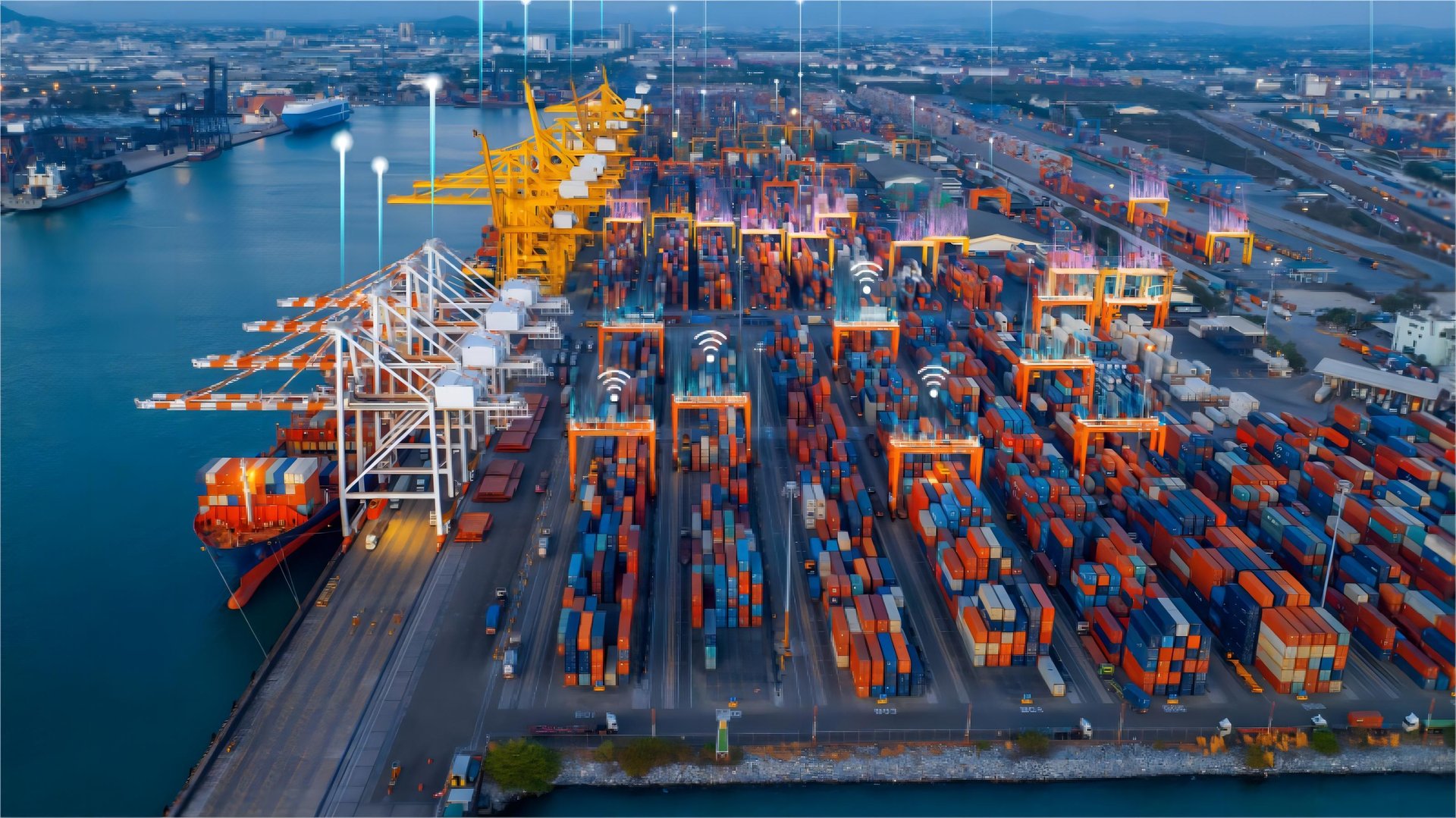
Delays at customs can quickly turn a cheap shipment into an expensive nightmare. Accurate documentation is the key to avoiding storage fees and fines at the Dutch border.
Utilizing a professional customs brokerage service ensures that all VAT and duty calculations are handled correctly. This is especially important given the strict EU import regulations.
For instance, you must provide a commercial invoice, a detailed packing list, and a Bill of Lading. Missing any of these documents will lead to immediate holds on your cargo.
Furthermore, ensure you have a valid EORI number. Without this identification, your goods cannot be processed through the Dutch customs systems.
| Document Name | Purpose | Required For | Source |
|---|---|---|---|
| Commercial Invoice | Value Declaration | All Shipments | Seller |
| Packing List | Content Detail | All Shipments | Seller |
| Bill of Lading | Title of Goods | Sea/Rail | Carrier |
| Certificate of Origin | Duty Calculation | Specific Goods | Manufacturer |
Is Air Freight Ever Cheap?
While air freight is generally the most expensive option, it can be cost-effective for very small shipments. When your cargo weighs less than 100kg, the administrative fees of sea freight might make the total cost comparable.
Moreover, air freight reduces the need for expensive protective packaging required for long sea voyages. This can lead to minor savings in material costs.
Specifically, businesses dealing in high-margin electronics or pharmaceuticals often find that the speed of air transport justifies the cost. It allows for a leaner supply chain with less capital locked in warehouses.
Therefore, do not dismiss air freight without getting a quote for smaller volumes. In the 2026 market, air cargo rates have become more competitive for mid-sized parcels.
Real-World Case Studies: China to Netherlands Shipments
Case Study 1: Electronics from Shenzhen to Rotterdam. A tech distributor needed to move 25 CBM of consumer electronics. They chose FCL sea freight for its balance of security and cost. The ocean freight cost $3,200 with a total door-to-door time of 34 days. This approach saved them $4,500 compared to rail alternatives.
Case Study 2: Fashion Apparel from Ningbo to Amsterdam. A boutique retailer imported 4 CBM of clothing using LCL sea freight. By using consolidation, they paid only $480 for the ocean leg. Despite a 38-day transit time, the low cost allowed them to maintain high profit margins during the spring season sales.
Case Study 3: Urgent Spare Parts from Shanghai to Eindhoven. A manufacturing plant required 150kg of parts to fix a broken production line. They utilized air freight, costing $1,150. While expensive, the 3-day delivery prevented a factory shutdown that would have cost $10,000 per day in lost productivity.
Alternative Strategies and Hybrid Solutions
In 2026, many savvy importers are using hybrid solutions to optimize their logistics. For example, sea-air combinations involve shipping by sea to a hub like Dubai and then flying the goods to the Netherlands.
Consequently, this method is faster than sea but cheaper than pure air freight. It is an excellent alternative when you need to speed up a shipment that was delayed at the factory.
Another strategy involves using rail freight for the main leg and local express couriers for the final mile. This ensures that the goods reach their final destination in the Netherlands quickly after clearing customs.
Nevertheless, always verify the current status of rail lines. While usually reliable, geopolitical shifts can occasionally impact the transit times of trans-Eurasian rail routes.
Mastering Your 2026 Logistics Strategy
Achieving cheap shipping China to Netherlands requires a combination of the right transport method, careful planning, and expert documentation. Whether you choose the massive capacity of sea freight or the balanced speed of rail, understanding your options is the first step toward cost savings.
Furthermore, partnering with an experienced logistics provider can help you navigate the complexities of 2026 market fluctuations and Dutch customs regulations. By optimizing your cargo volume and booking in advance, you can significantly reduce your overhead.
In conclusion, while market conditions change, the fundamentals of affordable shipping remain the same. Focus on total landed costs and choose the service that best aligns with your business goals to ensure long-term success.
Ready to streamline your logistics?
Ready to secure the most competitive rates for your next shipment? Contact our team today for a personalized quote on cheap shipping China to Netherlands and let us streamline your 2026 logistics strategy. Visit our inquiry page to get started.
Request Quote