
Cargo Shipping China to USA: 2026 Logistics and Rate Guide
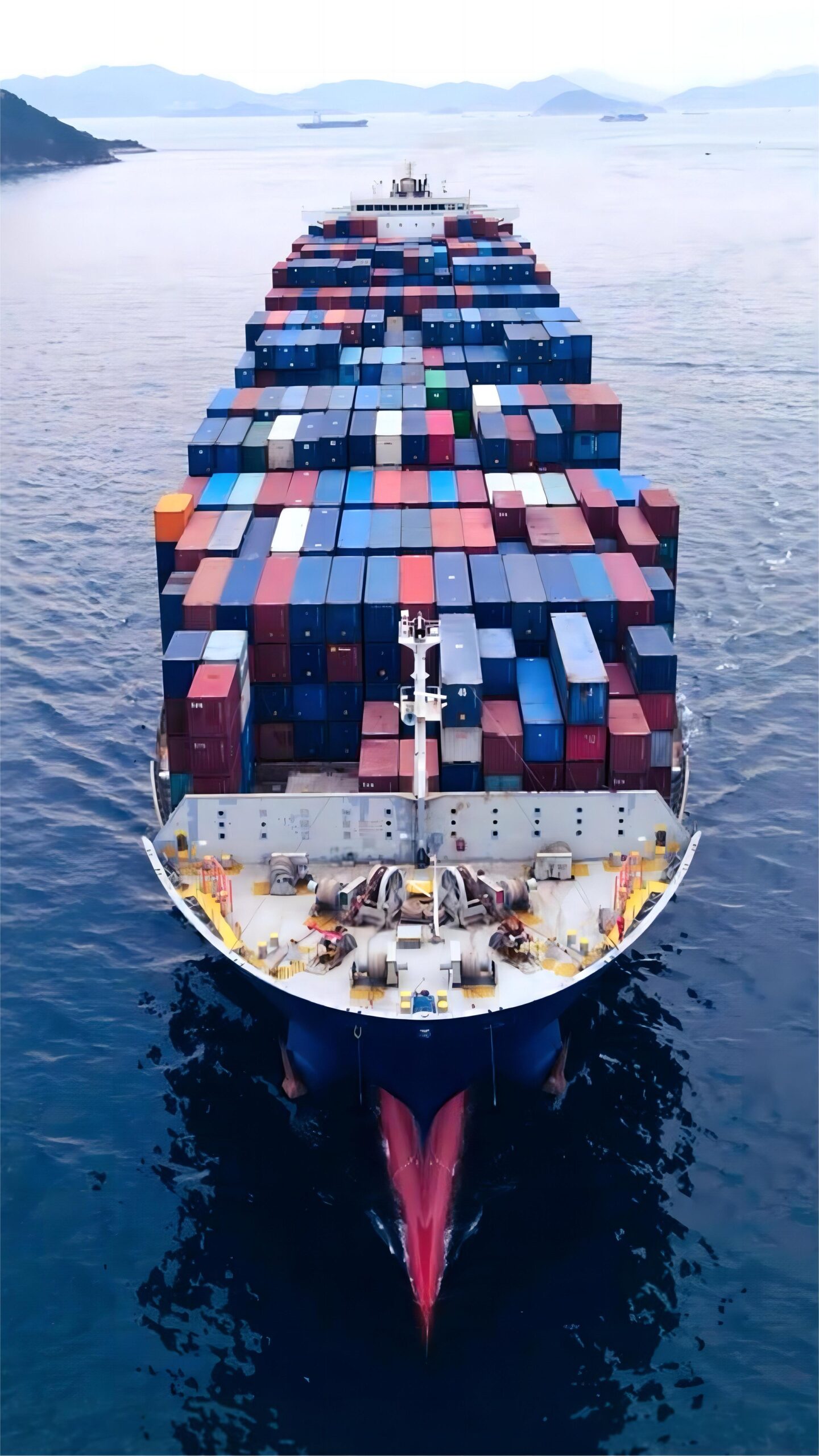
Navigating the complexities of cargo shipping China to USA requires a strategic approach to manage costs and ensure timely delivery. As global trade dynamics shift in 2026, businesses must adapt to new logistics trends and fluctuating freight rates to remain competitive. Partnering with a reliable expert like Top China Freight ensures your goods move efficiently through the international supply chain while minimizing potential delays at major ports. This comprehensive guide provides the essential data and strategies needed to optimize your transpacific shipping operations this year.
What Are the Primary Methods for Cargo Shipping China to USA?
Selecting the right transport mode is the most critical decision in your logistics planning process. For most businesses, the choice between air and sea depends heavily on the volume of goods and the required delivery schedule.
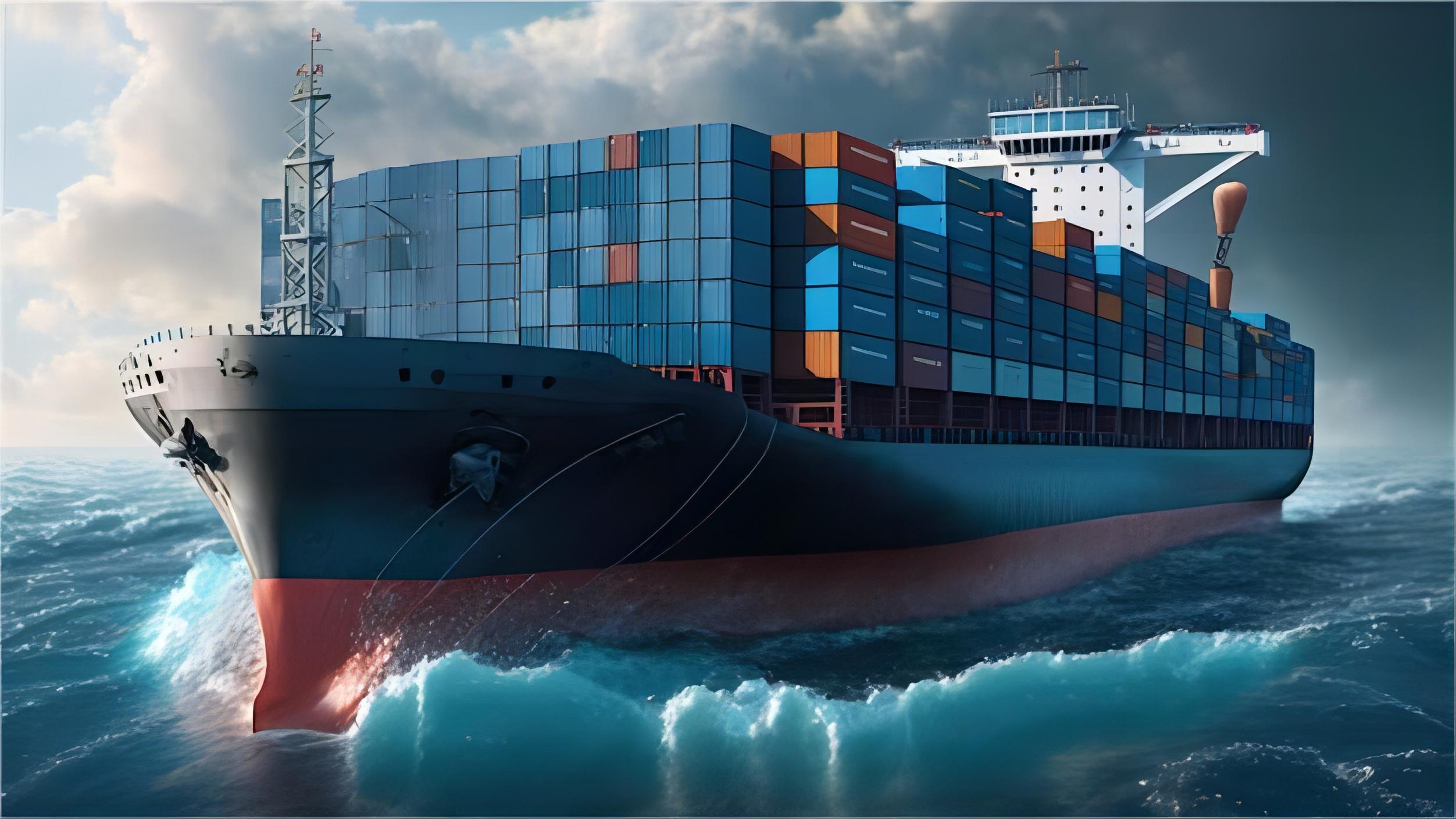
Specifically, sea freight remains the backbone of international trade due to its cost-effectiveness for large volumes. Most importers utilize either Full Container Load (FCL) or Less than Container Load (LCL) depending on their specific inventory needs.
Alternatively, air freight offers unparalleled speed for high-value or time-sensitive products. While the cost per kilogram is significantly higher, the reduced transit time can prevent stockouts and improve customer satisfaction during peak demand periods.
Consequently, understanding the trade-offs between these methods is vital for maintaining a healthy bottom line. Many companies now use a hybrid approach to balance speed and expense effectively.
| Shipping Method | Transit Time | Cost Level | Best For |
|---|---|---|---|
| Sea Freight (FCL) | 18-35 Days | Low | Bulk goods and large inventory |
| Sea Freight (LCL) | 22-40 Days | Moderate | Small shipments under 15 CBM |
| Air Freight | 3-7 Days | High | Electronics and urgent cargo |
| Express Service | 2-5 Days | Very High | Samples and small parcels |
How Much Does Cargo Shipping China to USA Cost in 2026?
Freight rates in 2026 have shown signs of stabilization compared to previous years, yet seasonal fluctuations still occur. Ocean freight costs are primarily driven by vessel capacity and fuel surcharges, which can change weekly based on global energy markets.
For instance, shipping a 40-foot container from Shanghai to Los Angeles currently ranges between $2,800 and $3,800. In contrast, shipping to the East Coast via the Panama Canal often costs significantly more due to longer distances and canal transit fees.
Moreover, air cargo rates are currently hovering between $4.50 and $8.00 per kilogram. These prices often spike during the Q4 peak season when demand for consumer electronics and holiday inventory reaches its annual zenith.
Additionally, businesses must account for ancillary charges such as trucking, warehousing, and documentation fees. To get the most accurate pricing, importers should request a detailed quote that includes all landed costs.
| Route | 20GP Container | 40HQ Container | Est. Transit |
|---|---|---|---|
| China to USA West Coast | $1,800 – $2,400 | $2,900 – $3,900 | 14-20 Days |
| China to USA East Coast | $2,800 – $3,600 | $4,200 – $5,800 | 28-35 Days |
| China to Gulf Coast | $2,600 – $3,400 | $4,000 – $5,400 | 30-38 Days |
Why is Customs Brokerage Essential for Your Shipments?
Navigating the United States Customs and Border Protection (CBP) requirements is often the most challenging part of the import process. Without proper documentation, your cargo could face extensive delays or costly penalties at the port of entry.
Utilizing a professional customs brokerage service helps ensure that all HTS codes are classified correctly. This accuracy is paramount for determining the correct duty rates and avoiding audits from federal authorities.
Furthermore, certain products may be subject to anti-dumping duties or Section 301 tariffs. A knowledgeable broker will advise you on these potential expenses before your goods even leave the factory in China.
Indeed, the peace of mind provided by expert compliance management is worth the investment. Efficient clearance allows your supply chain to remain fluid and predictable regardless of changing trade policies.
Can Door to Door Shipping Simplify Your Logistics?
Many modern importers prefer a streamlined solution where the freight forwarder handles every step of the journey. Choosing door to door shipping eliminates the need for you to coordinate multiple logistics providers across different time zones.
This service typically includes pickup from the manufacturer, export clearance, international transport, and final mile delivery to your warehouse. Consequently, you can focus on sales and marketing while the logistics experts manage the physical movement of goods.
Furthermore, for those selling on major platforms, specialized Amazon FBA logistics can ensure that products meet strict labeling and packaging requirements. This prevents rejections at fulfillment centers and keeps your listings active.
Ultimately, the convenience of a single point of contact reduces the risk of communication errors. While the base rate might appear higher, the reduction in administrative overhead often results in a lower total cost of ownership.
How Does Sea Freight Compare to Other Shipping Options?
When evaluating cargo shipping China to USA, sea freight remains the most popular choice for bulk commodities. However, it is important to analyze how it stacks up against air and hybrid solutions to determine the best fit for your specific cargo type.
Sea freight offers the lowest cost per unit but requires long lead times and significant inventory capital. In contrast, air freight minimizes lead times but can erode profit margins if the product value-to-weight ratio is low.
Sea-air hybrid solutions have gained popularity in early 2026 as a middle-ground strategy. Goods are shipped via ocean to a hub like Dubai or Incheon and then flown to the USA, saving roughly 40 percent in costs compared to pure air freight while arriving much faster than pure sea freight.
Therefore, businesses should perform a cost-benefit analysis for every product line. Smaller, high-margin items often thrive with air transport, while heavy machinery and raw materials are better suited for the ocean.
| Shipping Method | Cost Range | Transit Time | Limitations |
|---|---|---|---|
| Sea Freight | $0.50 – $1.50/kg | 18-40 Days | Long lead times, port congestion |
| Air Freight | $4.50 – $8.50/kg | 3-7 Days | High cost, weight restrictions |
| Sea-Air Hybrid | $2.50 – $4.00/kg | 12-18 Days | Complex coordination required |
| Express | $9.00 – $15.00/kg | 2-5 Days | Extremely expensive for bulk |
Which Option Should You Choose for Your Cargo?
Determining the best shipping strategy requires a clear understanding of your business priorities. If your primary goal is budget optimization, sea freight is almost always the superior choice for shipments exceeding 2 CBM.
However, if speed is your priority due to a product launch or urgent replenishment, air freight is the only viable path. You must also consider the nature of your cargo; hazardous materials or oversized items may have restricted options.
Volume thresholds are also a key factor in this decision-making process. For shipments under 100kg, express couriers are often more economical than traditional air freight due to simplified pricing structures.
Moreover, consider the geographical destination within the USA. Shipping to the West Coast is faster and cheaper, so companies with nationwide distribution often use West Coast ports and then utilize rail or truck for inland transport.
Real Case Studies: Lessons from the Field
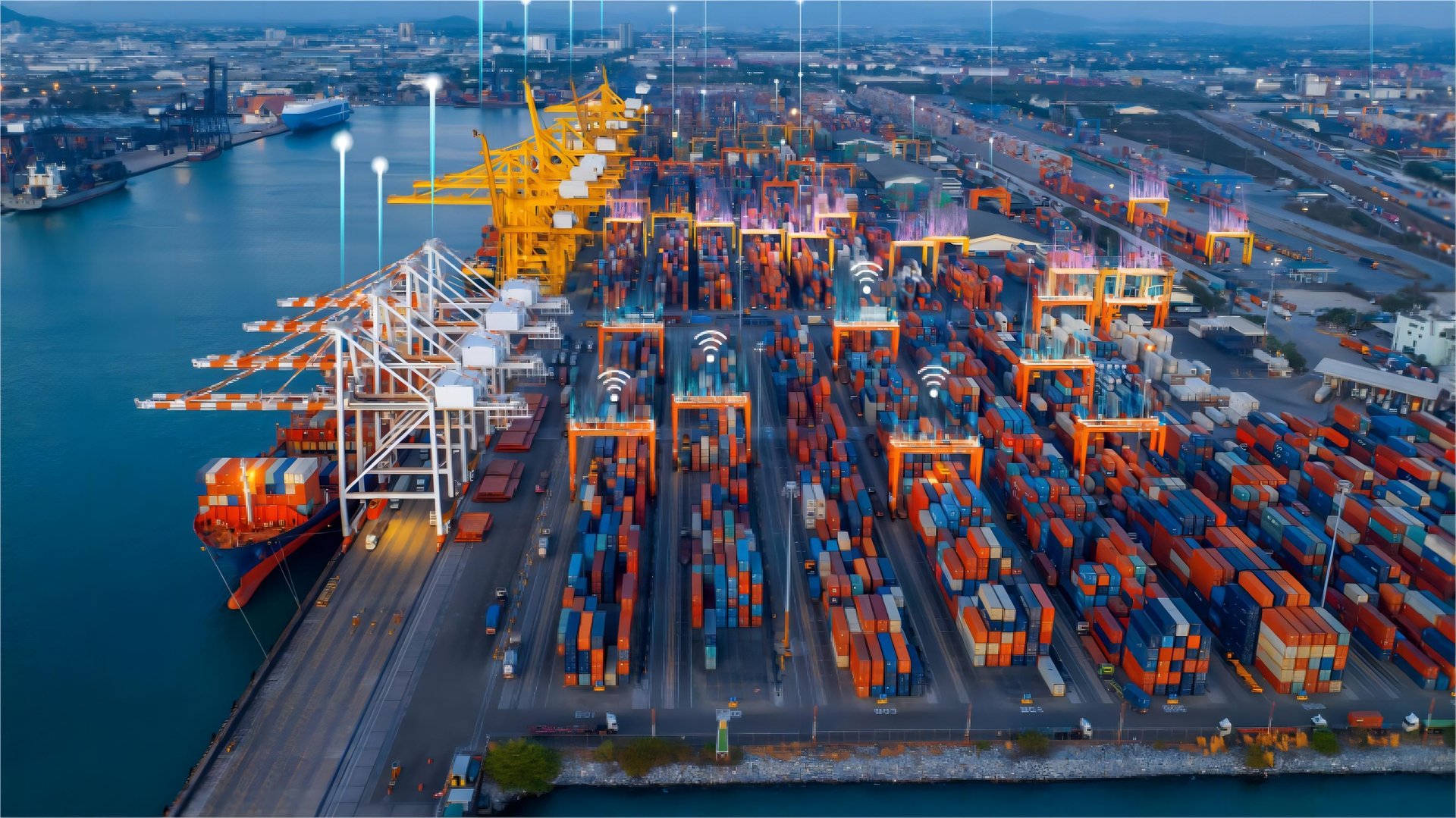
Examining real-world scenarios provides valuable insights into the practicalities of cargo shipping China to USA. These examples highlight how strategic planning can overcome common logistics hurdles and optimize costs.
Case Study 1: Solar Panel Distribution. A California-based energy company needed to import 50 containers of solar panels from Ningbo to Long Beach. By booking FCL sea freight three weeks in advance during the Q1 slack season, they secured a rate of $2,100 per 40HQ, significantly below the peak season average.
Case Study 2: Fast-Fashion Launch. A New York boutique required urgent delivery of a new clothing line from Guangzhou. They utilized air freight to ensure the goods arrived in just 5 days, allowing them to capitalize on a viral trend that would have faded by the time a ship arrived.
Case Study 1: Large Scale Electronics Import
Route: Shenzhen, China to Los Angeles, USA. Cargo: Consumer Electronics, 28 CBM, 4,500 kg. Container: 1x40GP. Shipping Method: Sea Freight FCL via COSCO. Port of Loading: Shenzhen. Port of Discharge: Los Angeles. Route Type: Direct.
Cost Breakdown: Ocean Freight: $3,100. Origin Charges: $450. Destination Charges: $600. Customs and Duties: $1,200. Total Landed Cost: $5,350. Timeline: Booking to Loading: 4 days. Sea Transit: 16 days. Customs Clearance: 2 days. Total Door-to-Door: 25 days.
Key Insight: Direct routing to the West Coast saved the client 12 days compared to an East Coast discharge, allowing for faster inventory turnover during the spring shopping season.
Case Study 2: Industrial Machinery Parts
Route: Shanghai, China to Chicago, USA. Cargo: Precision Machine Parts, 2 CBM, 800 kg. Container: LCL. Shipping Method: Sea Freight LCL with Inland Trucking. Port of Loading: Shanghai. Port of Discharge: New York (then trucked). Route Type: Transshipment via Singapore.
Cost Breakdown: Ocean Freight: $450. Origin Charges: $200. Destination Charges: $350. Customs and Duties: $800. Inland Trucking: $500. Total Landed Cost: $2,300. Timeline: Booking to Loading: 6 days. Sea Transit: 32 days. Customs Clearance: 3 days. Total Door-to-Door: 45 days.
Key Insight: While the transit time was long, LCL provided a 70% cost saving compared to air freight, which was essential for maintaining the client’s manufacturing margins.
Alternative Strategies for Cost-Saving and Efficiency
Implementing alternative logistics strategies can lead to substantial savings over time. One such approach is cargo consolidation, where multiple small orders from different suppliers are combined into a single FCL shipment in China.
Additionally, consider utilizing bonded warehouses at the destination. This allows you to defer the payment of duties and taxes until the goods are actually sold or removed from the warehouse, significantly improving your cash flow.
Another effective tactic is to negotiate Incoterms carefully with your suppliers. Moving from CIF (Cost, Insurance, and Freight) to FOB (Free on Board) gives you more control over the shipping process and prevents suppliers from adding hidden markups to the freight costs.
Finally, always maintain a buffer in your delivery schedule. Rushing shipments through premium services is expensive, and most ’emergencies’ can be avoided with better demand forecasting and earlier booking cycles.
Mastering Your Transpacific Logistics
In conclusion, successful cargo shipping China to USA is a balance of selecting the right method, ensuring customs compliance, and maintaining visibility over your supply chain. By understanding the costs and transit times associated with sea and air freight, you can make informed decisions that protect your margins.
Furthermore, leveraging professional services for brokerage and door-to-door delivery can remove the administrative burden from your team. As global trade continues to evolve, staying informed and flexible will be your greatest advantage in the marketplace.
Always remember that the cheapest option is not always the best if it results in missed deadlines or damaged goods. Prioritize reliability and communication when selecting your freight forwarder to ensure your business continues to thrive in 2026.

Need a tailored shipping solution?
Optimizing your cargo shipping China to USA requires a partner who understands the nuances of 2026 market trends. Contact the experts at Top China Freight today to receive a customized quote and streamline your international logistics. Send Inquiry: https://Top China Freight.net/contact-us/