

Bulk Shipping China to UK: 2026 Freight Rates and Logistics Guide
Navigating the complexities of bulk shipping China to UK requires a strategic approach to manage costs and timelines effectively in the current trade environment. Top China Freight provides comprehensive solutions to streamline your international trade operations and ensure cargo safety. However, businesses must understand the current market dynamics to maintain a competitive edge throughout 2026. Consequently, this guide explores the most efficient methods for transporting large volumes of goods while minimizing overhead expenses and transit delays.

Why Bulk Shipping China to UK is Essential for Your Business?
Reliable bulk shipping China to UK remains the backbone of the retail and manufacturing sectors across the United Kingdom. Indeed, the ability to move large quantities of inventory cost-effectively allows companies to maintain healthy profit margins despite global economic shifts. Moreover, the scale of these shipments often qualifies importers for significant volume discounts from major carriers.
Furthermore, sourcing products from Chinese manufacturing hubs like Shenzhen or Ningbo requires a robust logistics framework. Specifically, the integration of professional freight services ensures that your supply chain remains resilient against potential disruptions. Therefore, choosing a partner with local expertise in both regions is vital for long-term success.
Additionally, the 2026 shipping landscape has evolved with new environmental regulations and digital tracking technologies. Consequently, businesses that adapt to these changes by utilizing advanced bulk cargo logistics can achieve faster turnaround times. Naturally, this efficiency translates into better customer satisfaction and improved cash flow for your enterprise.
How Does Bulk Shipping Compare to Other Shipping Options?
Comparing different transport modes is the first step in optimizing your international logistics strategy. While sea freight is the primary choice for bulk shipping China to UK, alternative methods offer distinct advantages based on your specific needs. For instance, speed-sensitive items might require a different approach than heavy raw materials.
In contrast, air transport provides unmatched speed but at a significantly higher price point per kilogram. Meanwhile, rail options offer a middle ground for those seeking a balance between cost and velocity. Nevertheless, the vast majority of bulk commodities still rely on the massive capacity of ocean vessels.
| Shipping Method | Cost Range | Transit Time | Best For |
|---|---|---|---|
| Sea Freight (FCL) | $2,500 – $4,500 | 30-40 Days | Large inventory, Heavy goods |
| Air Freight | $5.50 – $9.00/kg | 5-8 Days | High-value, Urgent cargo |
| Rail Freight | $1,800 – $3,200 | 18-24 Days | Mid-size bulk, Inland China |
| Sea-Air Hybrid | Moderate | 15-20 Days | E-commerce, Seasonal stock |
What Are the Current Costs for Bulk Shipping China to UK in 2026?
Pricing for bulk shipping China to UK fluctuates based on fuel surcharges, seasonal demand, and carrier capacity. As of Q1 2026, freight rates have stabilized following the logistical adjustments made in previous years. Specifically, ocean freight rates 2026 reflect a more predictable market compared to the volatility seen in 2024 and 2025.
Moreover, container shipping costs are influenced by the specific port of departure and the final destination in the UK. For example, shipping from Shanghai to Felixstowe typically incurs different charges than routes from Guangzhou to Southampton. Indeed, understanding these nuances helps in calculating the total landed cost of your imported goods.
Additionally, businesses should account for ancillary fees such as terminal handling charges and documentation costs. Consequently, obtaining a detailed quote that includes all potential surcharges is essential for accurate budgeting. Note: Freight rates are subject to change based on fuel costs, carrier capacity, and seasonal demand. Contact us for a current quote tailored to your specific shipment.
| Container Type | Average Rate (2026) | Max Payload | Common Cargo |
|---|---|---|---|
| 20GP Container | $2,100 – $2,900 | 28,000 kg | Dense materials, Machinery |
| 40GP Container | $3,300 – $4,300 | 26,000 kg | Consumer goods, Furniture |
| 40HQ Container | $3,600 – $4,600 | 26,000 kg | Lightweight bulk, Textiles |
| LCL (per CBM) | $65 – $95 | 1,000 kg | Small bulk, Samples |

Understanding FCL vs LCL for Bulk Cargo
Deciding between Full Container Load (FCL) and Less than Container Load (LCL) is a critical decision for bulk shipping China to UK. FCL is generally preferred for bulk cargo logistics because it offers better security and faster transit by avoiding consolidation delays. Furthermore, the cost per unit is significantly lower when you can fill an entire container.
Alternatively, express service or LCL might be suitable if your bulk shipment does not quite fill a 20ft container. In addition, LCL allows for more flexible inventory management by enabling smaller, more frequent shipments. However, you must consider the increased risk of cargo handling during the consolidation and deconsolidation processes.
Without a doubt, most large-scale importers prioritize FCL to maintain control over their supply chain. Consequently, they often optimize their packaging and palletization to maximize the cubic capacity of every 40HQ container. Indeed, this meticulous planning is a hallmark of successful importing goods from China to UK.
Key Steps in the UK Customs Clearance Process
Navigating the UK customs clearance process is often the most complex part of international shipping. Every importer must possess a valid EORI number requirements UK to facilitate the legal entry of goods. Moreover, accurate classification of your products using the correct commodity codes is vital to avoid overpaying duties or facing penalties.
In addition, working with a professional customs brokerage service can prevent costly delays at the port of entry. These experts ensure that all documentation, including the commercial invoice and packing list, meets the latest HMRC standards. Consequently, your cargo can move through the terminal quickly and reach its final destination without unnecessary storage fees.
Proper preparation also involves understanding the VAT requirements and any specific import licenses for bulk goods. For instance, certain chemicals or electronic components may require additional certifications before they can be cleared. Therefore, verifying these details well before the ship leaves the Port of Loading is a prudent strategy.
Selecting the Best Port for Your UK Shipments
Choosing the right port of discharge can significantly impact your overall transit time and inland haulage costs. Felixstowe handles the largest volume of container traffic in the UK, making it a primary hub for vessels arriving from China. However, Southampton and London Gateway are excellent alternatives that might be closer to your distribution centers.
Furthermore, monitoring UK port congestion updates is essential for maintaining a reliable delivery schedule. If one port experiences labor shortages or equipment failures, rerouting to a less crowded facility like Liverpool or Hull may be necessary. Consequently, a flexible logistics plan allows you to bypass local bottlenecks effectively.
Indeed, the proximity of the port to your warehouse directly influences the final leg of the journey. Utilizing a door to door service ensures that the transition from sea to road is handled seamlessly. Specifically, this integration reduces the administrative burden on your team and minimizes the risk of communication errors.
Which Option Should You Choose? A Decision Framework
Selecting the optimal strategy for bulk shipping China to UK depends on several key performance indicators. If your primary goal is budget priority, then sea freight FCL remains the undisputed leader for large volumes. Conversely, if speed is your highest priority, you should consider air freight or a hybrid sea-air solution to meet tight deadlines.
Additionally, cargo type considerations play a major role in the selection process. Heavy industrial machinery is best suited for 20GP containers, while high-volume consumer electronics benefit from the extra space in a 40HQ. Therefore, evaluate your shipment based on its weight, volume, and urgency before making a final commitment.
Meanwhile, volume thresholds for switching methods should be monitored carefully. For shipments under 15 CBM, LCL is often more economical, but anything larger typically justifies the cost of a full 20ft container. Indeed, analyzing these trade-offs ensures that your logistics spend is always optimized for maximum efficiency.

Case Studies: Successful Bulk Shipping China to UK
Reviewing real-world examples provides valuable insights into the practicalities of international logistics. These scenarios illustrate how different businesses overcome challenges and optimize their shipping routes in 2026. For example, a furniture retailer might use 40HQ containers to maximize space, while a construction firm focuses on heavy-duty 20GP loads.
Accordingly, the following cases highlight the importance of choosing the right freight forwarder China to UK. By leveraging local expertise and established carrier relationships, these companies achieved reliable transit times and competitive pricing. Specifically, these examples reflect typical market conditions and costs as of early 2026.
Industrial Equipment Export
+———————————————————+
| Case Study 1: Industrial Machinery Export |
| Route: Shanghai, China to Southampton, UK |
| Cargo: CNC Machines, 28 CBM, 12,500 kg |
| Container: 40GP |
| |
| Shipping Details: |
| – Carrier: COSCO |
| – Port of Loading: Shanghai |
| – Port of Discharge: Southampton |
| – Route Type: Direct |
| |
| Cost Breakdown: |
| – Ocean Freight: $3,450 |
| – Origin Charges: $420 |
| – Destination Charges: $550 |
| – Customs & Duties: $1,200 |
| – Total Landed Cost: $5,620 |
| |
| Timeline: |
| – Booking to Loading: 4 days |
| – Sea Transit: 32 days |
| – Customs Clearance: 2 days |
| – Total Door-to-Door: 42 days |
| |
| Key Insight: Direct routing minimized handling risks for |
| sensitive precision machinery. |
+———————————————————+
Consumer Goods Volume Shipping
+———————————————————+
| Case Study 2: Retail Apparel Bulk Shipment |
| Route: Shenzhen, China to Felixstowe, UK |
| Cargo: Mixed Textiles, 65 CBM, 8,000 kg |
| Container: 40HQ |
| |
| Shipping Details: |
| – Carrier: Maersk |
| – Port of Loading: Yantian |
| – Port of Discharge: Felixstowe |
| – Route Type: Transshipment via Singapore |
| |
| Cost Breakdown: |
| – Ocean Freight: $3,800 |
| – Origin Charges: $380 |
| – Destination Charges: $490 |
| – Customs & Duties: $2,100 |
| – Total Landed Cost: $6,770 |
| |
| Timeline: |
| – Booking to Loading: 5 days |
| – Sea Transit: 38 days |
| – Customs Clearance: 3 days |
| – Total Door-to-Door: 48 days |
| |
| Key Insight: Utilizing a 40HQ container allowed for a |
| 15% reduction in cost per unit compared to 40GP. |
+———————————————————+
Mastering Bulk Shipping China to UK
Successfully managing bulk shipping China to UK requires a combination of market knowledge, strategic planning, and reliable partnerships. By understanding the nuances of ocean freight rates 2026 and selecting the right container types, businesses can significantly reduce their overhead costs. Furthermore, staying informed about UK customs clearance process updates and port conditions ensures that your cargo arrives safely and on time.
As global trade continues to evolve, the importance of a resilient and flexible logistics strategy cannot be overstated. Whether you are importing raw materials or finished consumer goods, the right approach to bulk shipping will drive your business growth in the years to come. Ultimately, partnering with an experienced freight forwarder is the most effective way to navigate these complexities and achieve long-term success in the UK market.
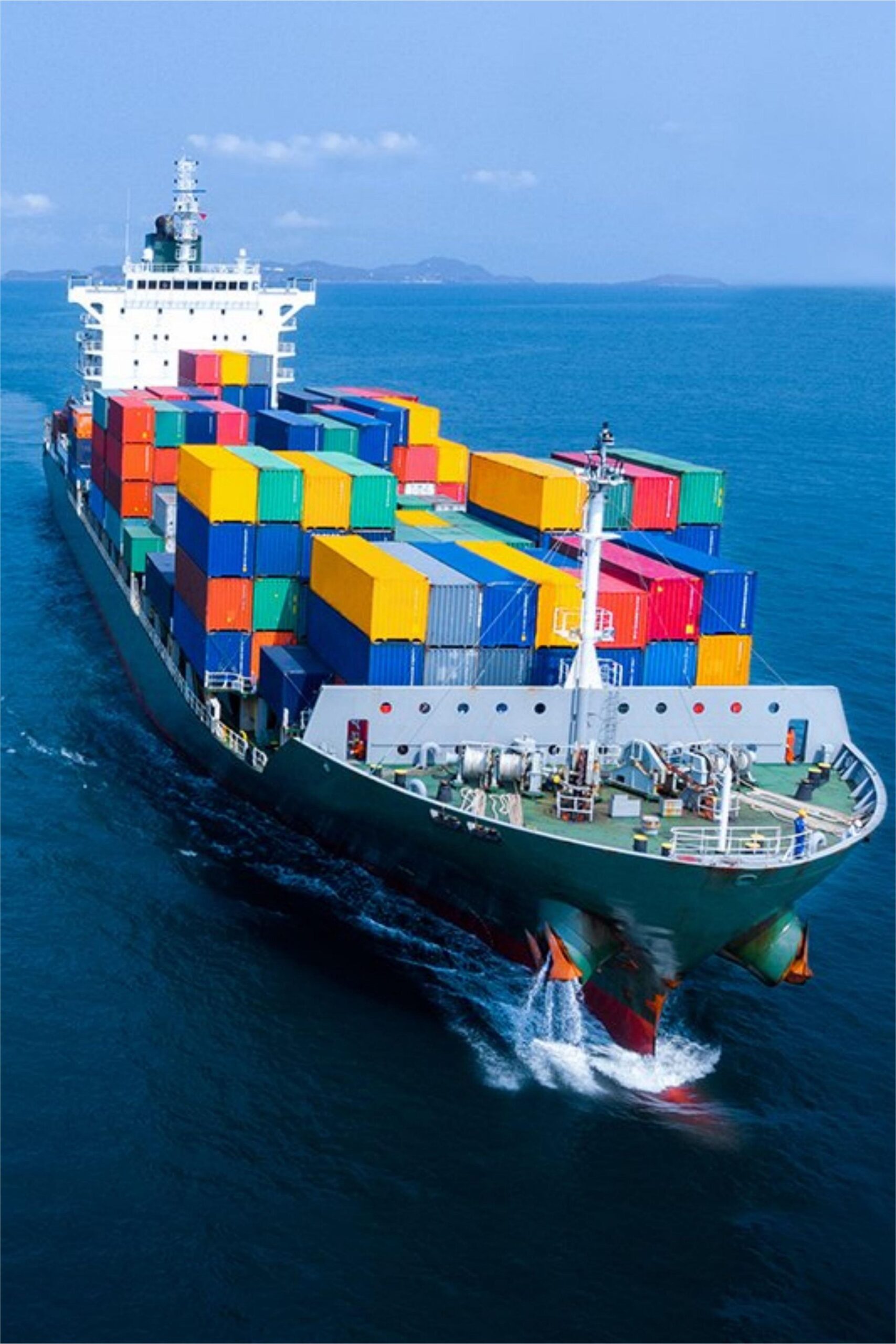
Need a tailored shipping solution?
Ready to optimize your supply chain with professional bulk shipping China to UK services? Contact our logistics experts today to receive a customized quote and streamline your 2026 freight operations. Visit our inquiry page to get started: Send Inquiry