Air Cargo China to Canada: 2026 Shipping Rates and Logistics Guide
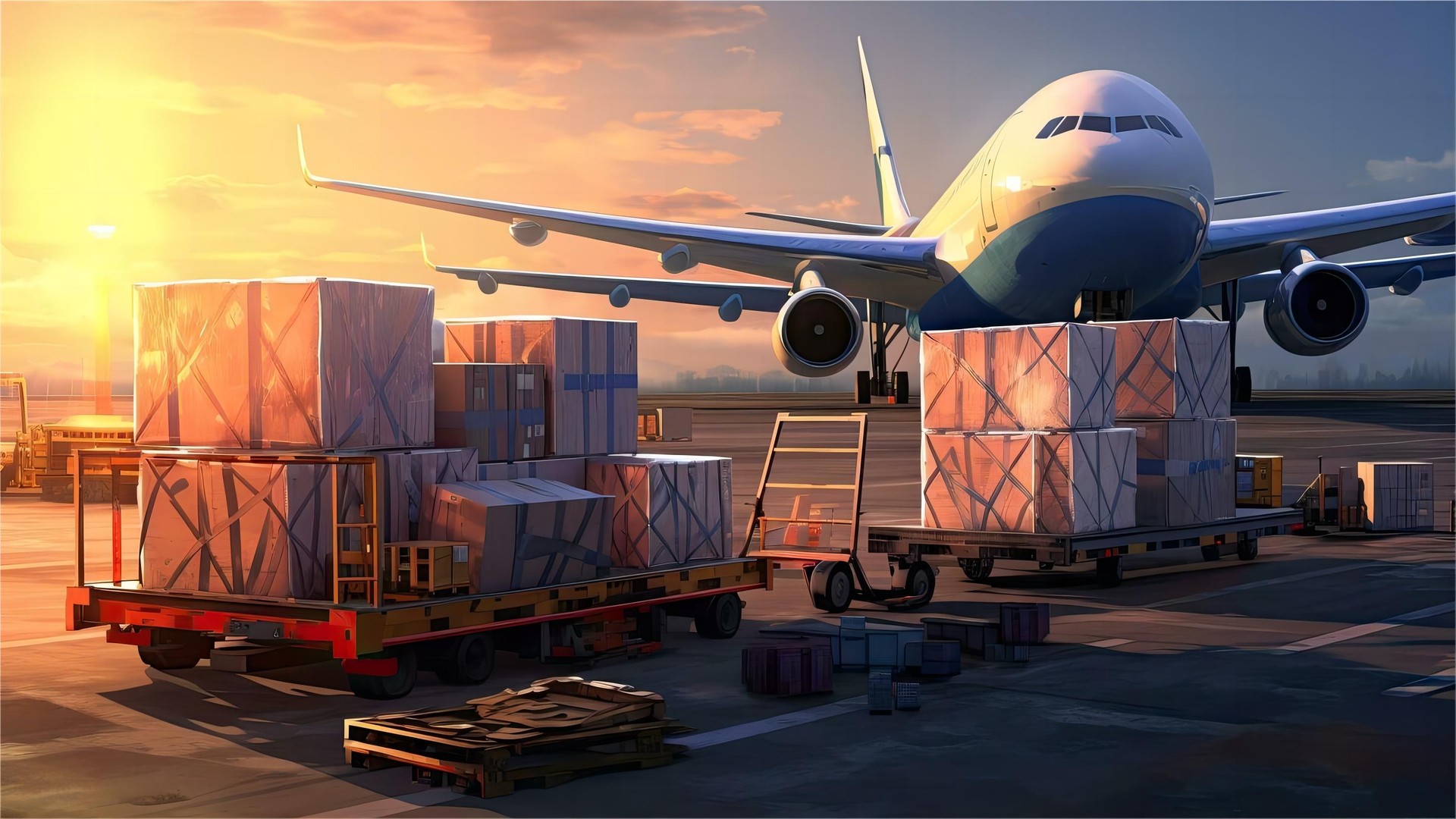
Shipping goods via air cargo China to Canada remains the most efficient way to meet tight market deadlines in 2026. Many businesses struggle with logistics delays, but Top China Freight provides reliable solutions to streamline your international trade. Consequently, choosing the right transport method is vital for maintaining a competitive edge in the North American market.
✦
Why Should You Use Air Cargo China to Canada in 2026?
Speed represents the primary advantage for companies moving high-value or time-sensitive inventory across the Pacific. Furthermore, air transport significantly reduces the risk of damage compared to long-duration ocean voyages. Businesses often choose air freight to restock popular products quickly during peak shopping seasons.
Moreover, the reliability of flight schedules allows for precise inventory management and just-in-time manufacturing processes. Security at airports is also much tighter than at seaports, which minimizes the likelihood of theft or tampering. Therefore, while the cost is higher, the safety and speed benefits often justify the investment for premium goods.
How Much Does Air Cargo China to Canada Cost?
Pricing for air transport is determined by either actual weight or volumetric weight, whichever is higher. Specifically, the 2026 market has seen a stabilization in fuel surcharges, though peak season rates still fluctuate. Most carriers calculate costs based on the chargeable weight of the shipment.
Additionally, factors like seasonal demand and cargo type influence the final quote you receive from your forwarder. For example, shipping lithium batteries or hazardous materials requires special handling fees. Consequently, it is essential to provide accurate dimensions to avoid unexpected surcharges during the loading process.
| Weight Range | Price Per KG (USD) | Transit Time | Service Level |
|---|---|---|---|
| 45kg – 100kg | $5.50 – $7.50 | 5-7 Days | Standard |
| 101kg – 500kg | $4.80 – $6.20 | 5-7 Days | Standard |
| 501kg – 1000kg | $4.20 – $5.50 | 4-6 Days | Priority |
| Over 1000kg | $3.80 – $4.90 | 4-6 Days | Charter/Bulk |
What Are the Transit Times for Air Cargo to Major Canadian Cities?
Transit times vary depending on whether you choose direct flights or deferred services with transshipment hubs. Generally, direct flights from Shanghai or Shenzhen to Vancouver take approximately 12 to 15 hours. However, door-to-door delivery usually spans 5 to 8 business days once customs clearance is factored in.
Meanwhile, shipments heading to Eastern Canada, such as Toronto or Montreal, may take slightly longer due to the distance. Indeed, most cargo is processed through major hubs before being distributed via local trucking networks. As a result, planning for a one-week window is a safe strategy for most commercial shipments.
| Origin City | Destination City | Flight Time | Total Door-to-Door |
|---|---|---|---|
| Shenzhen | Vancouver | 13 Hours | 5-7 Days |
| Shanghai | Toronto | 15 Hours | 6-8 Days |
| Guangzhou | Montreal | 16 Hours | 6-9 Days |
| Beijing | Calgary | 14 Hours | 6-8 Days |

How Does Air Cargo Compare to Other Shipping Options?
Comparing air transport to alternatives like sea freight reveals a significant trade-off between cost and speed. While ocean shipping is drastically cheaper for large volumes, it can take up to 40 days to reach Canadian ports. In contrast, air cargo ensures your goods are on the shelf in less than a quarter of that time.
Nevertheless, some businesses opt for a hybrid approach to balance their logistics budget effectively. For instance, you might ship the bulk of your inventory by sea while using air freight for emergency restocks. This strategy helps maintain stock levels without overspending on transport for every single unit.
| Method | Cost Range | Transit Time | Best For |
|---|---|---|---|
| Air Cargo | High ($4-8/kg) | 5-8 Days | Electronics, Fashion |
| Sea Freight | Low ($2k-4k/40HQ) | 30-45 Days | Furniture, Machinery |
| Express | Highest ($9-12/kg) | 3-5 Days | Samples, Documents |
| Sea-Air | Medium ($3-5/kg) | 15-20 Days | Mid-value Goods |
Which Option Should You Choose?
Choosing the right method depends largely on your specific business priorities and the nature of your cargo. If your priority is budget and you have a long lead time, ocean containers are the most logical choice. On the other hand, if you are launching a new product or responding to a sudden surge in demand, air cargo is indispensable.
Volume thresholds also play a critical role in this decision-making process. For shipments under 100kg, air freight or express services are often more economical than paying the minimum charges for a sea container. Conversely, once your shipment exceeds 15 CBM, the cost savings of sea freight become too significant to ignore.
Realistic Case Studies for Air Cargo China to Canada
Analyzing real-world examples helps clarify the actual costs and timelines involved in modern logistics. These cases reflect typical 2026 scenarios for different types of Canadian importers. Note: Freight rates are subject to change based on fuel costs, carrier capacity, and seasonal demand. Contact us for a current quote tailored to your specific shipment.
Case Study 1: High-Tech Components from Shenzhen to Toronto Route: Shenzhen to Toronto Cargo: Electronic Components, 1.2 CBM, 450 kg Carrier/Service: Air Canada Cargo Port of Loading: Shenzhen (SZX) Port of Discharge: Toronto (YYZ) Route Type: Direct Cost Breakdown: – Air Freight: $2,475 – Origin Charges: $150 – Destination Charges: $200 – Customs & Duties: $450 – Total Landed Cost: $3,275 Timeline: – Booking to Loading: 2 days – Air Transit: 1 day – Customs Clearance: 2 days – Total Door-to-Door: 6 days Key Insight: Using a direct flight minimized handling risks for sensitive electronics.
Case Study 2: Seasonal Apparel from Shanghai to Vancouver Route: Shanghai to Vancouver Cargo: Premium Apparel, 0.8 CBM, 180 kg Carrier/Service: Cathay Pacific Port of Loading: Shanghai (PVG) Port of Discharge: Vancouver (YVR) Route Type: Transshipment via Hong Kong Cost Breakdown: – Air Freight: $1,080 – Origin Charges: $120 – Destination Charges: $180 – Customs & Duties: $220 – Total Landed Cost: $1,600 Timeline: – Booking to Loading: 2 days – Air Transit: 2 days – Customs Clearance: 1 day – Total Door-to-Door: 5 days Key Insight: Transshipment offered a 15 percent cost saving compared to direct flights during the Q3 peak season.
How to Handle Customs and Documentation?
Navigating the Canadian Border Services Agency (CBSA) requirements is a critical step in the air cargo process. You must ensure that all commercial invoices, packing lists, and certificates of origin are perfectly accurate. Utilizing a professional customs brokerage service can prevent costly delays and potential fines.
Furthermore, specific products like food or chemicals may require additional permits from other government departments. Incomplete documentation is the leading cause of shipments being held at the airport. Therefore, double-checking your paperwork before the flight departs China is a vital best practice for all importers.
Are You Shipping to Amazon FBA in Canada?
Selling on Amazon requires strict adherence to their specific delivery and labeling requirements. Many sellers use Amazon FBA services to ensure their air cargo is delivered directly to the correct fulfillment center. Failure to follow these guidelines can result in rejected shipments and additional storage fees.
Additionally, air cargo is the preferred method for FBA sellers who need to keep their best-selling items in stock. Because Amazon’s storage limits fluctuate, sending smaller, frequent air shipments can be more efficient than large sea containers. Consequently, this approach improves your inventory turnover ratio and helps maintain a high IPI score.
What Are the Benefits of Door to Door Services?
Choosing a comprehensive door to door service simplifies the entire logistics chain for your business. This option means the freight forwarder handles everything from the initial pickup in China to the final delivery in Canada. As a result, you only have to deal with a single point of contact and one consolidated invoice.
Moreover, this service level often includes insurance and real-time tracking, providing peace of mind during the transit. While it may carry a slight premium over port-to-port options, the time saved on coordination is invaluable. Ultimately, it allows you to focus on growing your business rather than managing complex shipping logistics.
What Are the Logistics Trends for 2026?
Current market data suggests that sustainability is becoming a major focus for air cargo carriers in 2026. Many airlines are integrating sustainable aviation fuel (SAF) to reduce the carbon footprint of international shipping. Additionally, the use of AI-driven logistics platforms has improved the accuracy of delivery estimates and route optimization.
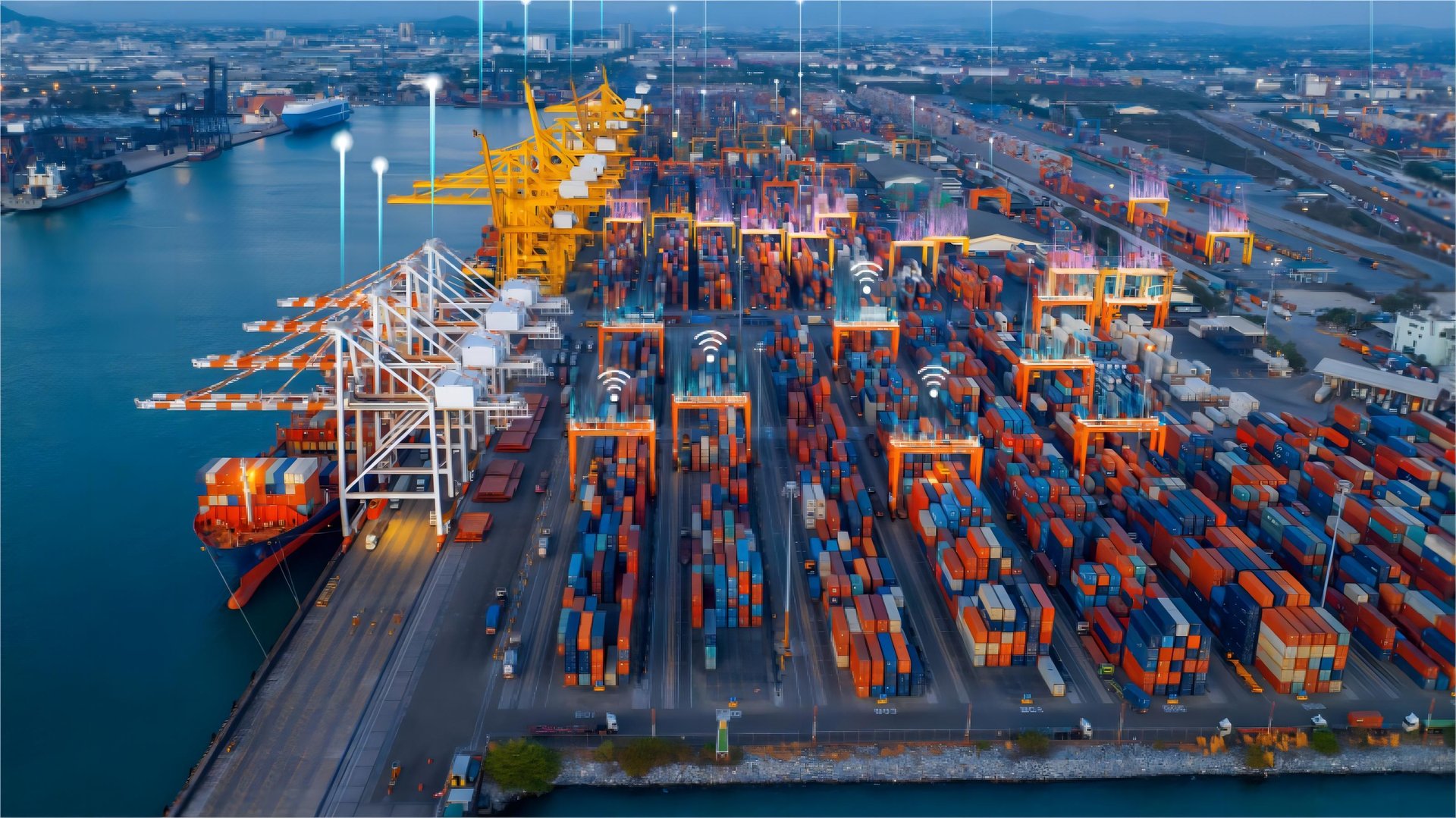
Specifically, shipping from China to North America has become more efficient through digitized customs processes. Meanwhile, regional airport hubs in Canada are expanding their cargo handling capabilities to reduce congestion at major gateways like Toronto Pearson. These trends indicate a more resilient and transparent supply chain for the future.
Final Thoughts on Air Cargo Shipping
In summary, air cargo China to Canada offers the speed and reliability necessary for modern business success in 2026. While costs are higher than sea freight, the benefits of reduced transit times and enhanced security are significant. By understanding the pricing structures and customs requirements, you can optimize your logistics strategy effectively.
Reliable partners and accurate documentation remain the cornerstones of a smooth shipping experience. As market trends continue to evolve, staying informed about freight rates and service options will help you maintain a competitive advantage. Choose the right transport method to ensure your inventory always meets customer demand.