
- By rudy
- November 27, 2025
- Freight knowledge, Shipping
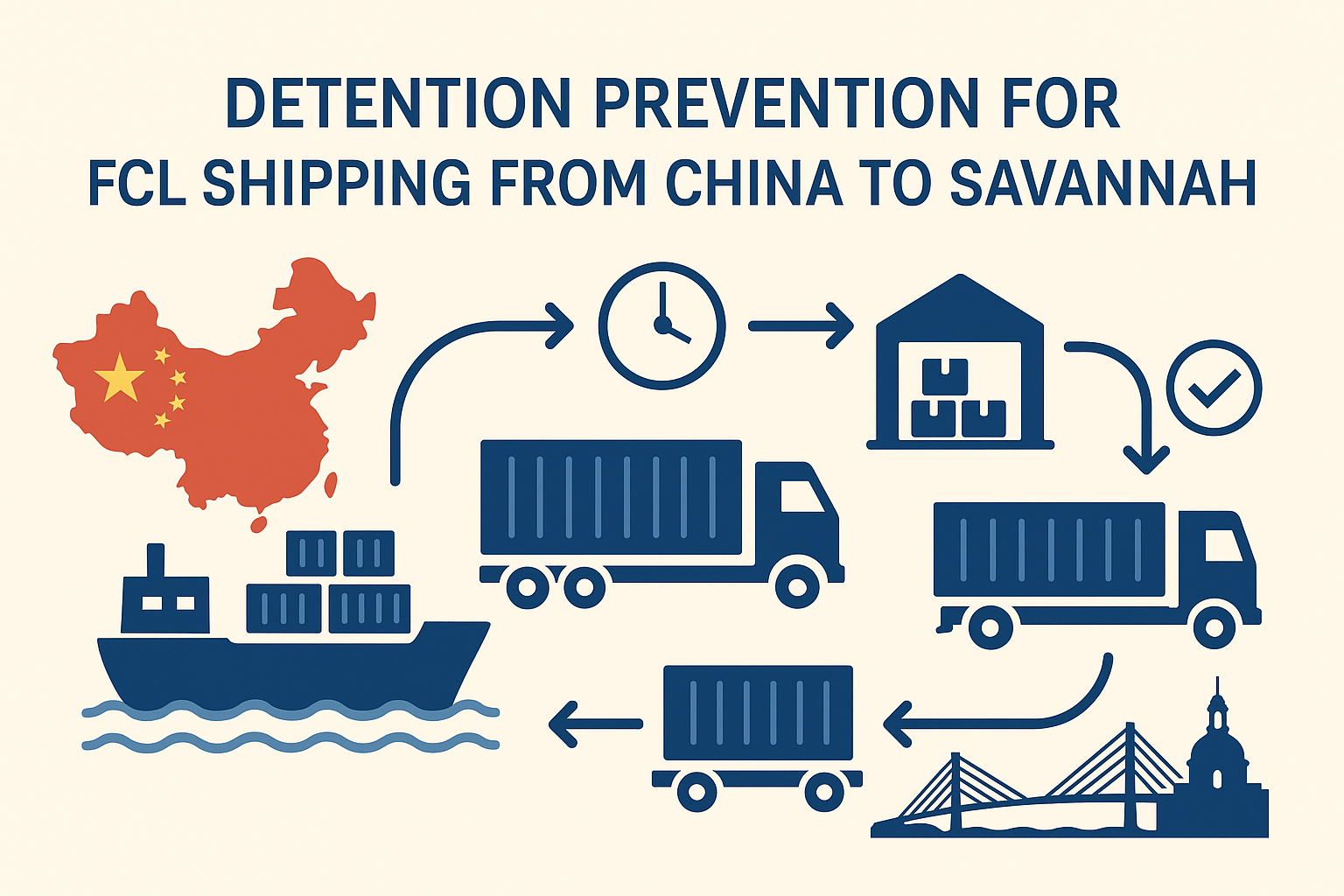
Because importers often face rising port congestion and unpredictable inland trucking capacity, detention prevention for FCL shipping from China to Savannah quickly becomes a mission-critical skill for maintaining supply-chain efficiency. Therefore, this article provides proven actions that keep your container moving, your free time protected, and your overall logistics cost under control. Additionally, we reference end-to-end practices used by experienced providers such as Top China Freight to help importers avoid unnecessary fees and delays from the start.
What Exactly Is Detention in FCL Shipping to Savannah?
Detention refers to charges applied when importers keep a container outside the terminal beyond the free period before returning it. While demurrage occurs inside the port, detention applies once the container leaves the gate. However, because Savannah is one of the fastest-growing East Coast gateways, free time is often shorter than expected, making prevention a top priority.
How Do Detention Fees Accumulate at the Port of Savannah?
Detention fees build up daily when the container is not returned on time. Although rates vary by carrier, most start charging after 3–5 free days. Moreover, some carriers increase the cost progressively with each additional day. Therefore, importers must plan inland delivery, warehouse unloading, and container return well in advance to avoid these charges.
How Can Importers Prevent Detention Before Cargo Even Leaves China?
Surprisingly, detention prevention begins at origin. Although the physical risk occurs in the U.S., your planning in China sets the tone for on-time delivery.
Key origin-side actions
- Share accurate cargo ready dates with your forwarder.
- Choose direct routes with fewer transshipments.
- Book FCL space early to avoid rolled shipments.
- Confirm U.S. drayage availability before sailing.
Because every delay pushes your container arrival closer to congestion windows, aligning these steps early helps protect your free time.
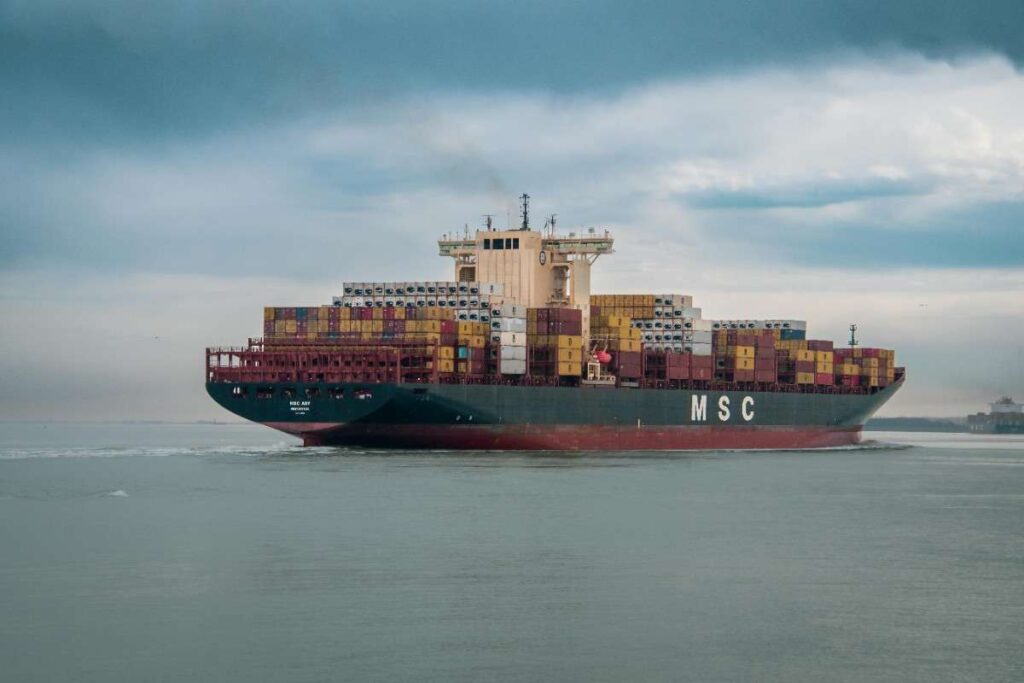
What Causes Delays After the Container Arrives at Savannah?
Even with perfect planning, several issues can still slow down your container after arrival.
Typical delay triggers
- ISF filing errors
- AMS mismatches
- Customs exams (VACIS, CET, tailgate, intensive)
- Missing commercial documents
- Appointment delays at distribution centers
- Chassis unavailability
Because each element may add hours or days, fast document preparation and pre-clearance greatly improve the timeline.
Case Study
Origin: Qingdao
Destination: Savannah
Cargo: Fitness equipment (40’ FCL)
Cost: USD 7,550 door-to-door
Transit Time: 37 days
Outcome: By pre-booking trucking and scheduling the warehouse team early, the importer returned the container within 48 hours. Consequently, detention cost was reduced to zero despite heavy congestion.
Origin: Shanghai
Destination: Savannah
Cargo: Household appliances (20’ FCL)
Cost: USD 5,120 port-to-door
Transit Time: 33 days
Outcome: The importer used a drayage provider offering Sunday return service. As a result, the container was returned the same weekend, avoiding a USD 680 detention fee.
Should You Use Door-to-Door Service for Better Detention Control?
Door-to-door service simplifies communication because one provider manages ocean freight, drayage, customs, and delivery. Therefore, handover delays become rare, and free time is easier to maintain. When importers need a streamlined plan from origin to destination, integrated teams such as Top China Freight support full FCL control, customs clearance, and reliable scheduling through their FCL/LCL and inland coordination services.
Cost Comparison: Detention vs. Efficient Return Planning
| Category | Without Planning | With Proper Planning |
|---|---|---|
| Container return time | 4–7 days | 1–2 days |
| Detention fees | USD 300–1,500+ | USD 0–150 |
| Trucking rescheduling | Frequent | Rare |
| Warehouse delays | Common | Minimal |
| Impact on supply chain | High | Low |
Because planning reduces almost every risk factor, importers consistently save money and time with a coordinated return process.
How Can Technology Improve Detention Prevention?
Tracking tools help monitor arrival times, customs status, truck dispatch, and warehouse operations. Although basic tracking is useful, advanced systems provide proactive alerts for ETA changes, giving importers more time to adjust plans. Therefore, choosing partners with digital visibility improves free-time management significantly.
Conclusion
To summarize, detention prevention for FCL shipping from China to Savannah depends on early planning, accurate documentation, timely trucking coordination, and fast container return. Moreover, importers who align schedules, negotiate free time, and select reliable door-to-door partners consistently avoid unnecessary costs. When you need dependable support for lowering your detention risk, contacting an experienced provider is the next step toward full supply-chain control.
Request A Free Quote
Need a reliable logistics partner? Share your shipment details and we’ll provide a tailored quotation quickly and accurately.
FAQ:
How are detention charges calculated?
They are billed daily after free time ends, based on carrier-specific rates.
How much free time do carriers usually offer?
Most provide 3–5 free days, although some contracts allow more.
What is the difference between demurrage and detention?
Demurrage occurs in the port; detention occurs outside after gate-out.
How can I avoid customs delays?
Accurate documents, proper HS codes, and early ISF filing help avoid holds.
Can technology help avoid detention?
Real-time tracking and ETA alerts improve scheduling.