
- By rudy
- November 27, 2025
- Freight knowledge, Services, Shipping
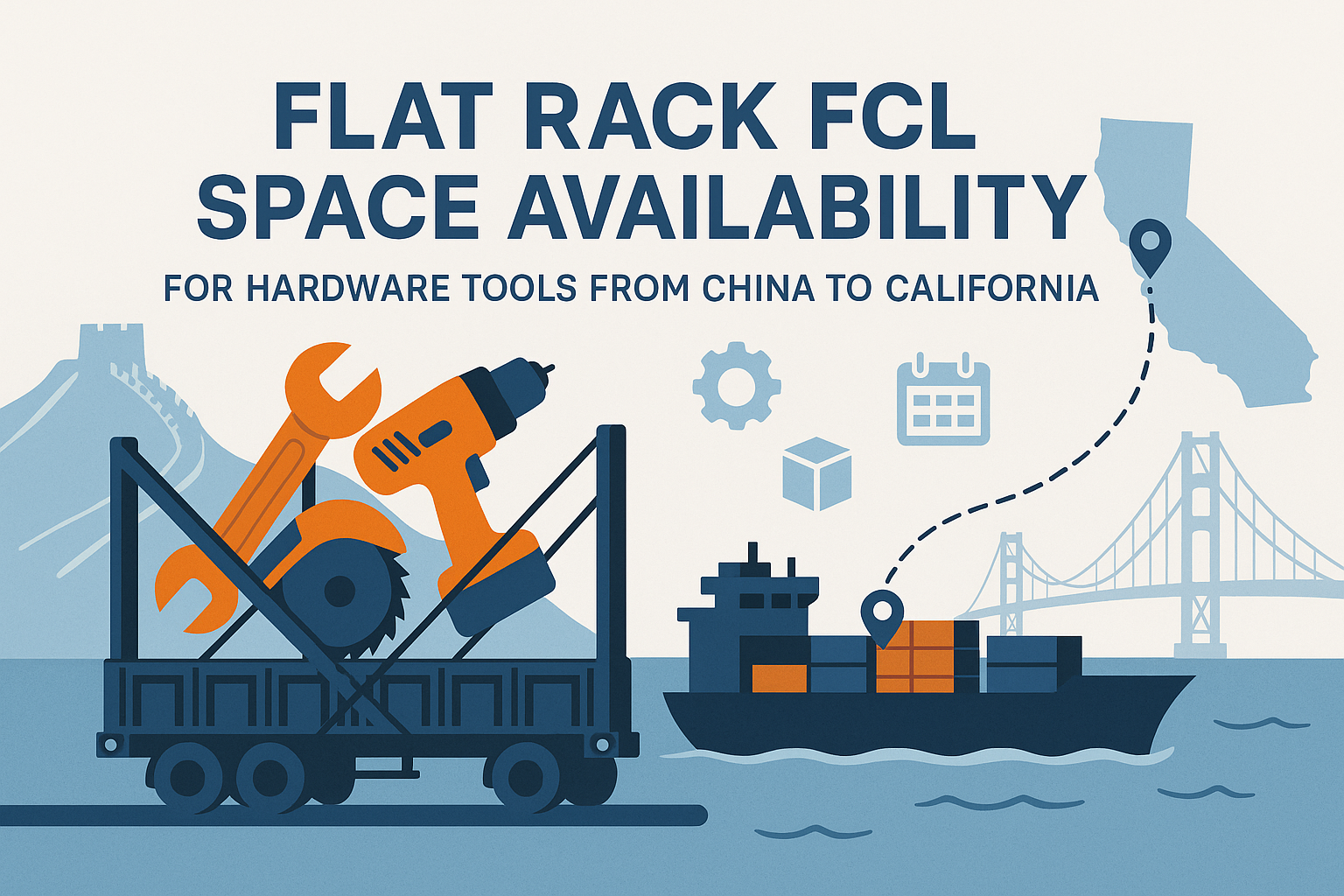
Although oversized hardware tools require more complex planning than standard shipments, Flat Rack FCL space availability for hardware tools from China to California can be managed effectively through advanced booking, accurate packing, and early coordination. Because flat rack containers are limited and often allocated to project cargo in advance, importers must secure space early and monitor availability closely. Moreover, platforms like the Top China Freight homepage help shippers plan ahead with real-time equipment updates and practical loading guidance.

Why Do Hardware Tools Require Flat Rack FCL Space?
Many hardware tools—such as compressors, industrial tool sets, automated repair frames, large tool cabinets, and machinery attachments—cannot fit into standard containers. Therefore, flat racks support out-of-gauge profiles and heavy weights without requiring enclosed walls.
Because these oversized tools demand open-side accessibility for forklifts and cranes, flat rack equipment becomes essential for safe loading and unloading.
Additionally, since California ports frequently see high volumes of construction and automotive imports, competing for flat rack equipment requires proactive space planning.
What Determines Flat Rack FCL Space Availability from China to California?
Space availability depends on several predictable and seasonal factors. Although carriers publish equipment pools, flat rack turnover is slower due to specialized use.
Key influencing elements include:
- Port equipment inventory cycles
- Oversized project cargo season
- Carrier repositioning plans
- Port congestion at origin or destination
- Heavy equipment export volumes
- Booking lead time and forecast accuracy
Because demand is uneven, booking early ensures better success for hardware tool shipments.
How Does Flat Rack Booking Work for Hardware Tools?
Flat rack booking follows a structured process, which helps importers secure equipment and maintain stable timelines.
Step 1: Space Request and Equipment Check
Carriers verify availability and inspect their flat rack pools. Because some racks serve construction or automotive shipments, availability fluctuates weekly.
Step 2: Cargo Measurement Review
Importers submit dimensions, weight distribution plans, and tool descriptions. Afterward, carriers confirm whether lashing points and loading tolerance can support the cargo.
Step 3: Loading Approval
Carriers review loading diagrams before granting approval. Consequently, this reduces cargo damage and delays at port terminals.
Step 4: On-Site Loading
Cranes or forklifts secure the tools using steel wire, belts, and wooden blocks—ensuring compliance with export packing rules.
What Documents Are Needed to Secure Flat Rack Space?

Flat Rack Documentation Checklist
| Document | Purpose | Notes |
|---|---|---|
| Commercial Invoice | Declares cargo value | Must match hardware tool specs |
| Packing List | Describes dimensions & weight | Required for OOG approval |
| Loading Diagram | Shows securing plan | Mandatory for heavy tools |
| Equipment Interchange Receipt | Confirms equipment pickup | Issued at depot |
| HS Codes | Compliance screening | Prevents customs delays |
| MSDS (if applicable) | For chemical-based tools | Only needed for certain items |
With proper documentation, carriers approve space faster and reduce risk of rejection.
What Documents Are Needed to Secure Flat Rack Space?
Flat Rack Documentation Checklist
| Document | Purpose | Notes |
|---|---|---|
| Commercial Invoice | Declares cargo value | Must match hardware tool specs |
| Packing List | Describes dimensions & weight | Required for OOG approval |
| Loading Diagram | Shows securing plan | Mandatory for heavy tools |
| Equipment Interchange Receipt | Confirms equipment pickup | Issued at depot |
| HS Codes | Compliance screening | Prevents customs delays |
| MSDS (if applicable) | For chemical-based tools | Only needed for certain items |
With proper documentation, carriers approve space faster and reduce risk of rejection.
Real Case Studies of Flat Rack FCL Shipments
Case Study A — Industrial Hardware Frames (Shanghai → Los Angeles)
- Cargo Type: Fabricated steel tool frames
- Volume: 1 × 40FR
- Process: Early cargo measurement + carrier-level approval
- Transit: 17 days
- Cost: Approx. $5,200
- Outcome: Space confirmed quickly; tools delivered damage-free.
Case Study B — Oversized Repair Machinery (Ningbo → Long Beach)
- Cargo Type: Automated repair machinery components
- Volume: 2 × 40FR
- Process: Advanced equipment request + lashing review
- Transit: 19 days
- Cost: Approx. $5,600 each
- Outcome: No congestion delays; on-time arrival for California distributor.
Should You Use a Professional Forwarder for Flat Rack Booking?

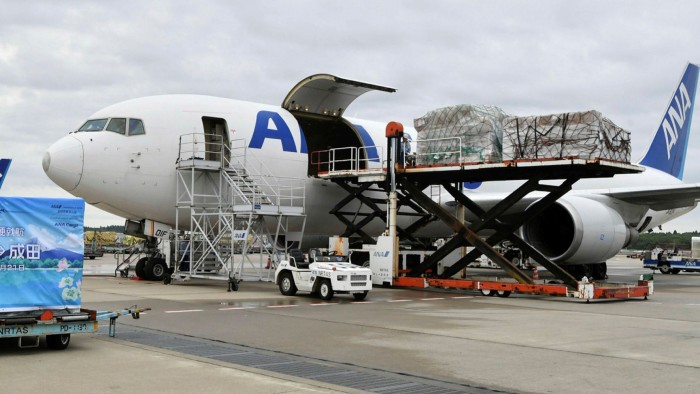
Although importers can request space directly, professional coordination significantly increases success rates, especially for complex hardware tools. Because flat racks require precise measurement, lashing approval, and carrier negotiation, forwarders streamline the process.
Since Top China Freight provides out-of-gauge planning, loading diagrams, and equipment availability updates, importers benefit from stable coordination and timely flat rack allocation. Additionally, value-added services like FCL/LCL solutions and customs brokerage further support compliance at California ports.
How Can Supply Chain Planning Improve Space Availability?
Since flat rack demand spikes during machinery, automotive, and construction cycles, forward planning becomes essential.
Effective strategies include:
- Submitting booking forecasts 3–6 weeks early
- Consolidating hardware tools into fewer units
- Checking multiple origin depots for availability
- Using end-to-end flat rack cargo visibility tools
- Assessing equipment allocation patterns
- Preparing dimensional drawings early
Because experienced forwarders understand carrier behavior, importers gain more stable equipment access.
Conclusion
Effective Flat Rack FCL space availability for hardware tools from China to California depends on accurate cargo measurements, loading preparation, booking forecasts, and real-time equipment management. Moreover, early planning helps importers secure rare equipment, reduce risks, and maintain reliable timelines. For hardware tool shipments requiring stable flat rack solutions, professional support ensures smooth coordination from China to California.
Request A Free Quote
Need a reliable logistics partner? Share your shipment details and we’ll provide a tailored quotation quickly and accurately.
FAQ:
How early should I book a flat rack for hardware tools?
Booking 3–6 weeks in advance ensures better availability and avoids peak-season shortages.
Can flat racks handle extremely heavy tools?
Yes, flat racks support high weights, provided weight distribution meets safety requirements.
Do I need a loading diagram?
Loading diagrams are required for oversized hardware or heavy machinery components.
Which Chinese ports have the most flat rack availability?
Shanghai and Ningbo generally offer more stable equipment pools.
What if port congestion affects equipment return?
Carriers may reposition equipment; early booking reduces impact.