
- By rudy
- November 26, 2025
- Freight knowledge, Shipping
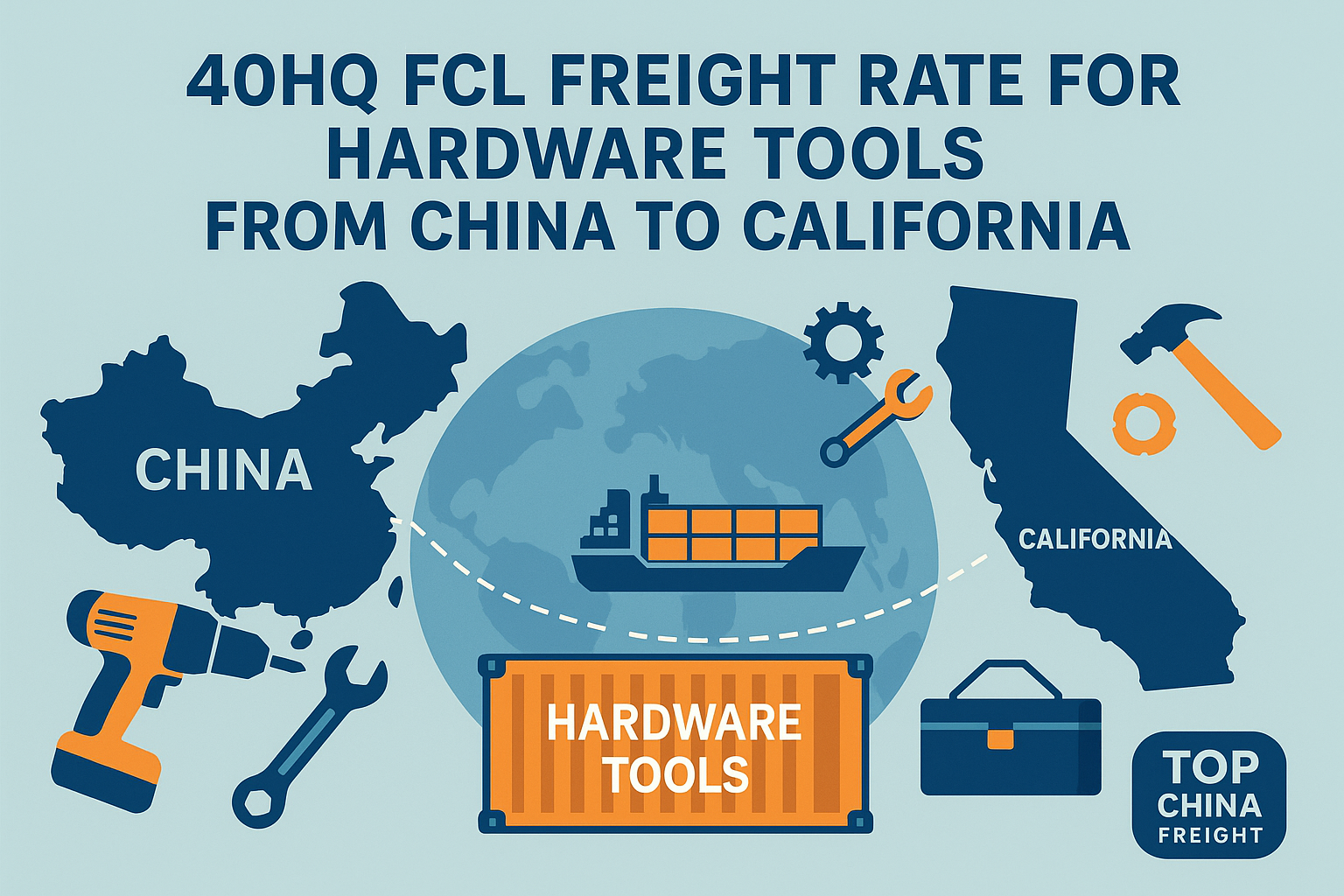
Although calculating the 40HQ FCL freight rate for hardware tools from China to California may seem challenging, importers can simplify decisions by understanding route trends, customs requirements, and loading strategies. Moreover, working with a specialist such as Top China Freight, found on our homepage, helps businesses secure stable schedules and reduce cost fluctuations across the entire supply chain.

Why Do Hardware Tools Commonly Ship in 40HQ FCL Containers?
Because hardware tools are dense, heavy, and usually packed in reinforced cartons, the 40HQ container offers the best cubic volume for cost efficiency. Additionally, the extra height supports stacking pallets of tools, power equipment, and packaged accessories without risking space loss. Consequently, many U.S. importers prefer 40HQ for bulk replenishment orders.
What Drives the 40HQ FCL Freight Rate from China to California?
Freight rates change frequently, several consistent drivers shape the final cost:
- Port demand on the U.S. West Coast
- Seasonal congestion
- Fuel and carrier surcharges
- Handling fees for heavy industrial tools
- Loading optimization and container utilization
Because hardware tools often involve steel, metals, and machinery components, optimizing loading density significantly reduces the cost per unit.
How Do Shipping Routes Influence the Freight Rate for Hardware Tools?

Since California ports (Los Angeles, Long Beach, Oakland) differ in congestion and processing speed, route selection directly affects freight rates and delivery reliability.
South China → Los Angeles (Fastest, Most Stable)
This route offers one of the shortest transit times, which is ideal for hardware tools requiring predictable delivery windows.
East China → Long Beach (Balanced Cost and Time)
Because carriers operate frequent sailings, the price remains competitive even during peak industrial demand.
North China → Oakland (Best for Northern Suppliers)
Although slightly longer, this route benefits suppliers in Qingdao, Tianjin, and Dalian.
What Are the Typical Transit Times for 40HQ Hardware Tool Shipments?
China → California Transit Time Ranges
| Origin Port | Destination Port | Transit Time (Days) | Notes |
|---|---|---|---|
| Shenzhen/Yantian | Los Angeles | 14–17 | Fastest and most consistent |
| Ningbo | Long Beach | 16–20 | Reliable despite seasonal peaks |
| Shanghai | Oakland | 18–23 | Longer but stable lane |
| Qingdao | Los Angeles | 19–24 | Used for heavy industrial tools |
These windows help importers plan predictable delivery schedules, especially when coordinating with West Coast distribution centers.
Can Alternative Transport Methods Help Hardware Tool Importers?
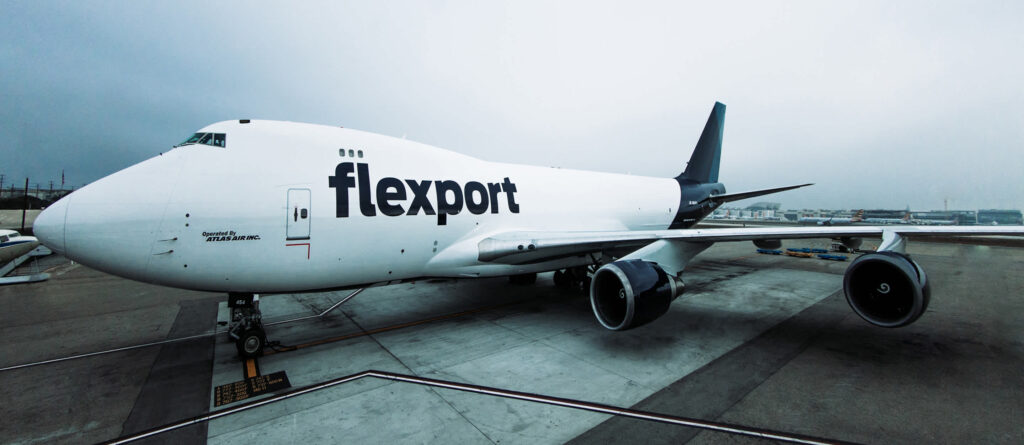
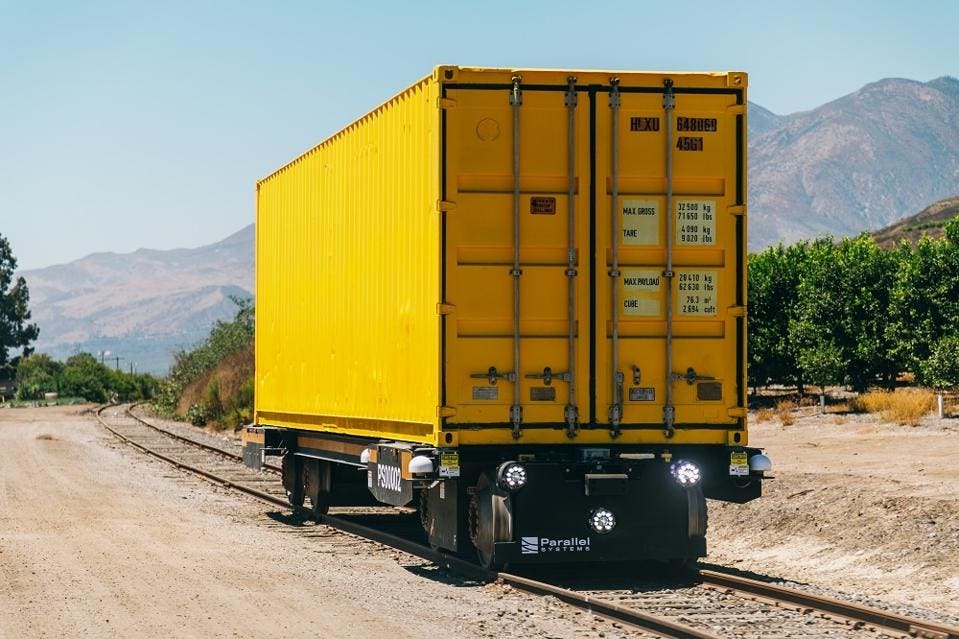
Although sea freight is the most cost-efficient, certain circumstances justify multimodal alternatives.
Air Freight for High-Value Tools
For urgent or premium SKUs, businesses may choose air freight to meet strict deadlines.
Express Service for Small Tool Shipments
Occasionally, urgent components move via express transportation to avoid production delays.
Door-to-Door Fulfillment
Hardware importers seeking complete coordination across customs, trucking, and final delivery often choose door-to-door shipping to minimize risk.
Case Study
1: Shenzhen → Los Angeles (Heavy Hardware Tools)
Cargo Type: Steel hand tools & industrial kits
Container: 1×40HQ FCL
Transit Time: 16 days
Key Strategy: Loading optimization + schedule selection
Outcome: Reduced total cost by 11%
Because the importer used precise weight distribution, the shipment cleared port handling faster and achieved strong cost efficiency.
2: Ningbo → Oakland (Electric Power Tools)
Cargo Type: Electric drills and power tool sets
Container: 40HQ FCL
Transit Time: 20 days
Key Strategy: Compliance preparation + early ISF filing
Outcome: Zero delays at Oakland during peak season
Although the cargo required compliance checks, early preparation ensured smooth delivery.
How Can Top China Freight Support Hardware Tool Importers?
Top China Freight provides freight rate comparison, container loading guidance, and West Coast route optimization. Additionally, our end-to-end service helps importers secure predictable delivery windows, ensuring hardware tools arrive according to schedule.
What Documents Are Required for Hardware Tool Imports?
Because hardware tools fall under specific HS codes and sometimes include batteries or machinery components, documentation accuracy is essential.
Essential Documents for Hardware Tool Imports
| Document | Purpose | Importer Action |
|---|---|---|
| Commercial Invoice | Declares product value | Ensure HS codes match components |
| Packing List | Confirms dimensions/weight | Align with physical cartons |
| Bill of Lading | Shipment confirmation | Verify consignee details |
| ISF Filing | U.S. customs requirement | Submit 24 hours before loading |
| Test/Compliance Certificates | For powered tools | Provide UL/CE reports if required |
Conclusion
In summary, managing the 40HQ FCL freight rate for hardware tools from China to California requires route evaluation, loading optimization, customs accuracy, and schedule planning. Moreover, businesses that refine these variables gain better cost control, smoother delivery, and more reliable inventory replenishment. To strengthen supply chain performance, importers may benefit from working with experienced logistics professionals.
Request A Free Quote
Need a reliable logistics partner? Share your shipment details and we’ll provide a tailored quotation quickly and accurately.
FAQ:
Why is 40HQ recommended for hardware tools?
It offers maximum cubic volume and supports the weight and size of heavy industrial tools efficiently.
Are hardware tools subject to special customs rules?
Some tools require safety certifications or detailed HS classification, especially if they contain electrical parts.
How early should I book a 40HQ container?
Booking 2–3 weeks ahead helps secure space during manufacturing peaks.
Do California ports charge extra for heavy tools?
Heavier loads may incur additional handling or trucking surcharges depending on terminal requirements.
How can I track my 40HQ shipment?
Most carriers offer real-time tracking portals showing vessel location and ETA updates.