Top China Freight is your trusted partner for shipping from China to America. We specialize in China sea freight and air transport services, offering tailored solutions for both commercial cargo and personal items. We meticulously manage every step from pick-up to delivery, ensuring smooth transit and timely arrival of your goods. Additionally, we prioritize customer satisfaction with our 24/7 support. Choose Top China Freight for reliable shipping from China to America. Contact us now for efficient assistance.
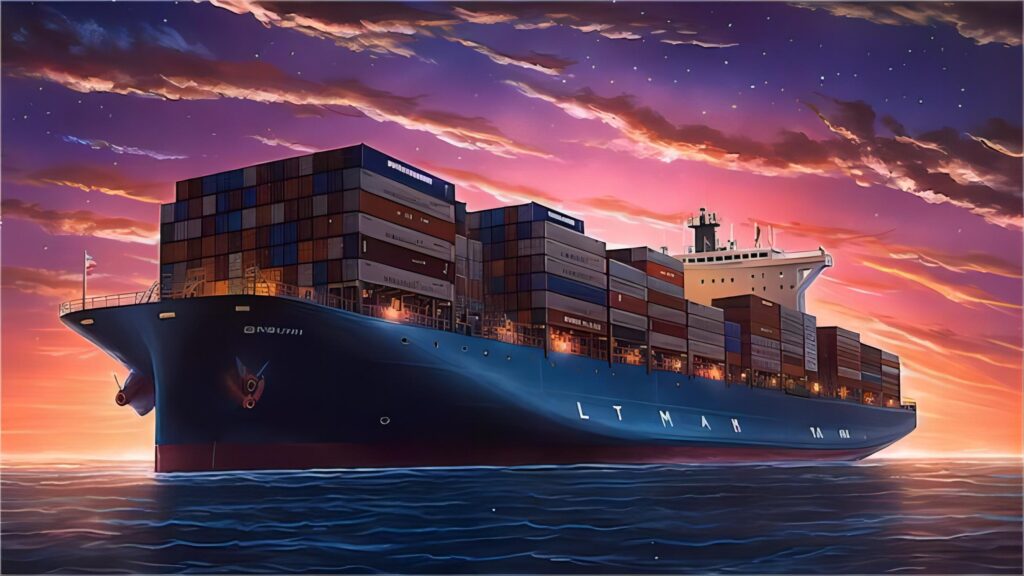
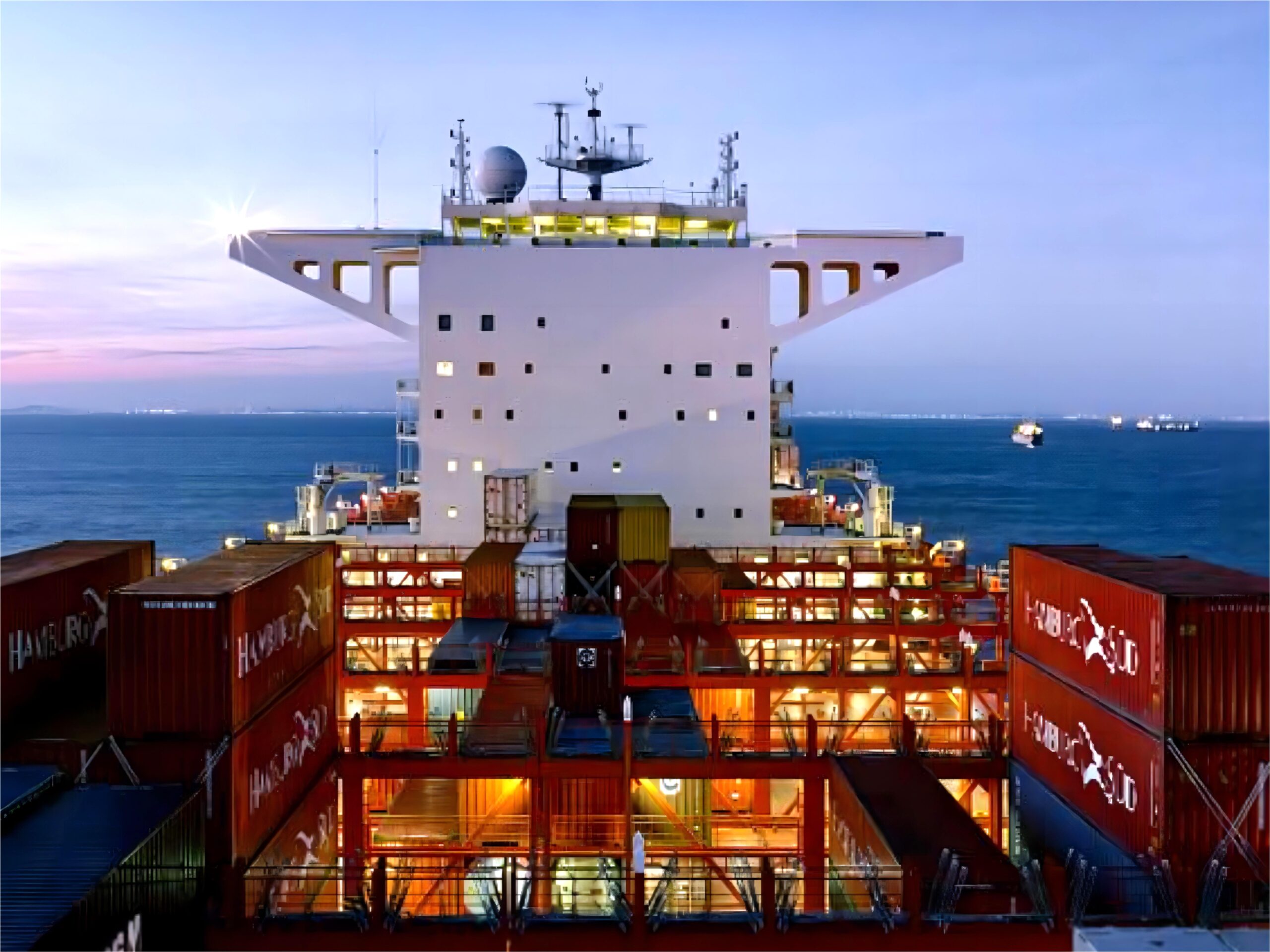
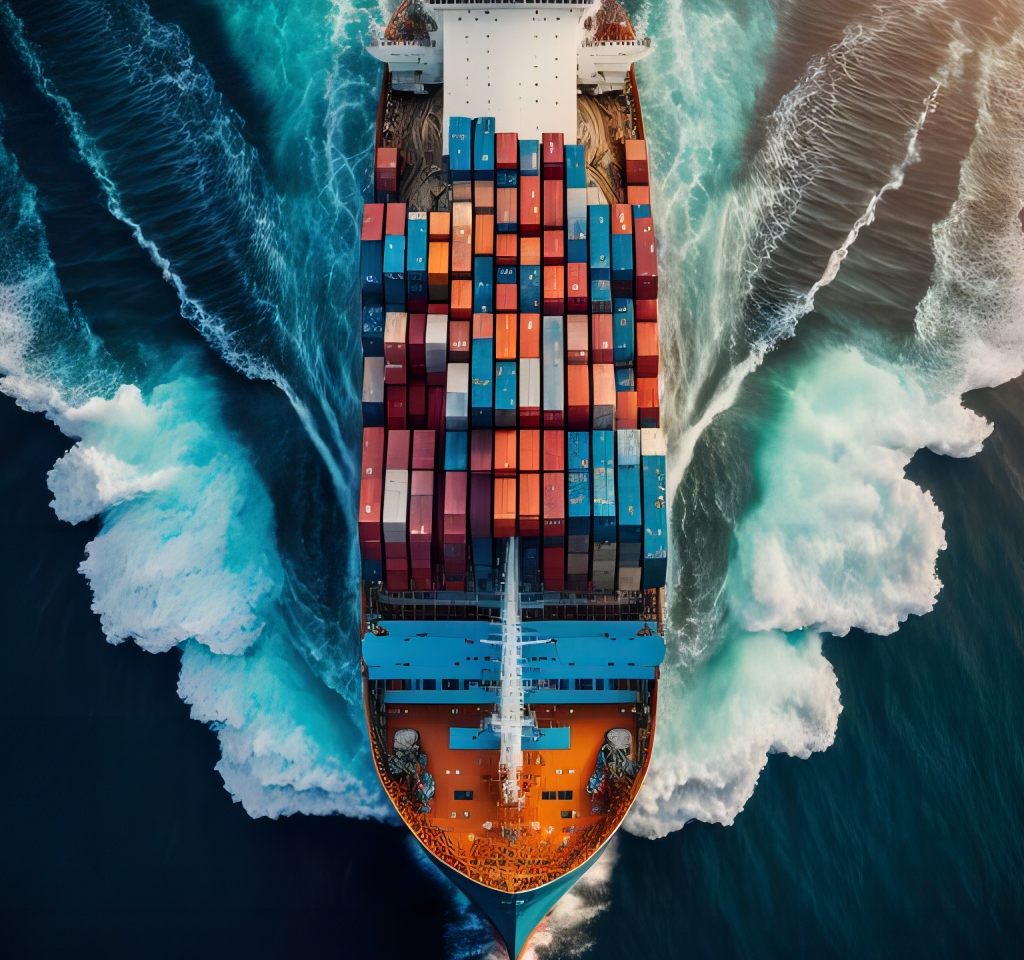
The transportation of goods by cargo ships across oceans, ideal for large volumes and heavy items.
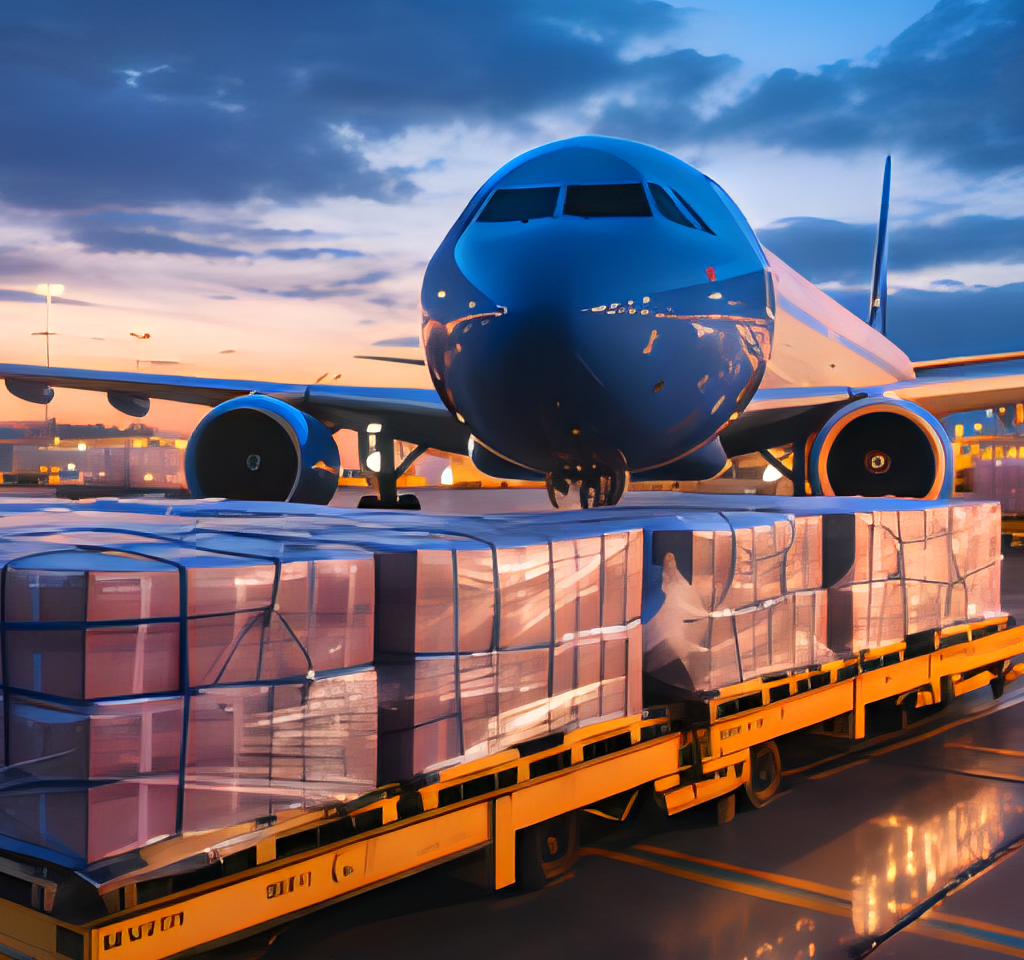
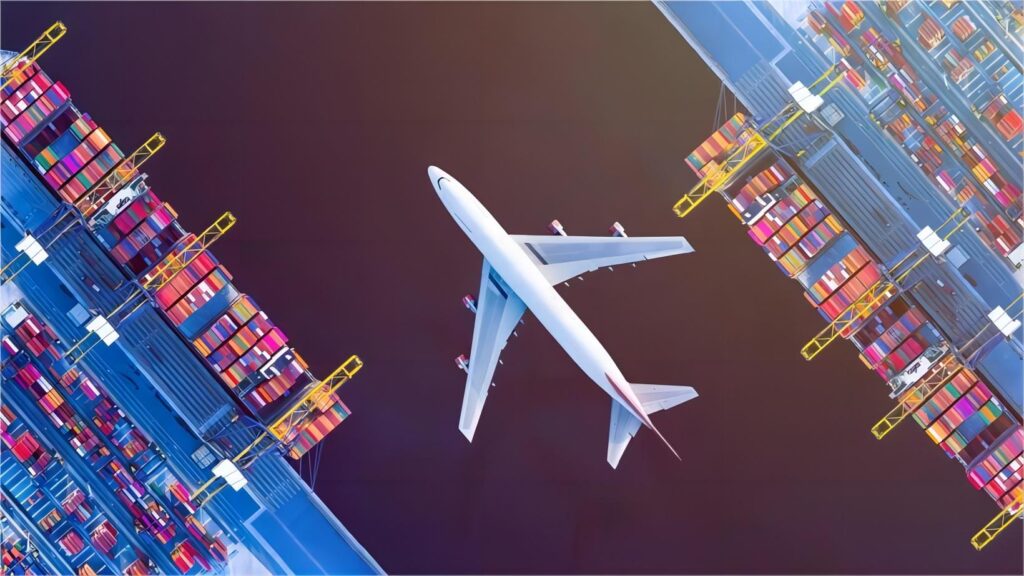
The shipment of goods via airplanes, offering fast delivery times for high-value or time-sensitive cargo.
This comprehensive solution streamlines the shipping process, ensuring efficient and hassle-free delivery.

The process of shipping goods that are loaded individually rather than in containers, typically used for oversized or irregularly shaped cargo.

The most efficient method depends on cargo volume, urgency, and budget.
For large-volume commercial shipments, ocean freight is typically the most cost-effective solution. Containers are shipped to major U.S. ports such as Port of Los Angeles or Port of New York and New Jersey, depending on the final delivery region.
For urgent or high-value goods, air freight is commonly used, especially for replenishment inventory, electronics, or time-sensitive retail products.
Some importers also use sea–air combined services or express courier services for smaller shipments.
The optimal solution is determined by balancing:
Transit time requirements
Total landed cost
Inventory turnover strategy
Transit time varies by mode and destination coast.
Ocean freight to the U.S. West Coast typically takes significantly less time than shipments to the East Coast, which may require Panama Canal routing or intermodal rail movement.
However, total transit time is not just the ocean voyage. Importers must also consider:
Export customs clearance in China
Vessel scheduling and port congestion
U.S. customs processing
Inland trucking or rail delivery
For supply chain planning, many importers calculate total door-to-door timing rather than port-to-port transit only.
Import duties depend on the product’s HS code classification.
In addition to standard customs duties, certain goods originating from China may be subject to Section 301 tariffs. These additional tariffs significantly impact total landed cost and must be reviewed before shipment.
Importers should confirm:
Correct HS code classification
Current tariff rate
Eligibility for exclusions or exemptions
Misclassification can result in penalties or post-entry audits.
U.S. Customs and Border Protection (CBP) requires precise and consistent documentation.
Commonly required documents include:
Commercial invoice
Packing list
Bill of lading or airway bill
ISF (Importer Security Filing) for ocean shipments
Arrival notice
Bond information
The ISF filing must be submitted before vessel departure from China. Late filing may result in fines.
Accuracy in product description, declared value, and importer details is essential to avoid customs holds.
ISF (Importer Security Filing), sometimes called “10+2,” is mandatory for ocean shipments entering the U.S.
It must be submitted at least 24 hours before the cargo is loaded onto the vessel in China.
Failure to file ISF properly can result in:
Monetary penalties
Cargo holds
Increased inspection risk
Because ISF requires specific shipment data, coordination between exporter, freight forwarder, and importer must occur before departure.
U.S. ports can experience congestion, particularly during peak retail seasons.
For example, the Port of Long Beach has experienced high container volumes during strong import cycles.
Congestion can lead to:
Vessel waiting time
Delayed container availability
Increased demurrage and detention charges
Many importers mitigate this risk by diversifying entry ports or using rail connections to inland hubs such as Chicago or Dallas.
Most U.S. importers prefer FOB (Free on Board) terms.
Under FOB, the importer controls freight booking, carrier selection, and insurance, which often results in better cost transparency and logistics control.
CIF (Cost, Insurance, Freight) may be suitable for new importers who prefer suppliers to manage transportation, but it provides less visibility into freight cost structure.
The choice depends on supply chain maturity and negotiating power.
A customs bond is required for nearly all commercial imports into the United States.
It guarantees payment of duties and compliance with customs regulations. Importers can obtain:
Single-entry bond (for occasional shipments)
Continuous bond (for frequent importers)
Frequent importers usually choose a continuous bond for cost efficiency and smoother operations.
U.S. Customs may select shipments for examination based on risk assessment.
Inspection types include:
X-ray scan
Tailgate inspection
Intensive exam
If a container is selected for intensive examination, additional costs and delays may occur. These inspections are not random in a simple sense; they are risk-based and influenced by product type, shipper history, and compliance records.
Certain categories require additional government agency clearance:
FDA for food, cosmetics, medical products
FCC for electronics
DOT for transportation-related goods
USDA for agricultural items
Failure to comply with these agency requirements may result in refusal or destruction of goods.
Understanding regulatory classification before shipment is critical.
Cargo Insurance provides coverage for goods against loss, damage, or theft during transit, ensuring that the owner receives financial compensation in the event of unforeseen incidents.

Amazon FBA (Fulfillment by Amazon) is a service where sellers store their products in Amazon's warehouses, and Amazon handles the packing, shipping, and customer service.
Customs brokerage is a service that helps importers and exporters clear goods through customs.
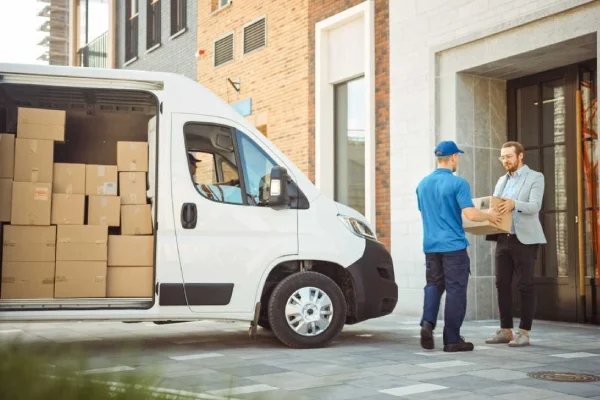
Door to door service refers to the transportation of goods directly from the sender's location to the recipient's location, handled entirely by the carrier.
Express service provide fast, time-sensitive delivery of parcels and documents.