Sea Freight China to Canada Cost: 2026 Shipping Guide
“Navigating the complexities of international logistics requires a clear understanding of current market trends and pricing structures. At Top China Freight, we help businesses streamline their supply chain by providing transparent data on sea freight china to Canada cost. This guide explores everything from container rates to customs requirements to ensure your cargo arrives safely and affordably in the current 2026 market.”

Understanding Sea Freight China to Canada Cost Factors
❖Determining the final sea freight china to Canada cost involves analyzing several variables that fluctuate with market demand. Consequently, shippers must account for base ocean rates, fuel surcharges, and port handling fees that vary by season.
Market conditions in 2026 show that fuel prices remain a significant driver of overall logistics expenses. Furthermore, the distance between the origin port in China and the destination in Canada directly impacts the total invoice.
Carriers often adjust their pricing based on vessel capacity and global trade stability. Therefore, staying updated on these changes is essential for accurate budgeting and supply chain management.
Choosing sea freight remains the most economical choice for large-scale imports. In contrast, smaller shipments might require different strategies to maintain profitability.
FCL vs LCL: Which Sea Freight Option Fits Your Budget?
❖Full Container Load (FCL) involves renting an entire container for your goods alone. This method typically offers a lower cost per unit for high-volume shipments and reduces the risk of damage during handling.
Less than Container Load (LCL) allows multiple shippers to share space within a single container. While this is ideal for smaller volumes, the cost per cubic meter is usually higher than FCL rates.
Moreover, LCL shipments often face longer transit times due to the consolidation and deconsolidation processes at the ports. Businesses must weigh the urgency of their delivery against the potential savings of sharing space.
Current 2026 data suggests that FCL is the preferred choice for shipments exceeding 15 cubic meters. Conversely, LCL provides a flexible entry point for startups and smaller enterprises.
| Container Type | Capacity (CBM) | Estimated Cost (USD) | Best For |
|---|---|---|---|
| 20GP Container | 28-30 CBM | $1,800 – $2,600 | Heavy cargo |
| 40GP Container | 56-58 CBM | $2,900 – $3,900 | Voluminous goods |
| 40HQ Container | 65-68 CBM | $3,200 – $4,400 | Maximum volume |
| LCL (Per CBM) | 1-15 CBM | $60 – $120 | Small shipments |
How Does Sea Freight Compare to Other Shipping Options?
❖Comparing sea freight to air or express services reveals significant differences in both price and speed. While sea freight offers the lowest price point, it requires the longest lead times for delivery.
Air freight provides a rapid solution for high-value or perishable items that cannot wait for ocean transit. However, the cost of air freight can be five to ten times higher than sea transport.
Additionally, express services offer door-to-door convenience but are generally reserved for very small parcels or urgent documents. For most commercial imports to North America, ocean transport remains the primary backbone of trade.
Hybrid solutions like sea-air combinations have gained popularity in 2026 to balance cost and speed. These strategies involve shipping by sea to a hub and then flying the cargo to the final destination.
| Shipping Method | Cost Range | Transit Time | Best For |
|---|---|---|---|
| Sea Freight | $2,000 – $4,500 | 18 – 40 Days | Bulk / Heavy |
| Air Freight | $5,000 – $15,000 | 3 – 7 Days | Urgent / High-value |
| Express Service | $8 – $15 per kg | 2 – 5 Days | Small samples |
| Sea-Air Hybrid | $3,500 – $7,000 | 12 – 20 Days | Medium urgency |
Which Option Should You Choose? Decision Framework
❖Selecting the right method depends largely on your specific business priorities and cargo characteristics. If budget is your primary concern and your lead times are flexible, sea freight is the clear winner.
Speed should be prioritized when stockouts are imminent or when dealing with seasonal products with short shelf lives. In these cases, paying the premium for air transport is often justified to maintain market share.
Cargo type also plays a vital role in the decision-making process. For instance, hazardous materials or oversized machinery often have limited options and may require specialized sea freight handling.
Volume thresholds usually dictate the switch from LCL to FCL. Once your shipment reaches approximately 14-15 CBM, booking a full 20ft container often becomes cheaper than paying individual CBM rates.
Real-World Shipping Case Studies
❖Case Study 1: Electronics from Shenzhen to Vancouver
Route: Shenzhen, China to Vancouver, Canada. Cargo: Consumer Electronics, 65 CBM, 12,000 kg. Container: 40HQ. Shipping Details: Major carrier, Port of Loading: Shenzhen, Port of Discharge: Vancouver, Route Type: Direct.
Cost Breakdown: Ocean Freight: $3,400. Origin Charges: $250. Destination Charges: $300. Customs and Duties: $1,200. Total Landed Cost: $5,150. Timeline: Booking to Loading: 3 days. Sea Transit: 16 days. Customs Clearance: 2 days. Total Door-to-Door: 21 days.
Key Insight: Using a direct route to the West Coast significantly reduced the sea freight china to Canada cost and transit time. This approach allowed the client to restock their warehouse before the peak shopping season began.
Case Study 2: Furniture from Ningbo to Toronto
Route: Ningbo, China to Toronto, Canada. Cargo: Home Furniture, 8 CBM, 2,500 kg. Container: LCL. Shipping Details: Major carrier, Port of Loading: Ningbo, Port of Discharge: Montreal (Rail to Toronto), Route Type: Transshipment via Montreal.
Cost Breakdown: Ocean Freight: $880. Origin Charges: $180. Destination Charges: $450. Customs and Duties: $600. Total Landed Cost: $2,110. Timeline: Booking to Loading: 5 days. Sea Transit: 32 days. Customs Clearance: 3 days. Total Door-to-Door: 40 days.
Key Insight: While LCL was more affordable for this volume, the transshipment and rail leg to Toronto added significant time. Planning for a 40-day window was crucial for the retailer’s inventory management.
Hidden Fees and Customs Documentation Requirements
❖Beyond the basic freight rate, several additional costs can impact your total expenditure. These include terminal handling charges, documentation fees, and potential demurrage if the cargo stays at the port too long.
Properly managing customs brokerage is essential to avoid expensive delays and penalties at the Canadian border. Inaccurate paperwork is one of the most common reasons for unexpected storage fees.
Required documents typically include the Commercial Invoice, Packing List, and Bill of Lading. Furthermore, specific products may require certificates of origin or import permits depending on Canadian regulations.
Insurance is another critical factor that many shippers overlook until a problem occurs. Investing in comprehensive cargo insurance usually costs less than 1 percent of the goods’ value but provides immense peace of mind.
Strategies to Reduce Your Sea Freight China to Canada Cost
❖Optimizing your packaging can lead to significant savings by reducing the total volume of your shipment. Consequently, using pallets efficiently or redesigning product boxes can allow more items to fit in a single container.
Negotiating with multiple freight forwarders ensures you receive competitive rates based on the latest 2026 market data. Additionally, booking your shipment at least 3-4 weeks in advance can help secure lower prices before peak season hikes.
Consolidating shipments from multiple suppliers into one FCL container is a highly effective cost-saving strategy. This method reduces the number of individual entries and minimizes fixed port charges.
For e-commerce sellers, utilizing Amazon FBA shipping services can streamline the process from factory to warehouse. These specialized services often include bundled pricing that covers customs and final delivery.
The Role of Door to Door Logistics in 2026
❖Modern businesses increasingly prefer door to door solutions to simplify their operations. This service handles the entire journey from the manufacturer’s gate in China to the final destination in Canada.
Indeed, choosing an all-in-one provider reduces the risk of communication gaps between different logistics entities. It also provides a single point of accountability for the safety and timing of the cargo.
While the upfront quote for door-to-door service might seem higher, it often saves money by preventing logistical errors. Furthermore, it allows business owners to focus on sales and marketing rather than managing complex shipping schedules.
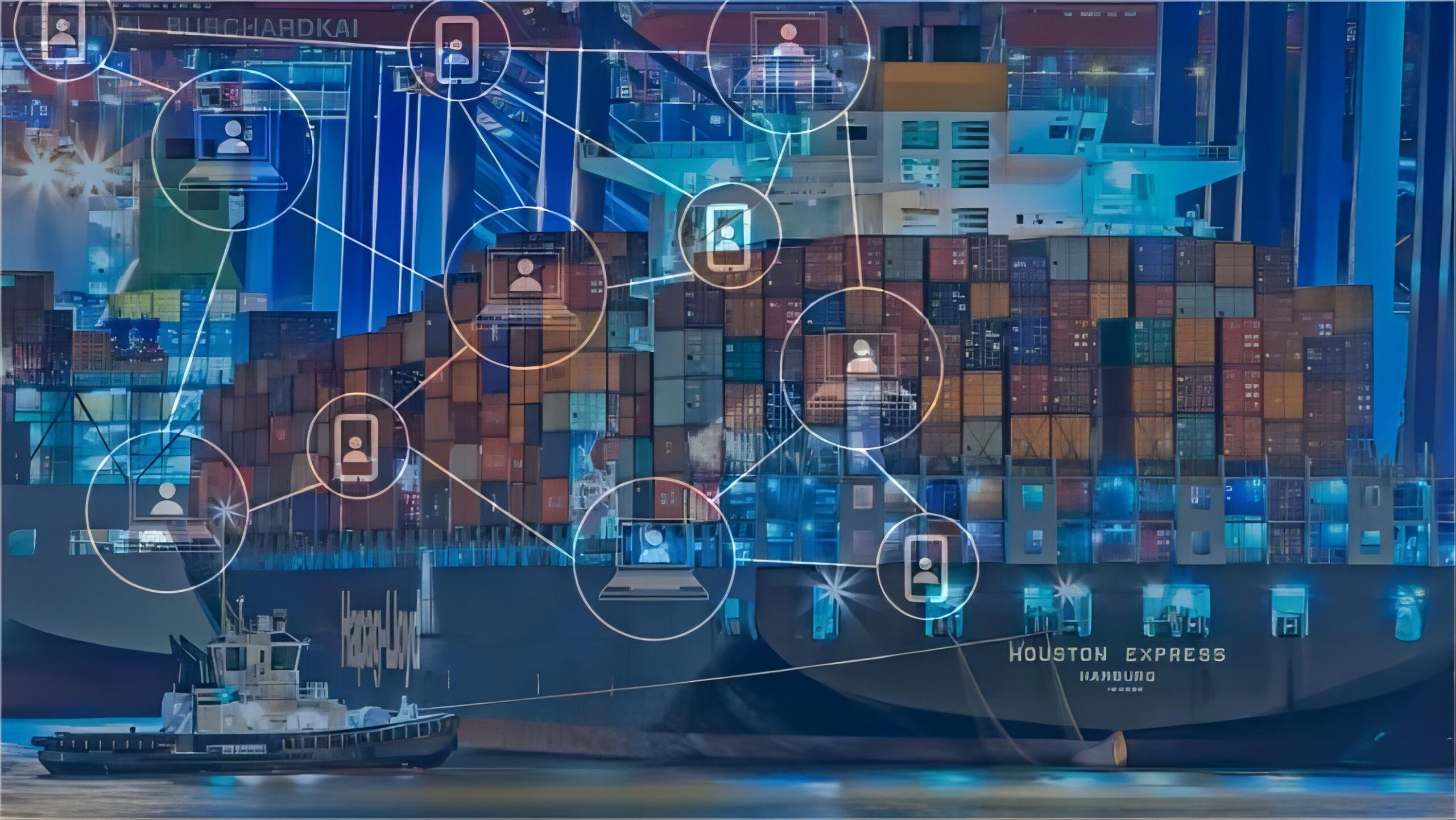
As of early 2026, automated tracking technology has become a standard feature of these premium services. Shippers can now monitor their containers in real-time as they cross the Pacific Ocean.
Mastering Your Shipping Strategy for 2026
Successfully managing the sea freight china to Canada cost requires a balance of strategic planning and market awareness. By understanding the differences between FCL and LCL, and by preparing for customs requirements, you can significantly improve your bottom line.
Logistics trends in 2026 continue to favor those who use data to drive their shipping decisions. Whether you choose sea, air, or a hybrid model, working with a reliable partner ensures your goods reach the Canadian market efficiently.
Always remember to factor in the total landed cost rather than just the initial ocean freight quote. This holistic approach will help you maintain healthy margins and build a resilient international trade business.
Ready to streamline your logistics?
Ready to optimize your supply chain and reduce your sea freight china to Canada cost? Contact our expert team today for a customized quote tailored to your specific shipping needs. Visit our website to learn more about our comprehensive logistics solutions and secure the best rates for the 2026 season. Send Inquiry: https://Top China Freight.net/
Request Quote