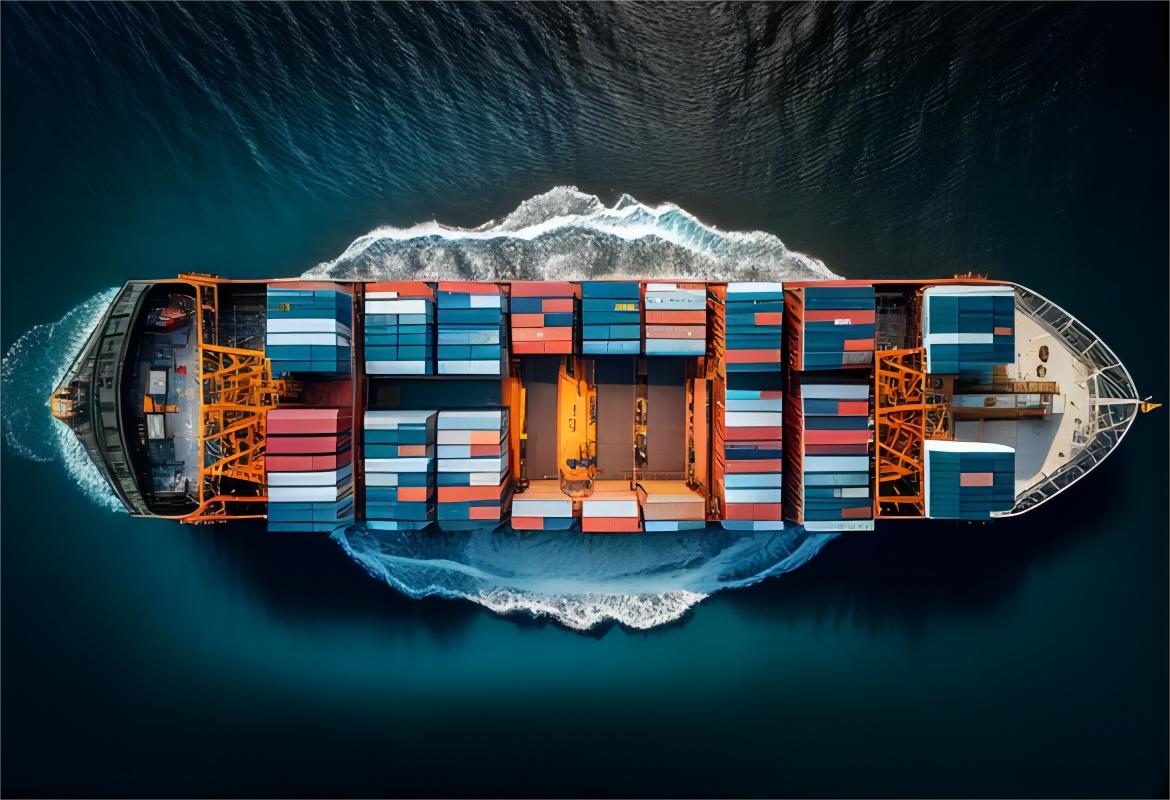
Container Shipping China to USA FCL LCL: 2026 Logistics Guide
Container shipping China to USA FCL LCL remains the most vital link in the global supply chain for businesses importing goods to North America. Navigating the complexities of international logistics requires a strategic approach and a reliable partner like Top China Freight to manage your cargo efficiently. This comprehensive guide provides the latest 2026 market data to help you optimize your shipping costs and delivery schedules.

Understanding Container Shipping China to USA FCL LCL
Selecting the right shipping method is the first step toward a successful import operation from Asian manufacturing hubs. Container shipping China to USA FCL LCL options allow businesses of all sizes to access the global market by choosing the most cost-effective volume solution. Consequently, understanding the fundamental differences between Full Container Load and Less than Container Load is essential for any supply chain manager.
Full Container Load, or FCL, involves renting an entire 20-foot or 40-foot container for your exclusive use. This method is generally preferred for large-volume shipments because it offers better security and faster transit times since the container does not need to be opened until it reaches your warehouse. Furthermore, FCL often results in a lower cost per unit once you reach a certain volume threshold, typically around 15 cubic meters.
On the other hand, Less than Container Load, or LCL, is a flexible solution where your cargo shares space with other shippers’ goods in a single container. This approach is ideal for small businesses or those testing new products who do not have enough inventory to fill a whole box. However, it is important to note that LCL involves additional cargo handling at consolidation centers, which can slightly increase the risk of damage and extend the total transit time.
Industry trends in 2026 suggest that many importers are moving toward a hybrid model to balance inventory costs and shipping speed. By utilizing sea freight services effectively, you can maintain a steady flow of goods while minimizing the capital tied up in transit. Ultimately, your choice between FCL and LCL will depend on your specific cargo volume, budget constraints, and how quickly you need the items to hit the shelves.
How Does Sea Freight Compare to Other Shipping Options?
Comparing different transportation modes is critical for determining the most efficient path for your goods to reach the United States. While ocean freight is the most common method for transpacific trade, alternative strategies like air freight or express services offer distinct advantages for specific scenarios. For instance, high-value electronics or urgent medical supplies often bypass the ocean entirely to avoid long lead times.
Air freight provides the fastest transit, typically delivering goods from China to the USA in 3 to 7 days. Nevertheless, the cost is significantly higher, often five to ten times more expensive than sea freight depending on the weight-to-volume ratio. Therefore, most businesses reserve air freight for low-volume, high-margin items or emergency restocks when inventory levels are critically low.
Hybrid solutions, such as sea-air combinations, have gained popularity in 2026 as a middle-ground strategy. These routes might involve shipping goods by sea to a hub like Dubai or Singapore and then flying them to the USA to save time compared to a full ocean voyage. Additionally, for smaller parcels, an express service provides a door-to-door solution that simplifies the entire logistics process for the shipper.
| Shipping Method | Cost Range | Transit Time | Best For |
|---|---|---|---|
| Sea Freight FCL | $2,500 – $5,500 | 18 – 35 Days | Bulk goods, large inventory |
| Sea Freight LCL | $50 – $150 per CBM | 25 – 45 Days | Small volumes, samples |
| Air Freight | $4.50 – $9.00 per kg | 3 – 7 Days | High-value, urgent items |
| Express Service | $6.00 – $12.00 per kg | 2 – 5 Days | E-commerce, documents |
Current 2026 Freight Rates and Market Trends
Market data suggests that freight rates from China to the USA have stabilized in early 2026 following the infrastructure improvements and carrier capacity adjustments of the previous year. Specifically, the rates for the West Coast remain more competitive due to the shorter distance and higher frequency of vessel calls. Meanwhile, East Coast routes continue to command a premium due to the longer voyage through the Panama Canal or around the Cape of Good Hope.
Seasonal variations still play a major role in pricing, with rates typically increasing by 15-25% during the peak season from August to October. Consequently, savvy importers often book their shipments several weeks in advance to secure space and lock in lower rates before the holiday rush. Moreover, fuel surcharges and port congestion fees can fluctuate, making it vital to obtain a current quote from your freight forwarder.
Typical rates as of early 2026 show a moderate range that allows for predictable budgeting in the supply chain. While these numbers provide a baseline, actual costs will vary based on the specific port of origin and the final destination in the United States. Note: Freight rates are subject to change based on fuel costs, carrier capacity, and seasonal demand. Contact us for a current quote tailored to your specific shipment.
| Route | 20GP Container | 40HQ Container | Est. Transit |
|---|---|---|---|
| China to USA West | $1,600 – $2,300 | $2,900 – $3,900 | 14 – 18 Days |
| China to USA East | $2,600 – $3,600 | $4,600 – $6,100 | 30 – 35 Days |
| China to USA Gulf | $2,400 – $3,400 | $4,200 – $5,800 | 28 – 33 Days |
Essential Documentation for US Customs Brokerage
Navigating the legal requirements for importing goods into the United States is one of the most challenging aspects of international trade. Every shipment must pass through a rigorous inspection and documentation review by US Customs and Border Protection. Consequently, hiring a professional customs brokerage service is often the best way to ensure compliance and avoid costly delays at the port.
Required documents generally include the Commercial Invoice, Packing List, and the Bill of Lading, which serves as the contract of carriage. Furthermore, for shipments originating in China, you must ensure that all ISF (Importer Security Filing) 10+2 requirements are met at least 24 hours before the vessel departs the loading port. Failure to file this correctly can result in significant fines and mandatory cargo examinations.
In addition to standard paperwork, certain types of goods may require specialized permits or certificates, such as FDA approvals for food products or EPA certifications for electronics. Therefore, you should verify the Harmonized System (HS) codes for your products early in the process to determine the applicable duty rates. Working with an experienced partner helps streamline this process, allowing you to focus on your core business operations.
Transit Times: How Long Does it Take?
Shipping times from China to the United States vary significantly depending on the service level and the specific geographic location of the destination port. For instance, a direct service from Shanghai to Los Angeles is the fastest ocean route available, often taking less than three weeks from port to port. Conversely, shipping to the East Coast via the Panama Canal can take upwards of five weeks due to the increased distance and canal transit times.
Total door-to-door transit time must also account for inland transportation, which can add several days or even weeks to the schedule. Once the container is discharged at the port, it must clear customs and then be transported via truck or rail to the final warehouse. Consequently, many businesses are now opting for door to door services to simplify the coordination of these multiple logistics stages.
Recent logistics trends in 2026 indicate that port efficiency has improved, but unexpected weather events or labor negotiations can still cause temporary disruptions. As a result, it is always wise to build a buffer of 7 to 10 days into your inventory planning to account for potential delays. This proactive approach ensures that you can meet customer demand even if the shipping schedule faces minor setbacks.
| Port of Loading | Port of Discharge | Sea Transit | Total Door-to-Door |
|---|---|---|---|
| Shenzhen | Los Angeles | 14 – 16 Days | 22 – 28 Days |
| Ningbo | New York | 30 – 34 Days | 38 – 45 Days |
| Shanghai | Savannah | 28 – 32 Days | 35 – 42 Days |
| Qingdao | Seattle | 16 – 19 Days | 24 – 30 Days |
Which Option Should You Choose? Decision Framework
Determining whether to use FCL or LCL involves a careful analysis of your current inventory needs and financial goals. If your priority is the lowest possible shipping cost and you have a volume of at least 15 CBM, FCL is almost always the superior choice. This method also reduces the risk of damage because the goods are handled less frequently than in an LCL consolidation environment.
Small businesses or those importing high-value, low-volume goods should consider LCL as a way to maintain cash flow without overstocking their warehouses. Moreover, if you are an e-commerce seller, using Amazon FBA services can further streamline your distribution once the goods arrive in the USA. Ultimately, the decision should balance the cost of shipping against the cost of holding inventory and the urgency of the delivery.
Alternative strategies also include using multiple smaller LCL shipments to create a continuous flow of goods rather than one large FCL shipment. This can be particularly effective for products with a short shelf life or those subject to rapid market trends. In contrast, for stable, high-demand products, the economies of scale offered by FCL shipping remain unbeatable for maximizing profit margins.

Real-World Case Studies for US Imports
Examining real-world scenarios helps clarify how these logistics theories apply to actual business operations in the current market. These examples illustrate the costs, timelines, and challenges faced by importers during the 2025-2026 period. By reviewing these cases, you can better anticipate the requirements for your own shipments and identify potential areas for cost savings.
Case Study 1: Electronics from Shenzhen to Los Angeles. A mid-sized retailer needed to move 65 cubic meters of consumer electronics. They opted for a 40HQ FCL shipment to ensure maximum security and speed. The cargo was loaded in Shenzhen and arrived at the Port of Los Angeles in 15 days. After 3 days of customs clearance, the goods were delivered to the warehouse, totaling 22 days door-to-door. The total landed cost was approximately $4,200, including local charges.
Case Study 2: Home Decor from Ningbo to Charleston. An e-commerce startup imported 8 CBM of artisan home decor items using LCL shipping. Because the volume was low, FCL would have been too expensive. The shipment took 32 days at sea and an additional 10 days for consolidation and deconsolidation. Despite the longer transit time, the shipper saved over $2,000 compared to an FCL quote, allowing them to maintain a healthy margin on their initial product launch.
Case Study 1: High Volume Electronics
Route: Shenzhen, China to Los Angeles, USA. Cargo: Consumer Electronics, 65 CBM, 12,000 kg. Container: 40HQ. Shipping Details: Carrier: Major carrier, Port of Loading: Shenzhen, Port of Discharge: Los Angeles, Route Type: Direct. Cost Breakdown: Ocean Freight: $3,100, Origin Charges: $450, Destination Charges: $650, Customs & Duties: $1,200, Total Landed Cost: $5,400. Timeline: Booking to Loading: 4 days, Sea Transit: 15 days, Customs Clearance: 3 days, Total Door-to-Door: 22 days. Key Insight: Choosing FCL for this volume provided the lowest cost per unit and minimized handling risks.
Case Study 2: Boutique Furniture LCL
Route: Ningbo, China to Savannah, USA. Cargo: Furniture, 10 CBM, 2,500 kg. Container: LCL 10 CBM. Shipping Details: Carrier: Consolidation service, Port of Loading: Ningbo, Port of Discharge: Savannah, Route Type: Transshipment via Busan. Cost Breakdown: Ocean Freight: $950, Origin Charges: $300, Destination Charges: $500, Customs & Duties: $800, Total Landed Cost: $2,550. Timeline: Booking to Loading: 6 days, Sea Transit: 33 days, Customs Clearance: 5 days, Total Door-to-Door: 44 days. Key Insight: LCL allowed the business to import a smaller batch without the expense of a full container.
Mastering Your US Import Strategy
Successfully managing container shipping China to USA FCL LCL requires a deep understanding of market rates, transit times, and documentation requirements. By choosing the right method for your specific cargo volume, you can significantly reduce overhead and improve your delivery reliability. Whether you opt for the speed of FCL or the flexibility of LCL, partnering with a knowledgeable freight forwarder is the key to navigating the 2026 logistics landscape.
As market conditions continue to evolve, staying informed about industry trends and pricing fluctuations will give your business a competitive edge. Remember to factor in total landed costs, including customs duties and inland transportation, to get a true picture of your shipping expenses. With the right strategy and a commitment to efficiency, your transpacific trade operations will thrive in the years to come.
Start Your Shipment
Ready to optimize your supply chain with reliable container shipping China to USA FCL LCL services? Contact our expert logistics team today to receive a customized quote and streamline your international trade operations. Visit our website to start your inquiry now.
Request Quote