
Best Freight Forwarder China to Australia: 2026 Logistics Guide
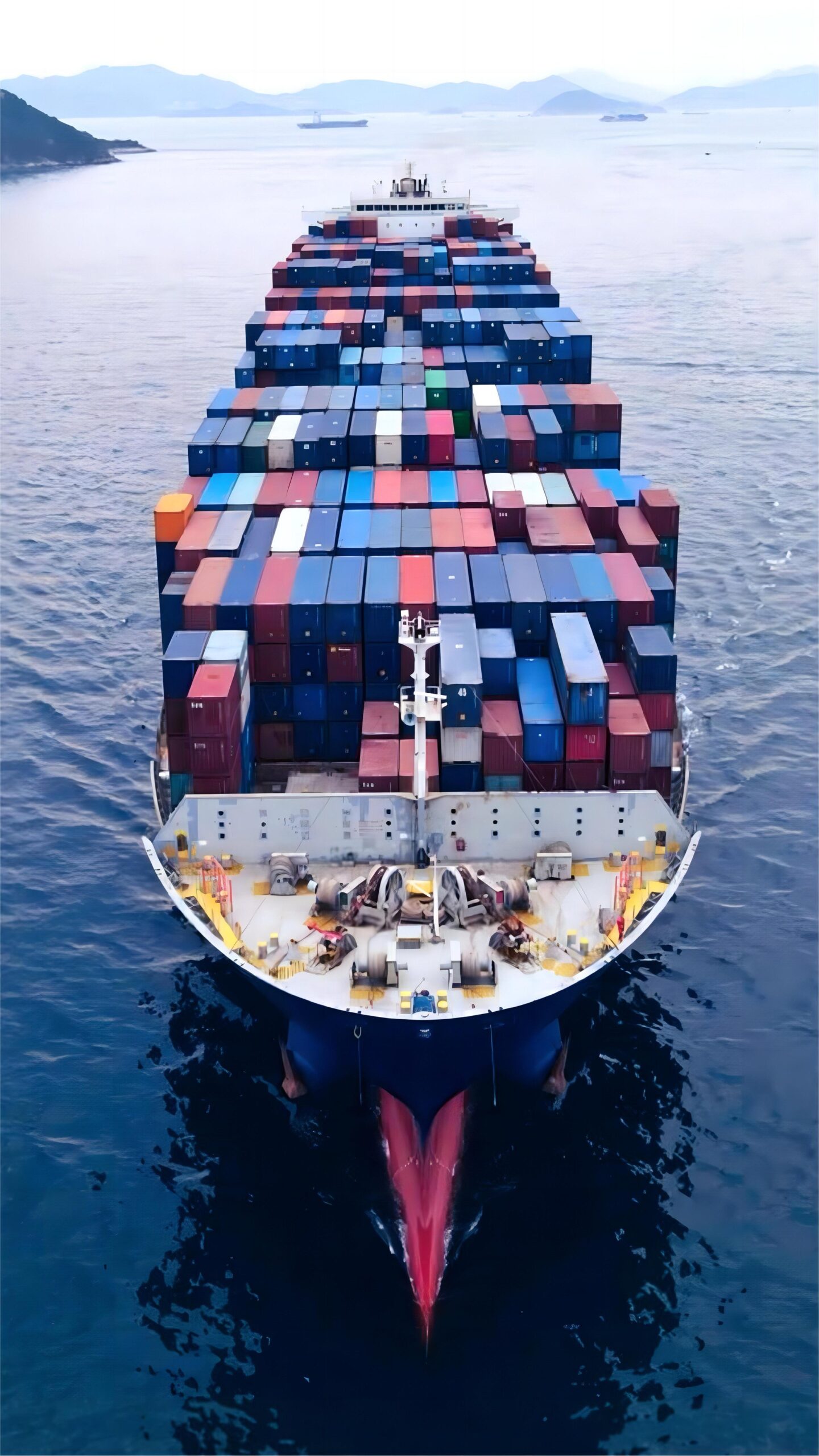
Selecting the best freight forwarder china to australia is a critical decision for any importer looking to optimize their supply chain in 2026. Top China Freight provides comprehensive logistics solutions tailored to the Australian market, ensuring your cargo arrives safely and on time. Whether you are handling small parcels or full containers, understanding the nuances of international shipping is essential for maintaining a competitive edge. This guide explores the most efficient shipping methods, current market rates, and strategic advice for choosing a reliable logistics partner.

Why the Best Freight Forwarder China to Australia Matters in 2026
Navigating the complexities of international trade requires more than just a carrier; it demands a strategic logistics partner. In 2026, global supply chains face unique challenges ranging from fuel price fluctuations to shifting trade regulations between Asia and Oceania. Consequently, working with an experienced professional ensures that your business avoids costly delays and regulatory fines.
Reliability remains the cornerstone of successful import operations for Australian businesses. Furthermore, a top-tier agent provides real-time tracking and proactive communication, which are vital for inventory management. Choosing a partner with deep local knowledge of both Chinese manufacturing hubs and Australian ports will significantly reduce your operational stress.
Efficiency in logistics directly impacts your bottom line and customer satisfaction levels. Additionally, the right provider helps you navigate the Australian Border Force requirements with ease, preventing unnecessary storage fees at the wharf. Indeed, the distinction between a standard agent and a premium freight forwarder often lies in their ability to handle exceptions and emergencies.
How Does Sea Freight Compare to Other Shipping Options?
Comparing different transport modes is the first step in designing an effective shipping strategy. While sea freight remains the most popular choice for bulk goods, it is not always the most efficient for every scenario. For instance, high-value electronics or urgent medical supplies often require the speed of air freight to meet market demands.
Ocean transport offers the lowest cost per unit for large volumes, making it ideal for furniture, machinery, and raw materials. However, the longer transit times mean you must plan your inventory cycles at least two months in advance. Meanwhile, air transport provides unmatched speed but comes at a significant price premium that can eat into your profit margins.
Hybrid solutions like sea-air combinations have gained traction in early 2026 as a middle-ground alternative. These services typically involve shipping goods by sea to a hub like Singapore before flying them to major Australian cities. Consequently, importers can save up to 40 percent on costs compared to pure air freight while still arriving faster than standard ocean routes.
| Shipping Method | Cost Range | Transit Time | Best For |
|---|---|---|---|
| Sea Freight (FCL) | $800 – $2,000 | 12 – 22 Days | Large Bulk Shipments |
| Sea Freight (LCL) | $50 – $120/CBM | 18 – 28 Days | Small Pallet Loads |
| Air Freight | $3.50 – $7.00/kg | 3 – 7 Days | Urgent/High Value |
| Express Courier | $6.00 – $12.00/kg | 2 – 4 Days | Samples/Small Parcels |
Understanding the 2026 Market Rates for China to Australia Shipping
Market data suggests that freight rates for the China-Australia route have stabilized in the first quarter of 2026. According to industry benchmarks, a standard 20-foot container from Shanghai to Sydney currently ranges between $850 and $1,250 depending on the carrier. Nevertheless, these rates are subject to seasonal spikes, particularly during the August to October peak season when demand surges.
Importers should also account for local charges at both the origin and destination ports. For example, Terminal Handling Charges (THC) and documentation fees can add several hundred dollars to your total landed cost. Therefore, always request an all-in quote from your freight forwarder to avoid hidden surprises upon arrival in Australia.
Fuel surcharges continue to be a variable factor that influences monthly pricing adjustments. Moreover, the availability of empty containers in Chinese ports like Ningbo and Shenzhen can impact the immediate booking availability. As a result, securing space at least two weeks before the cargo ready date is highly recommended for all ocean shipments.
| Route | 20GP Container | 40HQ Container | Typical Transit |
|---|---|---|---|
| Shenzhen to Sydney | $800 – $1,100 | $1,400 – $1,850 | 12-15 Days |
| Shanghai to Melbourne | $900 – $1,200 | $1,550 – $1,950 | 15-18 Days |
| Ningbo to Brisbane | $850 – $1,150 | $1,500 – $1,900 | 14-17 Days |
| Qingdao to Adelaide | $1,000 – $1,350 | $1,700 – $2,200 | 20-24 Days |
Which Option Should You Choose? Decision Framework
Choosing the right shipping method requires a careful balance between budget, speed, and cargo characteristics. If your primary goal is cost reduction and you have a high volume of goods, Full Container Load (FCL) is almost always the superior choice. Conversely, if you are shipping less than 15 cubic meters, Less than Container Load (LCL) provides a more economical path.
Budget priority dictates a focus on slow steaming sea routes which offer the lowest possible freight rates. On the other hand, if speed is your priority to meet a product launch date, air freight is the only viable solution despite the higher cost. Additionally, consider the nature of your cargo; fragile or perishable items often benefit from the reduced handling associated with air or express services.
Volume thresholds play a significant role in determining when to switch from LCL to FCL. Typically, once your shipment exceeds 13 to 15 cubic meters, the cost of a 20GP container becomes more competitive than paying by the cubic meter for LCL. Consequently, consolidating multiple smaller orders into one full container can lead to substantial long-term savings for growing businesses.
Essential Customs Documentation for Australian Imports
Documentation accuracy is the most common hurdle for businesses importing from China to Australia. Specifically, the Australian Border Force requires precise paperwork to assess duties, taxes, and biosecurity risks. Failure to provide correct documents can lead to cargo holds, expensive inspections, and significant delivery delays.
Packing lists and commercial invoices must clearly state the value, quantity, and description of all items. Furthermore, a Certificate of Origin is vital for claiming preferential tariff rates under the China-Australia Free Trade Agreement (ChAFTA). Without this document, you may end up paying the standard 5 percent duty rate unnecessarily.
Biosecurity is a major focus for Australian customs, especially for goods containing wood, plant, or animal materials. Therefore, ensuring your supplier provides a valid fumigation certificate for wooden packaging is mandatory. In addition, always check if your specific products require import permits or satisfy Australian safety standards before the ship leaves China.
| Document Name | Purpose | Required By | Criticality |
|---|---|---|---|
| Commercial Invoice | Value Assessment | Customs | High |
| Packing List | Cargo Verification | Port Authorities | High |
| Bill of Lading | Title of Goods | Carrier/Bank | High |
| ChAFTA Certificate | Duty Reduction | Customs | Optional/Advised |
Door to Door Solutions and Amazon FBA Logistics
Modern importers increasingly prefer door to door shipping to simplify their logistics chain. This service covers everything from factory pickup in China to final delivery at your warehouse in Australia. Consequently, you only have to deal with one point of contact and one comprehensive invoice for the entire journey.
Managing Amazon FBA logistics requires a specialized approach due to strict labeling and palletization requirements. A freight forwarder experienced in FBA will ensure your goods are compliant with Amazon’s Australian fulfillment centers in Sydney, Melbourne, or Brisbane. Moreover, they can handle the final mile delivery using Amazon-partnered carriers for maximum efficiency.
Direct delivery to residential addresses or small offices is also possible through express and LCL door-to-door services. This is particularly useful for e-commerce startups that do not yet have large-scale warehousing facilities. Indeed, the convenience of having goods cleared through customs and delivered to your doorstep often outweighs the slightly higher service fee.

Real-World Case Studies of Successful Shipments
Case Study 1: Electronics Distribution from Shenzhen to Sydney. Route: Shenzhen, China to Sydney, Australia. Cargo: Consumer electronics, 28 CBM, 4,500 kg. Container: 20GP. Shipping Details: Carrier: COSCO. Port of Loading: Shenzhen. Port of Discharge: Sydney. Route Type: Direct. Cost Breakdown: Ocean Freight: $1,050. Origin Charges: $320. Destination Charges: $450. Customs and Duties: $1,200. Total Landed Cost: $3,020. Timeline: Booking to Loading: 3 days. Sea Transit: 14 days. Customs Clearance: 2 days. Total Door-to-Door: 22 days. Key Insight: Utilizing ChAFTA documentation saved the client over $800 in import duties.
Case Study 2: Fashion Apparel from Guangzhou to Melbourne. Route: Guangzhou, China to Melbourne, Australia. Cargo: Seasonal clothing, 6 CBM, 1,200 kg. Container: LCL. Shipping Details: Carrier: Major carrier. Port of Loading: Nansha. Port of Discharge: Melbourne. Route Type: Transshipment via Singapore. Cost Breakdown: Ocean Freight: $480. Origin Charges: $150. Destination Charges: $380. Customs and Duties: $950. Total Landed Cost: $1,960. Timeline: Booking to Loading: 4 days. Sea Transit: 19 days. Customs Clearance: 1 day. Total Door-to-Door: 28 days. Key Insight: Scheduling the shipment 3 weeks before the peak season avoided a 15 percent rate hike.
Case Study 3: Industrial Machinery from Ningbo to Perth. Route: Ningbo, China to Fremantle, Australia. Cargo: CNC Machinery, 55 CBM, 12,000 kg. Container: 40HQ. Shipping Details: Carrier: Maersk. Port of Loading: Ningbo. Port of Discharge: Fremantle. Route Type: Direct. Cost Breakdown: Ocean Freight: $1,850. Origin Charges: $400. Destination Charges: $550. Customs and Duties: $4,500. Total Landed Cost: $7,300. Timeline: Booking to Loading: 5 days. Sea Transit: 18 days. Customs Clearance: 3 days. Total Door-to-Door: 30 days. Key Insight: Professional crating and moisture protection prevented damage during the equatorial transit.
How to Choose the Best Freight Forwarder China to Australia
Identifying the right partner involves evaluating their specific expertise in the Australia-China trade lane. Specifically, you should look for a company that offers a wide range of services, from sea and air freight to customs brokerage and warehousing. A forwarder with a physical presence in both countries is often better equipped to handle local issues.
Transparency in pricing is another critical factor to consider during your selection process. Always ask for a detailed breakdown of all costs to ensure there are no hidden fees that appear later. Furthermore, check for industry certifications and reviews from other Australian businesses to verify their reputation for reliability and professionalism.
Communication speed and quality can make or break your shipping experience, especially during peak seasons. Choose a forwarder that provides a dedicated account manager who understands your business needs and speaks your language. Finally, ensure they use modern digital tools for tracking and documentation to keep you informed at every stage of the journey.
Final Thoughts on Choosing the Best Freight Forwarder China to Australia
Summarizing the logistics landscape for 2026, it is clear that preparation and partnership are the keys to success. By selecting the best freight forwarder china to australia, you gain access to competitive rates, expert customs knowledge, and reliable transit times. Whether you prioritize cost through sea freight or speed through air transport, having a professional agent ensures your cargo is in safe hands.
Market conditions will continue to evolve, making it essential to stay informed about the latest shipping trends and regulatory changes. We recommend reviewing your shipping strategy quarterly to take advantage of fluctuating rates and new service offerings. Ultimately, the right logistics partner will not only move your goods but also help grow your business through efficient and scalable supply chain solutions.

Need a tailored shipping solution?
Streamline your supply chain today by partnering with the best freight forwarder china to australia for your next shipment. Contact our expert team for a customized quote and expert guidance on navigating the 2026 logistics landscape. Visit our website to learn more and Send Inquiry to get started on your hassle-free shipping journey.