

Cheap Shipping China to Canada: 2026 Best Freight Rates Guide
Finding cheap shipping china to Canada is a top priority for businesses looking to maintain healthy profit margins in 2026. As global trade routes evolve, importers must identify the most cost-effective ways to move goods from manufacturing hubs like Shenzhen and Ningbo to major Canadian cities. Navigating this complex landscape requires a reliable partner like Top China Freight to manage logistics and reduce overhead costs effectively. This guide explores the latest strategies to secure the lowest rates while ensuring your cargo arrives safely and on schedule.

What Are the Most Economical Shipping Methods for 2026?
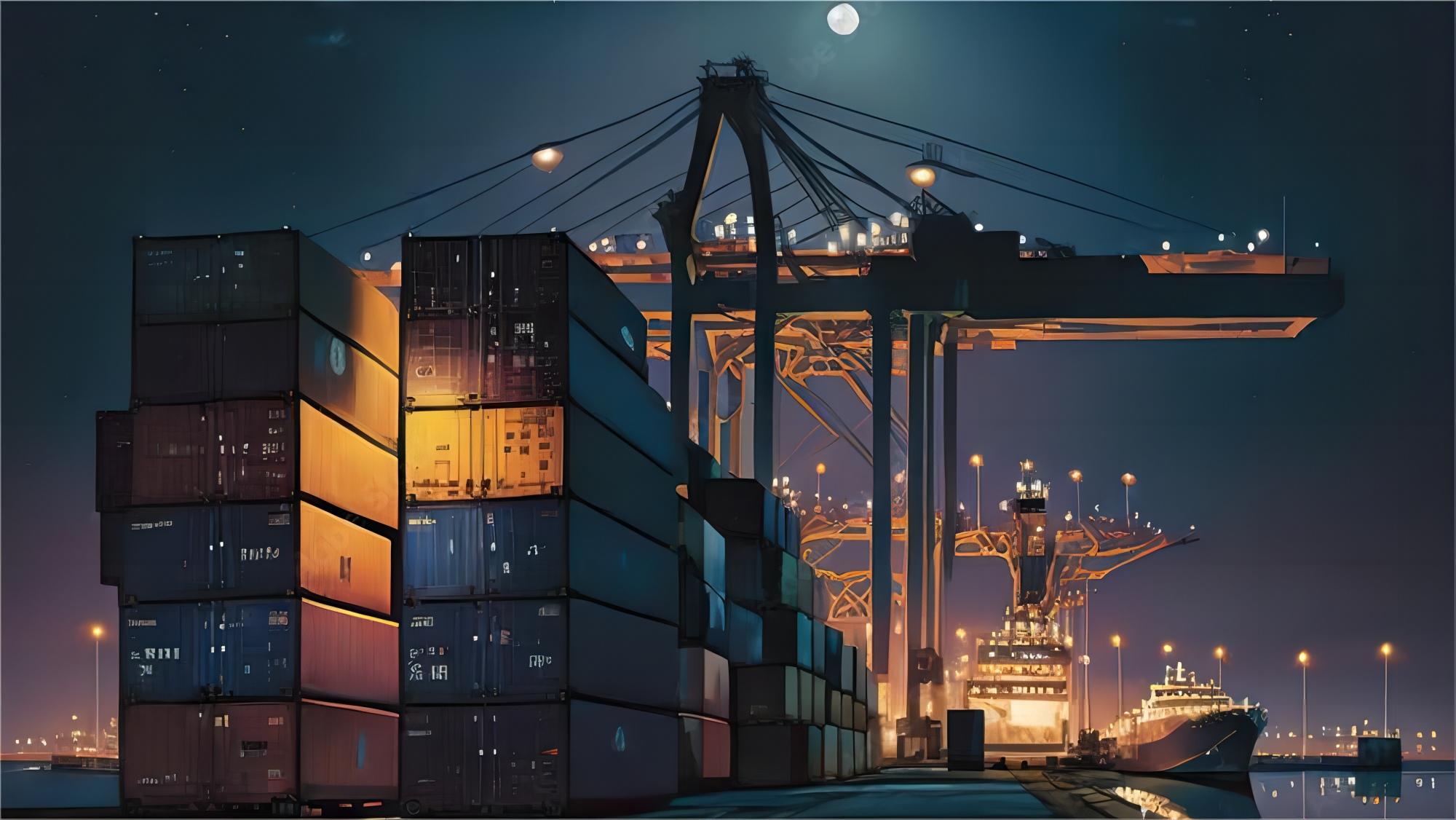
Choosing the right transportation mode is the first step toward achieving cheap shipping china to Canada for your business operations. Generally, sea freight remains the most budget-friendly option for large volumes, although it requires longer lead times compared to other methods. Shippers often utilize sea freight to move heavy machinery, furniture, or bulk consumer goods across the Pacific Ocean.
Alternatively, air freight serves as a faster but more expensive solution for urgent shipments or high-value electronics. While it is rarely the cheapest option, it can save money indirectly by reducing inventory holding costs and meeting tight market deadlines. Consequently, businesses must balance speed and cost when selecting their primary logistics strategy for the current year.
Moreover, the rise of multimodal solutions has introduced new ways to optimize transit costs without sacrificing too much time. For instance, combining sea transport with rail or truck delivery in Canada can often result in lower total landed costs than direct air services. Therefore, analyzing every segment of the supply chain is essential for finding the best deals.
How Does Sea Freight Compare to Other Shipping Options?
Analyzing the differences between various transport modes helps importers make informed decisions about their budget allocations. Sea freight typically offers the lowest cost per unit, especially when shipping full container loads from major Chinese ports. In contrast, express services provide door-to-door convenience at a much higher price point, making them suitable only for small parcels.
Furthermore, sea freight is divided into FCL and LCL, allowing smaller businesses to share container space and reduce expenses. For shipments under 15 cubic meters, LCL is often the most economical choice for reaching Canadian destinations like Vancouver or Toronto. However, once your volume exceeds a certain threshold, booking a full 20-foot container becomes more cost-effective due to flat-rate pricing.
Additionally, rail and hybrid sea-air options are gaining popularity for their ability to offer middle-ground pricing and speed. While rail freight is not directly applicable for the trans-Pacific route, it plays a massive role in inland Canadian distribution after the ship docks. Specifically, moving containers via rail from Vancouver to Montreal is a standard practice for maintaining low shipping rates.
| Shipping Method | Cost Range | Transit Time | Best For |
|---|---|---|---|
| Sea Freight (FCL) | $2,500 – $4,500 | 18 – 35 Days | Large bulk orders |
| Sea Freight (LCL) | $80 – $150 per CBM | 22 – 40 Days | Small business stock |
| Air Freight | $4.50 – $9.00 per kg | 5 – 10 Days | High-value goods |
| Express Courier | $10.00 – $18.00 per kg | 3 – 5 Days | Samples and documents |
Why Cheap Shipping China to Canada Requires Smart Planning
Successful logistics management involves more than just finding the lowest quote from a carrier or freight forwarder. Indeed, factors like peak season surcharges and fuel fluctuations can significantly impact your final shipping bill if not planned for in advance. Shippers who book their space at least 3 to 4 weeks before the departure date usually secure much better rates than those with urgent needs.
Moreover, utilizing air freight during off-peak months can sometimes be surprisingly affordable for specific cargo types. For example, during the Chinese New Year period, sea freight rates often spike, making air transport more competitive for smaller batches. Consequently, maintaining a flexible shipping schedule is a key strategy for cost reduction.
Furthermore, optimizing your packaging can lead to substantial savings, particularly for LCL and air shipments where volume or weight determines the price. By reducing excess space in your boxes, you minimize the billable weight and ensure you are not paying for empty air. Therefore, working closely with your manufacturer on packaging dimensions is a vital step for cheap shipping china to Canada.
Case Study 1: Economical LCL Shipment to Vancouver
Case Study 1: Small Business Electronics Import. Route: Shenzhen, China to Vancouver, Canada. Cargo: LED Display Panels, 5 CBM, 1,200 kg. Method: Sea Freight LCL. Shipping Details: Booked through a major carrier via the Port of Shenzhen. Route Type: Direct to Port of Vancouver.
Cost Breakdown: Ocean Freight: $550. Origin Charges: $200. Destination Charges: $250. Customs and Duties: $400. Total Landed Cost: $1,400. Timeline: Booking to Loading: 4 days. Sea Transit: 16 days. Customs Clearance: 3 days. Total Door-to-Door: 23 days.
Key Insight: By choosing LCL instead of air freight, the importer saved over $3,000 in transportation costs. Based on early 2026 market rates, this shipment demonstrated that sea freight remains the king of affordability for non-urgent commercial cargo.
Case Study 2: Full Container Load to Toronto
Case Study 2: Furniture Retailer Expansion. Route: Ningbo, China to Toronto, Canada. Cargo: Office Furniture, 28 CBM. Container: 20GP. Shipping Details: Carrier: COSCO. Port of Loading: Ningbo. Port of Discharge: Vancouver (then rail to Toronto). Route Type: Transshipment via Rail.
Cost Breakdown: Ocean Freight: $2,900. Origin Charges: $350. Destination Charges (including rail): $850. Customs and Duties: $1,200. Total Landed Cost: $5,300. Timeline: Booking to Loading: 6 days. Sea Transit: 18 days. Rail Transit: 7 days. Total Door-to-Door: 31 days.
Key Insight: Using a 20GP container allowed the retailer to lock in a flat rate, which was 20 percent cheaper than shipping the same volume via LCL. Typical rates as of mid-2026 show that FCL is the most stable option for consistent inventory replenishment.
Which Option Should You Choose for Your Shipments?
Determining the best shipping strategy depends on your specific business needs, cargo volume, and delivery deadlines. If your primary goal is budget priority, then sea freight LCL or FCL is undoubtedly the way to go for most Canadian imports. Shippers moving large quantities of goods for Amazon FBA often prefer this method to keep their retail prices competitive.
On the other hand, if speed is your priority, air freight or express services are necessary to avoid stockouts and keep customers satisfied. Additionally, cargo type considerations play a role, as hazardous materials or perishable items may require specialized handling that influences the price. Consequently, a hybrid approach often works best for growing companies with diverse product lines.
Specifically, you should choose LCL for shipments between 1 and 15 CBM to avoid the high cost of a full container. However, once you reach 15 CBM or more, a 20GP container usually provides a better return on investment. Without a doubt, consulting with a professional logistics provider will help you identify these volume thresholds and switch methods at the right time.

Understanding Customs and Documentation Costs
Hidden costs often lurk in the form of customs duties, taxes, and administrative fees that can surprise unprepared importers. To achieve true cheap shipping china to Canada, you must factor in these expenses from the very beginning of your procurement process. Utilizing a professional customs brokerage service ensures that your paperwork is accurate and compliant with Canadian Border Services Agency regulations.
Furthermore, having the correct Harmonized System (HS) codes for your products is essential for determining the exact duty rates you will owe. Incorrect classification can lead to heavy fines or delayed shipments, which quickly erodes any savings you made on the freight itself. Therefore, investing in proper documentation is actually a cost-saving measure in the long run.
Moreover, you should be aware of the Goods and Services Tax (GST) applied to most imports into Canada, which is typically 5 percent. While this is a standard cost, managing your cash flow to cover these payments upon arrival is crucial for a smooth supply chain. Indeed, being organized with your commercial invoice and packing list is the best way to prevent unnecessary storage fees at the port.
| Document Name | Required For | Purpose | Typical Fee |
|---|---|---|---|
| Commercial Invoice | All Shipments | Value declaration | Included |
| Packing List | All Shipments | Cargo verification | Included |
| Bill of Lading | Sea Freight | Title of goods | $50 – $100 |
| Customs Entry | All Shipments | Legal clearance | $100 – $200 |
Factors Influencing Cheap Shipping China to Canada Rates
Several variables determine the final price you pay for transporting goods across the ocean or through the air. Fuel surcharges, often referred to as Bunker Adjustment Factors in sea freight, fluctuate based on global oil prices and impact carrier quotes. Additionally, seasonal demand during the Golden Week in China or the Christmas rush in Canada can cause rates to double within weeks.
Consequently, staying informed about industry trends allows you to time your shipments for maximum savings. For instance, shipping in the quieter months of March or April can yield significantly lower prices than the peak Q4 season. Moreover, port congestion in Vancouver or Prince Rupert can lead to surcharges that importers must be prepared to handle.
Furthermore, using an express service for small batches can sometimes be cheaper than LCL when you factor in the high minimum port charges at the destination. Specifically, for very small boxes under 50 kg, the convenience and speed of courier services often outweigh the costs of traditional freight. Therefore, always compare the total landed cost rather than just the base freight rate.
Mastering Cheap Shipping China to Canada in 2026
Achieving cheap shipping china to Canada is a multifaceted process that involves selecting the right transport mode, timing your bookings, and optimizing your cargo. Whether you choose the massive capacity of sea freight or the rapid transit of air cargo, the key is to work with experienced partners who understand the 2026 market. By focusing on total landed costs and efficient customs clearance, you can ensure your business remains competitive in the global marketplace.
Note: Freight rates are subject to change based on fuel costs, carrier capacity, and seasonal demand. Contact us for a current quote tailored to your specific shipment. Market data suggests that proactive planning and flexible logistics are the most effective tools for maintaining low shipping expenses this year.

Need a tailored shipping solution?
Ready to secure the most competitive rates for your next shipment? Contact Top China Freight today to receive a personalized quote and discover how our expert logistics team can streamline your supply chain. We specialize in providing cheap shipping china to Canada without compromising on reliability or service quality. Visit our website or send an inquiry to get started now.